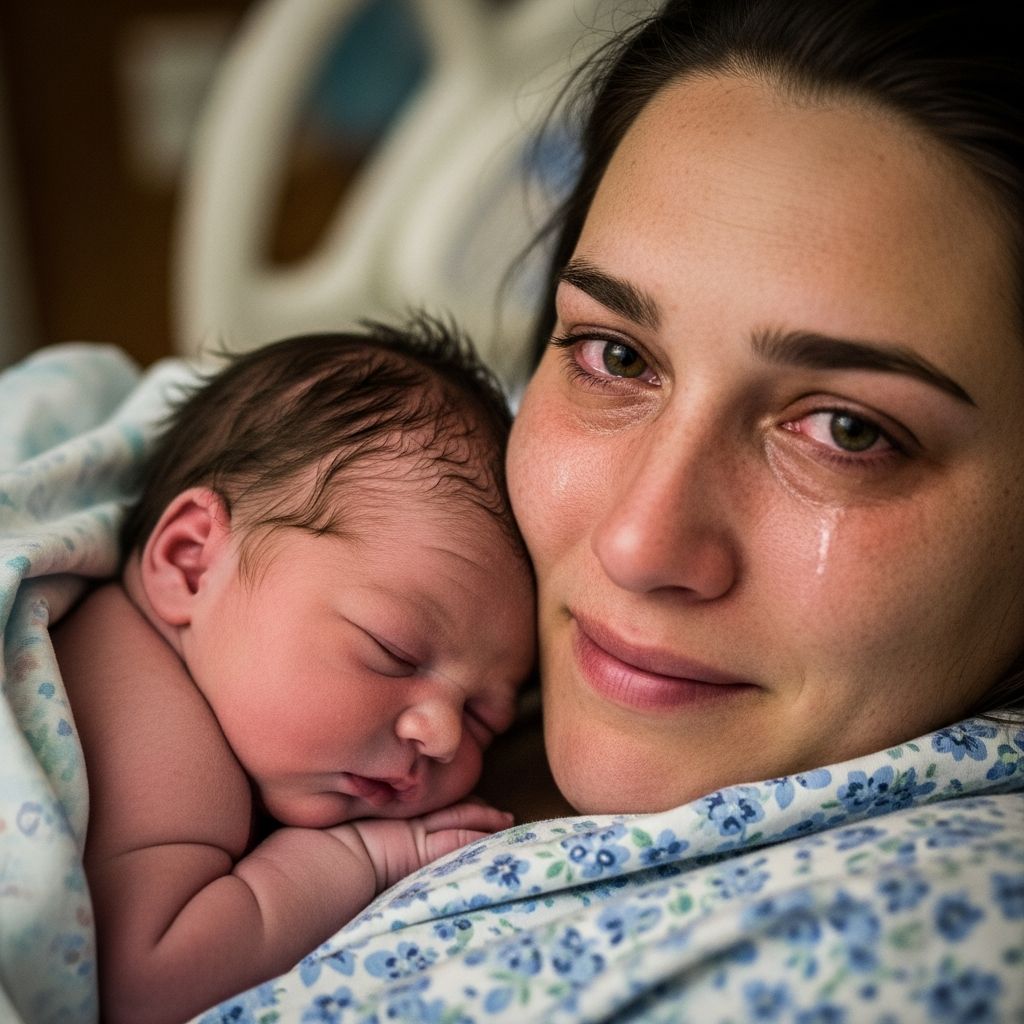
The arrival of a newborn marks a profound milestone, yet it often triggers an unpredictable cascade of feelings. New parents frequently encounter a blend of exhilaration, fatigue, and vulnerability as their bodies adjust to dramatic hormonal shifts.
The Biological Basis of Postpartum Emotions
Childbirth induces rapid changes in hormone levels that directly influence mood. During labor, endorphins surge, creating a natural high to manage pain and foster initial bonding. Oxytocin, known as the ‘love hormone,’ follows, promoting attachment between parent and baby.
Post-delivery, progesterone and estrogen levels plummet significantly—estrogen can drop 100- to 1,000-fold in the first few days. This decline, coupled with rising monoamine oxidase A (MAO-A) enzyme activity, which breaks down serotonin and dopamine, often leads to emotional instability.
Prolactin rises to support breastfeeding, adding another layer to this hormonal mix. Sleep deprivation and physical recovery amplify these effects, making the postpartum period feel like an emotional whirlwind.
Common Emotional Experiences in the Early Days
New parents report a spectrum of feelings immediately after birth. Here’s a breakdown of the most prevalent ones:
- Joy and Elation: Dopamine and oxytocin floods create euphoria, a sense of accomplishment, and intense desire to bond with the newborn. This ‘superhero’ feeling is evolutionarily designed to encourage caregiving.
- Restlessness and Agitation: The hormonal crash can cause unease, irritability, or dissatisfaction, often worsened by unmet expectations around birth or feeding challenges.
- Heightened Empathy and Alertness: Brain changes enhance social processing and sensitivity to the baby’s cues. Oxytocin boosts empathy, while the amygdala responds to cries like a reward signal, keeping parents vigilant.
- Fatigue and Overwhelm: Exhaustion from labor, disrupted sleep, and round-the-clock care leads to confusion, loneliness, or fear about responsibilities.
These emotions can shift rapidly within hours, reflecting the body’s adjustment process.
Understanding Baby Blues: A Normal Phase
Up to 80% of new parents experience ‘baby blues,’ starting 3-5 days postpartum and lasting up to 2-3 weeks. Symptoms include tearfulness, mood swings, anxiety, irritability, and trouble concentrating.
This condition stems from hormonal fluctuations and the transition to parenthood. It’s transient, with moods fluctuating throughout the day alongside moments of happiness.
A classic example is the ‘Day 3 cry,’ where overwhelming sadness hits over minor triggers, symbolizing the tunnel of endless caregiving.
Baby Blues vs. Postpartum Depression: Key Differences
Distinguishing normal adjustments from clinical issues is crucial. The table below compares baby blues and postpartum depression (PPD):
| Baby Blues | Postpartum Depression | |
|---|---|---|
| Onset | 3-5 days after birth, lasts 1-3 weeks | 1-3 months after birth (up to 1 year), persists longer |
| Duration/Intensity | Intermittent, with happy periods | Daily, most of the day, more days than not |
| Symptoms | Sadness, crying, irritability, anxiety, forgetfulness | All above plus overwhelm, guilt, hopelessness, sleep/appetite changes, bonding issues, suicidal thoughts |
| Cause | Hormonal shifts, sleep loss | Hormones + stress, history of depression, lack of support |
PPD affects about 10-15% of parents and requires professional intervention if symptoms linger beyond two weeks or intensify.
Factors Influencing Emotional Recovery
Several elements can prolong or ease the adjustment:
- Sleep Deprivation: Newborns’ nocturnal patterns disrupt rest, heightening irritability and anxiety.
- Support Network: Partners, family, or professionals providing help reduce feelings of isolation.
- Birth Experience: Unexpected complications or interventions may lead to disappointment or processing needs.
- Pre-existing Conditions: History of anxiety or depression increases PPD risk.
- Physical Health: Pain, breastfeeding struggles, or recovery issues compound emotional strain.
Prioritizing self-care, like short naps and delegating tasks, aids stabilization.
Strategies for Managing Postpartum Emotions
Practical steps can mitigate the intensity:
- Rest When Possible: Nap during baby’s sleep cycles, even if brief.
- Seek Connection: Talk to loved ones or join parent groups to normalize experiences.
- Nutrition and Hydration: Balanced meals support hormone regulation.
- Mindfulness Practices: Deep breathing or gentle walks reduce anxiety.
- Professional Help: Consult a doctor if symptoms persist; therapy or medication can be effective for PPD.
Tracking moods in a journal helps identify patterns and progress.
Long-Term Emotional Well-Being
While early days are turbulent, most parents adapt within weeks. Structural brain changes, like enhanced empathy regions, solidify bonding over time.
Persistent care routines build confidence, and hormonal cycles resume with menstruation. Ongoing support prevents escalation to chronic issues.
Emotional health impacts caregiving; stressed parents may struggle with responsiveness, underscoring the need for holistic postpartum care.
Frequently Asked Questions (FAQs)
Is it normal to feel sad right after giving birth?
Yes, baby blues affect up to 80% of new parents, caused by hormonal drops and adjustment. It typically resolves in 1-2 weeks.
How long do postpartum mood swings last?
Baby blues last up to 2-3 weeks; if longer or severe, it may indicate PPD, warranting medical advice.
Can dads or non-birthing parents experience this?
Absolutely, any new parent can face similar hormonal and stress-related emotions.
What if I feel nothing for my baby?
Delayed bonding is common due to fatigue; seek help if it persists, as it could signal PPD.
When should I contact a healthcare provider?
If sadness lasts over 2 weeks, includes hopelessness, or affects daily functioning.
Building Resilience in the Postpartum Journey
(Expanded section for depth: The postpartum period reshapes identity, demanding adaptation to a new role. Many report a ‘jumbled mess’ of joy, irritability, and relief daily. Evolutionary psychology suggests alertness and empathy are survival adaptations, ensuring infant protection.)
Community resources, like postpartum support groups, foster validation. Research emphasizes early screening for mood disorders to improve outcomes.
In summary, while challenging, these emotions are a universal part of welcoming life. Patience and support pave the way to joy.
References
- What to Expect Emotionally After Birth — The Bump. Accessed 2026. https://www.thebump.com/a/postpartum-feelings-to-expect
- Postpartum Emotional Adjustments — Newton-Wellesley Hospital. Accessed 2026. https://www.nwh.org/maternity-guide/postpartum-guide/postpartum-chapter-2/postpartum-emotional-adjustments
- Emotional Challenges After Giving Birth — UCLA Health. Accessed 2026. https://www.uclahealth.org/medical-services/birthplace/pregnancy-newborn-health/prenatal-education/after-labor-and-delivery/emotional-challenges-after-giving-birth
- Baby Blues after Pregnancy — March of Dimes. Accessed 2026. https://www.marchofdimes.org/find-support/topics/postpartum/baby-blues-after-pregnancy
- Depression after Childbirth — NCBI Bookshelf. Accessed 2026. https://www.ncbi.nlm.nih.gov/books/NBK279578/