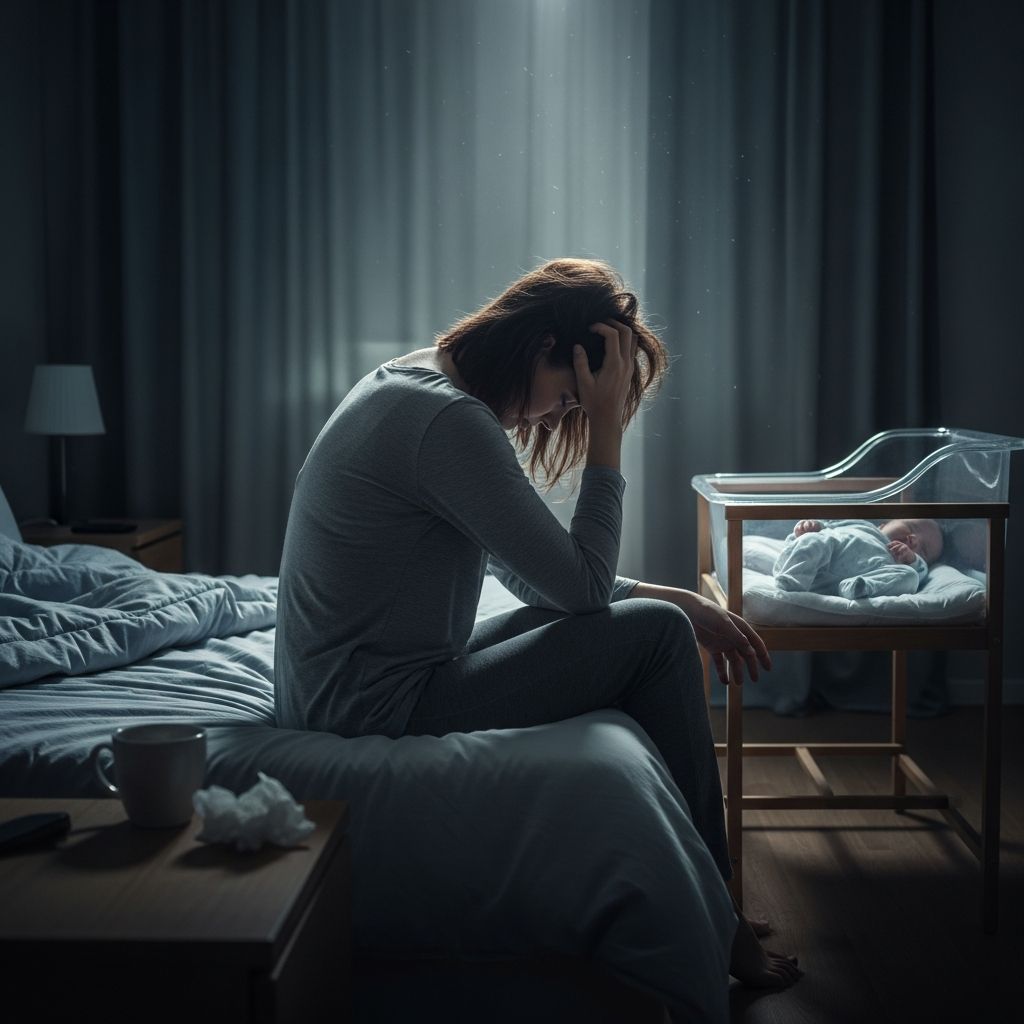
New motherhood brings immense joy, but for many, it also unleashes a storm of emotional turmoil that can go unnoticed. Postpartum depression (PPD) affects up to 1 in 7 women, yet countless cases slip under the radar, mistaken for normal adjustment challenges. This article shares an original narrative inspired by real experiences, detailing the subtle onset, pervasive symptoms, and path to recognition and recovery.
Navigating the Early Days of Motherhood
The initial weeks after birth are a whirlwind. Hormonal shifts cause rapid changes, leading to what experts call ‘baby blues’—mild, temporary symptoms like tearfulness, anxiety, and irritability that resolve within two weeks. For me, these feelings lingered far longer, morphing into something deeper.
I remember holding my newborn, expecting overwhelming love, but instead feeling a profound disconnect. Sleep deprivation compounded everything; nights blurred into days with constant feedings and soothing. What I didn’t realize was that persistent sadness and exhaustion signaled more than fatigue.
- Hormonal plummets: Estrogen and progesterone levels drop sharply post-delivery, mimicking depressive states.
- Sleep disruption: New parents average under 5 hours of fragmented sleep nightly, exacerbating mood instability.
- Identity shift: Transitioning from individual to primary caregiver brings unforeseen emotional strain.
Subtle Indicators That Something Was Wrong
PPD doesn’t always announce itself dramatically. Early signs often masquerade as ‘tired mom’ tropes. I dismissed my constant irritability and unexplained tears as part of the package, unaware they were red flags.
| Category | Common Symptoms | Frequency |
|---|---|---|
| Emotional | Persistent sadness, hopelessness, guilt | High |
| Mental | Difficulty concentrating, indecisiveness | Moderate |
| Physical | Fatigue, appetite changes, insomnia | High |
| Behavioral | Withdrawal, bonding difficulties | Moderate |
These symptoms intensified gradually. Mornings brought dread instead of excitement, and simple tasks like dressing felt insurmountable. Unlike baby blues, which fade, PPD persists beyond four weeks, interfering with daily life.
Distinguishing Baby Blues from True Depression
Understanding the divide is crucial. Baby blues hit 70-80% of new mothers within days of birth, featuring crying, restlessness, and mood swings that self-resolve. PPD, however, escalates:
- Duration: Baby blues: 2 weeks max; PPD: weeks to a year.
- Intensity: Baby blues are manageable; PPD disrupts functioning.
- Severity markers: Thoughts of harm, severe anxiety, or psychosis (rare, within first week).
In my case, the numbness toward my baby and raging frustration blurred lines. I questioned my fitness as a mother, a hallmark of PPD’s guilt spiral.
The Emotional and Physical Toll
Emotionally, PPD creates a fog of worthlessness. I felt like a failure, isolated from friends who seemed to thrive. Anger erupted unexpectedly—at my partner, the baby, myself. Physically, headaches, stomach issues, and unrelenting fatigue drained me further.
Research shows these aren’t ‘just in your head.’ Brain chemistry alters postpartum, with inflammation and neurotransmitter imbalances mirroring major depression. Up to 50% of cases go undiagnosed due to stigma and normalization of struggles.
Impact on Relationships and Daily Life
PPD ripples outward. My bond with my baby strained; I avoided alone time, fearing inadequacy. Partnership suffered—resentment built as my spouse shouldered more, unaware of the invisible weight.
Social withdrawal deepened isolation. Activities once joyful, like walks or coffee chats, held no appeal. Work thoughts loomed terrifyingly, amplifying anxiety.
Moment of Realization: Breaking the Silence
A routine check-up changed everything. My doctor screened for PPD using a simple questionnaire, revealing scores indicating moderate depression. Relief washed over me; it had a name. I wasn’t broken—just battling a treatable condition.
Statistics underscore urgency: Untreated PPD risks chronic issues, affecting child development via insecure attachments. Early intervention prevents this cascade.
Pathways to Healing and Support
Recovery began with validation. Therapy unpacked guilt; cognitive-behavioral techniques reframed negative thoughts. Medication balanced brain chemistry safely during breastfeeding.
- Professional help: OB-GYNs, therapists, or hotlines like Postpartum Support International.
- Self-care: Prioritize rest, nutrition, light exercise.
- Social support: Join mom groups to normalize experiences.
- Partner involvement: Educate loved ones on symptoms.
Lifestyle shifts helped: Short naps, balanced meals, and partner-shared duties rebuilt energy. Mindfulness apps reduced anxiety spirals.
Risks of Ignoring the Signs
Dismissing PPD invites complications. Severe cases lead to psychosis—delusions, hallucinations—requiring hospitalization. Long-term, it heightens anxiety disorders and relationship breakdowns. Infants face developmental delays from unresponsive caregiving.
Yet, 80-90% recover fully with treatment, emphasizing hope.
Empowering Prevention and Early Detection
Universal screening at postpartum visits catches cases early. Education combats stigma—talk openly. Partners: Watch for withdrawal, encourage help-seeking.
For high-risk groups (history of depression, trauma), proactive monitoring is key.
Frequently Asked Questions (FAQs)
How common is postpartum depression?
Around 10-15% of new mothers experience PPD, with higher rates in certain populations.
Can fathers get postpartum depression?
Yes, paternal PPD affects 10% of new dads, with similar symptoms like irritability and withdrawal.
Is PPD only after vaginal birth?
No, it occurs post-C-section or adoption too, triggered by caregiving demands.
How long does recovery take?
With treatment, most improve in weeks to months; full recovery varies.
What if I have thoughts of harm?
Seek immediate help—call 911 or a crisis line. It’s a medical emergency.
Building a Supportive Community
Today, I advocate openly. Sharing dissolves shame, fostering networks. Online forums and local groups provide solidarity. Remember: Seeking help is strength, not weakness.
Motherhood’s beauty emerges clearer post-healing. My child thrives; our bond strengthens daily. If shadows linger, light awaits—reach out.
References
- Serious Warning Signs of PPD — PostpartumDepression.org. Accessed 2026. https://www.postpartumdepression.org/postpartum-depression/signs/
- How to Recognize Postpartum Depression Symptoms — Women’s Health Associates. Accessed 2026. https://www.whallc.com/pregnancy/postpartum-depression-dont-suffer-in-silence/
- Recognizing Postpartum Depression — El Camino Health. 2023-10-01. https://www.elcaminohealth.org/stay-healthy/blog/recognizing-postpartum-depression
- Postpartum Depression (PPD): Causes, Symptoms & Treatment — Cleveland Clinic. 2024-05-15. https://my.clevelandclinic.org/health/diseases/9312-postpartum-depression
- Postpartum Depression — Brown University Health. Accessed 2026. https://www.brownhealth.org/centers-services/multidisciplinary-obstetric-medicine-service-moms/postpartum-depression
- Postpartum Depression – Symptoms and Causes — Mayo Clinic. 2025-02-20. https://www.mayoclinic.org/diseases-conditions/postpartum-depression/symptoms-causes/syc-20376617
- Postpartum Blues vs Postpartum Depression — American Dental Association. Accessed 2026. https://www.ada.org/resources/practice/wellness/postpartum-blues-vs-postpartum-depression
- Perinatal Depression — NCBI Bookshelf / StatPearls. 2023-07-17. https://www.ncbi.nlm.nih.gov/books/NBK519070/