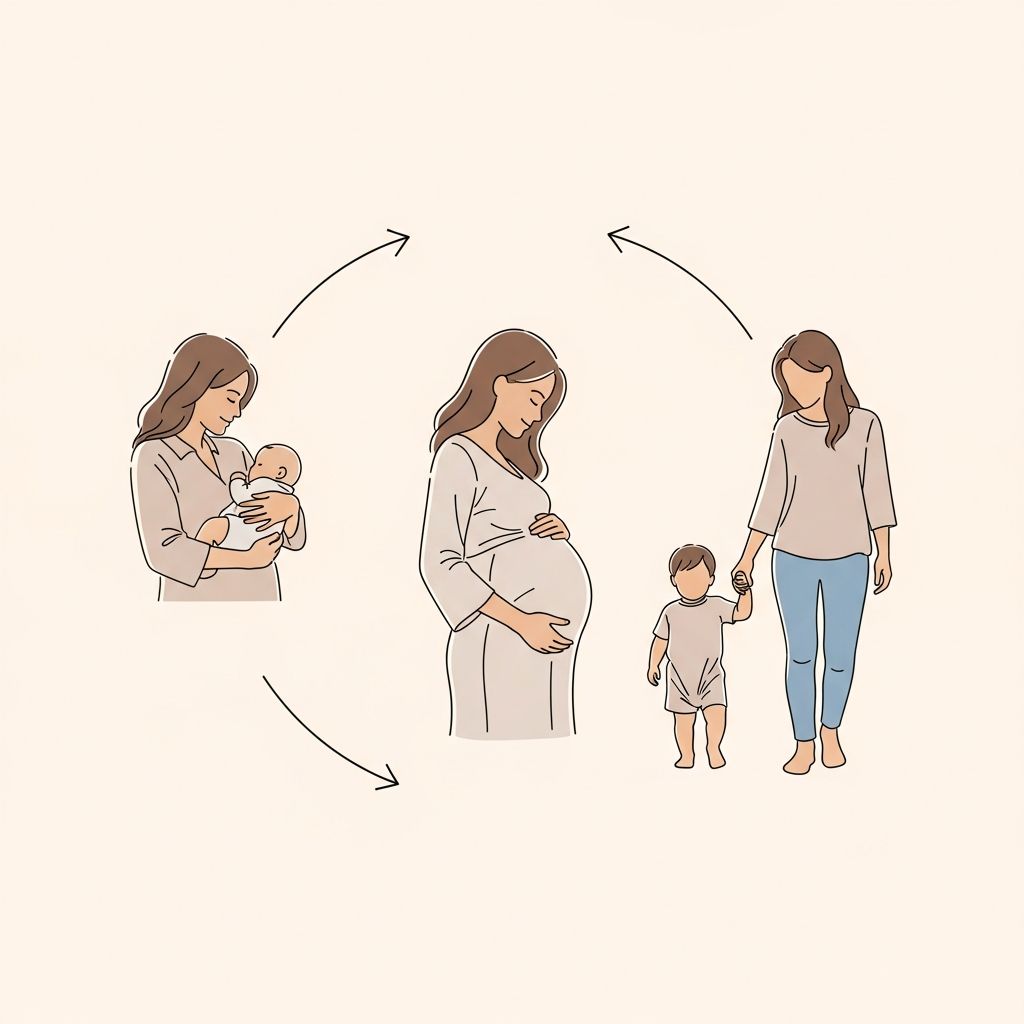
Postpartum depression affects many new mothers, disrupting the joy of welcoming a baby with overwhelming sadness, anxiety, and despair. Yet, countless women have reclaimed their lives through timely intervention, including medication, therapy, and lifestyle adjustments. These narratives reveal that recovery is achievable, often transforming hardship into profound personal growth.
Understanding the Shadows After Birth
The transition to motherhood can bring unexpected emotional turmoil. Postpartum depression (PPD) manifests as persistent low mood, irritability, sleep disturbances, and detachment from the newborn, differing from the fleeting “baby blues” that resolve within weeks. Unlike temporary sadness, PPD can endure for months, impacting bonding and daily functioning if untreated.
Symptoms vary but commonly include intense anxiety about the baby’s safety, feelings of inadequacy, and in severe cases, intrusive thoughts of harm. Risk factors encompass prior mental health issues, traumatic births, lack of support, and hormonal shifts post-delivery. Early recognition is crucial, as untreated PPD heightens risks for both mother and child, including impaired cognitive development in infants.
Personal Journeys: When Darkness Descends
Many mothers recount the initial euphoria of birth giving way to a profound void. One woman described the moment she held her newborn: an instinctive urge to push away, overwhelmed by dread rather than delight. Another faced relentless anxiety, convinced she wouldn’t hear her baby’s cries, leading to exhaustion and isolation.
These experiences highlight PPD’s insidious onset. A lawyer with a history of anxiety found herself tearful and on edge weeks after her son’s arrival, despite prior stability through therapy and medication. Such stories underscore that no one is immune—high-achievers, prepared parents, and those with support networks alike can succumb.
The Turning Point: Seeking Professional Help
Recognition often comes through loved ones or healthcare providers. Husbands or partners frequently notice changes first, urging medical consultation. In one case, a spouse contacted the obstetrician, resulting in an immediate antidepressant prescription that brought swift relief.
Healthcare teams play a pivotal role. Confirmatory diagnoses during follow-ups validate struggles, reassuring mothers they’re not alone. Psychiatrists tailor plans considering breastfeeding, history, and preferences, sometimes starting with non-addictive options before escalating. Admitting oneself to a facility, as one mother did, marks a brave step toward intensive care.
Medication: A Lifeline for Many
Antidepressants like Zoloft (sertraline) and Lexapro (escitalopram) are cornerstones of treatment, safe for breastfeeding when selected carefully. Women report feeling “like themselves again” within weeks, regaining energy to engage with family. One mother, initially resistant due to cultural stigmas, found medication essential after suicidal ideation intensified, emerging as her “best self” within months.
Duration varies; many take it for a year, tapering under supervision to prevent relapse. Benzodiazepines like Klonopin offer short-term sleep aid, despite addiction fears, proving invaluable in crises. Stimulants occasionally boost motivation during nadir phases. These tools don’t signify weakness but empowerment, enabling presence for parenting.
| Common PPD Medications | Benefits | Considerations |
|---|---|---|
| Zoloft (Sertraline) | Reduces anxiety and depression; breastfeeding-compatible | Monitor for initial side effects like nausea |
| Lexapro (Escitalopram) | Improves mood and sleep; fewer interactions | Titrate slowly; effective long-term |
| Klonopin (Clonazepam) | Quick anxiety/sleep relief | Short-term use to avoid dependency |
Therapy and Psychological Support
Cognitive Behavioral Therapy (CBT) complements pharmacology by addressing negative thought patterns. Couples attending sessions together foster mutual understanding and shared strategies. Finding a perinatal mental health-certified (PMH-C) therapist, especially one with lived experience, builds trust and accelerates healing.
Support groups dismantle isolation, validating experiences and offering peer wisdom. One mother credits therapy for processing birth trauma and childhood wounds, unlocking motherhood’s joys. Mindfulness, relaxation exercises, and parenting resources further equip families.
Self-Care: Building Resilience Daily
Holistic practices amplify recovery. Prioritizing six hours of sleep via shifts with partners, nutritious meals, exercise, and social connections elevates mood naturally. Deep breathing and breaks remind mothers self-care enhances parenting, not detracts from it.
- Sleep hygiene: Nap when baby naps; accept help for night feeds.
- Nutrition: Regular, balanced intake combats fatigue.
- Movement: Gentle walks boost endorphins.
- Connection: Talk to friends; join mom groups.
Family and Community: Pillars of Strength
Support networks are transformative. Spouses providing emotional backing, extended family assisting with chores, and friends offering listening ears sustain momentum. Hiring help or enlisting grandparents allows rest, preventing burnout.
These alliances not only aid immediate recovery but cultivate lasting bonds. Mothers often emerge with deeper appreciation for their circles, turning vulnerability into relational depth.
Long-Term Outlook: Thriving Beyond Recovery
Tapering off medication successfully, many sustain wellness through ongoing therapy and lifestyle vigilance. Passion for advocacy blooms; survivors lead support initiatives, preventing others’ silent suffering. PPD reshapes perspectives, fostering resilience and empathy.
Future pregnancies prompt proactive planning with specialists, ensuring preparedness. Ultimately, these ordeals enhance life, teaching joy in simple moments and self-compassion.
Frequently Asked Questions (FAQs)
Is postpartum depression the same as baby blues?
No, baby blues are mild and short-lived (up to two weeks), while PPD is severe, persistent, and requires intervention.
Can I breastfeed while on antidepressants?
Yes, many like Zoloft are safe; consult your doctor for personalized advice.
How long does recovery from PPD take?
Varies from weeks to a year with treatment; consistency speeds progress.
What if I have a history of depression?
Higher risk, but pre-planning with providers improves outcomes.
Are support groups effective?
Highly; they reduce isolation and provide practical tips.
References
- Overcoming postpartum depression: Elaine’s story — UT Southwestern Medical Center. 2023-05-15. https://utswmed.org/medblog/overcoming-postpartum-depression/
- Real Postpartum Healing Stories — Becca Hart Counseling. 2024-02-10. https://beccahartcounseling.com/stories-from-real-women-postpartum-healing/
- Clare’s Story of Recovery From Postpartum Depression — Postpartum Depression.org. 2023-11-20. https://www.postpartumdepression.org/blog/clares-postpartum-depression-recoverystory/
- Samantha’s Maternal Mental Health Story — OC87 Recovery Diaries (YouTube). 2022-08-05. https://www.youtube.com/watch?v=HkQPxeRG4oU
- More Stories of Hope and Healing — Office on Women’s Health (womenshealth.gov). 2024-01-12. https://www.womenshealth.gov/talkingPPD/stories
- Postpartum Depression Treatments: Self-care — YouTube (Health Resource). 2023-03-18. https://www.youtube.com/watch?v=le0_tu-2Ufo