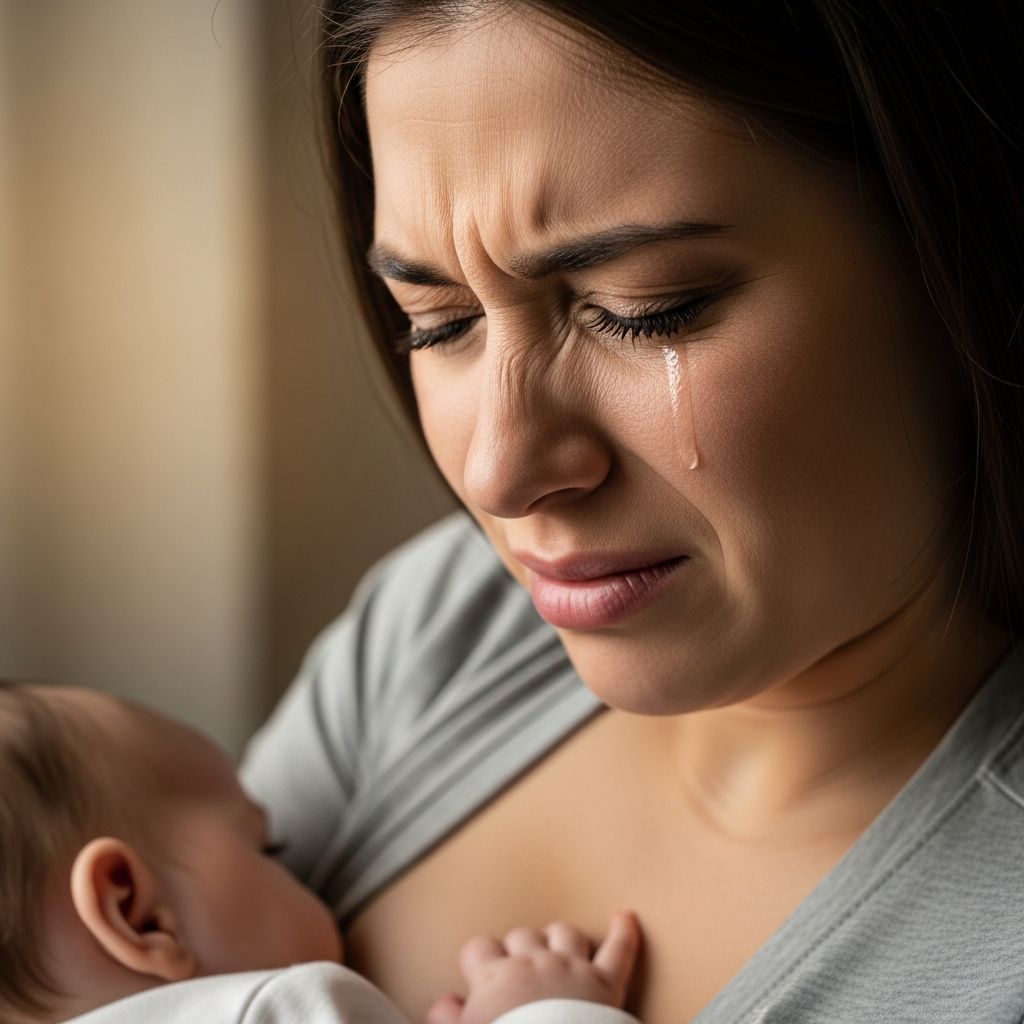
New motherhood brings immense joy but can also trigger profound mental health struggles, particularly when childbirth involves trauma. Many women face a triad of **postpartum depression (PPD)**, **postpartum PTSD (P-PTSD)**, and **postpartum anxiety (PPA)**, which often overlap and intensify each other. Research shows these conditions frequently co-occur, with vast majorities of women experiencing elevated P-PTSD symptoms also reporting PPD. This article delves into their interconnections, symptoms, risk factors, and paths to recovery, inspired by real-life resilience stories.
Understanding the Overlap of Postpartum Mental Health Challenges
Postpartum mental health issues extend far beyond the commonly discussed PPD. Studies reveal that **childbirth-related PTSD (CB-PTSD)** affects up to 18% of new mothers, with symptoms appearing as early as four weeks postpartum. Notably, 57% of sampled women showed elevated PPD symptoms, and nearly all with CB-PTSD also endorsed PPD, suggesting a unified posttraumatic stress-depressive response rather than isolated conditions.
Factor analysis in peer-reviewed research confirms this: symptoms of re-experiencing trauma, avoidance, hyper-arousal, negative thoughts, and depression load onto a single factor, explaining over 67% of variance. Similarly, another study found depressive symptoms in 22% at six weeks postpartum, rising PTSD symptoms from 6% to 14.9% by six months, with persistent co-occurrence in 15% of cases.
Anxiety compounds this, with two-thirds of women with PPD also experiencing an anxiety disorder. Pre-existing mental health histories heighten risks; women with prior depression face elevated chances of both PPD and P-PTSD.
Recognizing Symptoms: What to Watch For
Distinguishing these conditions is crucial, though their overlap blurs lines. Here’s a breakdown:
- PPD Symptoms: Persistent sadness, hopelessness, fatigue, loss of interest in activities, and difficulty bonding with the baby.
- P-PTSD Symptoms: Intrusive memories or flashbacks of birth, nightmares, avoidance of birth-related triggers, hypervigilance, irritability, and detachment.
- PPA Symptoms: Excessive worry, panic attacks, restlessness, and physical tension.
Without intervention, P-PTSD increases risks of isolation, reduced breastfeeding, sexual dysfunction, and reluctance for future pregnancies. Comorbidity leads to greater functional impairment and poorer treatment responses.
| Condition | Prevalence | Key Overlap |
|---|---|---|
| PPD | 11-20% | Co-occurs with 66% anxiety cases |
| P-PTSD | 3-15% | 90%+ also have PPD symptoms |
| PPA | 6-28% | Escalates with depression/PTSD |
Risk Factors: Why Some Births Lead to Trauma
Traumatic births—marked by obstetric complications, emergency cesareans, preterm delivery, or peritraumatic distress—predict comorbid conditions. Subjective experiences, like feeling out of control, amplify risks beyond objective events. Preterm births double comorbidity odds.
Other contributors include intimate partner violence, childhood trauma history, and pre-pregnancy mental health issues. Current violence raises traumatic birth perceptions, feeding into PPD, anxiety, and P-PTSD cycles. Notably, pre-existing PTSD boosts postpartum depression risk, complicating causality.
Personal Journeys: From Darkness to Healing
Imagine welcoming your newborn amid flashbacks of a chaotic delivery: monitors beeping frantically, unexpected interventions, and overwhelming fear. This mirrors countless stories where initial euphoria shatters into persistent dread. One mother’s path involved recognizing denial, seeking therapy, and rebuilding through support networks. Recovery often starts with validation—acknowledging trauma normalizes healing.
Many describe a ‘fog’ of anxiety-fueled hypervigilance, scanning for threats, paired with depressive numbness. Yet, targeted interventions restore clarity. Group therapy fosters community, while self-care routines—gentle walks, journaling—rebuild resilience. These narratives underscore that healing is nonlinear but achievable.
Pathways to Recovery: Treatment and Support Strategies
Effective management addresses the triad holistically. Key approaches include:
- Therapy: Trauma-focused cognitive behavioral therapy (TF-CBT) or eye movement desensitization and reprocessing (EMDR) for P-PTSD; interpersonal therapy for PPD.
- Medication: SSRIs like sertraline, safe for breastfeeding, target depression and anxiety.
- Lifestyle Interventions: Sleep hygiene, nutrition, exercise, and mindfulness reduce symptoms.
- Support Systems: Partner involvement, peer groups, and postpartum doulas provide emotional anchors.
Screening must evolve beyond PPD to include P-PTSD and PPA, as routine care often overlooks trauma. Providers should probe birth experiences in postpartum visits.
Building Resilience: Prevention and Long-Term Wellness
Preparation mitigates risks: childbirth education emphasizing realistic scenarios and advocacy skills empowers women. Continuous labor support from doulas or partners buffers trauma. Postpartum, early screening at 4-6 weeks catches acute stress.
Long-term, foster self-compassion. Journaling reframes birth narratives, shifting from victimhood to survivorship. Community initiatives, like maternal mental health hotlines, bridge gaps. Partners play vital roles—learning symptoms, offering patience, sharing loads.
Future pregnancies? Many reclaim agency through birth plans honoring past traumas, with therapy ensuring readiness.
Frequently Asked Questions (FAQs)
Q: How common is postpartum PTSD?
A: It affects 3-15% of mothers, often co-occurring with PPD in over 90% of cases.
Q: Can a normal birth cause PTSD?
A: Yes, subjective distress—like feeling helpless—triggers it, even without complications.
Q: Does postpartum anxiety always accompany depression?
A: Not always, but two-thirds of PPD cases involve anxiety.
Q: Is treatment safe while breastfeeding?
A: Yes, many therapies and medications like SSRIs are compatible; consult providers.
Q: How long do symptoms last without help?
A: PTSD symptoms can persist or worsen up to six months or longer.
Empowering New Mothers: A Call to Action
Maternal mental health deserves priority. By destigmatizing trauma, enhancing screenings, and providing accessible care, we uplift families. If you’re struggling, reach out—recovery transforms pain into profound strength. Resources abound through organizations like SAMHSA for nationwide support.
References
- Beyond Postpartum Depression: Posttraumatic Stress… — PMC/NCBI. 2020-04-15. https://pmc.ncbi.nlm.nih.gov/articles/PMC7182486/
- Co-occurrence of depression, anxiety, and perinatal posttraumatic… — LSU Health Sciences Center. 2023-01-01. https://digitalscholar.lsuhsc.edu/cgi/viewcontent.cgi?article=1833&context=som_facpubs
- The Link Between Postpartum Depression and PTSD — Psych Central. 2024-06-10. https://psychcentral.com/depression/postpartum-depression-post-traumatic-stress-disorder
- Postpartum PTSD: It’s a Real Thing… — One Medical. 2023-11-20. https://www.onemedical.com/blog/healthy-living/postpartum-ptsd-more-common-than-you-think/
- Childbirth-Related PTSD and Postpartum Depression… — MGH Center for Women’s Mental Health. 2022-05-12. https://womensmentalhealth.org/posts/childbirth-related-ptsd/
- Preferences and Barriers to Counseling… — Frontiers in Psychiatry. 2022-05-25. https://www.frontiersin.org/journals/psychiatry/articles/10.3389/fpsyt.2022.836350/full
- Home | SAMHSA — SAMHSA.gov. 2026-01-15. https://www.samhsa.gov