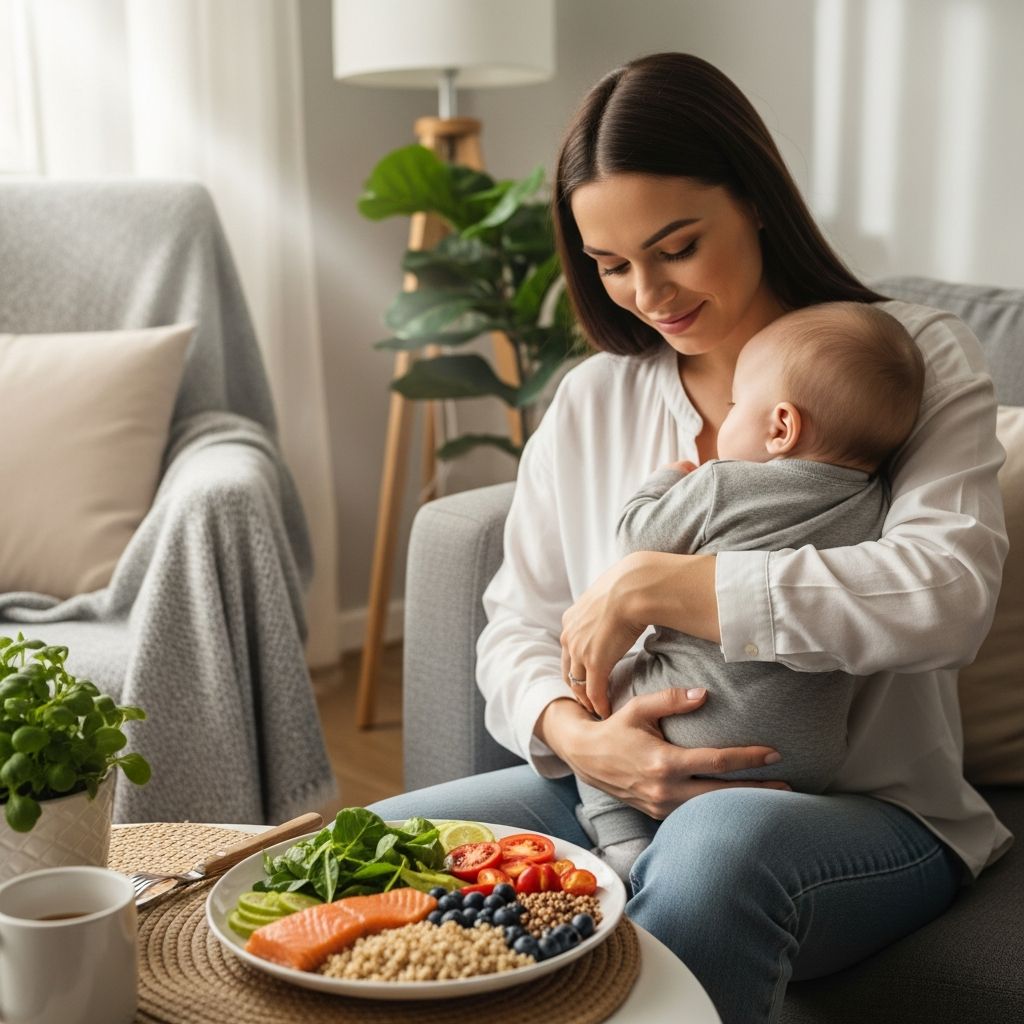
New mothers face unique challenges in the postpartum period, including a heightened risk of depression affecting up to 15% of women. While hormonal shifts and sleep deprivation play roles, emerging research highlights nutrition’s critical influence on mood stability. A diet rich in specific nutrients like omega-3 fatty acids, B vitamins, vitamin D, iron, and zinc can support brain health, reduce inflammation, and promote neurotransmitter production essential for emotional well-being.
This article delves into science-backed dietary approaches, spotlighting powerhouse foods that replenish depleted nutrients post-delivery. By incorporating these into daily meals, mothers can foster resilience against postpartum mood disorders. Studies show balanced eating patterns emphasizing whole foods lower depression prevalence, offering a proactive, accessible strategy alongside medical care.
Understanding the Nutrient-Mood Connection in Postpartum Recovery
Postpartum depression (PPD) arises from complex interactions between biology, environment, and lifestyle. Nutrient deficiencies exacerbate symptoms, as pregnancy and breastfeeding deplete key reserves. For instance, omega-3 fatty acids like DHA transfer to breast milk, potentially leaving maternal stores low and impairing brain function. Similarly, low iron levels correlate with fatigue, stress, and cognitive fog, while vitamin D shortages link to low energy and mood dips.
Research from peer-reviewed sources confirms dietary interventions’ promise. A systematic review found seafood consumption protective against PPD due to omega-3 content. B vitamins aid serotonin and dopamine synthesis, vital for mood regulation. Zinc, concentrated in the brain, combats anxiety when levels are adequate. Adopting a Mediterranean-style diet—fruits, vegetables, fish, grains, legumes—reduces PPD risk by curbing inflammation and stabilizing blood sugar.
- Key Insight: Prioritize anti-inflammatory foods to mimic pregnancy’s protective effects postpartum.
- Action Step: Aim for diverse, colorful plates to cover micronutrient needs.
Omega-3 Powerhouses: Fatty Fish and Plant Alternatives
Omega-3s, particularly EPA and DHA, exhibit antidepressant properties by modulating inflammation and supporting neural membranes. Prenatal supplementation may cut PPD risk, with fish oil at 1,000 mg DHA+EPA daily showing benefits, especially EPA-dominant formulas. Cold-water fish like salmon, sardines, tuna, and mackerel provide bioavailable forms, but limit high-mercury options.
Plant sources include walnuts, flaxseeds, chia seeds, and dark leafy greens, though conversion to DHA is less efficient. Studies link higher seafood intake to lower national PPD rates, underscoring its role.
| Food Source | Omega-3 Content (per 100g) | PPD Benefit |
|---|---|---|
| Wild Salmon | 2.2g DHA/EPA | Enhances brain function, reduces symptoms |
| Sardines | 1.5g | Low-mercury, inflammation fighter |
| Walnuts | 9g ALA | Plant-based mood support |
| Flaxseeds | 22g ALA | Fiber bonus for gut health |
Incorporate 2-3 servings weekly. Grill salmon with herbs or blend walnuts into smoothies for easy integration.
Vital Vitamins: B-Complex and D for Brain Health
B vitamins, especially B6, B12, and folate, are indispensable for neurotransmitter production. Low B6 links to poorer antidepressant response and higher depression risk. Sources abound in eggs, fortified cereals, leafy greens, and meats. Vitamin D, often deficient postpartum, bolsters immunity and calcium uptake; shortages tie to PPD and fatigue.
Fatty fish, egg yolks, fortified dairy/orange juice, and UV-exposed mushrooms deliver it. Full-fat Greek yogurt stands out, with studies associating whole-fat varieties to lower depression rates. One cohort of over 14,000 women found high yogurt intake protective.
- Eggs: Protein + B-vits + D; opt for DHA-enriched.
- Fortified dairy: Steady energy, bone support.
- Leafy greens: Folate for serotonin boost.
Iron and Protein: Building Blocks for Energy and Stability
Iron deficiency plagues postpartum women due to blood loss, linking to depression via impaired oxygen transport and dopamine function. Proteins rebuild tissues, stabilize glucose, and heal wounds. Heme sources like lean beef, lamb, liver, and shellfish excel in absorption.
Non-heme options—lentils, beans, spinach, nuts, seeds, fortified grains—pair with vitamin C for uptake. Legumes offer fiber too, aiding digestion and blood sugar control, crucial for mood.
Zinc from similar foods (oysters, beef, chickpeas, pumpkin seeds) reduces anxiety; supplementation shows PPD symptom relief. A balanced intake prevents deficiencies compounding stress.
Whole Grains and Fiber: Sustained Energy and Serotonin Support
Whole grains like oats, brown rice, quinoa, and whole wheat pasta fuel steady energy via complex carbs and fiber. They elevate serotonin, the ‘happy chemical,’ while providing iron, B vitamins, and zinc. Studies affirm their role in mood stabilization and inflammation reduction.
Combine with fruits/veggies for antioxidants; berries particularly lower PND rates. Avoid refined carbs/sugars that spike then crash mood.
Building a Postpartum Mood-Boosting Meal Plan
Practical application maximizes benefits. Sample daily plan:
- Breakfast: Greek yogurt parfait with walnuts, berries, chia seeds.
- Lunch: Lentil soup with spinach, whole grain bread.
- Snack: DHA eggs or fortified cereal with milk.
- Dinner: Baked salmon, quinoa, kale salad.
- Dessert: Dark chocolate (mood enhancer via flavonoids).
Hydrate well; limit caffeine/salt. Consult physicians for supplements, especially if vegetarian or deficient.
Frequently Asked Questions (FAQs)
What if I can’t eat fish due to mercury concerns or veganism?
Choose low-mercury options like salmon/sardines 2x/week or algae-based DHA supplements. Plants like flax/chia provide ALA; pair with balanced diet.
Can diet alone cure postpartum depression?
No, but it significantly aids prevention/management. Combine with therapy, support, and medical advice for comprehensive care.
How soon postpartum should I focus on these foods?
Immediately, as nutrient demands peak early. Start with easy snacks like nuts/yogurt.
Are fortified foods safe while breastfeeding?
Yes, they add essential nutrients without excess. Check labels for non-GMO options.
What’s the link between gut health and PPD?
Fiber-rich foods like legumes/grains support microbiome, influencing 90% of serotonin production via gut-brain axis.
Potential Pitfalls and Holistic Tips
Avoid Western diets high in processed foods/sugars, which inflame and destabilize mood. Lean proteins (chicken, turkey) boost dopamine/endorphins. Sun exposure aids vitamin D. Track intake; apps help monitor nutrients.
PPD affects 15% globally; nutrition empowers prevention. Pair with sleep, exercise, social support for optimal results.
References
- Proper Diet for Postpartum Depression — Americord Registry. 2023. https://www.americordblood.com/articles/postpartum-nutrition-how-proper-diet-can-help-with-postpartum-depression
- 5 Foods to Fight Postpartum Depression — Motherly. 2023. https://www.mother.ly/postpartum/5-foods-to-help-keep-postpartum-depression-at-bay/
- Harnessing food’s healing power — Baylor Scott & White Health. 2024-07-29. https://www.bswhealth.com/blog/harnessing-foods-healing-power
- The Association between Post-Partum Depression and Nutrition — PMC (NIH). 2024. https://pmc.ncbi.nlm.nih.gov/articles/PMC11296595/
- Nutritional factors and cross-national postpartum depression — Frontiers in Psychiatry. 2023. https://www.frontiersin.org/journals/psychiatry/articles/10.3389/fpsyt.2023.1193490/full
- Treating Postpartum Depression — U.S. Department of Veterans Affairs (VA.gov). 2023. https://www.va.gov/WHOLEHEALTHLIBRARY/tools/treating-postpartum-depression.asp