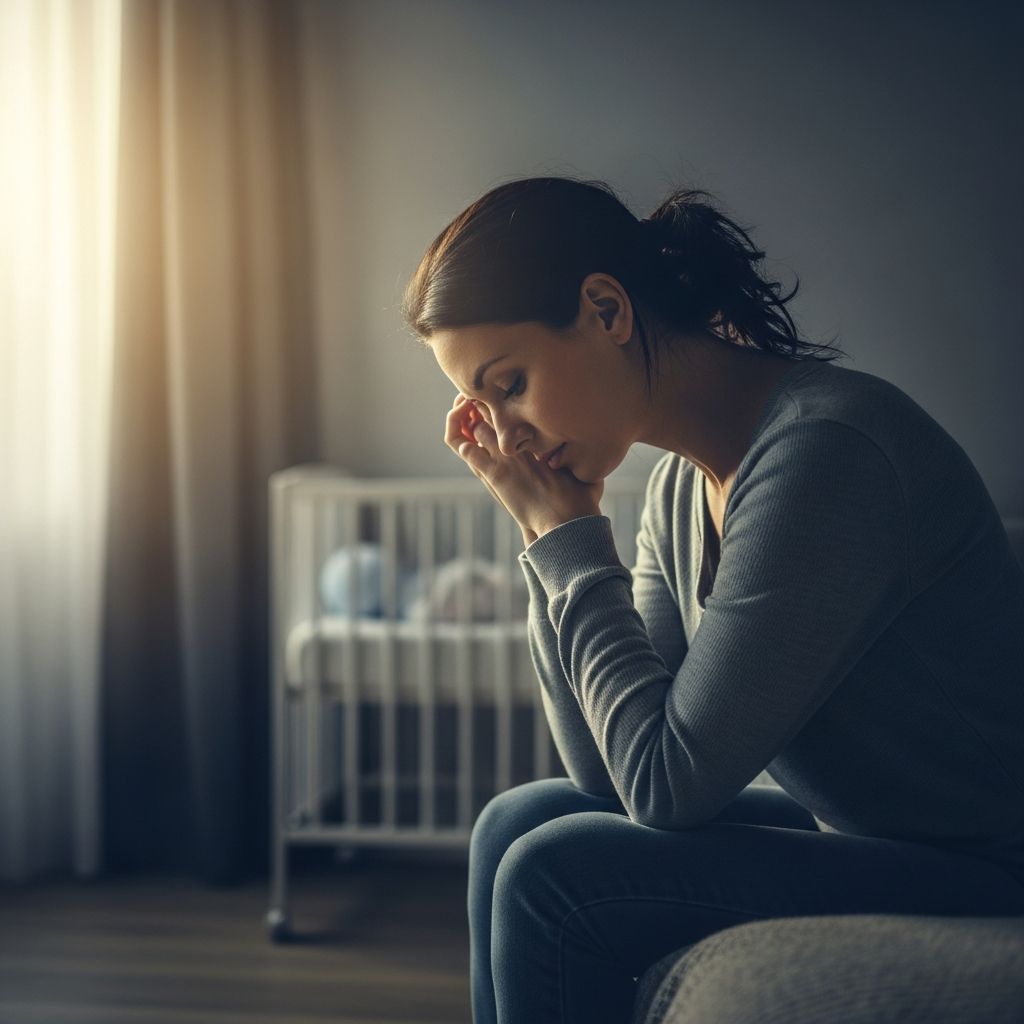
New motherhood brings profound joy but also unseen challenges. Many women face postpartum depression and anxiety in isolation, mistaking their pain for normal adjustment.
Understanding the Hidden Toll of New Motherhood
The transition to motherhood involves massive hormonal shifts, sleep loss, and identity changes. These factors heighten vulnerability to mental health issues during the perinatal period, from pregnancy to one year postpartum. Conditions like depression, anxiety, PTSD, OCD, and rarely psychosis emerge amid physical recovery and newborn demands.
Social pressures amplify this. Mothers often feel compelled to embody endless happiness, viewing struggles as personal failures. This leads to guilt and shame, silencing many who suffer quietly.
Common Signs and Symptoms New Moms Experience
Postpartum mood and anxiety disorders (PMADs) manifest subtly at first. Recognizing them early is crucial for intervention.
- Unexpected crying spells without clear triggers
- Emotional numbness or difficulty bonding with the baby
- Intense irritability, snapping at family, or social withdrawal
- Persistent self-doubt, like ‘I’m failing as a mom’
- Mourning pre-baby life or identity loss
- Overwhelming anxiety, irrational fears, or panic attacks
- Sleep disturbances beyond newborn wake-ups, like night-time dread
These differ from ‘baby blues,’ which resolve in two weeks. PMADs last longer and intensify, affecting 1 in 8 women per CDC data.
Personal Accounts: Voices from the Shadows
Real stories illuminate the isolation. One mother, after her first child, dismissed overwhelming stress as fatigue. By her second, anxiety dominated her days and nights, waking her in terror despite exhaustion.
Another felt detached from her newborn, as if caring for a stranger. Irrational panics gripped her—fearing harm to her partner—robbing joyful moments. A third described a ‘quiet unraveling,’ leaking energy amid expected bliss.
These narratives reveal a pattern: initial denial, deepening despair, and eventual breakthroughs through sharing. They underscore that suffering in silence prolongs pain.
Risk Factors That Heighten Vulnerability
Not all mothers experience PMADs, but certain elements increase risk. Understanding them aids prevention and early action.
| Risk Category | Examples | Impact |
|---|---|---|
| Biological | Hormonal fluctuations, traumatic birth, pre-existing conditions | Triggers chemical imbalances |
| Psychological | Perfectionism, history of anxiety/depression | Amplifies self-judgment |
| Social | Lack of support, isolation, unrealistic expectations | Fosters shame and silence |
| Lifestyle | Sleep deprivation, multiple births, financial stress | Exacerbates exhaustion |
Traumatic births or prior mental health issues compound risks, yet routine check-ups often overlook screening.
The Invisible Burden: Why Silence Persists
Cultural narratives glorify motherhood as pure bliss, marginalizing struggles. Mothers internalize this, fearing judgment if they admit pain. The ‘invisible load’—constant mental tallying of needs, second-guessing—drains without notice.
Healthcare gaps worsen this. Standard postpartum visits focus on physical health, sidelining mental checks. Many leave feeling unseen, navigating crises alone.
Steps Toward Healing and Reclaiming Joy
Recovery is possible with targeted support. Healing rebuilds connection to self and baby.
- Self-Recognition: Track symptoms; journal moods to spot patterns.
- Professional Help: Therapy addresses grief, tools manage anxiety spikes.
- Medical Options: Antidepressants or new treatments like zuranolone for severe cases.
- Support Networks: Share with trusted circles; join PMAD groups.
- Self-Care Practices: Prioritize rest, nutrition, grounding exercises.
One mother found light step-by-step, regaining strength post-third child. Therapy helped another feel seen, confronting perfectionism.
Building a Supportive Ecosystem for Mothers
Change requires systemic shifts. Universal mental health screening at postpartum visits, trained providers, and community programs are essential.
Partners and families play key roles: listen without fixing, encourage help-seeking, share household loads. Advocacy pushes for policy reforms, like extended paid leave and accessible care.
Frequently Asked Questions (FAQs)
What distinguishes baby blues from postpartum depression?
Baby blues are mild, short-lived (up to 2 weeks). PPD involves severe, persistent symptoms lasting weeks or months, often needing treatment.
How common is postpartum anxiety?
It affects many new mothers, often alongside depression. Rates vary, but perinatal anxiety impacts up to 10-20%.
Can fathers experience similar issues?
Yes, paternal postpartum depression occurs in 10% of new fathers, with overlapping symptoms.
What if I’m having suicidal thoughts?
Seek immediate help: call 988 Suicide & Crisis Lifeline or visit ER. You’re not alone; support exists.
Does therapy really help with PMADs?
Yes, cognitive-behavioral therapy (CBT) and interpersonal therapy effectively reduce symptoms, fostering emotional integration.
Empowering Mothers: A Call to Collective Action
Breaking silence transforms lives. By sharing stories, pushing for better care, and normalizing struggles, we create space for authentic motherhood. Every mother deserves to thrive, not just survive.
(Word count: 1678)
References
- From Silence to Support: Changing the Story on Maternal Mental Health — Behavioral Health News. 2023. https://behavioralhealthnews.org/from-silence-to-support-changing-the-story-on-maternal-mental-health/
- The Silent Grief of New Motherhood: How Postpartum Depression Therapy Can Help — Mindful Soul Wellbeing. 2024. https://mindfulsoulwellbeing.com/the-silent-grief-of-new-motherhood-how-postpartum-depression-therapy-can-help-you-feel-like-you-again/
- A Mother’s Story: Postpartum Anxiety and Suicidal Thoughts — Policy Center for Maternal Mental Health. 2025. https://policycentermmh.org/a-mothers-story-postpartum-anxiety-and-suicidal-thoughts-and-the-need-to-do-more-than-screen/
- Postpartum Depression: Caitlin’s Story — Biogen. 2023. https://www.biogen.com/stories/postpartum-depression-caitlins-story.html
- Ariel’s Story: Finding Light After Postpartum Depression — Postpartum Support International. 2024. https://postpartum.net/ariels-story-finding-light-after-postpartum-depression/
- Substance Abuse and Mental Health Services Administration (SAMHSA) — U.S. Department of Health and Human Services. 2026. https://www.samhsa.gov