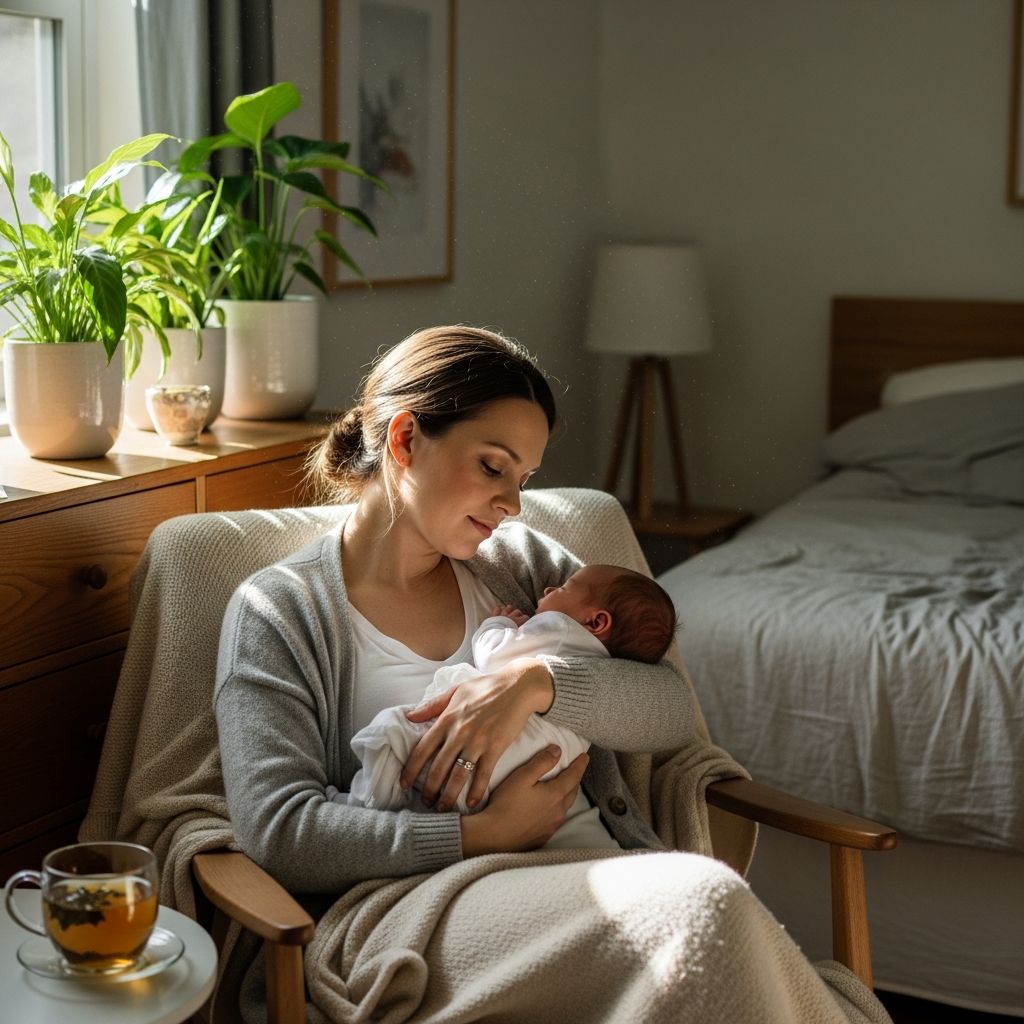
New mothers worldwide benefit from time-honored traditions that emphasize rest, nourishment, and communal support during the vulnerable postpartum period. In contrast, the U.S. often leaves women to navigate recovery alone after a brief hospital stay and a single follow-up visit, contributing to high rates of maternal health challenges. This article delves into diverse global practices, highlighting key elements like extended rest periods, family involvement, and holistic therapies that could transform American postpartum care.
The Universal Need for Postpartum Recovery
Childbirth places immense physical and emotional demands on the body, requiring dedicated recovery time to prevent complications like postpartum hemorrhage, infection, or mental health issues. A qualitative systematic review of postpartum practices across 20 countries found consistent themes: a defined rest period of 3-5 weeks, specialized diets, and organized family or community support. These elements help mothers heal while bonding with their newborns.
In many non-Western societies, the postpartum phase—often lasting 30 to 40 days—is treated as a sacred time of confinement and care. Mothers are insulated from daily stresses, allowing physiological recovery and emotional adjustment. Western cultures, particularly the U.S., lack such structured support, with many women returning to work or chores within weeks, exacerbating exhaustion and isolation.
Asia’s Confinement Traditions: Rest and Rejuvenation
Asian cultures excel in postpartum confinement practices that prioritize warmth, nutrition, and professional care to restore balance.
- China’s Zuò Yuè Zi (Sitting the Moon): New mothers observe a 30-40 day indoor period, avoiding cold foods, wind, and baths to prevent ‘cold’ entering the body—a concept rooted in traditional Chinese medicine. Family provides ginger-infused meals to boost lactation and warmth, while confinement nannies (yuesao) offer massages and guidance. Modern centers provide luxurious recovery with nursing support.
- India’s Jaapa: During this 40-day seclusion, mothers rest fully, cared for by elders who prepare nutrient-dense foods like laddoos (sesame balls) and herbal drinks. Warm oil massages aid uterine involution and relieve pain, drawing from Ayurvedic principles. In Kerala, trained masseurs extend care to 6 weeks, teaching infant massage techniques.
- South Korea’s Sanhujori: A 21-day recovery involves staying indoors, eating seaweed soup (miyeok-guk) for its iron and healing properties, and receiving massages. Specialized centers now offer hotel-like facilities with education on breastfeeding and pelvic health.
These practices align with evidence that rest and nutrition reduce postpartum depression risk and improve breastfeeding success.
African and Latin American Family-Centered Care
In Africa and Latin America, extended family steps in as the primary support system, providing hands-on assistance and cultural wisdom.
- Nigeria’s Omugwo: For 30 days, the mother’s own mother or mother-in-law takes over household duties, cooking spicy pepper soups and fermented pap to promote healing and lactation. Hot baths and massages soothe the body, while sharing childcare knowledge builds confidence.
- Mexico’s Partera Care: Traditional midwives deliver postpartum massages with herbal remedies, focusing on abdominal binding to support organ recovery. Family ensures the mother eats warming foods and rests.
- Brazil’s Resguardo: A 40-day break from activities includes staying indoors, with family preparing healing meals. Abdominal sashes (faixas) are common for posture and recovery.
Such intergenerational support not only aids physical healing but fosters emotional resilience, contrasting U.S. nuclear family isolation.
European Models: Professional and Integrated Support
Europe integrates postpartum care into national health systems, blending professional visits with family aid.
- Netherlands’ Kraamverzorgster: A trained maternity nurse visits home for 8-10 days post-discharge, performing 24+ hours of care: monitoring health, teaching newborn care, cleaning, and light cooking. This reduces readmissions and supports early recovery.
- Sweden’s Midwife Home Visits: Unlimited visits in the first week (more if needed) cover breastfeeding, mental health screening, and physical checks—all insurance-covered.
- France’s Comprehensive Package: In-home nursing plus automatic pelvic floor therapy referrals address long-term issues like incontinence.
- Japan’s Satogaeri Bunben: Mothers return to family homes for 8-12 weeks, where grandparents handle chores and baby care, allowing deep rest.
These systems treat postpartum recovery like any major surgery, with structured rehab—unlike the U.S.’s 6-week checkup gap.
Why U.S. Postpartum Care Lags Behind
A 2018 ACOG report notes U.S. mothers endure a support void post-discharge, with no routine home visits and pressure to resume normalcy quickly. Outcomes reflect this: the U.S. maternal mortality rate is 23.8 per 100,000 births—far higher than peer nations. Cultural practices worldwide offer solutions:
| Practice Element | Global Examples | U.S. Gap | Potential Benefit |
|---|---|---|---|
| Confinement Period | China (40 days), India (40 days) | No mandated rest | Reduces fatigue, infections |
| Family/Community Support | Nigeria (Omugwo), Japan (family home) | Limited networks | Lowers depression risk |
| Professional Massages/Therapy | Mexico, South Korea centers | Rarely covered | Aids pain relief, healing |
| Home Visits | Netherlands, Sweden | One visit at 6 weeks | Early issue detection |
Immigrant mothers in the U.S. often adapt traditions like “doing-the-month,” but face barriers like lack of family or cultural misunderstanding. Providers should assess needs prenatally for culturally sensitive care.
Adapting Global Practices for American Families
U.S. parents can incorporate these lessons without full cultural adoption.
- Organize a “postpartum pod” of friends/family for meal trains and chore relief.
- Invest in postpartum doulas for massages and navigation, akin to yuesao or kraamverzorgster.
- Prioritize nutrient-rich foods: bone broths, soups mirroring global diets.
- Advocate for policy changes: paid family leave, home visits, pelvic therapy coverage.
Evidence supports modification for practicality—e.g., shorter confinements with tech aids like virtual check-ins.
Frequently Asked Questions (FAQs)
What is the typical length of postpartum confinement worldwide?
Most cultures designate 30-40 days, universally recognized as the postnatal period for rest and recovery.
Can U.S. mothers follow confinement practices?
Yes, by adapting with family help or doulas; studies show benefits even in modified forms.
How do massages aid postpartum recovery?
They promote circulation, reduce swelling, and support uterine contraction, as in Indian and Chinese traditions.
Why is family support crucial in these rituals?
It provides practical aid and emotional buffering, reducing isolation common in Western settings.
What policy changes could improve U.S. care?
Mandated home visits, extended leave, and therapy access, modeled on Europe.
(Word count: 1678)
References
- Postnatal rituals from around the world — The Mindful Birth Group. 2023. https://www.themindfulbirthgroup.com/parents/blog/postnatal-rituals-from-around-the-world/
- Immigrant Southeast and East Asian mothers’ transnational postpartum cultural practices — PMC/NCBI. 2021-11-18. https://pmc.ncbi.nlm.nih.gov/articles/PMC8606925/
- Traditional postpartum practices and rituals: a qualitative systematic review (2007) — Embryo Project Encyclopedia (Arizona State University). 2018. https://embryo.asu.edu/pages/traditional-postpartum-practices-and-rituals-qualitative-systematic-review-2007-cindy-lee
- Postpartum Practices From 8 Countries That Will Make You Consider Moving — Open Arms Pregnancy Services. 2023-01. https://openarmsps.org/2023/01/postpartum-practices-from-8-countries-that-will-make-you-consider-moving/
- What Postpartum Care Looks Like Worldwide, and How the U.S. Is Missing the Mark — Healthline. 2023. https://www.healthline.com/health/pregnancy/what-post-childbirth-care-looks-like-around-the-world-and-why-the-u-s-is-missing-the-mark
- Postpartum Traditions Around The World — The Tenth Wellness. 2023. https://www.tenthwellness.com/blog/postpartum-traditions-around-the-world
- What does postpartum care look like around the world? — Maven Clinic. 2023. https://www.mavenclinic.com/post/what-does-postpartum-care-look-like-around-the-world