The postpartum period brings significant physical changes, particularly in the breasts as they adjust to lactation and milk production. Many new mothers experience uncomfortable breast-related conditions during this time, ranging from excessive swelling to infections and fungal complications. Understanding these conditions and knowing how to manage them effectively can help new parents navigate breastfeeding more comfortably and successfully. This guide explores three common postpartum breast challenges and provides practical, evidence-based strategies for relief and recovery.
Understanding Breast Engorgement: Causes and Timing
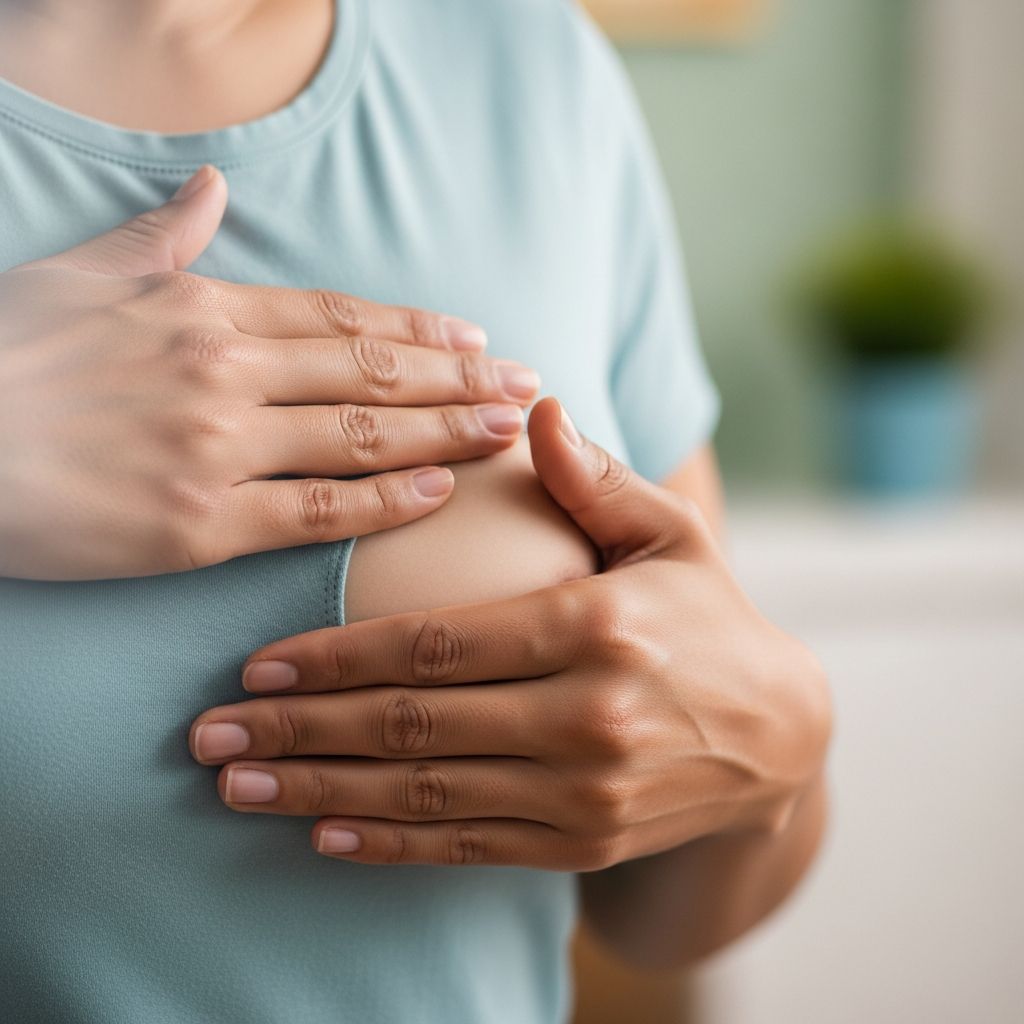
Breast engorgement represents a natural physiological response that typically begins within the first few days after delivery as milk production increases. During this period, the breasts receive additional blood flow and fluid to support milk synthesis, resulting in noticeable swelling, firmness, and discomfort. This condition most commonly peaks around the fifth day postpartum and generally resolves within two weeks without requiring specialized medical intervention.
The distinction between engorgement and mastitis is important for proper management. Engorgement is a temporary inflammatory response to increased milk production, whereas mastitis involves bacterial infection and requires different treatment approaches. While engorgement causes general swelling across the breast tissue, mastitis typically presents with localized pain, redness, and systemic symptoms such as fever and chills.
Effective Strategies for Engorgement Relief
Managing engorgement successfully involves supporting the body’s natural fluid movement while maintaining adequate milk removal. The following evidence-based approaches can significantly reduce discomfort:
- Optimize feeding patterns: Continue breastfeeding or pumping based on your infant’s actual needs rather than attempting to empty the breasts completely. Paradoxically, completely emptying the breasts signals the body to produce more milk, perpetuating the engorgement cycle. Instead, focus on responsive feeding that aligns with your baby’s hunger cues.
- Use reverse pressure softening: This specialized technique involves applying gentle, consistent pressure around the areola to move fluid away from the nipple area, facilitating better baby latch. Apply steady pressure in a circular pattern around the areola for one to three minutes before each feeding session. Your healthcare provider can demonstrate proper technique to ensure effectiveness.
- Apply therapeutic cold: After completing a breastfeeding session, apply cold packs directly to the breast tissue for 15-20 minutes. Cold therapy reduces inflammation and provides temporary numbing relief. Avoid applying cold immediately before feeding, as this can temporarily decrease milk flow.
- Employ manual lymphatic drainage: This gentle massage technique uses small circular motions in the underarm and collarbone areas, followed by sweeping motions from the nipple toward the lymph nodes. This approach improves lymphatic circulation and reduces swelling. Healthcare providers or lactation specialists can teach this technique for independent home use.
- Try side-lying positioning: Breastfeeding while lying on your side can improve baby comfort and latch quality when breast tissue is significantly swollen, making this position particularly beneficial during peak engorgement periods.
- Wear appropriate support: A well-fitting, supportive bra maintains steady pressure that helps keep fluid circulating through the breast tissue, preventing fluid pooling that worsens swelling. Contrary to common myths, proper bra support does not increase mastitis risk and provides essential comfort during engorgement.
Pain Management During Engorgement
Over-the-counter pain relievers can provide important symptomatic relief during peak engorgement. Ibuprofen and acetaminophen are both safe during breastfeeding and do not harm infants. Following your healthcare provider’s dosing guidance ensures optimal pain control while maintaining safety. These medications work best when taken consistently rather than only when discomfort becomes severe.
Mastitis: Recognizing Infection and Pursuing Treatment
Mastitis represents a breast tissue infection that occurs when bacteria enter through compromised nipple skin or when blocked milk ducts create an environment supporting bacterial growth. This condition presents differently from simple engorgement, with symptoms typically including localized breast pain, redness, swelling in a specific area, and systemic signs such as fever, chills, and body aches.
Antibiotic Therapy and Medical Management
Unlike engorgement, mastitis requires medical intervention and typically necessitates antibiotic treatment. A 10-day course of antibiotics significantly reduces infection duration and prevents serious complications such as breast abscess formation. Common antibiotic options include flucloxacillin and clindamycin for standard infections. For patients with penicillin allergies or when methicillin-resistant Staphylococcus aureus (MRSA) infection is suspected, healthcare providers may prescribe alternative antibiotics such as trimethoprim-sulfamethoxazole. Importantly, all antibiotics commonly prescribed for mastitis are safe for breastfeeding mothers and do not harm nursing infants.
Most women notice symptom improvement within 2-3 days of starting antibiotic therapy. If symptoms persist beyond 48 hours or worsen, contact your healthcare provider immediately, as this may indicate inadequate antibiotic coverage or developing complications requiring additional intervention.
Complementary Mastitis Management Strategies
While antibiotics address the underlying infection, several supportive measures enhance recovery and promote comfort:
- Maintain frequent breastfeeding: Nursing every 2 hours, particularly starting with the affected breast when the baby is most actively sucking, helps clear blocked ducts and remove bacteria-laden milk. Babies naturally suck harder at the beginning of a feeding session, and this stronger suction effectively dislodges milk clogs contributing to mastitis.
- Warm compress application: Before breastfeeding or pumping, place a warm, moist cloth on the affected breast for several minutes. Heat increases blood flow, promotes milk flow, and facilitates complete breast drainage during feeding.
- Gentle massage techniques: During breastfeeding, lightly massage the affected area using gentle motions moving toward the nipple. Avoid vigorous squeezing or hard pressure, which can worsen inflammation and tissue damage.
- Vary feeding positions: Rotating between different breastfeeding positions ensures all breast tissue regions are thoroughly emptied, as different positions optimize drainage from different lobes.
- Pain management: Over-the-counter pain relievers provide symptomatic relief and allow better sleep, which supports immune function and recovery. These medications are safe during breastfeeding.
- Adequate hydration: Breastfeeding mothers require approximately 16 cups of fluid daily. Increased fluid intake supports milk production and helps maintain overall health during infection recovery. Water, milk, herbal tea, and other beverages all contribute to daily fluid intake.
Thrush Complications in Nursing Mothers
Thrush, caused by Candida albicans fungal overgrowth, can develop in nursing mothers and their infants, creating a challenging cycle where reinfection easily occurs between mother and baby. Mothers typically experience persistent nipple pain, burning sensations, and sharp pain during and between feedings. Unlike bacterial mastitis, thrush does not produce fever or systemic illness, though the localized pain can be quite intense.
Treatment Approaches for Candida Mastitis
Antifungal therapy forms the foundation of thrush treatment. Topical nystatin applications directly to affected nipple areas, combined with oral fluconazole, effectively addresses most cases. Standard treatment protocols involve oral fluconazole at 150 mg daily for seven days, though persistent cases may require extended therapy lasting two weeks or longer. If pain continues despite initial treatment, healthcare providers may recommend oral nystatin as an alternative approach.
A critical aspect of thrush management involves treating both mother and infant simultaneously to prevent recurring reinfection. Infants require antifungal treatment regardless of visible symptoms, as they may harbor asymptomatic fungal colonization. Modern evidence suggests that neither sterilizing pump parts nor avoiding milk expression during thrush treatment is necessary, simplifying management for busy nursing mothers.
Risk Factor Modification
Successfully eliminating thrush requires identifying and addressing underlying risk factors. Antibiotic use, whether by mother or infant, can disrupt normal bacterial flora and allow fungal overgrowth. Discuss with your healthcare provider whether continuing current antibiotics is necessary or if alternatives exist. Poor latch quality, which creates nipple trauma and provides fungal entry points, warrants evaluation by a lactation consultant. Additionally, maintaining appropriate nipple hygiene and ensuring complete breast drying between feedings helps create an environment less favorable for fungal growth.
Preventing Postpartum Breast Complications
Proactive prevention strategies significantly reduce the likelihood of developing these uncomfortable conditions. Mastering proper breastfeeding technique from the beginning ensures efficient milk removal and minimizes trauma to delicate nipple tissue. Many hospitals offer lactation support before discharge; utilizing these services establishes strong feeding foundations.
Maintaining well-fitted, supportive undergarments throughout the postpartum period prevents breast engorgement progression and reduces mastitis risk. Avoiding delayed feeding between sessions prevents excessive pressure buildup that creates conditions favoring both engorgement and infection. Additionally, staying adequately hydrated, getting sufficient rest, and managing stress all support immune function and reduce infection susceptibility.
When to Seek Professional Medical Attention
While many postpartum breast conditions improve with home management, certain situations warrant prompt professional evaluation:
- Engorgement symptoms that worsen or persist beyond two weeks postpartum
- Fever, chills, or systemic illness signs accompanying breast pain
- Mastitis symptoms that fail to improve within 48 hours of antibiotic initiation
- Visible abscess formation or pus drainage from the breast
- Thrush pain unresponsive to antifungal therapy after one week of treatment
- Any concern regarding infant feeding adequacy or infant thrush symptoms
Key Differences: Engorgement vs. Mastitis vs. Thrush
| Condition | Typical Onset | Key Symptoms | Associated Fever | Treatment Approach |
|---|---|---|---|---|
| Engorgement | Days 2-4 postpartum | Breast swelling, firmness, general discomfort | No | Frequent feeding, cold therapy, reverse pressure softening |
| Mastitis | Typically after first week | Localized pain, redness, fever, chills, body aches | Yes, usually present | Antibiotics, frequent feeding, warm compresses, pain relief |
| Thrush | Variable timing | Persistent nipple pain, burning, sharp shooting pain | No | Antifungal medication (topical and oral), risk factor modification |
Frequently Asked Questions
Q: Will wearing a supportive bra cause mastitis?
A: No, this is a common myth. Properly fitting bras without underwire actually help prevent mastitis by maintaining steady pressure that keeps milk flowing through breast tissue and prevents fluid pooling that could lead to infection.
Q: Is it safe to continue breastfeeding if I have mastitis?
A: Yes, continuing to breastfeed is not only safe but strongly encouraged. Frequent breastfeeding on the affected side helps clear the infection and supports recovery. Antibiotics used for mastitis are safe for breastfeeding infants and do not cause harm.
Q: Why does pumping make engorgement worse?
A: When breasts are completely emptied through pumping, the body responds by producing more milk to meet this perceived demand. This increased milk production perpetuates the engorgement cycle. Instead, remove only small amounts if needed for comfort, while maintaining responsive feeding based on your baby’s actual needs.
Q: How long does thrush treatment typically take?
A: Standard antifungal treatment typically lasts 7-14 days. If symptoms persist after this period, contact your healthcare provider, as extended treatment or alternative antifungal medications may be necessary.
Q: Can I express and store milk during a thrush infection?
A: Yes, modern evidence shows that expressing and storing milk during thrush is safe and unnecessary to avoid. Previous recommendations against this practice are no longer supported by current research.
Q: What daily fluid intake should I maintain while breastfeeding?
A: Experts recommend approximately 16 cups of fluids daily for breastfeeding mothers. This can include water, milk, juice, herbal tea, and other beverages. Adequate hydration supports milk production and general health, particularly during infection recovery.
References
- Breast Engorgement: Causes, Complications & Treatment — Cleveland Clinic. 2024. https://my.clevelandclinic.org/health/diseases/breast-engorgement
- Mastitis – Diagnosis and Treatment — Mayo Clinic. 2024. https://www.mayoclinic.org/diseases-conditions/mastitis/diagnosis-treatment/drc-20374834
- Breast Infection (Mastitis): Symptoms, Causes, Treatments — WebMD. 2024. https://www.webmd.com/women/breast-infection
- Candida albicans Mastitis in Breastfeeding Woman — National Center for Biotechnology Information (NIH). 2020. https://pmc.ncbi.nlm.nih.gov/articles/PMC7797409/
- Thrush and Breastfeeding — La Leche League GB. 2024. https://laleche.org.uk/thrush/
- Lactation and Non-puerperal Mastitis, and Nipple Candidiasis — North Dakota Department of Health and Human Services. 2022. https://www.hhs.nd.gov/sites/www/files/documents/DHS%20Legacy/GYN_9_Lactating_Mastitis_Breast_Engorgement_or_Breast_Abscess_5.pdf
- 9 Home Remedies for Mastitis: Cabbage, Essential Oils, and More — Healthline. 2024. https://www.healthline.com/health/breastfeeding/home-remedies-for-mastitis