Understanding the Societal Pressure on Postpartum Bodies
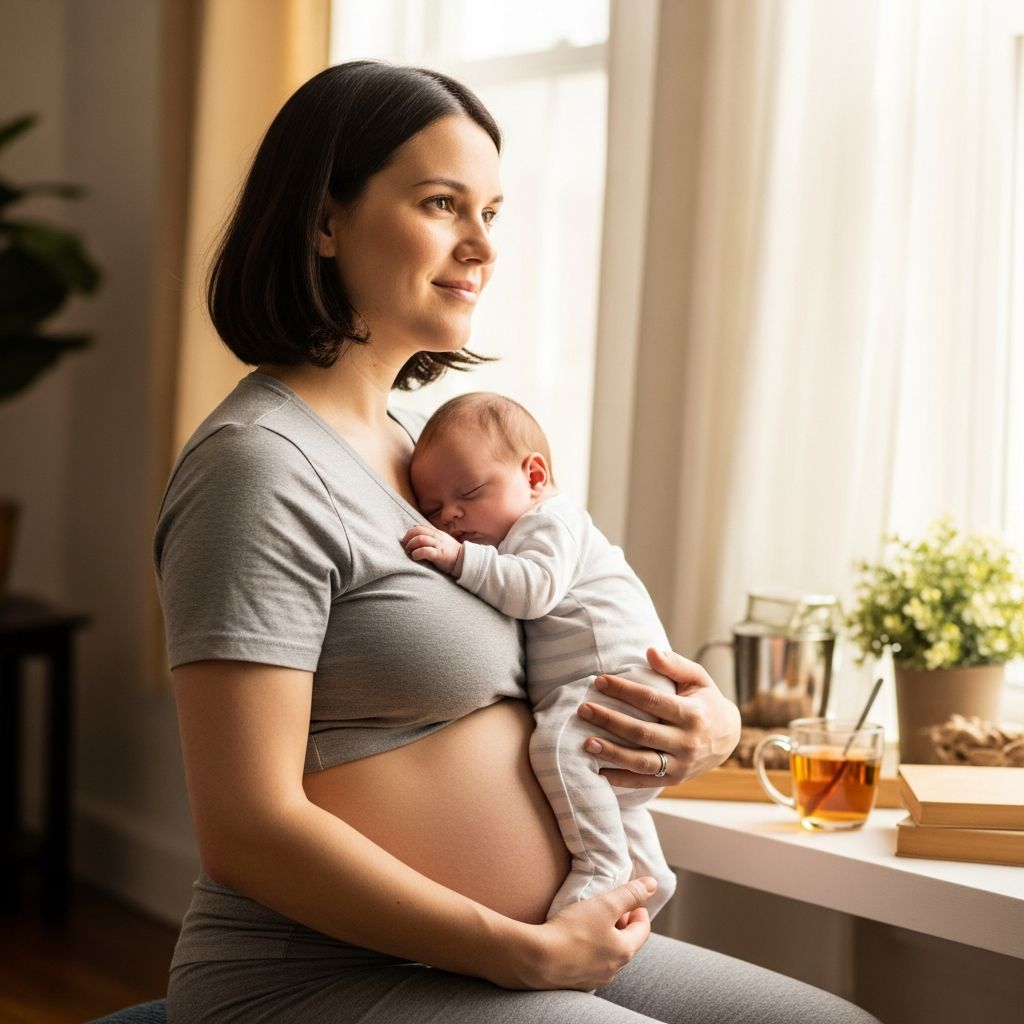
The transition to motherhood represents one of life’s most transformative experiences, yet contemporary culture often frames the physical changes that accompany pregnancy and childbirth as something requiring immediate correction. This phenomenon, commonly referred to as the pressure to “snap back,” reflects deeply ingrained cultural attitudes about female bodies and their perceived value. Rather than celebrating the remarkable physiological achievements of pregnancy and birth, mainstream narratives often position a woman’s postpartum body as a problem requiring urgent intervention.
This cultural expectation creates a paradox: women are simultaneously encouraged to embrace motherhood while being pressured to erase the most visible evidence of their reproductive capacity. The messaging becomes particularly intense through media representations, celebrity culture, and social platforms where highly curated images of postpartum celebrities dominate public discourse. These representations establish impossible benchmarks that fail to account for individual variation, medical circumstances, and the complex realities of early motherhood.
The Psychological and Physical Toll of Recovery Expectations
New mothers face unprecedented physical demands during the postpartum period. Their bodies are simultaneously recovering from pregnancy and childbirth while managing the intensive physical requirements of infant care—including frequent lifting, carrying, feeding, and sleep deprivation. Adding the psychological burden of body-based criticism during this vulnerable window creates measurable harm.
The pressure to achieve rapid body transformation intersects dangerously with postpartum mental health challenges. Research has consistently demonstrated links between body dissatisfaction, negative self-perception, and increased rates of postpartum depression and anxiety. When mothers internalize messages that their bodies are inadequate or require correction, they experience compounded stress at a time when emotional wellbeing is critical for both maternal health and infant development.
Furthermore, the physical consequences of rushing postpartum recovery can be serious. Returning to intense exercise prematurely, restricting nutrition while breastfeeding, or engaging in extreme body modification practices can compromise healing, undermine lactation success, and create long-term musculoskeletal complications. The pressure to rapidly restore pre-pregnancy bodies inadvertently encourages practices that directly conflict with optimal physical recovery.
Reframing the Postpartum Body: Accomplishment Over Aesthetics
A fundamental shift in perspective is necessary to counter harmful cultural narratives. Rather than viewing the postpartum body as a problem requiring correction, reimagining it as evidence of remarkable biological accomplishment provides a healthier framework for maternal self-regard.
Pregnancy and childbirth represent extraordinary physiological feats. The female body undergoes approximately 1000 distinct biological changes during pregnancy alone. Ligaments soften, organs shift, cardiovascular capacity increases dramatically, and metabolic systems fundamentally reorganize. The postpartum period involves the reversal and stabilization of these changes—a complex process requiring months, not weeks, for complete resolution. Understanding this timeline shifts expectations from “quick fixes” to sustainable integration of physical changes.
The postpartum body carries markers of this achievement: stretch marks represent skin elasticity and accommodation, redistribution of weight reflects metabolic adjustments supporting milk production and sustained energy for caregiving, and changes in muscle tone reflect the body’s prioritization of recovery and nurturing capacity. Reframing these visible changes as badges of maternal accomplishment rather than aesthetic failings represents a radical departure from conventional cultural messaging.
Variations in Postpartum Recovery: Why One-Size-Fits-All Expectations Fail
Individual experiences of postpartum physical change vary enormously based on genetics, age, birth experience, overall health, activity level, nutrition, and circumstances. Some women experience minimal visible changes, while others experience significant alterations in body composition, skin appearance, or physical capability. Both outcomes are entirely normal.
Medical factors further complicate any universal timeline for recovery. Women who experience perineal tearing, surgical birth, gestational diabetes, preeclampsia, or other pregnancy complications may require extended recovery periods before safely returning to vigorous physical activity. Breastfeeding mothers face additional considerations, as nutritional restriction or excessive caloric deficit can compromise milk supply and energy needed for caregiving.
Socioeconomic circumstances significantly influence postpartum experiences as well. Access to childcare, postpartum support services, quality nutrition, safe exercise spaces, and healthcare resources varies dramatically. Expectation-based messaging that assumes uniform circumstances ignores these real-world disparities and can inadvertently shame women facing structural barriers to particular recovery trajectories.
Celebrity Influence and the Distortion of Postpartum Realities
Entertainment and celebrity culture have significantly amplified unrealistic postpartum expectations. When prominent figures appear to return to pre-pregnancy bodies within weeks of giving birth, the implied message to broader audiences is that this represents normal recovery. The reality often involves access to private trainers, nutritionists, cosmetic procedures, and carefully filtered or edited imagery that bears limited resemblance to the everyday experience of new mothers.
Public figures who challenge these narratives provide valuable counterbalance. When celebrities openly discuss the reality of postpartum physical change, normalize body diversity, and refuse to perform the “snap back” narrative, they create permission for ordinary women to abandon unrealistic self-expectations. This cultural shift has potential to reshape broader conversations about female bodies, aging, and the temporary nature of postpartum physical changes.
Evidence-Based Approaches to Postpartum Wellness
Healthy postpartum recovery prioritizes restoration over rapid transformation. Evidence-based approaches emphasize gradual progression, individualized timelines, and attention to physical and mental wellbeing.
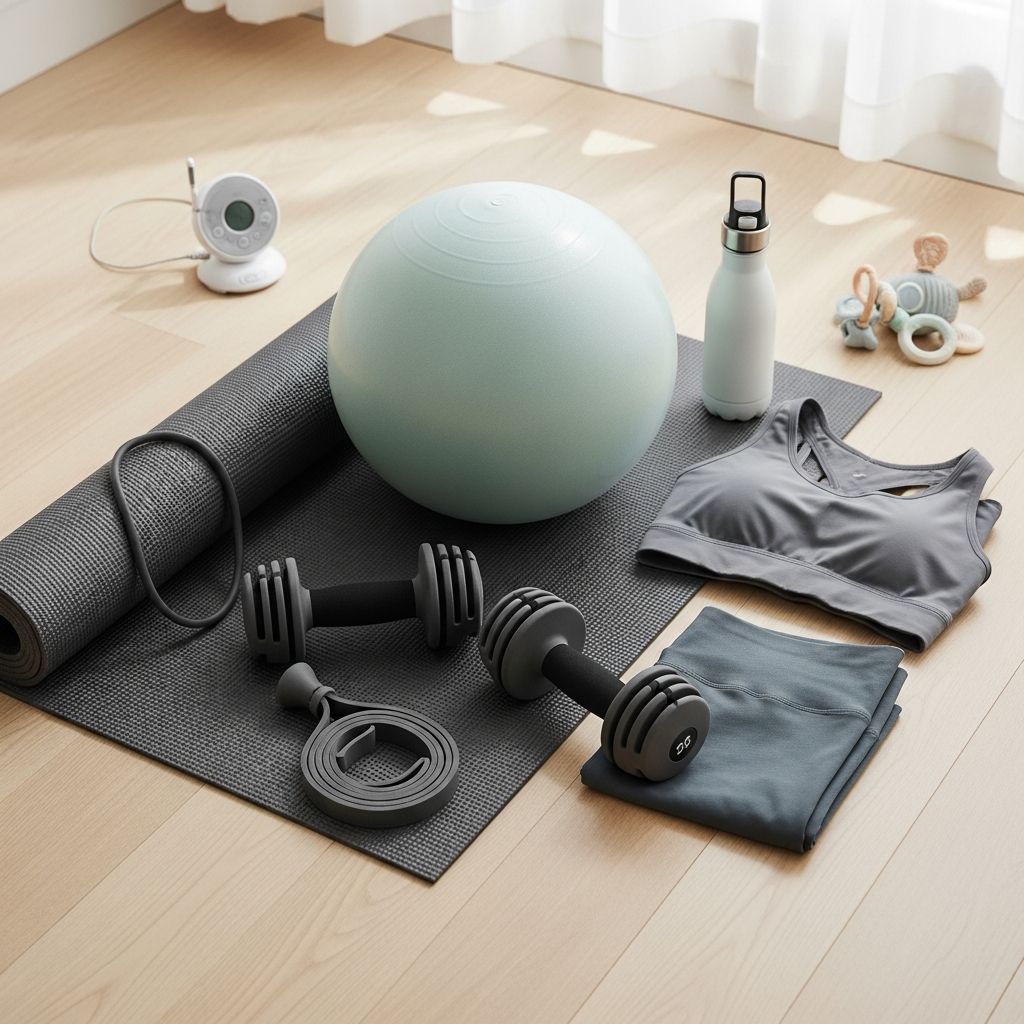
- Progressive Physical Activity: Most postpartum women can begin gentle movement immediately after birth, with gradual progression based on individual readiness rather than predetermined timelines. Pelvic floor physical therapy, core stabilization exercises, and low-impact activity generally precede return to vigorous exercise, which medical professionals typically recommend delaying until 6-8 weeks postpartum at minimum, and longer following complications or surgical birth.
- Nutritional Support: Adequate caloric and nutrient intake supports postpartum healing and is especially critical for breastfeeding mothers. Restrictive dietary practices undermine recovery and can compromise milk production. Nutrient-dense foods support tissue repair, hormonal stabilization, and energy for the intensive demands of early motherhood.
- Sleep and Recovery Prioritization: Sleep deprivation compounds physical and psychological challenges of postpartum recovery. When feasible, prioritizing rest over activity acceleration supports faster healing and better mental health outcomes.
- Mental Health Support: Addressing body image concerns, managing perfectionist tendencies, and seeking therapeutic support for postpartum mood disturbances all contribute to healthier recovery trajectories than body-focused intervention alone.
- Social Connection: Communities that normalize postpartum physical change and support maternal wellbeing independent of body appearance contribute significantly to positive recovery experiences.
Shifting Family and Partner Expectations
Partners and family members significantly influence whether new mothers internalize unrealistic recovery expectations or develop self-compassion. When intimate partners communicate acceptance and appreciation for the postpartum body independent of appearance changes, and when family members refrain from commentary on physical appearance, mothers experience greater emotional wellbeing and lower rates of postpartum mental health complications.
Family and partner education about postpartum physical changes, normal recovery timelines, and the psychological impact of appearance-based criticism provides practical foundation for supportive relationships. Shifting household culture to emphasize maternal rest, recovery, and wellbeing over aesthetic restoration aligns intimate relationships with health-promoting priorities.
Workplace and Social Context Considerations
Return to work or public life introduces additional pressures around postpartum appearance. Professional expectations that women quickly resume pre-pregnancy appearance standards, combined with limited access to expression support for breastfeeding or workplace flexibility for recovery needs, create environments where women feel obligated to prioritize appearance over health.
Workplace policies supporting extended postpartum leave, breastfeeding accommodation, flexible scheduling, and explicit norms against appearance-based commentary contribute to more sustainable postpartum health trajectories. Social contexts that celebrate diverse body presentations and explicitly reject appearance-based judgment allow women greater freedom to prioritize genuine recovery and wellbeing.
Long-Term Implications of Postpartum Body Pressure
The immediate postpartum period establishes patterns affecting long-term maternal health and wellbeing. Women who experience intense appearance-based pressure during early motherhood often develop lasting body dissatisfaction, disordered eating patterns, or chronic anxiety about physical appearance. Conversely, women who experience acceptance and support develop greater resilience and self-compassion that often extends beyond the postpartum period.
Children of mothers who practice self-compassion and reject appearance-based self-criticism develop healthier relationships with their own bodies and greater resilience against cultural beauty standards. The intergenerational impact of shifting postpartum narratives extends beyond individual mothers to influence how future generations relate to their bodies and those of others.
Frequently Asked Questions
Q: When is it safe to return to exercise after giving birth?
A: Most healthcare providers recommend beginning with gentle movement immediately postpartum, with gradual progression. Vigorous exercise typically becomes appropriate at 6-8 weeks following uncomplicated vaginal delivery or 8-12 weeks following surgical birth, pending medical clearance.
Q: Is it normal to have stretch marks or body changes that don’t resolve?
A: Yes, absolutely. Some physical changes from pregnancy are permanent, including certain body composition shifts and stretch marks. These represent normal outcomes rather than failures of recovery.
Q: How do I respond to comments about my postpartum appearance?
A: You are not obligated to engage with appearance commentary. Simple responses like “My body is doing exactly what it needs to do” or redirecting conversation to other topics protect your emotional wellbeing.
Q: Can I breastfeed while exercising and trying to recover?
A: Yes. Moderate exercise does not compromise breastfeeding. Adequate nutrition, hydration, and gradual progression of activity support both breastfeeding and postpartum recovery.
Q: What if I’m experiencing postpartum depression related to body image?
A: Postpartum depression with body image components is treatable. Mental health professionals specializing in postpartum mental health can provide evidence-based therapy and support.
References
- Postpartum Physical Changes and Recovery: A Clinical Guide — American College of Obstetricians and Gynecologists. 2024. https://www.acog.org/
- Postpartum Body Image and Mental Health Outcomes — National Institute of Child Health and Human Development. 2023. https://www.nichd.nih.gov/
- Physiological Changes During Pregnancy and Postpartum Recovery — Mayo Clinic Department of Obstetrics and Gynecology. 2024. https://www.mayoclinic.org/
- Maternal Mental Health and Appearance-Based Pressure — Centers for Disease Control and Prevention. 2024. https://www.cdc.gov/
- Evidence-Based Postpartum Exercise Guidelines — American Physical Therapy Association Women’s Health Section. 2023. https://www.apta.org/