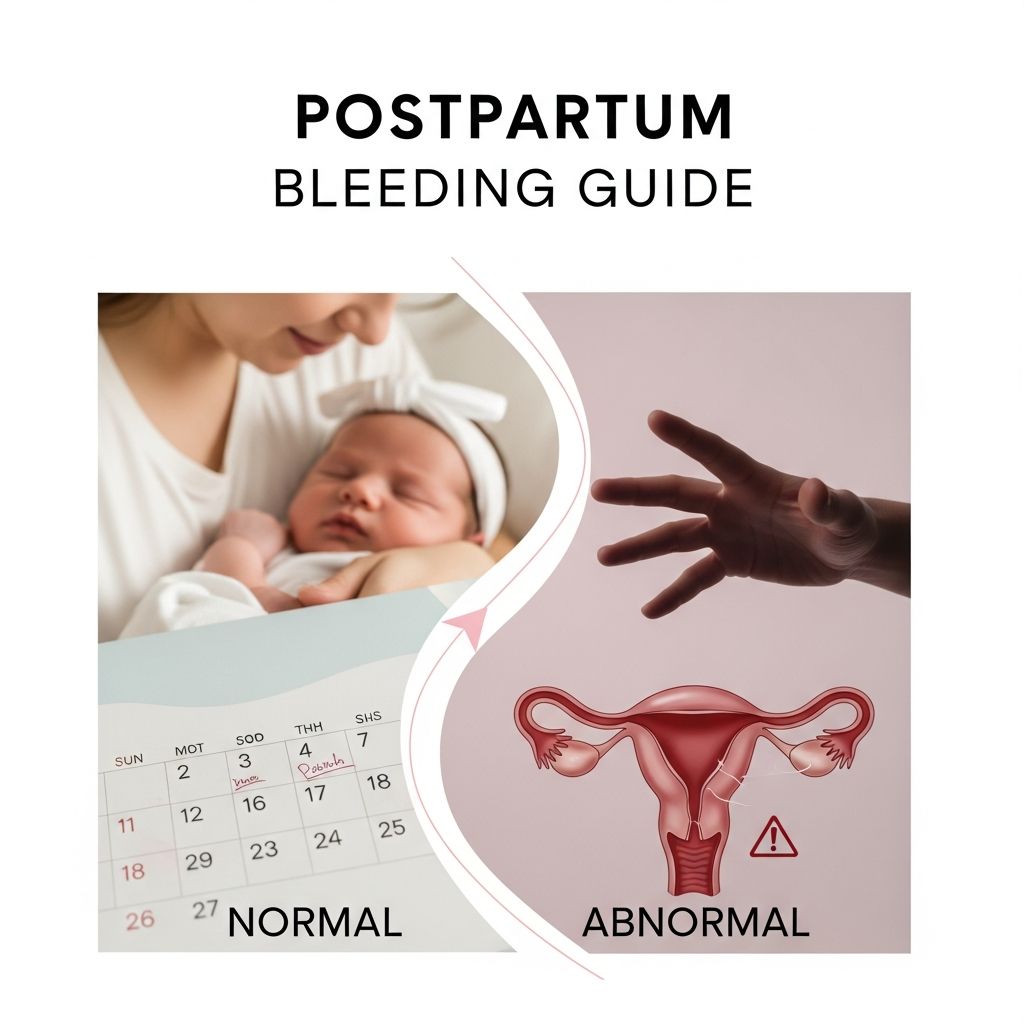
After giving birth, vaginal discharge known as lochia is a standard part of the recovery process as the uterus sheds its lining and heals. This bleeding typically progresses through distinct phases and lasts several weeks, but recognizing variations is key to identifying potential issues early.
The Biological Process Behind Postpartum Discharge
The uterus expands significantly during pregnancy to accommodate the growing baby, leading to a buildup of blood vessels, tissue, and mucus. Following delivery, hormonal changes and uterine contractions expel this material, initiating the healing process. This natural shedding prevents infection and allows the uterus to return to its pre-pregnancy size over about six weeks.
Uterine involution, the shrinking process, is aided by oxytocin released during breastfeeding, which enhances contractions and can lighten bleeding faster in nursing mothers. Initial blood loss averages 500 ml for vaginal births and up to 1,000 ml for cesarean sections, but ongoing discharge tapers off gradually.
Phases of Lochia: A Timeline of Changes
Postpartum bleeding evolves through three primary stages, each characterized by color, consistency, and duration. These changes reflect the body’s shift from heavy blood loss to lighter discharge as healing advances.
| Stage | Color and Consistency | Typical Duration | Key Characteristics |
|---|---|---|---|
| Lochia Rubra | Bright or dark red, with clots | Days 1-4 | Heaviest flow, similar to a heavy period; small clots (smaller than a plum) are normal |
| Lochia Serosa | Pinkish-brown or watery pink | Days 4-10 | Lighter flow with more serous fluid; clots decrease in size and frequency |
| Lochia Alba | Yellowish-white or creamy | Weeks 2-6 | Minimal spotting, mostly mucus and white blood cells; may be intermittent |
These stages are not rigid; some overlap or extend slightly based on individual factors. By week two, most women notice a significant reduction, with spotting that may pause and resume.
How Long Does Postpartum Bleeding Typically Last?
For the majority of women, lochia persists for 4-6 weeks, though it can extend to 8 weeks in some cases. A study of breastfeeding women found a median duration of 27 days, with intermittent spotting common even after initial flow stops.
- Short-term (under 4 weeks): Possible in C-section recoveries or with exclusive breastfeeding.
- Standard (4-6 weeks): Most common, aligning with full uterine healing.
- Extended (6-8 weeks): Often seen in vaginal births or multiple pregnancies; monitor closely.
Physical activity, such as walking or lifting, can temporarily increase flow by stimulating contractions, which is usually benign if it subsides quickly.
Factors Influencing Bleeding Patterns
Several variables affect the intensity and length of lochia, helping explain differences among mothers.
Delivery Method
Vaginal deliveries often involve heavier initial bleeding due to tears or trauma, while C-sections result in lighter lochia but similar overall duration. Both types require monitoring for infection at incision sites.
Breastfeeding Status
Nursing promotes oxytocin release, accelerating uterine contraction and shortening bleeding time. Non-breastfeeding mothers may see earlier return of menses, mimicking lochia around 4-6 weeks.
Pregnancy History
Women with multiples, prior births, or conditions like fibroids experience more prolonged or heavier discharge due to larger uterine size or slower involution.
Lifestyle and Health
Hydration, rest, and nutrition support faster recovery. Infections or retained placental tissue can prolong bleeding, necessitating medical evaluation.
Distinguishing Normal from Abnormal Bleeding
While variability exists, certain patterns signal complications like postpartum hemorrhage (PPH), affecting up to 5% of births, mostly within 24 hours but possible up to 12 weeks.
- Normal signs: Gradual decrease, small clots (< golf ball size), intermittent spotting after week 2.
- Warning signs: Soaking a pad hourly for hours, large clots, foul odor, fever, dizziness, or sudden heavy flow after lightening.
PPH can lead to shock from blood pressure drops, requiring urgent intervention like medications or surgery. Retained tissue or infection may cause persistent bleeding beyond 6 weeks.
Managing and Tracking Your Postpartum Flow
Effective hygiene and monitoring aid comfort and early detection.
- Use pads only: Avoid tampons to prevent infection; change frequently.
- Track daily: Note pad changes, color, clots, and symptoms in a journal or app.
- Rest and hydrate: Limit activity if flow increases; aim for 8-10 glasses of water daily.
- Empty bladder regularly: Full bladder hinders contractions, worsening bleeding.
At 6-week checkups, discuss ongoing discharge with providers for personalized advice.
Return of Menstruation: What to Anticipate
Postpartum bleeding cessation doesn’t mean periods resume immediately. Breastfeeding delays menses via prolactin suppression; full nursing may prevent it for months. Formula-feeding mothers often see first periods by 6-8 weeks, potentially heavier.
Contraception choices influence cycles: hormonal methods may lighten flows, while IUDs vary. Consult providers on family planning during recovery.
Frequently Asked Questions About Postpartum Bleeding
Is it normal for bleeding to stop and start again?
Yes, over 25% of women experience gaps of 4+ days followed by spotting up to day 56, distinct from lochia or menses in breastfeeding cases.
Does C-section bleeding differ from vaginal birth?
C-section lochia is typically lighter but follows similar stages and duration; monitor for surgical site issues.
When should I worry about clots?
Clots smaller than a quarter are normal early on; larger than a golf ball or persistent large ones warrant immediate care.
Can exercise affect postpartum discharge?
Yes, activity can boost flow temporarily via contractions; resume gradually and stop if excessive.
What if bleeding lasts beyond 8 weeks?
Seek evaluation for infection, hormonal issues, or retained tissue; most resolve with treatment.
Long-Term Recovery and Wellness Tips
Beyond bleeding, holistic postpartum care supports mental and physical health. Prioritize sleep when baby sleeps, accept help from loved ones, and watch for postpartum depression signs like persistent sadness. Nutrition rich in iron combats anemia from blood loss: include leafy greens, lean meats, and fortified cereals.
Pelvic floor exercises (Kegels) starting postpartum strengthen muscles strained by birth, reducing incontinence risks. Gradual return to exercise around 6 weeks, cleared by doctors, rebuilds stamina. Emotional recovery involves bonding, self-compassion, and professional support if needed.
Understanding lochia empowers new mothers to navigate recovery confidently, distinguishing routine from risks. Regular prenatal/postpartum visits ensure tailored guidance.
References
- The duration and character of postpartum bleeding among breast-feeding women — PubMed. 1997. https://pubmed.ncbi.nlm.nih.gov/9015013/
- Postpartum bleeding: What’s normal and what’s not — Baylor Scott & White Health. 2023-10-12. https://www.bswhealth.com/blog/postpartum-bleeding-whats-normal-whats-not
- Understanding Postpartum Bleeding: What’s Normal and When to Worry — Raleigh OB/GYN Centre. 2024. https://www.raleighob.com/understanding-postpartum-bleeding/
- Post-Pregnancy Bleeding: What’s Normal and What’s Not — Huggies. 2023. https://www.huggies.com/en-us/resources/pregnancy/preparing-to-give-birth/preparing-for-life-after-birth
- Postpartum Bleeding Symptoms | Bleeding After Birth — Banner Health. 2024. https://www.bannerhealth.com/services/maternity/post-delivery-conditions/bleeding
- Vaginal Bleeding After Birth: When to Call a Doctor — WebMD. 2023-05-15. https://www.webmd.com/women/vaginal-bleeding-after-birth-when-to-call-doctor
- Lochia (Postpartum Bleeding): How Long, Stages, Smell & Color — Cleveland Clinic. 2024-01-22. https://my.clevelandclinic.org/health/body/22485-lochia