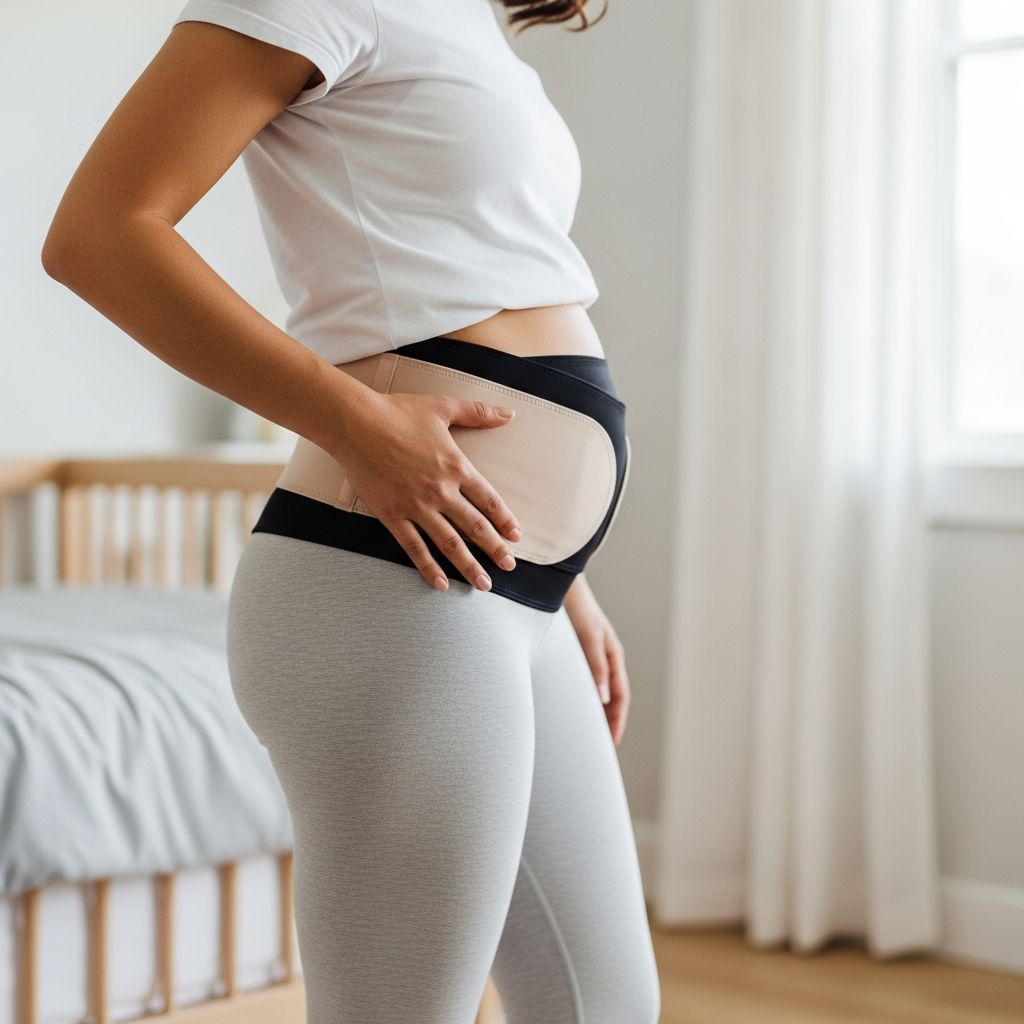
After giving birth, many women seek ways to ease discomfort and support their healing bodies. Postpartum belly supports, also known as binders or wraps, offer compression to the midsection, potentially aiding recovery from vaginal or cesarean deliveries. These garments provide gentle stability to stretched abdominal muscles and shifting organs, though scientific evidence remains limited. While they can enhance comfort and mobility, improper use may lead to complications, emphasizing the need for medical guidance.
Understanding Postpartum Abdominal Changes
The postpartum period involves significant physical adjustments. Pregnancy expands the uterus to accommodate the baby, stretching abdominal muscles and causing diastasis recti—a separation of the rectus abdominis. Hormones like relaxin loosen ligaments, and organs gradually return to their pre-pregnancy positions. This process can take 6-8 weeks or longer, often accompanied by back pain, swelling, and posture challenges.
Belly supports aim to mimic the natural compression the abdomen experiences during pregnancy’s later stages, where the growing uterus provides inherent support. By applying even pressure, they may help stabilize the core, but they do not replace exercises or time for full healing.
Key Advantages of Using Belly Supports
Proponents highlight several ways these supports assist new mothers:
- Core and Back Stability: Compression helps hold weakened abdominal walls together, reducing strain on the lower back during daily activities like lifting or walking.
- Pain Management: For C-section recoveries, wraps can minimize incision discomfort by limiting muscle movement, allowing better mobility without sharp pains.
- Posture Improvement: The gentle hug encourages upright alignment, countering the forward slump common from carrying pregnancy weight.
- Swelling Reduction: Mild pressure may promote circulation, easing postpartum bloating and fluid retention in the abdomen.
- Emotional Boost: Feeling ‘held together’ can increase confidence, helping mothers feel more put-together amid body changes.
These benefits are largely anecdotal, with small studies suggesting reduced pain scores in users, but larger trials are needed for confirmation.
Potential Drawbacks and Health Concerns
Despite upsides, belly supports carry risks if misused. Over-tightening or prolonged wear can exacerbate issues rather than resolve them.
| Common Risks | Description | Prevention Tips |
|---|---|---|
| Pelvic Floor Pressure | Downward force may worsen prolapse or dysfunction. | Wrap from hips upward; avoid low placement. |
| Muscle Dependency | Extended use hinders natural strengthening. | Limit to 4-6 hours daily; pair with exercises. |
| Skin and Circulation Issues | Rashes, itching, or restricted blood flow. | Choose breathable fabrics; take breaks. |
| Digestive Problems | Compression causes reflux, bloating, or constipation. | Loosen after eating; monitor symptoms. |
| C-Section Complications | Delayed healing or infection if applied too soon. | Wait 1-2 weeks post-surgery; consult doctor. |
Waist trainers, often confused with supports, pose greater dangers due to rigid materials causing breathing difficulties, organ strain, or fainting. True postpartum wraps use flexible, elastic designs for safety.
Types of Postpartum Supports Available
Options vary to suit preferences and needs:
- Elastic Wraps: Adjustable bands for customizable fit, ideal for beginners.
- Binder Belts: Wide, velcro-secured strips for even compression, popular post-C-section.
- Recovery Garments: Full-torso shapewear with built-in support, offering all-day wear.
- Cultural Bindings: Traditional methods like Sri Lanka’s ‘sara cloth’ or Japan’s ‘obi,’ adapted for modern use.
Select based on delivery type, body size, and activity level. Breathable, seamless materials prevent irritation, and sizes should match pre-pregnancy measurements for optimal fit.
Guidelines for Safe and Effective Application
To maximize benefits and minimize harm:
- Consult Professionals: Get clearance from your OB-GYN or midwife, especially with complications like diastasis recti over 2 fingers wide.
- Timing: Start 1-2 days post-vaginal birth or 7-14 days post-C-section, once lochia decreases.
- Proper Technique: Begin at the pelvis, wrap upward over the belly button, ensuring you can breathe deeply and fit two fingers underneath.
- Duration: Wear 4-8 hours daily for 4-8 weeks, removing for showers, sleep, and skin checks.
- Combine with Rehab: Incorporate pelvic floor exercises (Kegels), core activation, and walking to build strength.
Monitor for warning signs like increased pain, numbness, or breathing issues—stop immediately and seek medical advice.
Comparing Supports to Other Recovery Aids
| Method | Pros | Cons | Best For |
|---|---|---|---|
| Belly Wrap | Portable, adjustable support | Risk of overuse | Daily activities |
| Physical Therapy | Builds lasting strength | Requires time commitment | Diastasis recti |
| Pelvic Floor Trainer | Targets specific muscles | Learning curve | Prolapse prevention |
| SUPPORT Shorts | Hands-free, multi-area aid | Less customizable | Active moms |
Integrating multiple tools under professional supervision yields the best outcomes.
Real Experiences from New Mothers
Anecdotes vary: One C-section mom reported halved back pain within days, gaining confidence to chase her toddler. Another experienced rashes from synthetic fabrics, switching to cotton for relief. Cultural users often cite emotional grounding from ancestral practices. These stories underscore personalization— what works for one may not for another.
Frequently Asked Questions
Can postpartum belly supports help close diastasis recti?
They provide temporary stability but won’t fully close the gap; targeted exercises are essential for long-term repair.
Are they safe during breastfeeding?
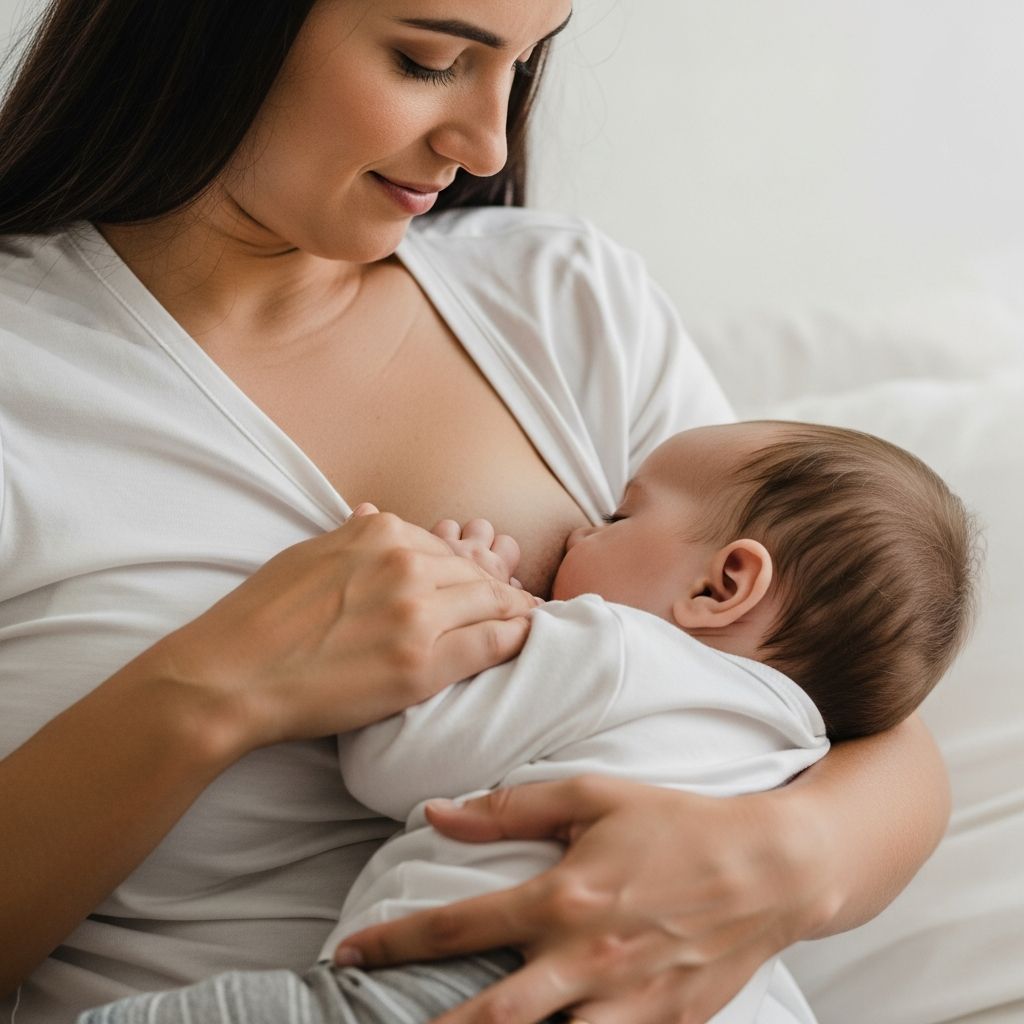
Yes, if not too tight, as they don’t interfere with milk production, but ensure easy access for nursing.
How long should I wear one daily?
Typically 4-8 hours, with breaks to prevent dependency and allow skin breathing.
Do they help with weight loss?
No, they support recovery but don’t burn fat—combine with diet and exercise for shaping.
What if I feel pain while wearing it?
Loosen or remove immediately; persistent issues warrant a doctor’s visit to rule out complications.
Building a Comprehensive Recovery Plan
Beyond wraps, prioritize nutrition rich in protein and collagen for tissue repair, hydration to reduce swelling, and sleep for hormonal balance. Gentle yoga or postpartum Pilates rebuilds strength safely. Track progress with a journal, noting pain levels and mobility. Patience is key—full recovery varies by age, fitness, and birth specifics. Partner with healthcare providers for tailored advice, ensuring a smoother transition to motherhood.
Ultimately, postpartum supports are tools, not miracles. Used wisely, they bridge the gap between birth and vitality, empowering women through healing.
References
- Postpartum Belly Wraps: Risks, Benefits, Types, and Safety — WebMD. 2023. https://www.webmd.com/baby/what-is-postpartum-belly-wrap
- Guide To Postpartum Belly Wraps — Macom Medical. 2024. https://www.macom-medical.com/blogs/news/guide-postpartum-belly-wraps
- Postpartum Belly Wraps: Risks, Benefits, Types & Safety — Natural Cycles. 2023. https://www.naturalcycles.com/cyclematters/postpartum-belly-binding
- Common Mistakes To Avoid When Using Postpartum Support — Get2TheRoot. 2024. https://get2theroot.com/common-mistakes-to-avoid-when-using-postpartum-support-drips/
- Abdominal Binders After Childbirth: What You Need to Know — Vinmec. 2023. https://www.vinmec.com/eng/blog/postpartum-belly-band-and-what-you-need-to-know-en