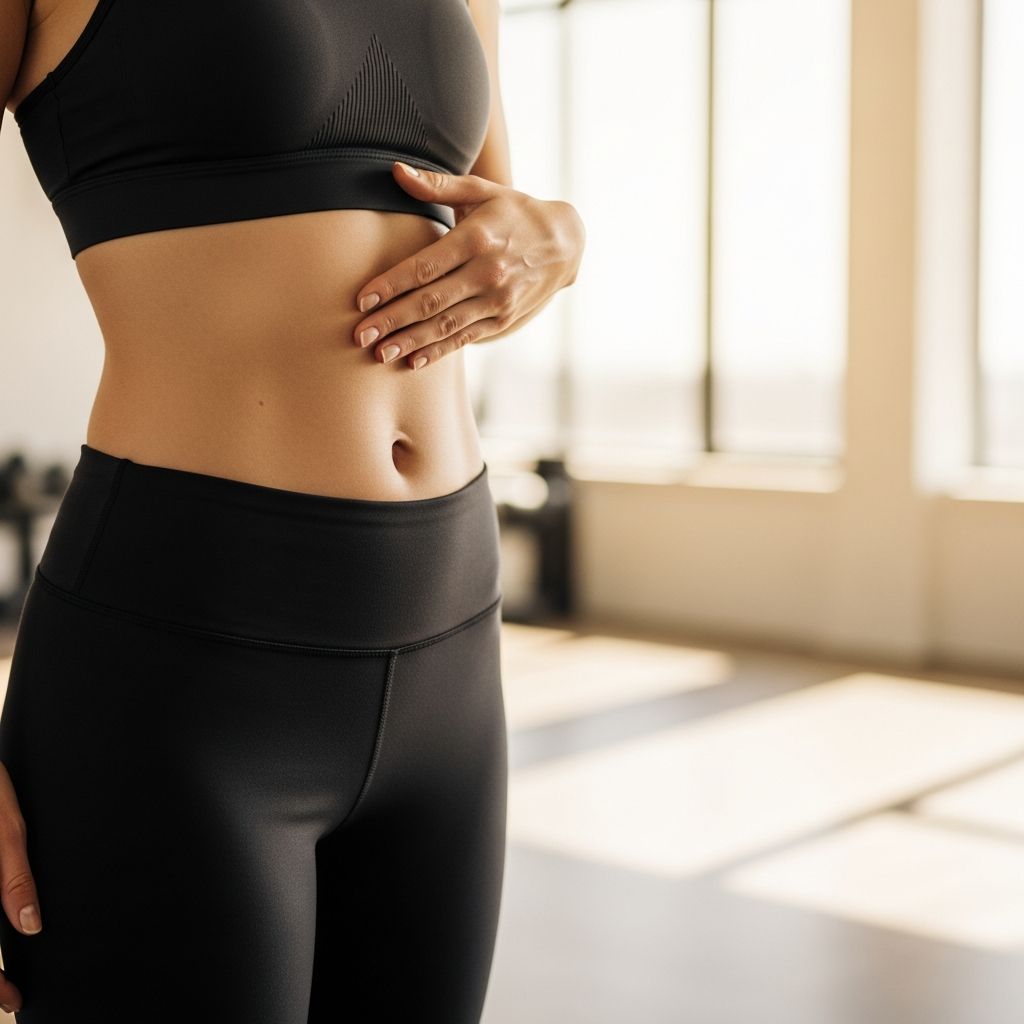
The weeks after birth can feel like a blur of emotions, body changes, and new responsibilities. In the middle of all of that, postpartum belly binding is one tool some parents turn to for a little extra physical support. Used thoughtfully, a wrap or binder can help you feel more held together, more stable, and sometimes less sore as your body starts to recover.
This guide walks through what belly binding actually is, what it can and cannot do, how to choose a style, and how to use it safely. It is not about shrinking your body or “bouncing back”; it is about comfort, healing, and making daily life with a newborn feel a bit more manageable.
What Postpartum Belly Binding Really Is
Postpartum belly binding is the practice of wrapping the abdomen and sometimes the hips with a fabric wrap or structured support garment after giving birth. The goal is gentle compression, not extreme tightening. Think of it as giving your midsection a soft hug while your muscles, ligaments, and organs adjust after pregnancy.
Belly binding methods range from traditional long cloth wraps that you tie yourself to modern velcro or hook-and-eye garments that look more like medical supports. Some are marketed specifically for vaginal births, some for surgical births, and some for general postpartum use.
Why Some Parents Choose Belly Binding
There are many reasons a new parent might reach for a wrap or binder, and they are not all cosmetic. For many, it is about feeling safer and more supported while lifting the baby, getting out of bed, or navigating those first walks outside.
- To feel less “wobbly” in the abdomen when moving, coughing, or laughing.
- To ease soreness around the core and lower back during everyday tasks.
- To support a healing incision after a surgical birth, when approved by a clinician.
- To feel more aware of posture during long feeding sessions or holding the baby.
Potential Benefits of Gentle Belly Support
Belly binding is not magic, but used correctly, it can add some very practical benefits to your recovery toolkit. Those benefits largely come from mild compression and improved awareness of your core.
- Comfort when moving: A well-fitted binder can reduce the pulling or tugging sensation in your abdomen when you stand, turn, or walk.
- Short-term pain relief: Some people report less discomfort around the belly and incision area when lightly supported, especially in the first couple of weeks.
- Posture reminders: A wrap can gently encourage a more upright position, helping reduce slouching during feeds or screen time.
- Emotional reassurance: Feeling hugged or held can provide a sense of security during a vulnerable phase of life.
These benefits are usually most noticeable when you combine binding with other recovery habits like deep breathing, light movement, and pelvic floor exercises rather than using a binder alone.
Limits of Belly Binding: What It Cannot Do
Marketing around postpartum products can create unrealistic expectations. Belly binding has limits, and understanding those boundaries can help you avoid disappointment or overuse.
- It will not instantly flatten your belly: Your uterus, tissues, and skin need time, hormones, and rest to change; a binder cannot replace that process.
- It does not replace rehab: Core and pelvic floor recovery require exercises, body awareness, and sometimes professional support, not just external compression.
- It is not a cure for every symptom: Persistent pain, heaviness, leaking, or bulging deserve medical and pelvic floor evaluations, not just a tighter wrap.
Types of Postpartum Belly Supports
Postpartum supports fall along a spectrum from soft, flexible wraps to more structured medical-style binders. Your best choice depends on your birth experience, sensitivity, and daily routine.
| Type | What It Looks Like | Typical Pros | Typical Cons |
|---|---|---|---|
| Traditional cloth wrap | Long strip of fabric wrapped and tied around the torso and hips. | Highly adjustable; can wrap hips as well as belly; often breathable and soft. | Learning curve to tie; can shift during the day; may feel bulky under clothing. |
| Elastic belly band | Wide, stretchy band that slips on or closes with velcro. | Easy on and off; good for everyday wear; widely available at many price points. | Compression may be uneven; velcro can irritate skin; may roll or bunch. |
| Medical abdominal binder | Structured, adjustable support often used after surgery. | Firm support; often recommended after abdominal surgery; more targeted fit. | Can feel stiff; less discreet under clothes; may be too intense for some vaginal births. |
| High-waisted support wear | Underwear or leggings with built-in gentle compression around the midsection. | Looks like regular clothing; smooth under outfits; mild, constant support. | Less adjustable; may not give enough support for severe soreness or surgical recovery. |
How to Choose a Binder That Fits Your Life
Choosing a postpartum binder is less about buying the most expensive brand and more about matching a product to your body, lifestyle, and sensitivity level. Before adding one to your cart, pause and consider how you plan to use it.
- Birth type: A softer, more flexible band may feel best after a vaginal birth, while a more structured style might be suggested after a surgical birth, with your clinician’s approval.
- Climate and skin: In hot or humid weather, look for breathable, moisture-wicking materials to reduce itching or rashes.
- Daily routine: If you need something quick to put on during short windows, easy-closure bands or support leggings may fit better than complicated wraps.
- Personal sensitivity: If you dislike tight clothing, a very soft or lightly compressive option may encourage consistent, comfortable use.
Safety First: When and How Long to Wear It
The safest way to use a binder is with your healthcare provider’s input, especially after a surgical birth or if you have any medical conditions. Timing and duration matter because your body needs both support and opportunities to move and breathe freely.
- Check in with a midwife, obstetrician, or family doctor before starting, particularly if you had a cesarean, significant tearing, or complications.
- Start slowly with short periods of wear, such as 1–2 hours at a time, and increase only if it feels comfortable.
- Avoid wearing a binder tightly while sleeping; your body benefits from unrestricted circulation and relaxed breathing overnight.
- Take breaks throughout the day so your muscles can engage on their own and your skin can air out.
Warning Signs Your Binder Is Too Tight
Mild, even pressure around the abdomen is the goal. If you are using the binder to “cinch” or force your waist smaller, it can interfere with breathing, circulation, and pelvic floor health. Listening to your body is more important than following a size chart.
- Shortness of breath, chest tightness, or feeling like you cannot take a full breath.
- Increased pelvic pressure, heaviness, or bulging in the vagina or rectum.
- New or worsening heartburn, nausea, or abdominal pain.
- Numbness, tingling, or throbbing in your legs or lower body.
- Red, indented marks that last long after you remove the binder.
If any of these signs appear, loosen or remove the binder right away and talk to a healthcare professional before using it again.
Supporting Your Pelvic Floor, Not Straining It
The pelvic floor and your abdominal wall work as a team. When one area is squeezed aggressively, pressure gets pushed somewhere else. An overly tight binder can drive pressure downward into the pelvis, which is the opposite of what you want during recovery.
To support your pelvic floor, aim for light compression that feels like a gentle hand on your abdomen, not a corset. Pair belly binding with breathing techniques, relaxation, and, when possible, guidance from a pelvic floor therapist who understands postpartum bodies.
How Belly Binding Fits Into a Whole-Body Recovery Plan
No single product can cover all aspects of postpartum healing. Belly binding is best thought of as one tool in a much larger toolkit that includes rest, nourishment, emotional support, and gradual movement.
- Movement: Short walks, gentle stretching, and basic core activation can help circulation and energy levels more than a binder alone.
- Rest: Your body repairs tissues while you sleep and rest, so prioritize naps and breaks, even if chores have to wait.
- Fuel: Hydration and nutrient-dense meals give your body the raw materials it needs to heal.
- Support: Emotional support from partners, friends, or professionals is as important as physical aids like wraps or pillows.
Body Image, Pressure, and Postpartum Culture
Conversations about belly binding often get tangled up with pressure to “get your body back.” That messaging can be damaging, especially when you are already adjusting to sleep loss, hormonal shifts, and caring for a newborn. Your body has not failed; it has done something tremendous.
If you choose to use a binder, framing it as a comfort tool rather than a shrinking tool can protect your mental health. Remind yourself regularly that a soft belly, stretched skin, and slower recovery are normal outcomes of pregnancy, not flaws to fix.
Practical Tips for Everyday Use
Making belly binding work in real life often comes down to small habits and adjustments. A few tweaks can help you get the comfort you want without unnecessary hassle or irritation.
- Wear a soft, breathable layer between your skin and the binder to reduce friction and absorb sweat.
- Adjust the tightness every time you put it on; your body may swell more at some times of day than others.
- Pair binder use with a simple check-in: take three slow breaths, relax your shoulders, and notice if anything feels pinched or restricted.
- Keep a backup option (like high-waisted leggings) for days when a structured binder feels like too much.
When to Skip Belly Binding or Get Extra Help
Belly binding is not right for everyone, and skipping it is a valid, healthy choice. There are also times when you should seek professional guidance before continuing to use a wrap or binder.
- If you have a history of blood clots, significant heart or lung conditions, or complex abdominal surgery, ask a clinician before using compression around your torso.
- If you notice leaking urine, a feeling of heaviness or bulging in the pelvic area, or persistent back or pelvic pain, request a referral to a pelvic floor specialist.
- If a binder seems to worsen your symptoms, stop using it and explore other ways to support your body.
Sample Daily Routine Including Belly Binding
The following example shows how a new parent might integrate gentle belly binding into a low-pressure postpartum day. It is not a prescription, just an illustration to help you imagine how this tool could fit into your life.
- Morning: After feeding the baby and having a light breakfast, put on the binder for 1–2 hours while walking around the house and doing light tasks.
- Midday: Remove the binder during a rest or nap, allowing your body to breathe and stretch. Do a few slow breaths and gentle pelvic floor relaxations.
- Afternoon: Put the binder back on for a short walk or while you sit for feeding sessions, especially if your back tends to ache.
- Evening: Take off the binder at least an hour before bed and avoid sleeping in it unless specifically advised by a clinician.
FAQs About Postpartum Belly Binding
Is belly binding necessary after every birth?
No. Many people recover well without any binding at all. Belly binding is optional, and it should always feel like a supportive choice, not a requirement or a test you have to pass to be a “good” postpartum parent.
How soon after birth can I start belly binding?
The ideal start time depends on your health, the type of birth you had, and your provider’s recommendations. Some people begin with very gentle support in the first few days, while others wait a week or more until bleeding, soreness, or incision tenderness improves.
Can belly binding fix diastasis recti?
A binder alone cannot repair separated abdominal muscles. It may offer temporary support or comfort while you work on targeted exercises, posture, and breathing patterns, ideally under the guidance of a professional trained in postpartum rehab.
Is belly binding the same as waist training?
No. Waist trainers are designed to dramatically change the shape of the waist through strong, sustained compression. Postpartum binders should offer milder, medically minded support focused on comfort and healing, not long-term reshaping.
Can I wear a binder all day?
It is best not to wear a binder nonstop. Your body needs periods of uncompressed movement to maintain circulation, breathing, and healthy muscle function. Aim for chunks of time with the binder on and regular breaks without it, adjusting based on your energy and comfort.
What if belly binding makes me feel worse?
If using a binder increases pain, pressure, or anxiety, it is completely reasonable to stop. There is no one-size-fits-all solution in postpartum recovery. Discuss any new or worsening symptoms with a healthcare professional and focus on other strategies that feel better in your body.
Final Thoughts on Gentle Support
Postpartum belly binding can be a comforting ally during the early weeks of life with a newborn, but it is not mandatory or miraculous. When used thoughtfully and combined with rest, movement, and emotional care, a binder can help you feel a little more secure in a time of profound change.
Your healing journey is unique, and so is your body. Whether you choose to bind, skip it, or try it briefly and move on, the most important thing is treating yourself with the same compassion you offer your baby.