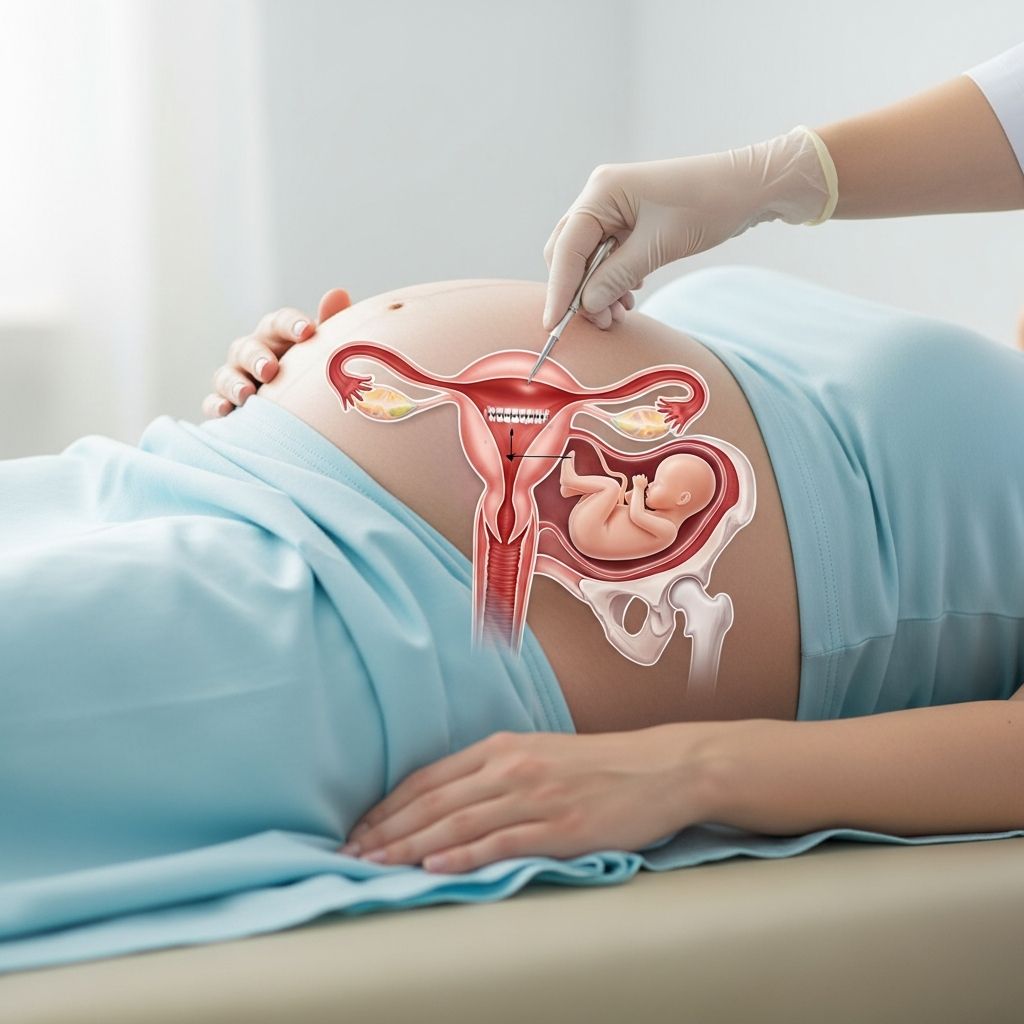
After pregnancy, many parents hear about postpartum belly binding or belly wraps as a way to feel more supported and secure while their body recovers. Between social media promises and traditional practices passed through families, it can be hard to know what is realistic, what is safe, and what is simply marketing.
This guide offers an evidence-informed overview of belly binding: what it might help with, what it cannot change, and how to use binders in a way that respects healing tissue, core strength, and overall health.
What Is Postpartum Belly Binding?
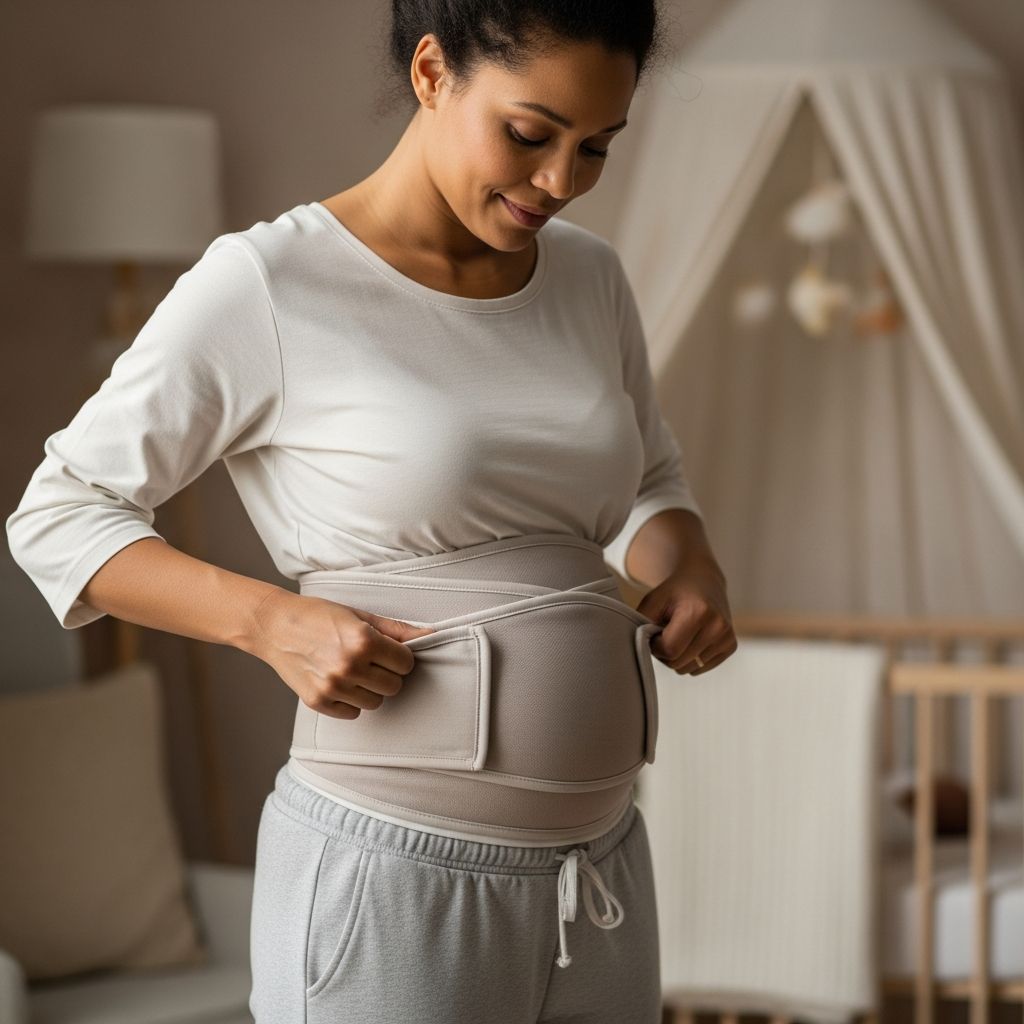
Postpartum belly binding refers to using a wrap, band, or binder around the abdomen after childbirth. It may be:
- A modern adjustable elastic abdominal binder with Velcro closures.
- A stretchy compression garment (shorts, leggings, or high-waisted underwear).
- A traditional long cloth wrap that is layered around the torso.
Clinically, abdominal binders are often used after surgery (including cesarean birth) to offer gentle support to the incision area, decrease pain, and make movement like walking and changing positions less uncomfortable.
Why Do People Use Belly Binders After Birth?
People choose belly wraps for many overlapping reasons. Common goals include:
- Pain relief around the abdomen or incision after childbirth.
- Extra support for weakened core muscles and loose ligaments.
- Improved comfort with posture when feeding, lifting, or standing for long periods.
- A feeling of being more “held together” as tissues and organs shift back toward their pre-pregnancy positions.
- Cultural or family traditions around closing the body after birth.
Some users also hope a binder will make the belly flatter more quickly. Research suggests binders can support comfort and mobility, but they do not replace healthy healing, gradual activity, and time.
Potential Benefits: What Belly Binding May Help With
Evidence is still limited, but several studies and clinical reviews describe potential short-term benefits when abdominal binders are used correctly and not excessively.
| Area | Possible Benefit | What the Evidence Suggests |
|---|---|---|
| Pain & mobility | Less pain, easier walking and getting out of bed | Abdominal binders after abdominal surgery, including cesarean, may reduce pain scores and improve early mobility. |
| Posture & back support | Support for the lower back and trunk | Gentle compression can support posture and reduce strain during feeding, lifting, and daily tasks. |
| Abdominal wall | Feeling of support for stretched muscles | Some users report feeling more stable in their abdominal wall; binders may assist comfort for diastasis recti but do not replace rehab exercises. |
| Body image & confidence | Feeling more secure in clothing | Compression may improve how supported or confident some people feel in the early weeks postpartum. |
These benefits are most consistently reported when binders are used as a short-term adjunct during early recovery rather than as a long-term or high-pressure shaping device.
Common Myths and What Belly Binding Cannot Do
Because postpartum bodies are a frequent target for unrealistic promises, it helps to be clear about what abdominal binders are unlikely to do by themselves.
- They do not melt fat. Compression does not burn fat or replace nutrition and movement habits. Fat loss depends on overall energy balance and health behaviors.
- They do not instantly close diastasis recti. A separation of the abdominal muscles is common in late pregnancy and early postpartum. Gentle exercise and time are key; a binder can offer comfort but is not a cure.
- They do not reshape bones or permanently narrow the pelvis. There is no strong evidence that binders change the bony pelvis. Ligaments naturally tighten over time after birth.
- They are not a substitute for rehab or physical therapy. To restore functional core and pelvic floor strength, you still need progressive movement, breath work, and, if indicated, guidance from a pelvic health professional.
Risks and Drawbacks: When Belly Binding Can Be Harmful
Used gently and short term, binders are generally considered low risk. Problems arise when the wrap is too tight, used for very long periods, or chosen without attention to existing medical issues.
Physical Discomfort and Skin Irritation
- Pain or pressure from excessive tightness around healing tissues.
- Rashes, itchiness, or skin breakdown under non-breathable fabrics, especially in warm climates or when worn for many hours.
Breathing and Organ Pressure
Too much compression can interfere with normal breathing mechanics and intra-abdominal pressure:
- Restricted diaphragm movement, leading to shallow breathing and fatigue.
- Excess internal pressure that can contribute to acid reflux or digestive discomfort.
Pelvic Floor and Circulation Concerns
- Pressure directed downward may increase strain on the pelvic floor, potentially contributing to pelvic organ prolapse or hernias, especially when wraps are pulled tight or wrapped downward.
- Very tight binders can disturb blood circulation, causing symptoms like dizziness, headache, or tingling if blood flow or oxygenation is impaired.
Cesarean and Uterine Recovery
- An overly snug binder used too soon after a cesarean section may interfere with wound healing or increase the risk of wound problems if it rubs or traps moisture against the incision.
- Wearing restrictive wraps before postpartum bleeding (lochia) has decreased may theoretically affect normal uterine involution if pressure is very high, though gentle support is usually acceptable once your medical team approves.
Dependence on External Support
Professionals in pelvic health sometimes caution that relying on a binder for many weeks without working on core strength may encourage the body to lean on external compression instead of rebuilding internal support.
- Muscles may remain underused if the binder is always worn during waking hours.
- Core activation patterns can become unhelpful if you habitually push out against the binder when bracing, which may increase internal pressure.
Who Might Benefit Most from a Belly Binder?
Your own needs and medical history matter more than any general rule. The following groups are often considered reasonable candidates for a trial of gentle binding, with professional guidance where possible.
- People recovering from cesarean birth who feel pain or vulnerability around the incision when standing, walking, or coughing.
- Parents with significant abdominal soreness or a sense of heaviness who feel more secure with light support.
- Those with back discomfort linked to posture challenges during feeding or holding the baby.
- Individuals with diastasis recti who feel that temporary, gentle compression makes movement more comfortable while they follow a rehabilitation program.
If you have a history of blood clots, severe heart or lung disease, uncontrolled high blood pressure, significant pelvic organ prolapse, or complex abdominal surgery, always ask your healthcare team before using any compression garment.
Choosing a Belly Binder: Features That Matter
Not all wraps are equal. The goal is comfort and support, not tight shaping. When comparing options, consider:
- Adjustability: Look for closures (like Velcro) that allow fine-tuning throughout the day as your body changes size and comfort level.
- Breathable fabric: Soft, breathable materials can reduce sweating and skin irritation, especially if worn under clothing.
- Width and coverage: A binder that spans from just above the hips to below the ribs often provides more even support than very narrow bands.
- Level of compression: Aim for light to moderate compression. You should be able to breathe, talk, and move comfortably without feeling squeezed.
- Ease of use: Consider how easily you can get it on and off when you are tired, sore, or caring for a newborn.
How to Use a Postpartum Belly Binder Safely
Safe use is less about the specific brand and more about how you wear it. The following principles are drawn from clinical advice on abdominal binders and postpartum care.
1. Get Medical Clearance
- Ask your obstetric provider, midwife, or surgeon when you can start using a binder, especially after a cesarean or complicated birth.
- Check for any specific restrictions related to your incision, bleeding, or medical conditions.
2. Focus on Gentle Support, Not Tight Cinching
- You should be able to take a deep breath comfortably with the binder on.
- There should be no sharp pain, tingling, or sense of being squeezed.
- If you feel heartburn, pressure in the pelvis, or increased bleeding, loosen or remove the binder and consult a professional.
3. Limit Daily Wear Time
- Use the binder for activity windows that feel challenging—like walking, caring for other children, or going outside—rather than 24/7 wear.
- Most experts advise against wearing tight binders during sleep so your body can move, breathe, and regulate circulation overnight.
4. Protect Your Skin and Incision
- Wear a soft, clean layer of clothing between your skin and the binder to reduce irritation.
- Keep the incision area clean and dry; avoid direct rubbing or excessive pressure on the scar.
- If you notice redness that doesn’t fade, blisters, or drainage from the incision, contact your healthcare team.
5. Combine Binding with Gentle Movement
A binder works best alongside strategies that restore natural strength and coordination:
- Practice diaphragmatic breathing (letting the ribs and belly gently expand on inhale) a few times per day without the binder to keep your breathing patterns flexible.
- Add early, doctor-approved pelvic floor and deep core activation exercises to support long-term function.
- As you feel stronger, reduce binder use so your muscles gradually take over more of the support work.
Listening to Your Body: Signs to Adjust or Stop
Your body’s feedback is a key guide. Consider loosening, changing, or stopping belly binding if you notice:
- New or worsening pelvic pressure or a heavy, bulging feeling in the vagina, which can be signs of prolapse.
- Persistent heartburn, nausea, or bloating after putting on the binder.
- Numbness, tingling, or coldness in the legs or feet that could suggest impaired circulation.
- Increased pain at the incision site or any opening, redness spreading, or discharge.
- Feeling short of breath or unable to take a comfortable deep breath.
If any of these occur, remove the binder and contact a medical professional or pelvic health specialist for individualized advice.
Emotional and Cultural Dimensions of Belly Binding
Postpartum practices are often shaped by culture and community. Belly binding may be part of rituals focused on warming, protecting, and honoring the new parent’s body. For some, wearing a wrap feels like being held; for others, it may feel restrictive or triggering.
- It is valid to appreciate the symbolic or emotional comfort a binder offers while still using safety guidelines.
- It is equally valid to skip binding entirely if it does not feel good, necessary, or aligned with your values.
Your healing is not defined by whether or not you use a belly binder. It is shaped by rest when possible, support from others, access to medical and mental health care, and compassion for your changing body.
Frequently Asked Questions (FAQs)
Q: When can I start using a postpartum belly binder?
A: Timing depends on your birth and health history. Many people with uncomplicated vaginal births can use gentle support early on if it feels comfortable. After a cesarean or complicated delivery, ask your surgeon or midwife when it is safe to begin using a binder over or near the incision.
Q: How tight should a postpartum binder be?
A: It should feel like light support, not a corset. You must be able to breathe deeply, eat comfortably, and move without pain or dizziness. If you feel squeezed, short of breath, or notice pelvic pressure, it is too tight.
Q: Can belly binding fix diastasis recti?
A: No. Diastasis recti is influenced by connective tissue, muscle coordination, and overall pressure management. A binder may help you feel more supported while moving, but research and clinical experts recommend targeted exercises and sometimes pelvic health physical therapy for effective long-term improvement.
Q: Is it safe to sleep in a postpartum binder?
A: Many clinicians advise avoiding tight binders overnight to allow full, unrestricted breathing and circulation. Light, gentle support garments may be acceptable for some, but ask your provider if you have concerns or medical conditions that affect breathing or blood flow.
Q: How long should I keep using a belly wrap after birth?
A: There is no exact deadline, but most benefits are short term—during the period when standing, walking, or caring for your baby feels especially challenging. As your pain decreases and strength improves, gradually reduce your use so your core muscles can take over more of the work.
References
- Abdominal Binders After Childbirth: What You Need To Know — Vinmec International Hospital. 2023-05-10. https://www.vinmec.com/eng/blog/postpartum-belly-band-and-what-you-need-to-know-en
- Postpartum Belly Wraps: Risks, Benefits, Types, and Safety — WebMD. 2022-08-15. https://www.webmd.com/baby/what-is-postpartum-belly-wrap
- Postpartum Belly Binding: Types, Benefits, How-To, DIY & More — Healthline. 2023-06-21. https://www.healthline.com/health/postpartum-belly-binding
- Postpartum Belly Binding: What It Can Do For Your Body — Kin Fertility. 2022-11-09. https://kinfertility.com.au/blog/postpartum-belly-binding
- All About Postpartum Belly Binding — The Vagina Whisperer. 2022-10-03. https://thevagwhisperer.com/2022/10/03/postpartum-belly-binding/
- Should You Use a Postpartum Belly Binder? — Expecting Pelvic Health. 2021-07-19. https://www.expectingpelvichealth.com/blog-posts/should-you-use-a-postpartum-belly-binder
- Should You Try Postpartum Belly Wrapping? — Cleveland Clinic Health Essentials. 2021-09-23. https://health.clevelandclinic.org/postpartum-belly-wrap