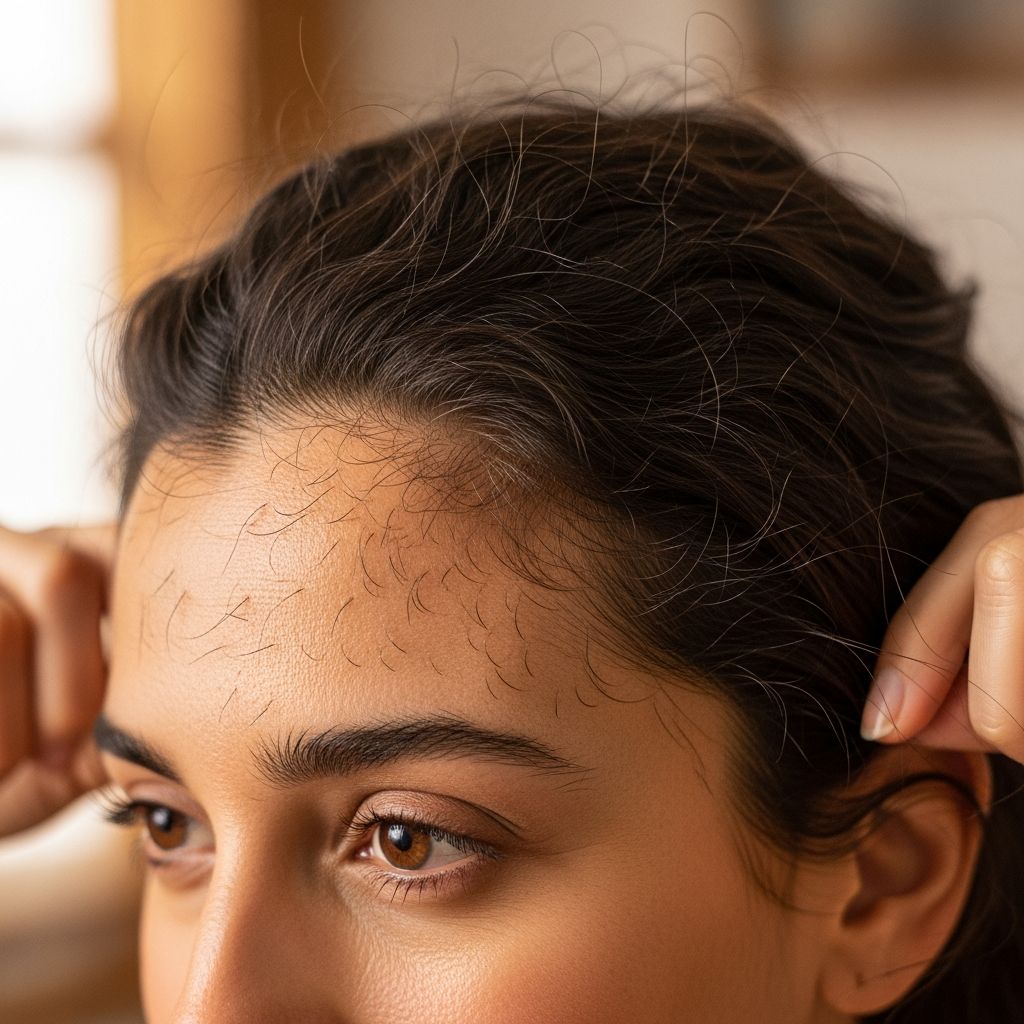
After giving birth, many new mothers notice a wave of hair shedding followed by the emergence of fine, wispy baby hairs along the hairline. This common experience, driven by hormonal fluctuations, signals the start of regrowth but can feel frustrating to manage. Understanding the science behind it empowers moms to style these strands effectively while nurturing scalp health.
Understanding the Hair Cycle Shift Postpartum
The hair growth cycle consists of three main phases: anagen (growth), catagen (transition), and telogen (resting or shedding). During pregnancy, elevated estrogen prolongs the anagen phase, reducing daily shedding and creating thicker-looking hair. Post-delivery, estrogen levels plummet, pushing up to 40-50% of follicles into telogen simultaneously, leading to noticeable loss peaking at 3-6 months.
This synchronized shedding, known as telogen effluvium, affects over 90% of women and typically resolves by 12-18 months as cycles normalize. Factors like prolonged breastfeeding can extend this by maintaining lower estrogen via prolactin, delaying full recovery. Preterm labor also correlates with increased shedding risk.
Why Fine Baby Hairs Appear During Regrowth
As telogen hairs fall out, new anagen follicles activate, producing softer, shorter strands resembling baby hair. These emerge first at the hairline due to higher follicle density there and appear finer because initial growth is thinner before thickening over time. Stress, sleep deprivation, and nutritional shifts common in new motherhood exacerbate the texture difference, making regrowth look like “postpartum bangs”.
Unlike pregnancy’s lush mane, this regrowth phase reflects the body’s reset. By 6-12 months, many see density return, though breastfeeding moms might wait until 12-15 months. Patience is key, as forcing styles too early can damage fragile new growth.
Timeline of Postpartum Hair Changes
| Month Postpartum | What to Expect | Key Influences |
|---|---|---|
| 0-3 | Initial shedding begins; minimal loss visible | Hormone drop triggers telogen entry |
| 3-6 | Peak shedding (200-400 hairs/day); thinning evident | Synchronized telogen release |
| 6-9 | Shedding slows; baby hairs sprout at hairline | New anagen phase starts |
| 9-12 | Regrowth thickens; density improves | Cycle normalization |
| 12-18 | Full recovery for most; lingering effects if breastfeeding long-term | Estrogen stabilization |
This timeline varies; long-term breastfeeding raises odds of prolonged shedding (adjusted OR 5.96 for 6-12 months vs. under 6 months).
Practical Strategies to Style and Manage Baby Hairs
Embrace these tips to tame flyaways without harm:
- Gentle Brushing: Use a soft boar bristle brush to distribute natural oils and lay down hairs without pulling.
- Light Hold Products: Opt for water-based gels or creams; avoid heavy pomades that weigh down fine strands.
- Heat Protection: Low-heat blow drying with a round brush smooths edges; round brushes add subtle volume.
- Scalp Massage: Daily 5-minute massages boost circulation, supporting follicle health.
- Protective Styles: Headbands, silk scarves, or loose ponytails prevent constant frizz battles.
Experiment with DIY fixes like aloe vera gel for natural hold or diluted flaxseed spray for humidity resistance. Always prioritize moisture to prevent breakage in this vulnerable phase.
Nutrition and Lifestyle Boosts for Faster Regrowth
While hormones drive the process, supporting recovery accelerates it. Focus on:
- Protein-Rich Diet: Hair is 95% keratin; aim for 70g daily from eggs, fish, nuts.
- Iron and Biotin: Deficiencies worsen telogen effluvium; include spinach, lentils, avocados.
- Hydration and Sleep: 8-10 glasses water daily; nap when baby naps to lower cortisol.
- Supplements: Prenatals with DHA, zinc; consult a doctor before adding others.
Stress management via meditation reduces exacerbation, as high cortisol mimics telogen triggers.
When to Consult a Professional
Telogen effluvium is self-limiting, but see a dermatologist if:
- Shedding persists beyond 18 months.
- Patchy bald spots appear (possible alopecia areata).
- Excessive fatigue or scalp itch signals thyroid issues or deficiencies.
Providers diagnose via history and exam; blood tests rule out anemia or hormones. Treatments like minoxidil are rare postpartum due to breastfeeding safety concerns.
Emotional Side of Postpartum Hair Changes
Hair loss impacts self-image amid body recovery. Social media amplifies pressure, but remember: this temporary phase doesn’t define beauty. Join mom communities for shared stories; affirmations like “My body grew life—hair will follow” rebuild confidence. Professional cuts framing new growth can refresh looks instantly.
Frequently Asked Questions
Does breastfeeding worsen postpartum hair loss?
Yes, extended breastfeeding correlates with higher risk and longer duration due to sustained low estrogen.
Can I prevent baby hairs from forming?
No, they’re natural regrowth; gentle care minimizes noticeability.
Is postpartum hair loss the same for C-section moms?
Yes, it’s hormone-driven, not delivery-method related.
How long until my hair looks normal again?
Most recover by 12 months; full thickness by 18.
Are supplements safe while nursing?
Stick to prenatals; others need doctor approval to avoid milk contamination.
Long-Term Hair Health for Busy Moms
Beyond recovery, maintain habits like weekly deep conditioning and avoiding tight styles. As hairs thicken, transition to versatile cuts like layered bobs that blend old and new growth seamlessly. Celebrate the journey—stronger, shinier hair often emerges postpartum, rewarding resilience.
This phase, though challenging, underscores the body’s incredible adaptability. With science-backed care, new moms can style confidently and focus on joy.
References
- Investigation of exacerbating factors for postpartum hair loss — Nihon University School of Medicine. 2024. https://pmc.ncbi.nlm.nih.gov/articles/PMC10846762/
- Postpartum Month-by-Month Hair Timeline: What to Expect — Hair GP. 2023. https://hairgp.co.uk/postpartum-month-by-month-hair-timeline-what-to-expect/
- How Baby’s Hair May Change After Birth—and Why — The Bump. 2023. https://www.thebump.com/a/baby-hair
- Why Do New Moms Get ‘Baby Hair’ after Giving Birth? — The Doctors (YouTube). 2018. https://www.youtube.com/watch?v=VjSSeM5nLyw
- Postpartum Hair Loss: Causes, Treatment & What to Expect — Cleveland Clinic. 2023-10-17. https://my.clevelandclinic.org/health/diseases/23297-postpartum-hair-loss