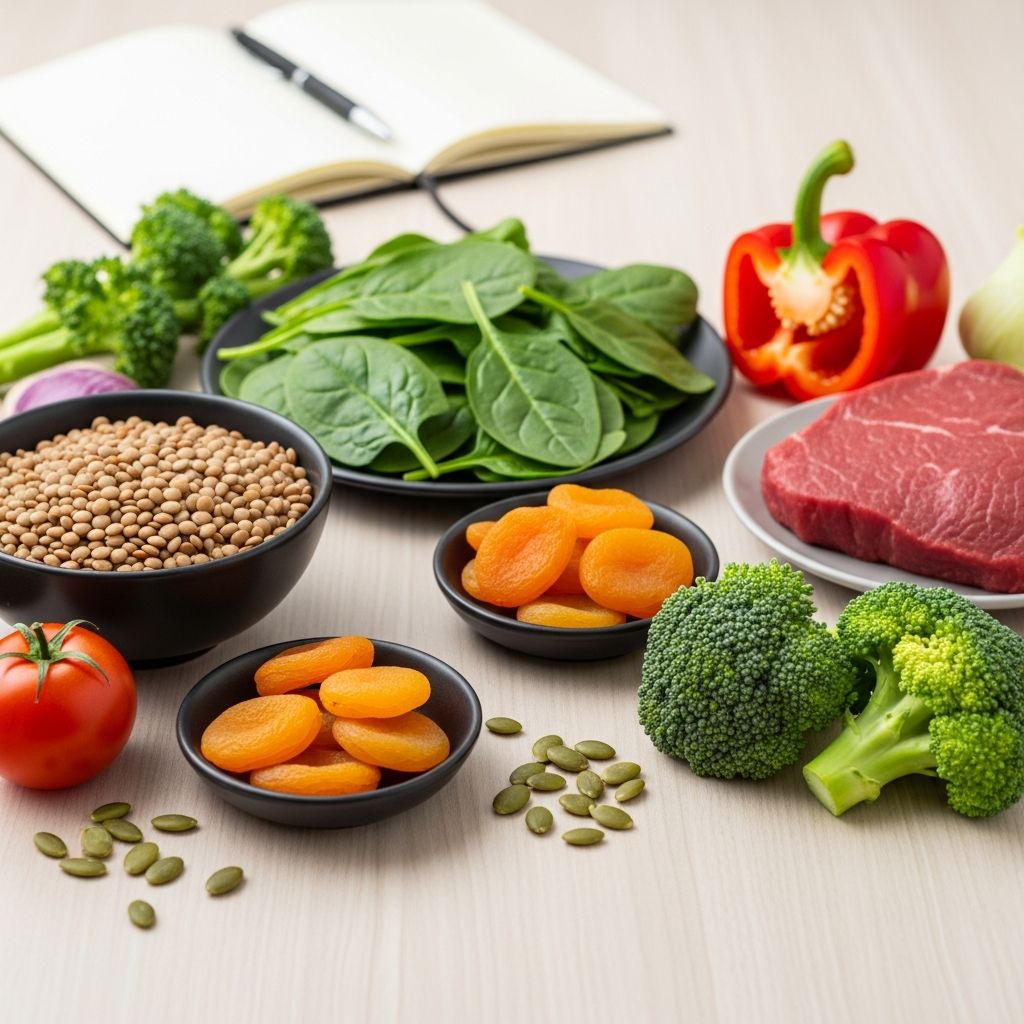
New mothers face unique nutritional challenges after childbirth, making postnatal vitamins a valuable tool for recovery and well-being. These specialized supplements help replenish depleted nutrients, support breastfeeding, and promote overall health during the demanding postpartum period.
Understanding the Postpartum Nutritional Landscape
The body undergoes profound changes during pregnancy and delivery, often leaving nutrient stores significantly reduced. Blood loss, hormonal shifts, and the demands of lactation create gaps that a standard diet may not fully address. Postnatal vitamins are formulated to bridge these gaps, providing targeted support for both mother and baby.
Unlike general multivitamins, postnatal formulas emphasize key elements like iron for anemia prevention, vitamin D for bone and immune health, and choline for brain development in breastfed infants. Continuing prenatal vitamins postpartum is a common recommendation, as they offer comprehensive coverage without the need for an abrupt switch.
Core Benefits for Maternal Recovery
Postnatal vitamins play a pivotal role in physical restoration. Here’s how they contribute:
- Energy Restoration: Fatigue is rampant postpartum due to iron loss and sleep deprivation. Iron and B vitamins in these supplements aid red blood cell production, combating anemia and boosting vitality.
- Bone Density Maintenance: Pregnancy draws calcium from maternal bones for fetal growth. Calcium paired with vitamin D ensures absorption, preserving skeletal strength and reducing fracture risk.
- Hair and Skin Vitality: Hormonal fluctuations cause hair thinning and skin dullness. Biotin, zinc, and vitamin E promote regrowth and repair, restoring pre-pregnancy glow.
These benefits extend beyond immediate recovery, fostering resilience for daily newborn care demands.
Boosting Breast Milk Quality and Lactation
Breastfeeding mothers have heightened nutrient needs to produce nutrient-dense milk. Postnatal vitamins ensure optimal composition for infant growth.
| Nutrient | Role in Breast Milk | Maternal Benefit |
|---|---|---|
| Vitamin D | Supports infant bone health; prevents rickets | Enhances immune function |
| Iodine | Aids baby thyroid development | Regulates maternal metabolism |
| Choline | Promotes neural development | Supports liver health |
| DHA | Boosts brain and eye health | Reduces inflammation |
| Iron | Prevents maternal anemia | Maintains milk iron levels |
Such nutrients pass into breast milk, safeguarding baby against deficiencies while sustaining maternal health.
Mental Health and Emotional Balance
Postpartum mood swings and depression risk heighten due to hormonal changes and nutrient shortages. B vitamins, omega-3s like DHA, and magnesium in postnatal vitamins support neurotransmitter function and stress response, potentially lowering depression incidence.
Vitamin D deficiency links to mood disorders; supplementation improves emotional stability and sleep patterns, crucial for new parents. Immune-boosting elements like vitamins A, C, and zinc further protect against illness, reducing exhaustion that exacerbates mental strain.
Key Nutrients in Postnatal Formulas
Effective postnatal vitamins prioritize bioavailable forms of essential micronutrients. Prioritize products with:
- Iron: 18-27 mg daily to rebuild stores post-blood loss.
- Vitamin D: 600-4000 IU for absorption and immunity.
- Calcium & Magnesium: For muscle relaxation and bone support; combats cramps.
- Zinc & Iodine: Thyroid and immune function.
- Choline & DHA: Cognitive support for baby via milk.
Opt for third-party tested brands to ensure purity and potency.
Prenatal vs. Postnatal: Navigating the Transition
Prenatals focus on fetal development with higher folic acid and iron. Postnatals shift toward lactation and recovery, often with more choline, DHA, and lower pre-pregnancy-specific doses. Many experts advise seamless continuation of prenatals for 6-12 months postpartum, especially if breastfeeding.
Avoid doubling up to prevent excesses like vitamin A toxicity or iron overload, which can cause nausea or constipation.
Who Benefits Most from Postnatal Vitamins?
- C-section or hemorrhage survivors needing extra iron.
- Breastfeeding vegans/vegetarians at risk for B12, iron, DHA shortfalls.
- Mothers with poor diets or multiple births.
- Those with fatigue, hair loss, or mood issues signaling deficiencies.
Even well-nourished women gain from insurance against gaps.
Safe Usage Guidelines
Consult healthcare providers before starting, especially with conditions like hemochromatosis. Take with food to enhance absorption and minimize GI upset. Pair with a balanced diet rich in whole foods for synergy.
Monitor for side effects: excessive iron may darken stools; high doses warrant blood tests.
Real-World Impact: Studies and Expert Views
Research affirms postnatal supplementation’s value. CDC recommends continued vitamins for lactating vegans. NIH reviews highlight reduced maternal-fetal risks with proper dosing. Practitioners note faster recovery and better milk quality in supplemented mothers.
Frequently Asked Questions
Are postnatal vitamins necessary if I eat healthily?
Not always, but they fill common gaps from pregnancy depletion and lactation demands. Consult your doctor for personalized advice.
Can I take prenatal vitamins instead?
Yes, many are suitable postpartum; they provide broad support without excess.
How long should I take them?
At least 6 months or throughout breastfeeding, per expert guidance.
Do they help with postpartum hair loss?
Nutrients like biotin and zinc promote regrowth, though full recovery takes time.
Are they safe for formula-feeding moms?
Absolutely; they aid personal recovery regardless of feeding method.
Empowering Your Postpartum Journey
Incorporating postnatal vitamins strategically enhances recovery, nurtures your baby, and builds long-term vitality. View them as a foundational self-care step amid motherhood’s chaos.
References
- The Crucial Role of Postnatal Vitamins for New Mothers — Mamas Select. 2023. https://www.mamasselect.com/blogs/mamas-select-blog/the-crucial-role-of-postnatal-vitamins-for-new-mothers
- Should you Keep Taking Prenatal Vitamins After birth? — Needed. 2023. https://thisisneeded.com/blogs/postpartum/why-you-still-need-prenatal-supplements-postpartum
- A critical evaluation of prenatal supplements: Are they meeting… — NIH/PMC. 2024-02-15. https://pmc.ncbi.nlm.nih.gov/articles/PMC10866212/
- Prenatal versus Postnatal Supplements. What’s the Difference? — Australian Birth Stories. 2023. https://australianbirthstories.com/pregnancy/prenatal-versus-postnatal-supplements-whats-the-difference/
- 8 Reasons to Take Prenatal Vitamins After Birth — Seeking Health. 2023. https://www.seekinghealth.com/blogs/education/8-reasons-to-take-prenatal-vitamins-after-birth
- Postnatal Vitamins: What Are They and Who Should Take Them? — GoodRx. 2024. https://www.goodrx.com/conditions/pregnancy/postnatal-vitamins
- Prenatal vitamins: OK for women who aren’t pregnant? — Mayo Clinic. 2023-11-01. https://www.mayoclinic.org/healthy-lifestyle/nutrition-and-healthy-eating/expert-answers/prenatal-vitamins/faq-20057922