Understanding Placental Positioning During Pregnancy
The placenta serves as the vital connection between mother and developing baby, providing oxygen, nutrients, and hormonal support throughout pregnancy. Beyond its biological function, the physical location of the placenta within the uterus can influence various aspects of the pregnancy experience. One common placement pattern is the posterior position, where the placenta attaches to the back wall of the uterus. Understanding this positioning and its implications can help expectant parents better prepare for their pregnancy journey and feel more informed about their healthcare decisions.
What Does Posterior Placental Positioning Mean?
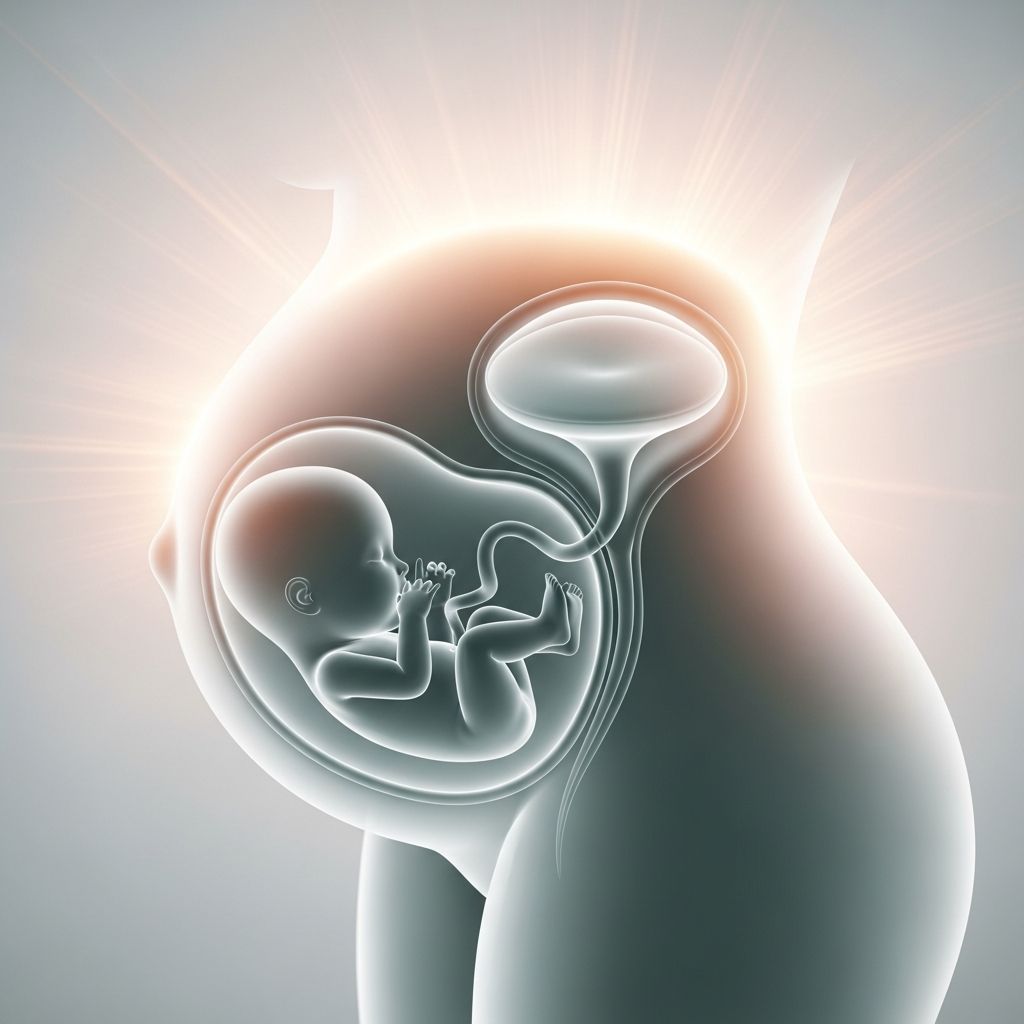
Placental position refers to where the organ implants itself on the uterine wall. The posterior position indicates that the placenta has established itself along the back wall of the uterus, closer to the maternal spine. This is one of several normal placental locations, including anterior (front wall), fundal (top of uterus), and lateral (side) positions. Research indicates that the posterior placement is quite common, representing approximately 41% of all placentas in pregnant individuals, making it the second most frequently observed position after anterior placement.
The back wall of the uterus has distinct anatomical characteristics compared to other uterine surfaces. This region is thicker and longer, which may influence how effectively nutrients and oxygen transfer to the developing baby as the placenta expands throughout pregnancy. Despite these anatomical differences, a posterior placenta does not inherently compromise fetal development or maternal health in the majority of pregnancies.
Impact on Fetal Movement Perception
One of the most noticeable differences expectant mothers experience with a posterior placenta involves the timing and intensity of perceived fetal movements. Because the placenta occupies the back portion of the uterine cavity, it creates less cushioning between the developing baby and the anterior uterine wall. This anatomical arrangement allows fetal movements to transmit more directly to the abdominal wall where the mother can detect them.
Women carrying pregnancies with posterior placentas frequently report feeling their baby’s movements earlier than those with anterior placentas, sometimes as early as 16 weeks of gestation. These movements often feel more pronounced and distinct, as the placenta is not absorbing the impact of fetal kicks and rolls. Research demonstrates that maternal perception of fetal movements is 2.10 times less likely to be reduced with a posterior placenta compared to an anterior position. This earlier detection can provide reassurance to expectant mothers and enhance their sense of connection with their developing child during early pregnancy.
Back Discomfort and Postural Considerations
While a posterior placenta positioning generally does not pose significant health risks, it may contribute to increased back discomfort during pregnancy. The placement of the placenta against the posterior uterine wall can exert additional pressure on the surrounding maternal spine and musculature, particularly as the uterus expands during the second and third trimesters. This pressure can manifest as lower back aching, discomfort, or general spinal strain.
Multiple factors compound this potential for increased back pain beyond placental positioning alone. Maternal body mass index, fetal size, previous pregnancies (multiparity), and overall posture significantly influence the likelihood and intensity of back discomfort. Women experiencing back pain should discuss management strategies with their healthcare providers. Beneficial approaches may include:
- Prenatal yoga and stretching programs designed for pregnant bodies
- Proper body mechanics and ergonomics during daily activities
- Supportive maternity belts or bands
- Regular low-impact exercise such as walking or swimming
- Massage therapy or physical therapy targeting pregnancy-related discomfort
- Heat therapy applied to affected areas
Potential Complications Associated with Posterior Placement
Although posterior placental positioning is considered normal and healthy, certain complications can develop regardless of placental location. Understanding these potential complications allows expectant mothers to recognize warning signs and seek appropriate medical attention when necessary.
Placenta Previa
Placenta previa occurs when the placenta grows over the cervical opening, potentially blocking the birth canal. While this complication can occur with placentas in any position, including posterior, a low-lying posterior placenta might migrate further downward to cover the cervix as the pregnancy progresses. This condition can result in vaginal bleeding and typically necessitates cesarean delivery to prevent maternal hemorrhage and fetal complications. Regular ultrasound monitoring can detect this condition early, allowing healthcare providers to develop appropriate management plans.
Placenta Accreta
Placenta accreta represents the opposite concern, where placental tissue embeds abnormally deep into the uterine wall or even extends into the surrounding muscles. Contrary to some beliefs, this complication is not significantly more common with posterior placentas compared to other positions. Placenta accreta poses risks primarily during the third stage of labor when the placenta separates from the uterine wall, as excessive bleeding can occur. Healthcare providers typically identify risk factors during pregnancy through imaging studies and clinical assessment.
Preterm Birth and Fetal Loss
Research has identified associations between posterior placental positioning and increased risks of preterm labor and stillbirth. The exact mechanisms underlying these associations remain unclear, though some researchers hypothesize that the thicker posterior uterine wall may affect placental blood flow and nutrient delivery as the placenta expands. Additionally, associations have been noted between posterior placental positioning and A-positive blood groups, though the clinical significance of this relationship requires further investigation. Despite these identified associations, the absolute risk remains low, and most posterior placentas support healthy pregnancies to term.
Posterior Placenta and Labor Presentation
Fetal positioning during labor significantly influences labor progression and delivery experience. Babies with posterior placentas show a slightly higher tendency to assume the occiput posterior position (sometimes described as “sunny-side up”) during labor, where the back of the baby’s head presses against the maternal spine. Approximately 15-30% of babies born to mothers with posterior placentas present in this position at some point during labor.
The occiput posterior position can contribute to back labor, a labor pattern characterized by intense lower back pain during contractions. However, most babies naturally rotate to the optimal occiput anterior position as labor progresses, even when initially presenting posterior. Healthcare providers can offer multiple pain management options regardless of fetal position, ensuring that laboring women have access to comfort measures such as position changes, movement, breathing techniques, epidural anesthesia, and other supportive interventions.
Delivery Outcomes with Posterior Placental Positioning
One significant advantage of posterior placental positioning involves its neutral impact on delivery method and outcomes. Because the placenta is positioned away from the cervical opening, it does not obstruct the birth canal or interfere with fetal descent during labor. This anatomical arrangement actually facilitates vaginal delivery, as the baby has unobstructed access to the birth canal and cervix.
Women with posterior placentas experience normal vaginal delivery rates comparable to those with anterior placentas. Cesarean delivery rates are not significantly elevated with this placental position. The posterior position may even be considered ideal for vaginal delivery, as the placenta remains out of the way throughout the laboring and birthing process. Labor progression, duration, and difficulty are not substantially affected by posterior placental positioning alone, assuming no other complicating factors exist.
Comparing Anterior and Posterior Placental Positions
| Characteristic | Posterior Placenta | Anterior Placenta |
|---|---|---|
| Prevalence | Approximately 41% of pregnancies | Most common position overall |
| Fetal Movement Perception | Earlier and stronger movements felt (around 16 weeks) | Later perception of movements; movements may feel softer |
| Ultrasound Imaging | Generally clearer images obtainable | May slightly complicate visualization; less clear images |
| Back Pain Risk | Slightly elevated risk | Lower risk |
| Fetal Cushioning | Minimal cushioning of kicks | Acts as cushion; provides comfort |
| Vaginal Delivery Feasibility | Ideal for vaginal delivery; no obstruction | Normal delivery possible; generally unobstructed |
| Preterm Labor Risk | Slightly elevated association | Standard risk profile |
Health Maintenance Across Pregnancy Stages
Regardless of placental positioning, maintaining overall health throughout pregnancy supports optimal fetal development and maternal wellbeing. Expectant mothers with posterior placentas should continue with routine prenatal care, including scheduled ultrasound examinations, blood pressure monitoring, glucose screening, and comprehensive physical assessments. These standard prenatal care visits allow healthcare providers to monitor placental function, fetal growth, and maternal health status.
Lifestyle modifications that support healthy pregnancy include maintaining appropriate physical activity levels, consuming a nutrient-dense diet, managing stress through relaxation techniques, attending prenatal education classes, and preparing mentally and emotionally for labor and delivery. None of these recommendations change based on placental positioning; they represent universal best practices for pregnancy health.
Frequently Asked Questions About Posterior Placenta
Does a posterior placenta affect baby’s growth and development?
No, posterior placental positioning does not negatively impact fetal growth or development. The placenta continues to provide oxygen, nutrients, and hormonal support regardless of its position. Babies develop normally with posterior placentas, and birth weights and developmental outcomes are comparable to those with placentas in other positions.
Will I definitely experience back pain with a posterior placenta?
Not necessarily. While posterior placental positioning may increase the likelihood of back discomfort, individual experiences vary widely. Other factors such as body weight, posture, muscle strength, and overall pregnancy health significantly influence whether and how intensely back pain develops. Many women with posterior placentas experience minimal or no back pain throughout their pregnancies.
Can I have a normal vaginal delivery with a posterior placenta?
Yes, absolutely. A posterior placenta actually supports normal vaginal delivery, as it does not obstruct the birth canal or cervix. Most women with posterior placentas experience uncomplicated vaginal deliveries. Cesarean delivery may become necessary for other reasons unrelated to placental positioning, but the posterior position itself does not increase cesarean rates.
How is placental position diagnosed?
Placental position is identified through ultrasound imaging, typically during routine second or third trimester ultrasound examinations. Sonographers visualize the placental location relative to the uterine wall and document this in the ultrasound report. Multiple ultrasounds throughout pregnancy may reveal that placental position remains consistent or changes slightly.
Is there any way to change placental position after it has implanted?
No, once the placenta has implanted in the uterine wall, its position cannot be altered through maternal actions, exercises, or interventions. The location is determined by where the fertilized egg implanted and becomes established in the early stages of pregnancy.
What should I do if my healthcare provider mentions complications related to my posterior placenta?
Work closely with your healthcare team to understand the specific concern, what monitoring will occur, and what delivery or management options may be considered. Conditions such as low-lying placenta or placenta previa require careful monitoring but can often be managed successfully throughout pregnancy and delivery.
Key Takeaways and Moving Forward
A posterior placenta represents a normal, healthy placement that occurs in a substantial portion of pregnancies. The posterior position carries no inherent health risks and does not compromise fetal development, growth, or overall pregnancy outcomes. Women carrying posterior placentas often enjoy earlier perception of fetal movements and experience an anatomically favorable arrangement for vaginal delivery.
While potential complications such as preterm labor, placenta previa, or placenta accreta can theoretically occur with any placental position, the posterior location itself does not significantly increase the likelihood of these events. Regular prenatal care, open communication with healthcare providers, and attention to general pregnancy health practices support successful pregnancies with posterior placentas.
Expectant mothers with posterior placentas should feel reassured that their placental positioning represents a normal variation of healthy pregnancy. With standard prenatal monitoring and appropriate self-care, most women proceed through pregnancy and labor without complications directly attributable to placental location. The focus should remain on overall pregnancy wellness rather than concerns specific to posterior positioning.
References
- Posterior placenta: what it means for your pregnancy — Made for Mums. 2024. https://www.madeformums.com/pregnancy/posterior-placenta/
- What Does It Mean to Have a ‘Posterior Placenta’? — Inito Blog. 2024. https://blog.inito.com/posterior-placenta/
- Anterior vs Posterior Placenta: Difference Between, Risk & Safety — Metropolis Healthcare. 2024. https://www.metropolisindia.com/blog/preventive-healthcare/anterior-vs-posterior-placenta
- Posterior Placenta: Meaning, Position & Pregnancy Impact — Women in Balance. 2025. https://womeninbalance.org/2025/05/30/posterior-placenta/
- Understanding Posterior Placenta in Pregnancy — Dr. Aravind’s Fertility & IVF Center. 2024. https://www.draravindsivf.com/blogs/posterior-placenta
- Posterior Placenta Location: Is Posterior Positioning Good for Pregnancy? — Flo. 2024. https://flo.health/pregnancy/pregnancy-health/complications/posterior-placenta-location
- Fetal Development and Placental Health — NHS Pregnancy Information. 2024. https://www.nhs.uk/pregnancy/labour-and-birth/placenta-complications/