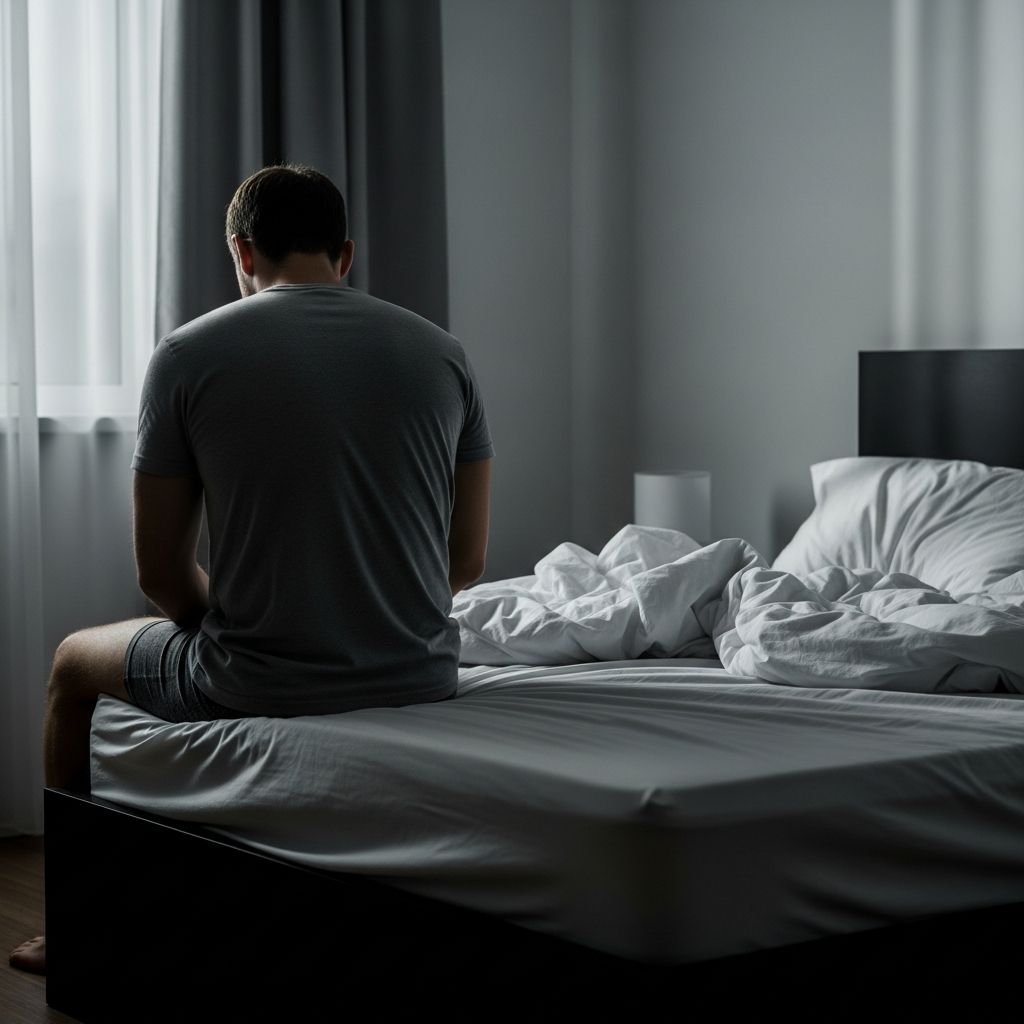
Many men experience unexpected sadness, irritability, or emotional distance immediately after consensual and enjoyable sex. This phenomenon, known as postcoital dysphoria (PCD), impacts up to 41% of men at some point in their lives, manifesting as unhappiness, low energy, or mood swings.
Understanding the Emotional Aftermath of Intimacy
Postcoital dysphoria refers to a range of negative emotions that arise post-orgasm or after sexual activity, even when the experience was positive. Unlike performance anxiety during sex, PCD strikes in the resolution phase, leaving men feeling flat or detached. Research indicates that 91.9% of people report some postcoital symptoms in the past four weeks, with men commonly citing unhappiness and fatigue.
This condition challenges the stereotype of male stoicism post-sex. Instead of fulfillment, some men grapple with tearfulness, agitation, or a sense of emptiness, prompting questions about underlying biology and psychology.
Common Symptoms Men Report After Sex
Symptoms vary but often include:
- Unhappiness or sudden sadness without clear cause
- Low energy or profound fatigue
- Irritability, frustration, or aggression
- Mood swings alternating between relief and gloom
- Numbness, emptiness, or emotional detachment
- Anxiety, shame, or self-loathing in severe cases
These feelings can last minutes to hours, disrupting connection with partners and self-perception. Men may feel greatest distress right when bonding should peak.
Hormonal Shifts: The Biological Trigger
Sex involves a cascade of hormones: dopamine surges for pleasure, oxytocin for bonding, and endorphins for euphoria. Post-orgasm, these plummet, while prolactin rises, potentially inducing relaxation in some but irritability in others.
Testosterone, key for mood and libido, doesn’t drop sharply like dopamine but low baseline levels amplify crashes. Low-T men may feel ‘flat’ or down post-sex due to impaired emotional regulation. Opioids released during climax inhibit dopamine and oxytocin, exacerbating dips.
| Hormone | Role During Sex | Post-Sex Effect |
|---|---|---|
| Dopamine | Drive and pleasure | Sharp decline, leading to low mood |
| Oxytocin | Bonding and trust | Drop contributes to detachment |
| Prolactin | Post-orgasm signal | Rise linked to irritability |
| Testosterone | Mood stability | Low levels worsen symptoms |
Serotonin and cortisol also fluctuate, influencing anxiety or stress responses.
Psychological and Relational Factors
Beyond biology, mental health plays a role. PCD correlates with depression, anxiety, and psychological distress. Men with performance worries or shame may crash harder post-sex.
Insecure attachment styles—anxious or avoidant—heighten vulnerability. Intimacy evokes fears of engulfment or abandonment, triggering anxiety or mistrust during vulnerability. Past sexual trauma or childhood abuse can resurface guilt or discomfort, associating sex with negativity.
Relationship dynamics matter too: unmet emotional needs, stress, or poor communication amplify PCD. Sleep deprivation or high baseline stress sensitizes the brain to post-sex dips.
Prevalence: You’re Not Alone
Studies show PCD is widespread. One survey found 94.3% lifetime prevalence of symptoms, with men reporting unhappiness and low energy most often, differing from women’s mood swings and sadness. Another notes 41% of men affected lifetime, versus 46% women.
PCD occurs regardless of orgasm—some feel it post-intercourse without climax. It’s not tied to dysfunction but can signal deeper issues if chronic.
Health Risks of Ignoring PCD
Untreated PCD risks escalation: worsened anxiety, depression, low self-esteem, substance use, or relationship strain. Self-criticism fosters hopelessness; partners may misinterpret distance as rejection, eroding trust.
Chronic cases link to broader mental health declines, emphasizing early intervention.
Strategies to Manage and Prevent Post-Sex Blues
Address PCD through lifestyle, therapy, and medical checks:
- Lifestyle tweaks: Exercise boosts testosterone; prioritize 7-9 hours sleep, limit alcohol/smoking, maintain healthy weight.
- Mindfulness: Post-sex breathing exercises or cuddling sustain oxytocin.
- Communication: Discuss feelings with partners to build security.
- Therapy: Cognitive-behavioral therapy (CBT) reframes thoughts; trauma-focused for past abuse.
Test for low-T via bloodwork; if confirmed, testosterone replacement therapy (TRT) may help, but monitor side effects like shifted estrogen/prolactin. Medication manages co-occurring anxiety/depression.
When to Seek Professional Help
Consult a doctor if PCD is frequent, intense, or disrupts life/relationships. Rule out low-T, thyroid issues, or depression. Psychiatrists offer tailored plans, including meds or therapy.
Track episodes: note triggers like stress or partner dynamics for discussions.
Frequently Asked Questions (FAQs)
What causes postcoital dysphoria in men?
Hormone drops (dopamine, oxytocin), low testosterone, stress, attachment issues, or trauma.
Does PCD mean something’s wrong with my relationship?
Not necessarily—it’s often biological or personal, but open talks can strengthen bonds.
Can exercise fix post-sex sadness?
Yes, regular activity raises testosterone and mood stability, reducing crash intensity.
Is PCD the same as post-nut clarity?
No—clarity is neutral/positive; PCD is negative emotions like sadness.
How common is PCD in men?
Up to 41% experience it lifetime; many report symptoms regularly.
Building Emotional Resilience for Better Intimacy
PCD doesn’t define your sex life. Awareness empowers change: normalize discussions, experiment with aftercare like shared showers or talks. Over time, men report fewer episodes, deeper connections.
Integrate self-care: journaling post-sex insights, practicing gratitude. Partners’ empathy fosters healing.
Ultimately, PCD highlights intimacy’s complexity—vulnerability’s reward is growth. Seek support confidently.
References
- Sad After Sex? ‘Post-Coital Dysphoria’ Is Real—and Fixable — Men’s Health. 2024-10-18. https://www.menshealth.com/health/a65994033/post-sex-mood-swings-testosterone/
- Postcoital Symptoms in a Convenience Sample of Men and Women — PubMed (Journal of Sexual Medicine). 2020-01-14. https://pubmed.ncbi.nlm.nih.gov/31937518/
- Postcoital Dysphoria: A Comprehensive Guide — Your Local Psychiatrist. 2023. https://yourlocalpsychiatrist.nyc/rm-blog/everything-you-need-to-know-about-postcoital-dysphoria/
- You’re Not Broken: Why Almost Half of People Feel Sad After Sex — Therapy Group of DC. 2023. https://therapygroupdc.com/therapist-dc-blog/youre-not-broken-why-almost-half-of-people-feel-sad-after-sex/
- Psychiatrist Explains, “Why Do I Feel Sad After Sex?” — Neuro Wellness Spa. 2024. https://neurowellnessspa.com/why-do-i-feel-sad-after-sex/