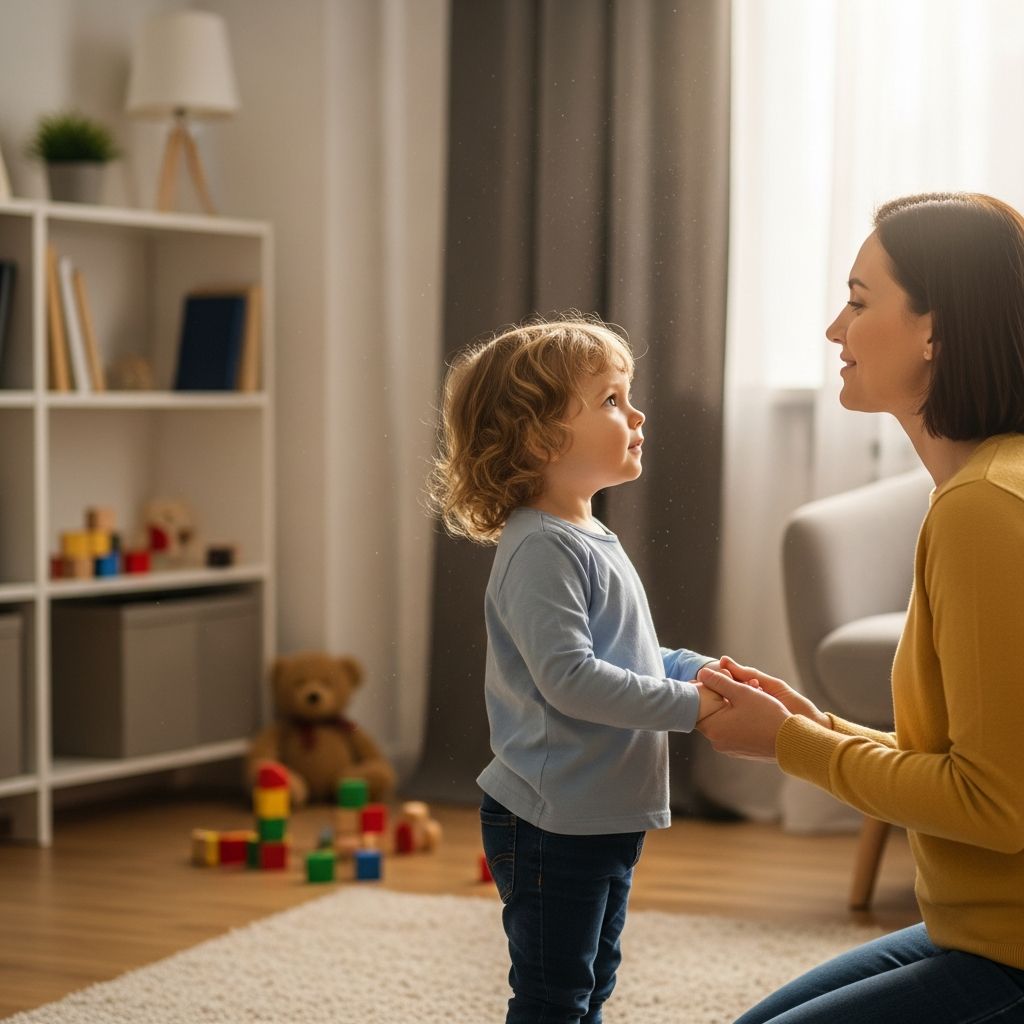
Why Positive Discipline Matters
Traditional discipline often relies on punishment to correct misbehavior, but research shows that children thrive best in environments built on respect, empathy, and clear guidance. Positive discipline is a parenting approach that focuses on teaching children how to make good choices, rather than simply enforcing rules through fear or consequences. By fostering a nurturing atmosphere, parents can help children develop self-control, emotional intelligence, and a strong sense of responsibility.
Core Principles of Gentle Discipline
- Mutual Respect: Both parents and children deserve respect. Discipline should never undermine a child’s dignity or sense of self-worth.
- Understanding the Root Cause: Misbehavior often stems from unmet needs or emotions. Identifying the underlying reason helps parents respond with empathy and support.
- Clear Communication: Explaining expectations and listening to children’s perspectives builds trust and cooperation.
- Consistency: Children feel secure when they know what to expect. Consistent boundaries and follow-through help them understand the connection between actions and outcomes.
- Problem-Solving Skills: Empowering children to find solutions to their own challenges fosters independence and resilience.
Practical Strategies for Everyday Parenting
Implementing positive discipline in daily life requires patience and intentionality. Here are several effective techniques:
Set Clear and Age-Appropriate Expectations
Children need to know what is expected of them. Use simple, specific language to explain rules and boundaries. For example, instead of saying “Be good,” try “We use gentle hands with our pets.” Involving children in setting some rules can increase their sense of responsibility and buy-in.
Use Positive Reinforcement
When children behave well, acknowledge it with specific praise. For instance, “I noticed you shared your toys with your sister. That was very kind of you!” This reinforces positive behavior and encourages children to repeat it.
Implement Natural and Logical Consequences
Consequences should be directly related to the misbehavior and focus on learning, not punishment. If a child refuses to wear a coat and feels cold, that’s a natural consequence. A logical consequence might be losing screen time for not completing homework.
Practice Active Listening
Children often misbehave because they feel misunderstood. Maintaining eye contact, acknowledging feelings, and reflecting back what they say can help de-escalate tantrums and build trust.
Model Desired Behavior
Children learn by example. Exhibiting patience, honesty, and kindness in daily interactions teaches far more than words alone. Admitting and apologizing for mistakes models accountability and self-regulation.
Teach Problem-Solving Skills
Guide children through identifying problems and brainstorming solutions. For younger children, this might look like: “You and your brother both want the same toy. What could we do to solve this problem?” Allowing children to make choices and experience outcomes builds confidence and reduces conflict.
Benefits of Positive Discipline
| Benefit | Description |
|---|---|
| Stronger Parent-Child Bond | Respectful communication fosters trust and emotional connection. |
| Improved Self-Esteem | Children feel valued and capable when their efforts are recognized. |
| Greater Cooperation | Clear expectations and consistent follow-through encourage children to cooperate. |
| Enhanced Emotional Intelligence | Children learn to identify and manage their emotions through empathetic guidance. |
| Reduced Power Struggles | Consistency and mutual respect minimize conflicts and tantrums. |
Common Challenges and Solutions
- Resistance to Change: Shifting from punitive to positive discipline can be difficult. Start small, focus on one strategy at a time, and be patient with yourself and your child.
- Inconsistency Among Caregivers: Align discipline approaches among all caregivers to ensure children receive consistent messages.
- Emotional Overwhelm: When emotions run high, take a moment to breathe and calm down before responding. Modeling self-regulation teaches children how to manage their own emotions.
FAQs
What is the difference between punishment and positive discipline?
Punishment focuses on controlling behavior through fear or negative consequences, while positive discipline teaches children how to make good choices through empathy, guidance, and respect.
How can I stay consistent with positive discipline?
Consistency comes from clear expectations, regular routines, and following through with agreed-upon consequences. Aligning approaches among all caregivers also helps maintain consistency.
What if my child doesn’t respond to positive discipline?
Every child is different. If a strategy isn’t working, try adjusting your approach or seek support from parenting resources or professionals. Patience and flexibility are key.
Can positive discipline work for older children?
Yes, positive discipline is effective for children of all ages. The principles of respect, empathy, and clear communication apply regardless of age.
How do I handle misbehavior in public?
Stay calm, use positive timeouts if needed, and focus on what your child should do instead of what not to do. Praise good behavior and address misbehavior privately when possible.
Conclusion
Positive discipline is not about being permissive or avoiding boundaries. It’s about guiding children with empathy, respect, and clear expectations. By focusing on teaching rather than punishing, parents can help children develop the skills they need to thrive emotionally, socially, and academically. Implementing these strategies takes practice and patience, but the rewards are a happier, more cooperative family life.