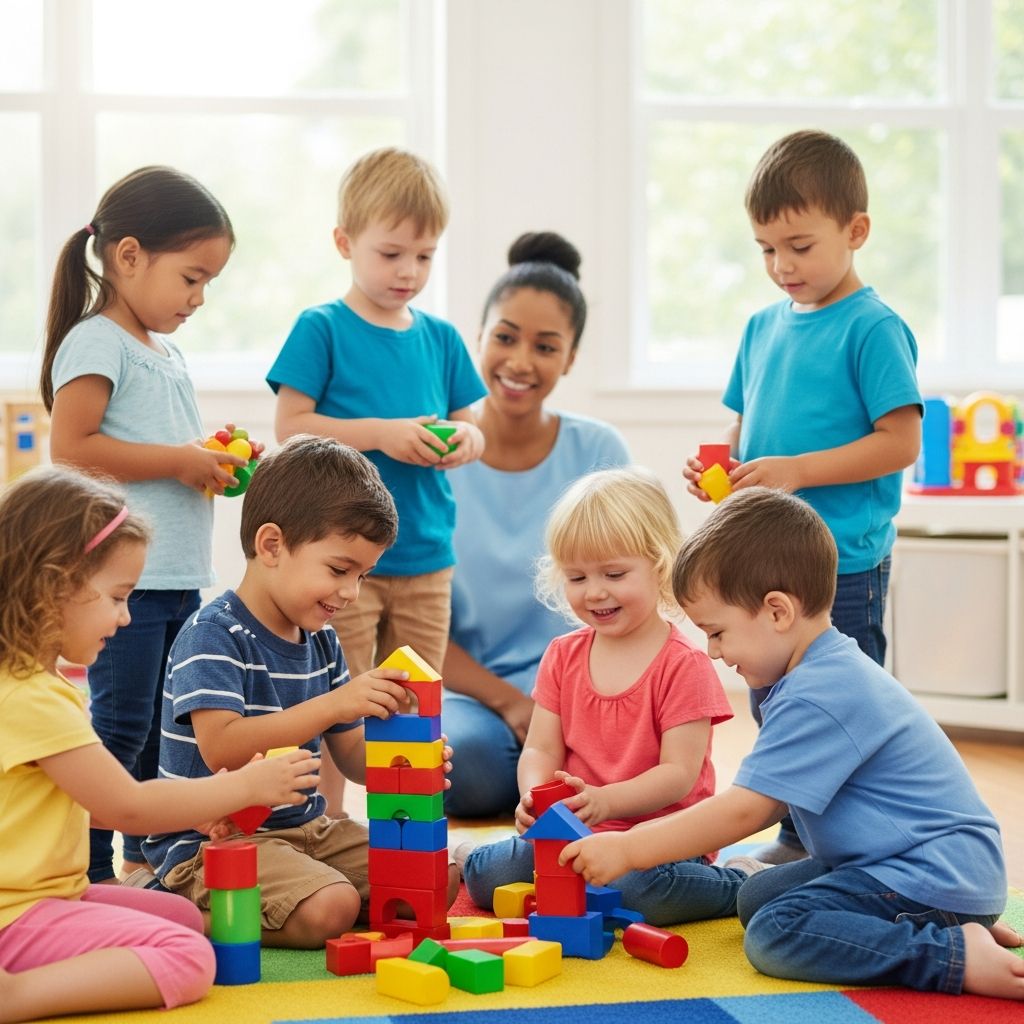
Every child misbehaves at times, and every parent has moments of feeling stuck, frustrated, or unsure about what to do next. Yet those tough moments are also powerful opportunities to teach life skills such as self-control, empathy, and responsibility. When adults respond thoughtfully instead of reacting on impulse, children gradually learn to manage their own behavior and emotions.
Why Young Children Behave Inappropriately
Inappropriate behavior in early childhood is usually a sign of lagging skills or unmet needs, not a sign of a “bad” child. Young children are still learning how to manage big feelings, solve problems, and ask for what they want. They often rely on instinctive reactions like grabbing, yelling, or running away when overwhelmed.
Common drivers of challenging behavior include fatigue, hunger, overstimulation, sudden changes in routine, and feeling powerless or ignored. When adults look beneath the surface and ask, “What is this behavior trying to tell me?” they can respond more helpfully and reduce repeated problems over time.
Seeing Behavior as Communication
One helpful shift for parents is to treat behavior as a message, not just a problem. A child who hits may be saying, “I need help” or “I don’t have the words to solve this.” When adults stay curious rather than judgmental, they can decode the message and teach better ways to express it.
This perspective does not mean excusing harmful actions. Instead, it recognizes that firm limits and empathy can coexist. Parents can clearly state that behavior is not okay while still acknowledging the emotion or need behind it.
Preparation Before Problems Arise
The most effective behavior strategies start long before there is a meltdown on the floor. Proactive parenting reduces triggers and sets children up for success so that misbehavior becomes less frequent and less intense over time.
Simple routines, clear expectations, and regular positive attention often do more to improve behavior than any consequence imposed after the fact. The goal is to create a daily environment where appropriate behavior is the easiest and most natural option for the child.
Building a Supportive Daily Structure
Predictable routines help children feel safe and reduce anxiety, which in turn lowers the chances of acting out. When children know what comes next, they spend less energy resisting and more energy cooperating. Even flexible households benefit from a loose rhythm for mornings, mealtimes, and bedtimes.
Visual cues such as picture schedules, simple charts, or color-coded calendars can help young children anticipate transitions. These tools shift some responsibility onto the child: instead of battling the adult, they learn to follow the plan everyone can see.
| Situation | Without Structure | With Supportive Structure |
|---|---|---|
| Morning routine | Parent calls out random instructions; child stalls and argues. | Picture chart showing “get dressed, eat, brush teeth, shoes” that the child checks off. |
| Screen time | Unclear limits; arguments every time screens are turned off. | Pre-agreed time window and a timer that signals when screen time ends. |
| Clean-up | Sudden demand to “clean everything”; child feels overwhelmed. | Short clean-up songs, clear bins with labels, and a rule that one activity is put away before starting the next. |
Setting Clear and Respectful Expectations
Children cannot follow rules they do not understand. Expectations work best when they are simple, concrete, and stated positively. Instead of long lectures, short phrases such as “Walk feet inside” or “Hands to yourself” tell children exactly what to do.
Whenever possible, explain why a rule exists in age-appropriate language. Knowing that “we walk inside so people stay safe” helps children see rules as part of caring for one another, not just adult control.
Tips for Creating Effective Rules
- Limit household rules to a small number of broad, easy-to-remember ideas.
- Phrase rules as what to do, not just what to avoid (for example, “Use gentle hands” instead of “Don’t hit”).
- Practice rules during calm times with role-play or pretend games.
- Post rules at child eye-level with simple pictures or icons.
The Power of Connection Before Correction
Children are more likely to follow guidance from adults they feel connected to. A strong emotional bond does not eliminate misbehavior, but it makes cooperation easier and repair faster. Moments of positive attention throughout the day act like deposits in a relationship “bank account” that parents can draw on during difficult moments.
Short, consistent rituals—such as a few minutes of one-on-one play, special handshakes, or bedtime check-ins—can strengthen this connection. When children feel seen and valued even when they are not in trouble, they become more open to feedback and limits.
Everyday Ways to Strengthen Connection
- Offer a warm greeting in the morning: eye contact, a hug, and a brief chat about the day ahead.
- Spend 5–10 minutes of “child-led” play where the adult follows the child’s lead with full attention.
- Notice and describe positive behaviors without adding evaluations: “You shared your blocks with your sister.”
- Create small, predictable rituals such as a snack-time question, evening walk, or story selection routine.
Handling Inappropriate Behavior in the Moment
Even with thoughtful preparation, children will still test limits, act impulsively, and make mistakes. The way adults respond in these heated moments either escalates the situation or gradually teaches self-control. Calm, consistent responses reduce drama while still holding firm boundaries.
A simple mental checklist—safety first, calm second, teaching third—can guide adults through these stressful encounters. This sequence helps ensure that no one moves straight from anger to discipline without a brief pause to cool down.
A Step-by-Step Response Sequence
- Ensure safety: Gently block hits, remove dangerous objects, or move other children away.
- Regulate emotions: Speak in a low, steady voice; use simple phrases; give the child space or a calm corner.
- State the limit clearly: Name what is not okay and, if needed, what will happen next.
- Offer a better option: Suggest or model an acceptable way to get the same need met.
- Repair and reflect later: Once everyone is calm, briefly talk about what happened and practice a different response.
Teaching Replacement Behaviors
Stopping a behavior is only half the job; children also need to know what to do instead. Replacement behaviors are acceptable actions that meet the same need as the inappropriate behavior. For example, a child who grabs toys may need to be shown how to ask for a turn or wait using a visual cue.
Because young children learn best through repetition and play, adults should expect to practice these new skills many times before they become habits. Each time a child chooses the new behavior, specific praise reinforces the learning and builds confidence.
Examples of Common Replacement Behaviors
- Instead of hitting: tapping a shoulder, calling a name, or asking an adult for help.
- Instead of screaming: using a simple phrase such as “all done,” “help please,” or “too loud.”
- Instead of running away: walking to a calm spot or squeezing a fidget when overwhelmed.
- Instead of throwing: placing items gently in a designated bin or handing them to an adult.
Using Natural and Logical Consequences
Consequences are most helpful when they are related, respectful, and reasonable. Natural consequences happen without adult intervention (for instance, a toy breaks if it is used too roughly). Logical consequences are created by adults but directly connected to the behavior, such as pausing play with a toy that is being misused.
The goal of consequences is to guide, not to humiliate or frighten. Children learn best when the adult’s tone is calm and matter-of-fact, and when the consequence is explained briefly rather than in a long, angry speech.
Guidelines for Helpful Consequences
- Decide on key consequences in advance so you are less likely to react from anger.
- Keep consequences short, especially for younger children, and allow fresh chances to try again.
- Avoid consequences that are unrelated to the behavior, such as taking away meals or affection.
- Pair consequences with coaching: “The game is paused because pieces were thrown. We can try again when you are ready to keep them on the table.”
Encouragement and Positive Reinforcement
Children repeat behaviors that bring them connection, success, or pleasure. Purposeful use of encouragement and reinforcement can make positive behaviors feel more rewarding than negative ones. This does not require elaborate reward systems; often, a moment of warm attention is enough.
Specific feedback—naming exactly what the child did well—helps them understand which actions to repeat. Over time, adults can gradually shift from external rewards to internal motivation by emphasizing effort, progress, and the child’s own sense of pride.
Simple Reinforcement Ideas
- Use “noticing” statements: “You put your shoes away when I asked. That was responsible.”
- Create small, time-limited charts for a single behavior goal, such as staying at the table during dinner.
- Offer choices as a reward for cooperation, like choosing the family game or bedtime story.
- Celebrate steps in the right direction, not just perfect behavior.
Supporting Emotional Regulation
Many challenging behaviors occur because children do not yet know how to calm their bodies and minds. Teaching emotional regulation skills is a long-term project, but even preschoolers can learn simple strategies. Adults act as co-regulators at first, helping children borrow their calm until they can find it on their own.
Practice is most effective during neutral or happy moments, not just during crises. When calming techniques are familiar and fun, children are more likely to use them when they feel overwhelmed.
Kid-Friendly Calming Strategies
- Slow, deep breathing with visual cues, such as “smell the flower, blow out the candle.”
- Using a quiet corner with soft items, books, or sensory tools like stress balls.
- Movement breaks such as stretching, animal walks, or gentle dancing.
- Simple phrases for self-talk like “I can handle this” or “I need a break.”
Working as a Parenting Team
Children thrive when the adults in their lives respond in consistent ways. While no two caregivers will handle every situation identically, broad agreement on routines, rules, and consequences prevents confusion and reduces power struggles. A united front also makes it easier for adults to support each other when they feel worn down.
Regular, calm conversations about parenting values and strategies allow caregivers to adjust their approach as children grow. It is helpful to review what seems to be working, where everyone is stuck, and what to try differently, rather than blaming each other for difficult behavior.
When to Seek Additional Support
All children have rough days, but sometimes behavior becomes so intense, frequent, or dangerous that families need extra help. Warning signs can include persistent aggression, self-harm, extreme sleep or eating difficulties, or behaviors that greatly limit family routines despite consistent efforts to address them.
Reaching out to pediatricians, early childhood specialists, school counselors, or therapists can provide fresh perspectives and tailored strategies. Seeking support is a sign of commitment and care, not a sign of failure.
Frequently Asked Questions
How long does it take for behavior to change?
Behavior change is a gradual process, especially for young children who are still developing self-control. It often takes weeks or months of consistent practice before a new pattern becomes reliable. Parents may notice small improvements at first, such as shorter tantrums or quicker recoveries, before seeing fewer outbursts overall.
Is it ever okay to raise my voice?
Most adults will occasionally raise their voices when startled or overwhelmed, but frequent yelling tends to increase fear and resistance rather than cooperation. A firm, calm tone is usually more effective. If you do yell, a brief apology and repair—such as saying, “I was too loud; next time I’ll take a breath first”—models healthy accountability for your child.
What if consequences seem to make things worse?
If consequences lead to bigger outbursts, it can help to step back and examine whether the child understands the rule, whether the consequence is related to the behavior, and whether the child is calm enough to learn from it. Sometimes, scaling back to very short, gentle consequences paired with more coaching and positive attention leads to better results.
Should I ignore bad behavior?
Some minor behaviors, like whining or mild complaining, can be reduced by calmly withholding attention while still meeting legitimate needs. However, behaviors that are unsafe, hurtful, or highly disruptive require clear limits and active intervention. The key is to decide ahead of time which behaviors are worth addressing and which can be quietly ignored.
How do I stay calm when I feel triggered?
Adults benefit from regulation strategies just as much as children do. Taking a breath, lowering your voice, stepping into another room for a brief pause, or having a simple phrase in mind (“I can handle this”) can create a small gap between anger and action. Over time, caring for your own sleep, stress levels, and emotional needs makes it easier to respond thoughtfully in the heat of the moment.
Putting It All Together in Everyday Life
Effective behavior guidance is less about one perfect technique and more about a consistent mindset practiced over time. When parents view misbehavior as a skill gap, prioritize connection, and combine clear expectations with gentle but firm limits, children gradually learn to handle strong feelings and make better choices. Progress is rarely a straight line, but each small step toward calm, respectful interaction strengthens both the child’s development and the parent-child relationship.