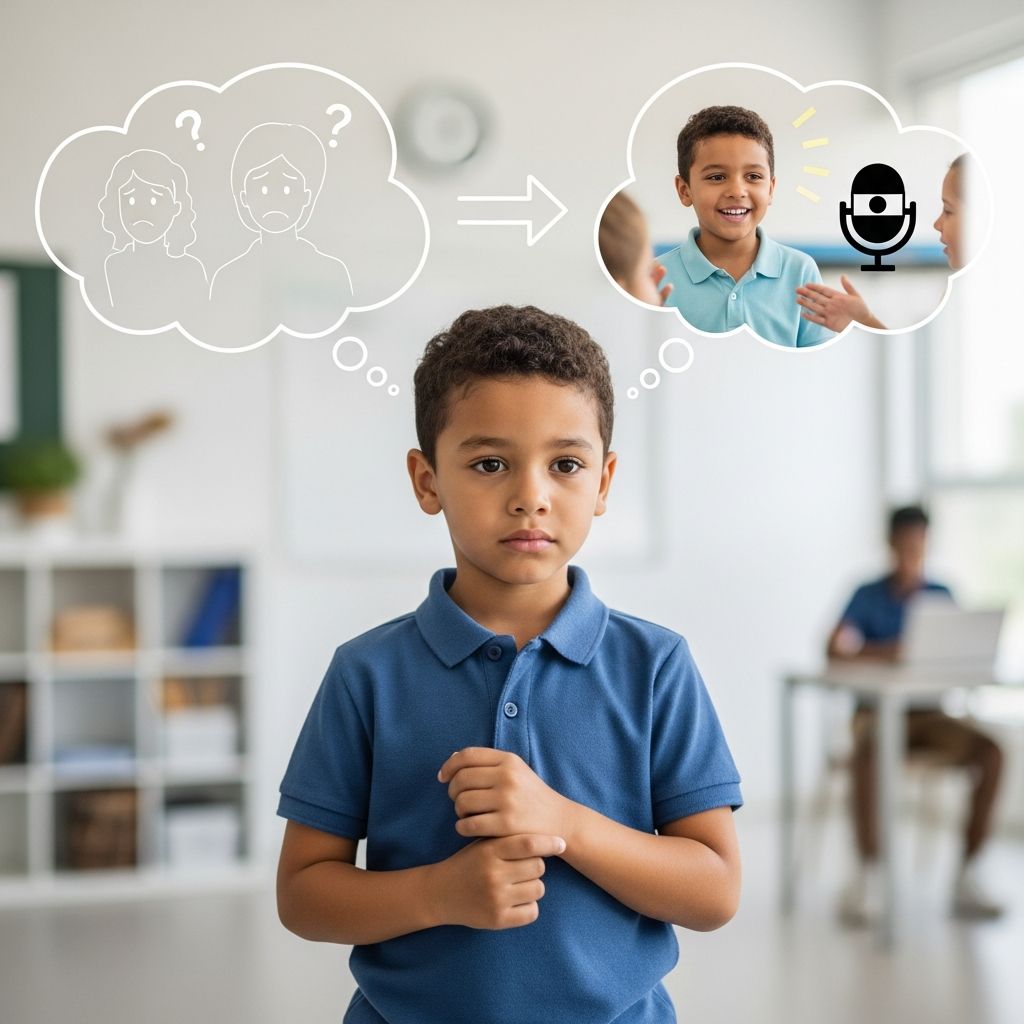
Tweens, typically aged 10 to 13, navigate a pivotal stage where independence emerges alongside challenges in self-control and decision-making. Effective discipline during this period focuses on teaching responsibility rather than mere punishment, promoting long-term behavioral growth through collaboration and consistency.
Understanding Tween Development and Discipline Needs
At this age, children experience rapid physical, emotional, and social changes, testing boundaries as they seek autonomy. Discipline shifts from toddler timeouts to strategies that encourage problem-solving and accountability. A positive approach helps tweens grasp the reasons behind rules, learn from mistakes, and develop skills for adulthood.
Key developmental aspects include heightened peer influence, emotional volatility, and budding abstract thinking. Parents must balance guidance with space for choices, using methods that reinforce self-discipline over fear-based compliance.
Establishing Clear Family Guidelines
Creating a framework of shared expectations forms the foundation of tween discipline. Involve your child in defining rules to increase buy-in and fairness perception.
- Collaborate on rules: Discuss household standards together, such as screen time limits or chore responsibilities, ensuring they align with age-appropriate capabilities.
- Keep it simple and specific: Limit to 5-7 core rules, phrased quantitatively like “Homework before screens, no more than 1 hour.” This reduces arguments and enforcement challenges.
- Review periodically: As tweens mature, adjust rules—e.g., extending curfews for demonstrated reliability—to reflect growing independence.
Clear guidelines, discussed openly, build trust and teach negotiation skills essential for teen years.
Leveraging Positive Reinforcement Techniques
Praise and rewards outperform criticism in shaping behavior. Focus on effort to motivate sustained improvement.
- Offer descriptive praise: Instead of “Good job,” say “I appreciate how you finished chores without reminders—that shows responsibility.”
- Use rewards strategically: Pre-agree on incentives like extra outing time for consistent rule-following, avoiding bribes in the moment.
- Catch them succeeding: Actively notice positive actions daily to outweigh corrections 5:1, fostering a supportive environment.
These methods boost self-esteem and encourage intrinsic motivation, crucial as tweens prioritize peer approval.
Implementing Logical Consequences
When rules break, apply consequences that logically connect to the misstep, teaching cause-and-effect without resentment.
| Misbehavior | Logical Consequence | Learning Outcome |
|---|---|---|
| Late home from outing | Earlier return next time | Time management |
| Forgotten homework | Child explains to teacher; no devices until completed | Accountability |
| Messy room affecting laundry | Parent skips washing floor items | Shared responsibility |
| Argumentative tone | Short privilege pause, then discussion | Communication skills |
Ensure consequences are immediate, brief (1-3 days), and explained calmly. This approach feels fair and prompts reflection.
Fostering Open Communication and Negotiation
Tweens thrive when heard. Replace lectures with dialogues to model respect and conflict resolution.
- Active listening: Reflect back their feelings, e.g., “You seem frustrated about the curfew—let’s talk why.”
- Negotiate compromises: Allow input on rules, teaching give-and-take, like trading chore time for later bedtime on weekends.
- Encourage self-reflection: Post-misstep, ask “What could you do differently next time?” to build problem-solving.
Consistent, calm talks strengthen bonds and reduce defiance, as tweens feel valued partners.
Modeling Desired Behaviors
Children emulate parents more than words. Demonstrate calm, respectful interactions daily.
- Handle your anger constructively: Take a breath before responding, showing emotions are manageable.
- Follow your own rules: If no screens at dinner, put yours away first.
- Apologize when wrong: This teaches humility and accountability.
Modeling consistency bridges the gap between preached and practiced values, enhancing credibility.
Addressing Common Tween Challenges
Technology and Screen Time Battles
Tweens crave digital connection. Set device-free zones/times, using apps for monitoring if needed, paired with rationale discussions.
Peer Pressure and Social Defiance
Empower decision-making: Role-play scenarios, emphasizing personal values over crowd influence.
Sibling Rivalries
Mediate fairly, assigning roles in resolution to teach empathy and fairness.
Balancing Discipline with Warmth
Pair structure with affection—hugs, quality time—to create security. Positive interactions should dominate, making discipline a tool, not a weapon.
Monitor for signs of deeper issues like persistent mood changes; consult professionals if needed.
Frequently Asked Questions (FAQs)
What if my tween ignores consequences?
Revisit the rule together calmly, ensuring understanding. Consistency without anger rebuilds adherence; involve them in refining the approach.
How do I stay consistent when exhausted?
Partner with co-parent or trusted adult for backup. Pre-plan responses to common issues to reduce decision fatigue.
Is taking away phones ever okay?
Yes, as a short, related consequence (e.g., for misuse), but restore promptly with reflection discussion.
What about rewards—won’t they expect them always?
Use sparingly for new habits, phasing to praise as intrinsic motivation grows.
How to discipline without yelling?
Pause, breathe, then address privately. Practice self-regulation to model it.
Long-Term Benefits of Positive Discipline
These strategies cultivate resilient, responsible young adults equipped for independence. Research affirms that positive guidance correlates with better emotional regulation and relationships.
Adapt as your tween evolves, celebrating progress to sustain momentum.
References
- A positive approach to discipline: pre-teens and teenagers — Raising Children Network. 2023. https://raisingchildren.net.au/pre-teens/behaviour/behaviour-management-ideas/discipline
- Effective Discipline Strategies for My Child’s Age — Offering Hope for Kids / St. Hope Pediatrics. 2024. https://www.offeringhope4kids.org/blog/effective-discipline-strategies-for-my-childs-age
- What’s the Best Way to Discipline My Child? — American Academy of Pediatrics / HealthyChildren.org. 2025-01-10. https://www.healthychildren.org/English/family-life/family-dynamics/communication-discipline/Pages/Disciplining-Your-Child.aspx
- Teen Discipline Strategies — Focus on the Family. 2023. https://www.focusonthefamily.com/family-qa/teen-discipline-strategies/
- Discipline for your 12-year-old — Tools for Your Child’s Success. 2024. https://toolsforyourchildssuccess.org/tools/12-years-old/discipline/