Discipline for young children, particularly toddlers and preschoolers, is most effective when rooted in love and understanding rather than fear or punishment. This approach focuses on teaching appropriate behaviors, building emotional intelligence, and strengthening parent-child bonds. By guiding children positively, parents help them develop self-regulation and empathy, skills essential for lifelong success.
Understanding the Foundations of Positive Discipline
Positive discipline shifts the focus from reactive punishment to proactive teaching. It emphasizes clear expectations, consistent follow-through, and emotional support, creating a secure environment where children learn to manage their impulses. Research from child development experts highlights that children thrive when they feel connected and respected, making them more receptive to guidance.
Core principles include modeling desired behaviors, as young children imitate adults closely, and using calm, firm communication to set boundaries. This method not only curbs misbehavior but also nurtures confidence and cooperation.
- Set age-appropriate limits: Define simple rules like “use gentle hands” that toddlers can grasp.
- Prioritize connection: Strong relationships make children more willing to follow guidance.
- Encourage autonomy: Offer choices within boundaries to empower children.
Building Strong Routines and Expectations
Consistent routines provide toddlers with predictability, reducing tantrums and power struggles. Start by establishing daily schedules for meals, play, and rest, communicating rules clearly in advance. For instance, explain, “We hold hands when crossing the street,” and follow through every time.
Planning ahead prevents many issues. Discuss expectations before outings, such as “We share toys at the park.” When misbehavior occurs, calmly enforce natural consequences, like ending playtime if toys are thrown. This teaches accountability without anger.
| Age Group | Key Expectations | Example Consequence |
|---|---|---|
| Toddlers (1-2 years) | Gentle touching, simple routines | Redirect to soft toy if hitting |
| Preschoolers (3-5 years) | Sharing, following directions | Lose turn if not sharing |
Positive Reinforcement: Celebrating Good Choices
Praise specific actions to reinforce positive behavior, such as “I love how you shared your block—that made your friend happy!” This targeted feedback motivates repetition far more than general compliments. Small rewards, like stickers or extra story time, can amplify effects when used sparingly.
Turn everyday tasks into fun games: Sing a cleanup song or race to put away toys. These techniques engage toddlers’ natural playfulness, making learning enjoyable and habitual.
- Praise effort over outcome: “You tried so hard to stack those blocks!”
- Use encouraging phrases: “You’re learning to wait your turn—great job!”
- Notice improvements: Acknowledge progress to build momentum.
Time-Ins: Emotional Coaching Over Isolation
Replace traditional time-outs with time-ins, where you sit with your child to help them calm down. Hold them gently, name emotions (“You seem frustrated”), and discuss better choices together. This builds emotional vocabulary and trust.
For hitting or tantrums, empathize first: “It’s hard to share. Hands are for hugging, not hitting.” Practice gentle alternatives through role-play, like patting a stuffed animal softly. Consistency here fosters self-control.
Modeling Behavior and Leading by Example
Children mirror parental actions, so demonstrate patience, kindness, and problem-solving daily. If you’re frustrated, verbalize it calmly: “I’m feeling upset, so I’ll take a deep breath.” This teaches emotional regulation implicitly.
Avoid yelling or lecturing, as these breed shame. Instead, use actions: Quietly guide a child by the hand to the right activity. Humor helps too—”The tickle monster comes for messy eaters!”—lightening tense moments.
Addressing Common Challenges: Tantrums and Aggression
Tantrums stem from big emotions in small bodies. Stay calm, validate feelings (“I see you’re mad”), and distract or redirect. For hitting, a common toddler phase, firmly say, “No hitting—use words,” and model alternatives like stomping feet safely.
Supervise closely with pre-verbal kids, using training moments: Practice gentle touches during calm play. Over time, this reduces incidents as children internalize lessons.
- Prevent triggers: Ensure adequate sleep, snacks, and playtime.
- Debrief after: Discuss what happened once calm.
- Reframe negatives: Say “Walk inside” instead of “No running.”
Long-Term Benefits for Child Development
Positive discipline cultivates self-regulation, empathy, and responsibility, key predictors of academic and social success. Children learn to navigate emotions, resolve conflicts, and respect others, forming resilient adults.
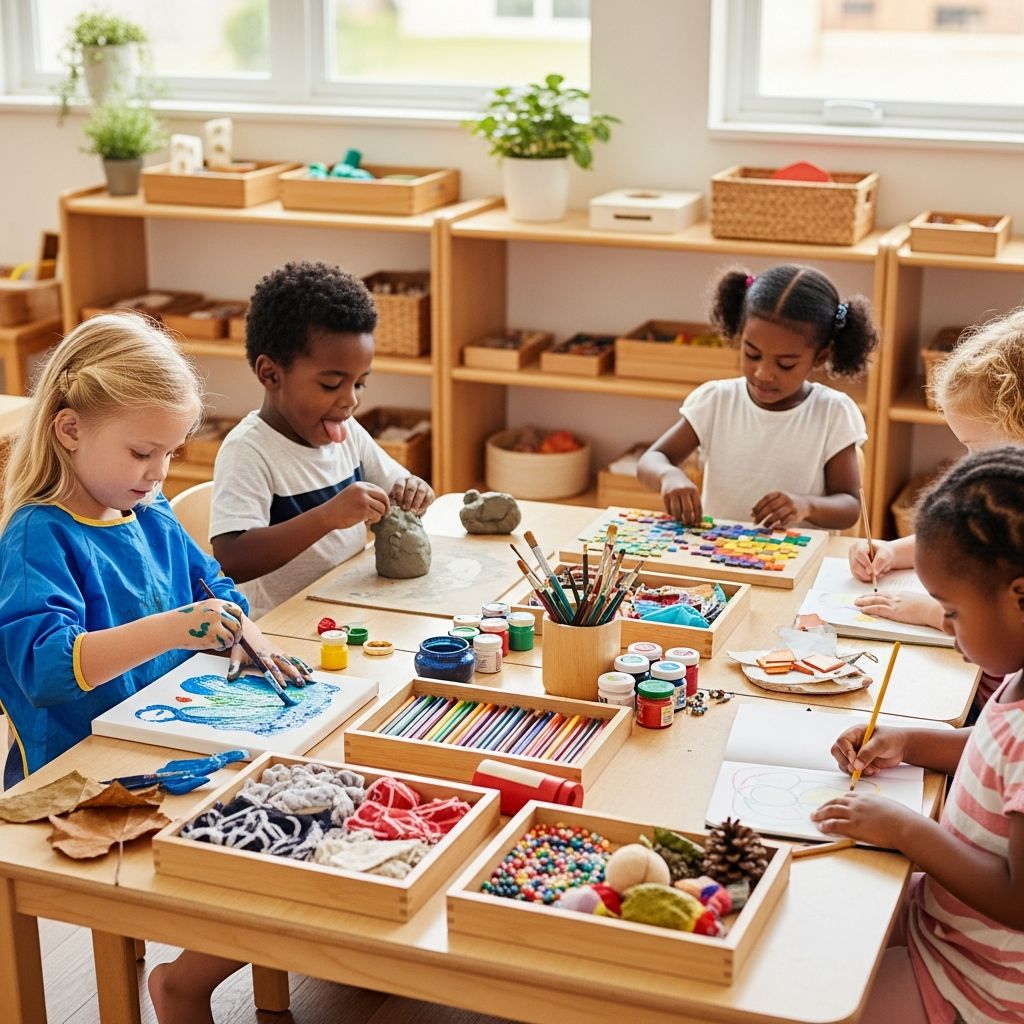
Montessori-inspired methods, emphasizing natural consequences and independence, align perfectly, promoting intrinsic motivation over external control.
Frequently Asked Questions
What is positive discipline, and why does it work for toddlers?
Positive discipline teaches through guidance and connection, helping toddlers feel secure while learning boundaries. It works because young children respond best to love and consistency, building self-control over time.
How can I stop my toddler from hitting others?
Respond calmly with empathy, block the action, and redirect: “Gentle hands, please.” Practice soft touching during play and praise compliance consistently.
Are time-ins better than time-outs?
Yes, time-ins keep the child connected, teaching emotional skills instead of isolating them. Sit together, name feelings, and plan better choices.
How do I set consistent limits without yelling?
Use short, firm statements and follow through. Give choices like “Red cup or blue?” to empower them while maintaining control.
What role does praise play in discipline?
Specific praise reinforces good behavior, boosting confidence and repetition. Focus on actions: “You cleaned up so nicely!”
References
- Handling a Toddler: Effective Discipline and Guidance in Early Childhood — Kids USA Montessori. 2023-05-15. https://kidsusamontessori.org/handling-a-toddler-effective-discipline-and-guidance-in-early-childhood/
- Positive Discipline Techniques That Work — First 5 California. 2024-02-20. https://www.first5california.com/en-us/articles/positive-discipline-techniques-that-work/
- A positive approach to discipline: babies and children — Raising Children Network. 2025-01-10. https://raisingchildren.net.au/toddlers/behaviour/discipline/discipline-positive-approach-babies-children
- Teach Children What to Do — Positive Discipline. 2023-11-08. https://www.positivediscipline.com/articles/teach-children-what-to-do/
- What’s the Best Way to Discipline My Child? — American Academy of Pediatrics (HealthyChildren.org). 2024-09-12. https://www.healthychildren.org/English/family-life/family-dynamics/communication-discipline/Pages/Disciplining-Your-Child.aspx
- Positive discipline for young children — Canadian Paediatric Society (Caring for Kids). 2024-03-05. https://caringforkids.cps.ca/handouts/behavior-and-development/positive-discipline-for-young-children
- Toddlers and the Hitting Stage — Positive Discipline. 2023-07-22. https://www.positivediscipline.com/articles/toddlers-and-hitting-stage/