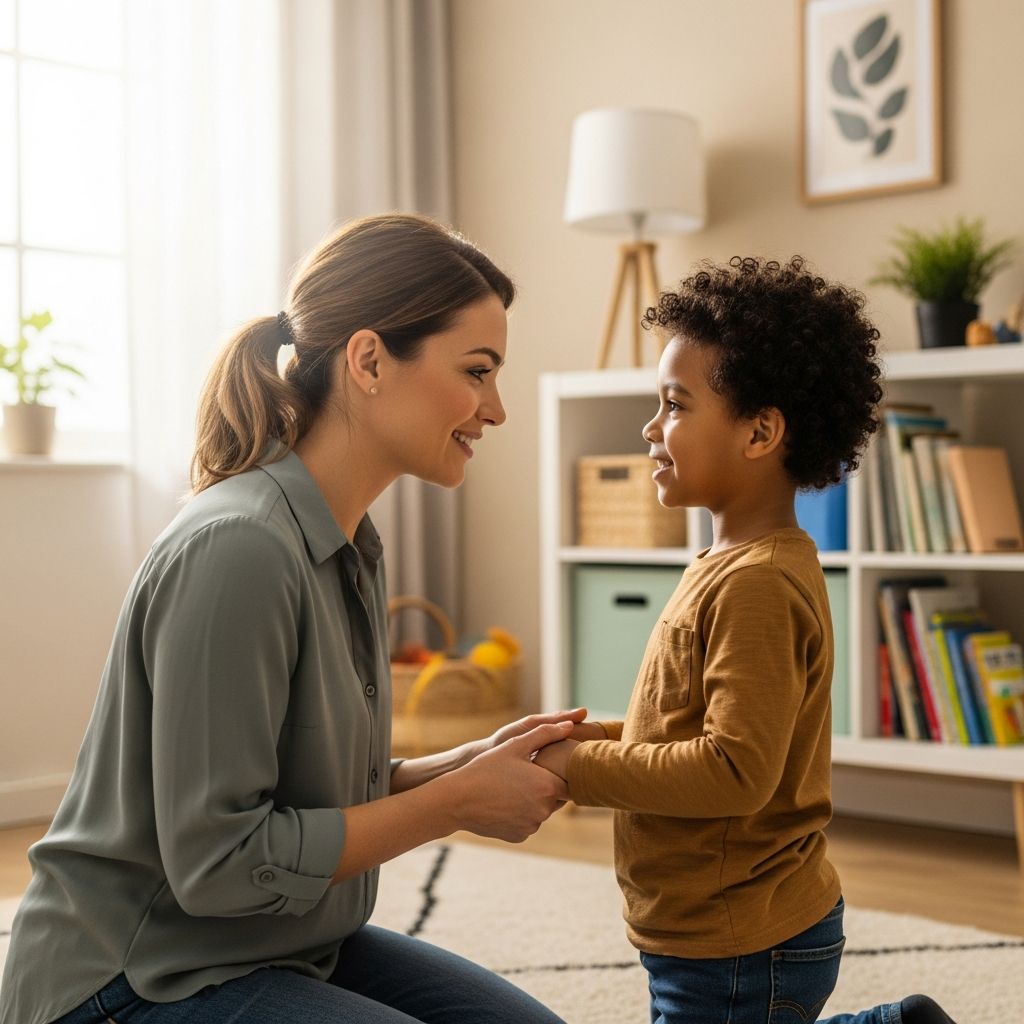
Disciplining children effectively requires a balance of firmness, empathy, and consistency to encourage good behavior while nurturing emotional growth. Positive discipline focuses on teaching rather than punishing, helping kids develop self-control and responsibility from toddlerhood through school years.
Understanding the Foundations of Healthy Discipline
At its core, positive discipline aims to guide children toward acceptable behaviors by reinforcing positives and addressing negatives constructively. Research shows that strategies like praise, clear limits, and logical consequences outperform punitive measures, reducing misbehavior and promoting long-term compliance.
Parents often face challenges when kids ignore instructions, throw tantrums, or test boundaries. These moments stem from developmental stages: toddlers explore limits, preschoolers seek independence, and school-age children push for autonomy. Recognizing age-appropriate expectations prevents overreactions—spilling milk is normal for a two-year-old but defiance in helmet-wearing signals teachable willful behavior.
Establishing Clear Rules and Expectations
Children flourish with predictable boundaries that provide security. Start by prioritizing essential rules: safety first, then respect for others and property, followed by manners like no whining.
- Use simple, positive language: Instead of “Don’t run,” say “Walk inside to stay safe.”
- Limit rules to 2-3 initially for young kids, expanding as they mature.
- Involve children in rule-setting to boost ownership, e.g., brainstorming family guidelines together.
Consistency across caregivers is vital—discuss approaches with partners, relatives, and providers to align efforts.
The Power of Positive Reinforcement
Praise is the most potent tool for shaping behavior, far more effective than criticism. Specific, genuine acknowledgment encourages repetition of good actions.
For example, rather than “Good job,” say “I appreciate how you shared your toys—that made your sibling happy!” This highlights the behavior and its impact.
- Catch kids being good: Notice quiet play or helpful chores daily.
- Use tangible rewards sparingly, like extra story time for completing tasks, to avoid dependency.
- Balance with attention: All children crave parental focus, so lavish it on positives to deter negatives.
Implementing Time-Outs Correctly
Time-out removes attention from misbehavior, effective for ages 2-12 when done right. It interrupts reinforcement from reactions, allowing reflection.
Key guidelines:
- Choose a boring spot: No toys, TV, or views—stair or chair works.
- Duration: 1 minute per year of age, max 5 minutes.
- Brief explanation: “No hitting, time-out now.” No debates.
- Introduce by 24 months; end positively: “Time’s up, let’s play nicely.”
Avoid using time-out emotionally or inconsistently, as it loses impact. For older kids, self-led time-outs build independence.
Natural and Logical Consequences in Action
Consequences teach accountability by linking actions to outcomes, unlike arbitrary punishments. Natural ones occur organically (cold from no coat), logical ones parents enforce directly.
| Misbehavior | Natural/Logical Consequence | Teaching Point |
|---|---|---|
| Drawing on walls | Clean up; crayons removed temporarily | Respect for property |
| Destroying toys | No replacement; play with what’s left | Care for belongings |
| Not picking up toys | Toys stored away for the day | Responsibility |
| Whining for snack | Wait calmly or miss out | Patience |
Apply immediately, calmly, and briefly. Never withhold essentials like meals.
Active Listening and Emotional Validation
Misbehavior often signals unmet needs or big feelings. Listening de-escalates and uncovers roots like jealousy or fatigue.
- Get eye-level: Acknowledge emotions, “You seem frustrated your tower fell.”
- Reflect: “You’re mad because brother took your turn.”
- Collaborate: “What can we do next time?” Empowers problem-solving.
This validates feelings without excusing actions, teaching emotional regulation.
Modeling Desired Behaviors
Kids mirror parents, so demonstrate patience, kindness, and apologies. Verbal teaching pales against actions.
Examples:
- Use positive language: “Time to sit safely” vs. constant “no.”
- Admit errors: “I yelled; I’m sorry. I’ll breathe first next time.”
- Show respect: Handle disagreements calmly in front of kids.
For infants, distract from dangers; toddlers, redirect to safe play.
Age-Specific Discipline Approaches
Infants and Toddlers (0-2 Years)
Babies learn via imitation. Remove temptations, use positive directives, and praise efforts. Short redirects suffice—no time-outs yet.
Preschoolers (3-5 Years)
Introduce chores, choices, and time-outs. Teach anger management: “It’s okay to feel mad; use words.” Praise sharing and patience.
School-Age Kids (6+ Years)
Balance privileges with duties. Discuss emotions, enforce logical consequences like lost screen time. Encourage peer respect.
Common Discipline Pitfalls to Avoid
Steer clear of yelling, threats without follow-through, or physical punishment, which model aggression and erode trust.
- No nagging or lectures—they backfire.
- Ignore minor issues like leg-swinging to focus energy.
- Stay calm: Shouting equals verbal abuse, as harmful as physical.
Building Problem-Solving Skills
Guide kids to resolve conflicts independently: Identify issues, brainstorm fixes, choose, and reflect. “Both want the truck? Take turns or play something else?”
This fosters confidence, cutting future clashes.
Consistency and Family Alignment
Uniform responses build security. Coordinate with all adults for reliable enforcement. Track patterns—recurring issues may signal needs like more one-on-one time.
Frequently Asked Questions
What if time-out doesn’t work for my child?
Ensure consistency, proper setup, and pair with praise for compliance. If ineffective, try logical consequences or check for underlying issues like hunger.
Is positive discipline too soft?
No—it’s firm on boundaries while kind, leading to self-regulated kids per research.
How do I handle tantrums in public?
Stay calm, validate briefly, use time-out if possible, or remove from situation. Consistency matters more than stares.
Can I use rewards with positive discipline?
Yes, thoughtfully—praise primarily, rewards occasionally to motivate without bribing.
What about chores and allowances?
Assign age-appropriate tasks for responsibility; tie allowances to effort, not perfection.
References
- Effective discipline for children — Canadian Paediatric Society. 2004-06-01. https://pmc.ncbi.nlm.nih.gov/articles/PMC2719514/
- What’s the Best Way to Discipline My Child? — American Academy of Pediatrics. 2023-12-12. https://www.healthychildren.org/English/family-life/family-dynamics/communication-discipline/Pages/Disciplining-Your-Child.aspx
- 7 Effective Strategies for Positive Discipline: A Nurturing Approach — Nurturing Parenting. 2023-05-15. https://www.nurturingparenting.com/blog/7-effective-strategies-for-positive-discipline-a-nurturing-approach/