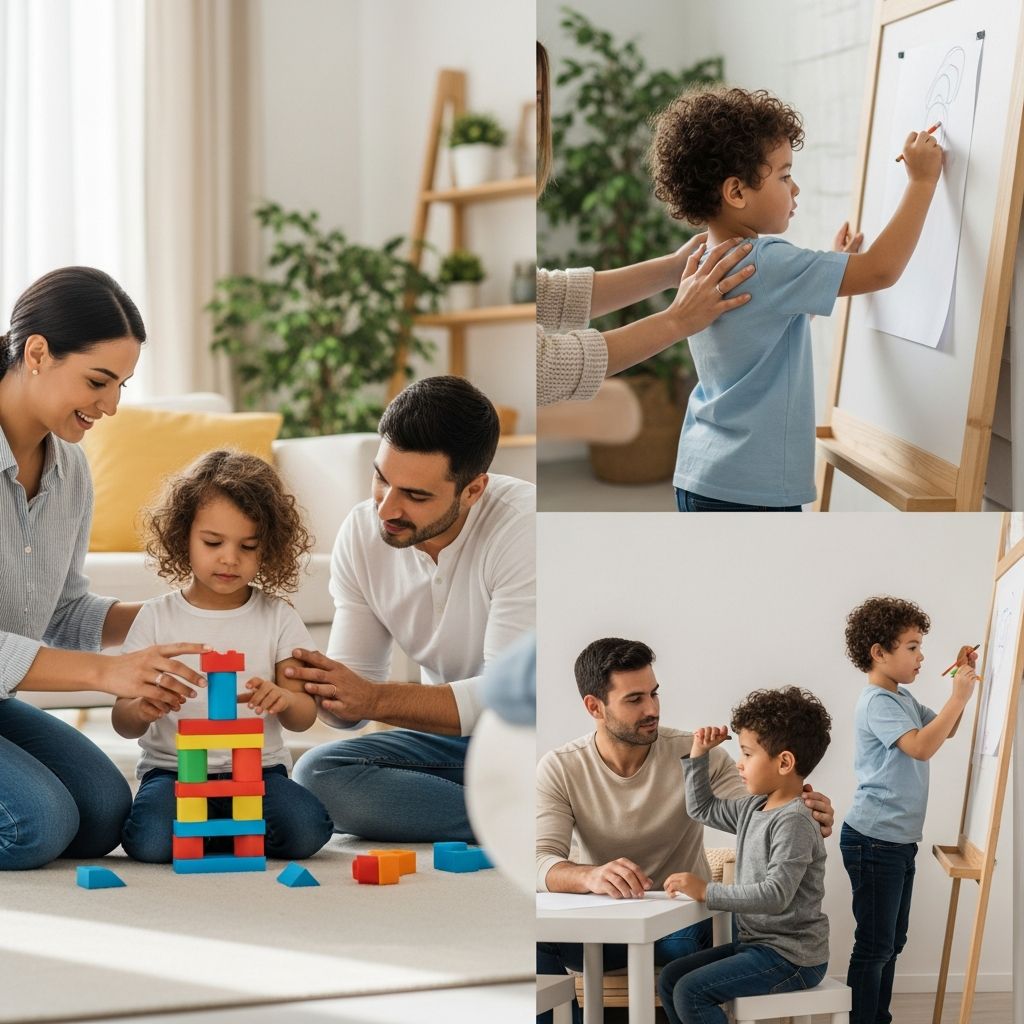
Parenting involves more than providing food and shelter; it requires actively shaping a child’s social and emotional skills through consistent guidance. Certain everyday actions, if left unchecked, can evolve into ingrained habits that hinder development. By intervening thoughtfully, parents equip children with tools for self-regulation, empathy, and respect. This article explores critical behaviors demanding attention, drawing on proven strategies to transform challenges into opportunities for growth.
Understanding the Roots of Problematic Actions
Children’s missteps often stem from underdeveloped brains navigating big emotions. Toddlers and preschoolers lack the prefrontal cortex maturity to pause impulses, leading to outbursts or defiance. Research shows that early correction using positive methods strengthens neural pathways for better control. Rather than punishment, focus on teaching alternatives to build resilience.
Consistent responses create security, as children thrive on predictable boundaries. When parents model calm authority, kids internalize these traits, reducing future issues. Age-appropriate expectations are key: a 2-year-old needs simple directives, while school-age children benefit from logical reasoning.
Addressing Physical Aggression in Play
Hitting, kicking, or biting during play signals a need for immediate boundary-setting. These acts seek attention or express frustration but teach poor conflict resolution if ignored. Experts recommend redirecting to gentle alternatives, like using words to describe feelings.
- Observe triggers: Overstimulation or tiredness often sparks aggression.
- Intervene promptly: Separate children calmly and explain, “Gentle hands keep friends safe.”
- Follow with positives: Praise cooperative play to reinforce good choices.
For repeated incidents, implement brief time-outs: one minute per year of age in a dull spot, without emotion. This halts reinforcement from reactions, allowing reflection. Consistency across caregivers prevents confusion.
Managing Whining and Demands
Persistent whining erodes communication skills and tests patience. It emerges when kids learn it yields results, bypassing polite requests. Counter this by ignoring whines and rewarding clear speech.
Strategies include:
- State expectations upfront: “Use your big voice to ask nicely.”
- Model phrasing: Demonstrate “May I have juice, please?”
- Natural outcomes: Deny requests delivered whinily, granting only polite ones.
Over time, this shifts habits. Pair with active listening to validate emotions, reducing desperation behind whines. “I see you’re thirsty; tell me nicely,” acknowledges needs while guiding expression.
Correcting Disrespectful Language
Backtalk, name-calling, or eye-rolling undermines authority and peer relations. It often mimics observed behaviors or vents powerlessness. Address by enforcing respect without escalating.
| Behavior Example | Response Strategy | Expected Outcome |
|---|---|---|
| “You’re stupid!” | Calmly state, “We use kind words here.” Ignore until rephrased. | Learns respectful dialogue. |
| Interrupting adults | “I’ll listen when you wait your turn.” | Builds patience and manners. |
| Sarcasm or rolling eyes | Logical consequence: Pause activity until respectful. | Fosters empathy. |
Use “I” statements: “I feel hurt by those words; let’s try again.” This teaches impact without blame.
Handling Refusal to Follow Directions
Defiance like ignoring commands challenges routines. It tests limits, especially during transitions. Break tasks into steps and offer limited choices to empower kids.
- Visual aids: Checklists for mornings reduce nagging.
- Positive reinforcement: Praise compliance, “Great job putting shoes on first!”
- Consistent follow-through: Link to privileges, like no story if bedtime ignored.
Routines predictably curb resistance. For homework battles, set timers and tie completion to fun, building responsibility.
Taming Public Meltdowns
Tantrums in stores or parks embarrass parents but signal overwhelm. Stay composed, validate feelings, and redirect privately. “You’re mad we can’t buy candy; let’s pick a fruit instead.” This diffuses without reward.
Prevention tips:
- Predict needs: Snacks and breaks preempt hunger grumps.
- Pre-set rules: “One item today.”
- Post-calm teachable moment: Discuss better choices at home.
Breaking Lying and Dishonesty Habits
Fibbing avoids consequences or gains approval. Respond without shame: “I know toys aren’t put away; let’s do it together.” Praise truth-telling lavishly to incentivize honesty.
Build trust through non-judgmental talks. Explain lies erode relationships, using age-suited stories. Consistency shows truth brings support, not just punishment.
Instilling Proper Mealtime Etiquette
Throwing food or refusing bites disrupts family harmony. Treat as learning: Offer choices within meals, ignore fussing, and end uneaten portions calmly. “No dessert if plate thrown.” Natural consequences teach value.
Involve kids: Let them help prepare to boost interest. Model enjoyment of varied foods.
Overcoming Sibling Rivalry Clashes
Fights over toys demand mediation, not picking sides. Guide negotiation: “Find a fair turn system.” Teach empathy: “How would you feel if…”
Separate for cool-downs, then reunite with joint activities. Praise teamwork to solidify bonds.
Enforcing Hygiene and Self-Care Routines
Resistance to brushing or baths ignores health basics. Make fun with timers, songs, or choices of soap. Link to privileges: “Teeth clean for storytime.”
Visual charts track progress, turning chores into games.
Reducing Excessive Screen Demands
Clinging to devices fosters addiction. Set firm timers and alternatives: “Play after 20 minutes.” Co-view then transition to active play.
Family media rules prevent battles. Discuss content limits age-appropriately.
Building Resilience Against Entitlement
“I want it now” attitudes spoil gratitude. Delay gratification: “After chores.” Volunteer together to appreciate privileges.
Frequently Asked Questions
What age should discipline start?
From 12-18 months, using simple redirects and consistency builds foundations.
Is time-out still recommended?
Yes, for ages 2-5, when used briefly and unemotionally.
How to stay consistent as a team?
Discuss rules privately and align responses.
What if behaviors persist?
Consult pediatricians or counselors for underlying issues.
Does positive discipline spoil kids?
No, it teaches self-control better than punishment.
Long-Term Benefits of Proactive Guidance
Addressing these behaviors early yields empathetic, responsible adults. Studies link positive discipline to lower aggression and higher self-esteem. Parents investing now reap cooperative homes and confident kids.
Adapt strategies to your child’s temperament. Patience transforms parenting from battles to bonds.
References
- What Are the Most Effective Positive Discipline Techniques for Parents? — Kids USA Montessori. 2023. https://kidsusamontessori.org/what-are-the-most-effective-positive-discipline-techniques-for-parents/
- Effective discipline for children – PMC – NIH — National Center for Biotechnology Information. 2009-06-01. https://pmc.ncbi.nlm.nih.gov/articles/PMC2719514/
- What’s the Best Way to Discipline My Child? – HealthyChildren.org — American Academy of Pediatrics. 2023. https://www.healthychildren.org/English/family-life/family-dynamics/communication-discipline/Pages/Disciplining-Your-Child.aspx
- 7 Effective Strategies for Positive Discipline: A Nurturing Approach — Nurturing Parenting. 2023. https://www.nurturingparenting.com/blog/7-effective-strategies-for-positive-discipline-a-nurturing-approach/
- Positive Parenting Strategies – TIPPS — Mississippi State University Extension. 2023. https://tipps.extension.msstate.edu/positive-parenting-strategies