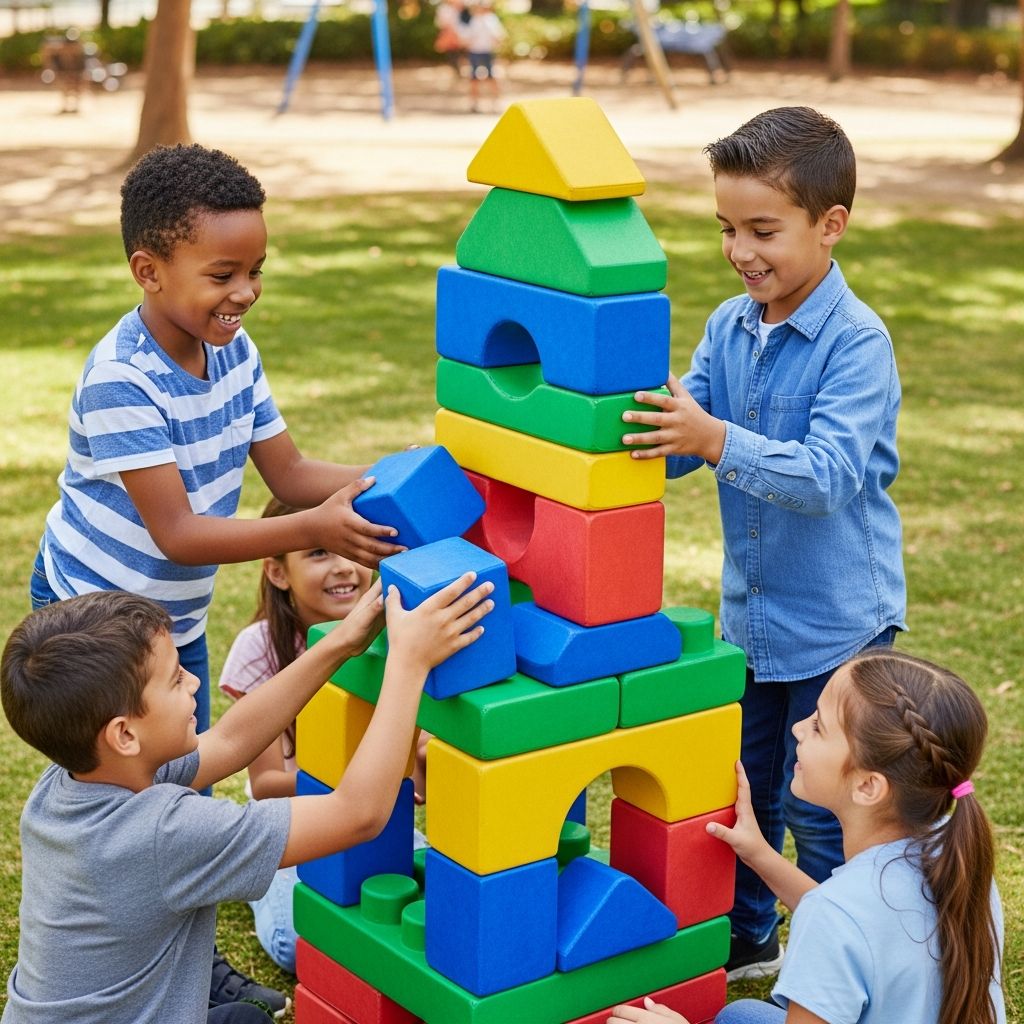
Positive consequences represent a transformative approach in parenting that emphasizes encouragement over punishment. By rewarding desirable actions, parents can guide children toward self-regulation and responsibility, fostering a nurturing home environment where kids thrive emotionally and socially.
Understanding the Foundation of Positive Consequences
At its core, positive consequences involve recognizing and reinforcing behaviors you want to see more of, rather than focusing solely on correcting missteps. This method shifts the dynamic from reactive discipline to proactive guidance, helping children internalize positive habits naturally.
Research from child development experts highlights that children respond best when they feel supported and valued. When parents use praise, reflections, and descriptions—collectively known as PRIDE skills—they build self-esteem and clarify expectations. For instance, praising a child for sharing toys not only reinforces the action but also shapes their inner dialogue toward positivity.
This approach contrasts with traditional punishment, which can erode trust. Instead, positive consequences teach through experience, making learning enjoyable and memorable. Parents who adopt this mindset report fewer tantrums and stronger family connections.
Key Principles for Implementing Positive Reinforcement
To effectively use positive consequences, start with clear family guidelines. Involve children in creating these rules to promote ownership and understanding. Simple, age-appropriate language ensures everyone knows the expectations, reducing confusion and power struggles.
Consistency is paramount. All caregivers must align on responses to behaviors, creating a predictable environment where children feel secure. When rules are followed, immediate positive feedback follows, solidifying the connection between action and reward.
- Praise specifically: Instead of ‘good job,’ say ‘I love how you put your toys away quickly!’ This details the exact behavior to repeat.
- Reflect emotions: Acknowledge feelings like ‘You seem excited about your drawing’ to validate and encourage expression.
- Describe actions: Narrate positively, such as ‘You’re stacking those blocks so high,’ to extend engagement and vocabulary.
These principles, drawn from positive parenting frameworks, empower children while modeling emotional regulation for parents.
Natural Outcomes That Teach Without Intervention
Natural consequences occur organically from a child’s choices, offering powerful lessons without parental enforcement. They encourage accountability by linking actions directly to results, helping kids anticipate future outcomes.
For young children, examples abound in daily life:
- If a child leaves toys scattered, they struggle to find favorites later, motivating tidiness.
- Waiting patiently in games leads to smoother play, reinforcing turn-taking.
- Wearing proper shoes keeps feet protected, highlighting preparedness.
These moments build resilience as children learn responsibility through real-world feedback. Parents facilitate by stepping back, allowing the environment to teach, then discussing afterward to reinforce learning.
Logical Follow-Ups for Targeted Guidance
When natural outcomes aren’t feasible or safe, logical consequences provide related, teachable responses. These are short-term, fair, and directly tied to the behavior, prompting reflection without resentment.
| Behavior | Logical Consequence | Follow-Up Positive Reinforcement |
|---|---|---|
| Not taking turns in a game | Sit out one round | Praise smooth play after rejoining |
| Refusing coat on cold day | Feel chilly briefly (supervised) | Commend choosing coat next time |
| Running ahead in store | Hold hand or use cart | Applaud staying close |
Follow through calmly, then offer practice opportunities. This cycle—consequence, repair, praise—strengthens positive habits effectively. The 5Rs of consequences (Related, Respectful, Reasonable, Revealed in advance, Run its course) ensure they feel educational, not punitive.
Daily Play: The Ultimate Positive Connector
Child-led, distraction-free playtime is a cornerstone of positive parenting. Just 10-15 minutes daily fulfills a child’s need for undivided attention, dramatically improving behavior by meeting emotional needs proactively.
During play, employ PRIDE skills enthusiastically. Let children lead activities, from pretend play to building forts, mirroring their enthusiasm to boost joy and cooperation. This investment reduces misbehavior, as connected kids seek positive attention rather than acting out for it.
Parents modeling calm self-regulation during play—deep breaths when frustrated—teaches invaluable coping skills. Children mimic these, internalizing tools for lifelong emotional management.
Empowering Kids Through Smart Choices
Offering limited choices prevents power struggles while building decision-making confidence. For toddlers, two options suffice; older kids handle three.
Examples include: ‘Do you want the red cup or blue?’ or ‘Homework now or after snack?’ Honoring selections fosters trust and cooperation. This strategy teaches that within boundaries, autonomy thrives, reducing resistance.
Modeling the Behavior You Desire
Children are keen observers, copying parental actions over words. Demonstrate sharing, kindness, and calm responses daily to embed these as norms.
- Share items publicly, like offering your snack.
- Verbalize self-soothing: ‘I’m taking deep breaths to stay calm.’
- Apologize sincerely after mistakes, showing accountability.
This modeling, combined with positive consequences, creates a virtuous cycle of learning and growth.
Age-Specific Applications for Lasting Impact
Toddlers and Preschoolers
For little ones overwhelmed by big feelings, physical comfort like hugs releases calming hormones. Pair with praise for small wins, like using words instead of tantrums.
School-Age Children
Introduce problem-solving: ‘What can we do if both want the toy?’ Guide brainstorming to build independence. Logical consequences here teach time management, like extra cleanup for messes.
Tweens and Beyond
Expand choices and discussions on natural outcomes, preparing for real-world independence. Consistent reinforcement maintains family harmony.
Common Challenges and Solutions
Initial resistance is normal; persistence yields results. Track progress in a family chart to visualize improvements, celebrating milestones together.
If behaviors persist, assess underlying needs—hunger, fatigue, attention. Address roots while applying consequences. Align with pediatric guidelines for safe, effective discipline.
Frequently Asked Questions
What if positive consequences don’t work immediately?
Consistency takes time; combine with daily play and clear rules. Behaviors improve as children internalize patterns.
Are natural consequences safe for all situations?
Use supervision; intervene if health risks exist. Opt for logical alternatives when needed.
How much praise is too much?
Focus on effort and specifics to avoid dependency. Genuine, targeted feedback builds intrinsic motivation.
Can all caregivers adopt this?
Yes—share strategies via family meetings for unified approaches, enhancing effectiveness.
Does this replace all discipline?
No; pair with emotion coaching and boundaries for comprehensive guidance.
Embracing positive consequences cultivates resilient, empathetic children and joyful parenting journeys.
References
- The Power of Positive Parenting — UC Davis Children’s Hospital. 2023. https://health.ucdavis.edu/children/patient-education/Positive-Parenting
- Tips for Parents: How to Effectively Use Positive Discipline Strategies — Mississippi State University Extension. 2022-10-15. https://extension.msstate.edu/publications/tips-for-parents-how-effectively-use-positive-discipline-strategies
- Consequences & positive child behaviour — Raising Children Network. 2024. https://raisingchildren.net.au/preschoolers/behaviour/rules-consequences/consequences
- 7 Effective Strategies for Positive Discipline: A Nurturing Approach — Nurturing Parenting. 2023-05-20. https://www.nurturingparenting.com/blog/7-effective-strategies-for-positive-discipline-a-nurturing-approach/
- Effective Consequences for Misbehavior: 5 Discipline Tips — Positive Parenting Solutions. 2024. https://www.positiveparentingsolutions.com/effective-consequences-for-misbehavior/
- Positive Parenting: Using Natural and Logical Consequences — Melissa Institute. 2023. https://melissainstitute.org/positive-parenting-using-natural-and-logical-consequences/
- The 5Rs of Consequences — INCLUDEnyc. 2022. https://includenyc.org/help-center/resources/the-5rs-of-consequences/