Encouraging positive behavior in children requires intentional strategies that promote emotional growth, self-regulation, and healthy relationships. Parents and caregivers can transform challenging moments into opportunities for development by focusing on reinforcement, clear communication, and structured environments. This guide draws from expert recommendations to provide actionable steps that yield lasting results.
Understanding the Foundations of Positive Behavior
Positive child behavior stems from a secure environment where children feel valued and understood. Research shows that early interventions emphasizing positivity lead to better social-emotional outcomes. For instance, consistent positive interactions help children internalize good habits, reducing disruptive actions over time. Key foundations include building trust through quality time, modeling desired actions, and addressing underlying needs like hunger or fatigue that often trigger misbehavior.
Children learn primarily through observation and response. When adults demonstrate patience and kindness, young minds mirror these traits. Establishing this base prevents escalation of issues and fosters resilience.
The Role of Positive Reinforcement in Shaping Habits
Positive reinforcement is one of the most effective tools for encouraging repeat good behavior. This approach involves acknowledging and rewarding actions you want to see more of, such as sharing toys or completing tasks calmly. Specific praise, like “I appreciate how you waited your turn patiently,” is more impactful than vague compliments because it highlights the exact behavior.
- Use labeled praise immediately after the behavior to strengthen associations.
- Incorporate small rewards like extra playtime or stickers to motivate without over-reliance.
- Aim for a 5:1 ratio of positive interactions to corrections for optimal results.
Studies confirm that reinforcement increases engagement and autonomy, particularly in school settings where choices during activities boost participation. Over time, this shifts focus from negative attention-seeking to self-motivated positive actions.
Creating Structured Routines for Predictability
Routines provide children with a sense of security, minimizing anxiety-driven behaviors. Predictable daily schedules, including mealtimes, play, and bedtime, help children anticipate transitions and reduce resistance. Visual aids like picture schedules or timers make abstract concepts concrete, especially for younger kids.
During shifts between activities, offer advance warnings: “In five minutes, we’ll clean up toys and read a book.” This preparation prevents frustration from abrupt changes. Built-in breaks for active children maintain focus and prevent overload.
| Daily Routine Element | Benefits | Implementation Tip |
|---|---|---|
| Morning Prep | Builds independence | Let child choose outfit from two options |
| Mealtime | Teaches sharing | Use timer for turns |
| Bedtime Wind-Down | Promotes calm | Consistent story ritual |
| Breaks | Sustains attention | Every 15-20 minutes of focused play |
Empowering Children Through Choices and Autonomy
Offering age-appropriate choices empowers children, reducing power struggles. Instead of demands, present options: “Do you want the red cup or blue cup?” This fosters decision-making skills and a sense of control. In educational contexts, choices in tasks increase motivation and engagement.
Start small to build confidence. For toddlers, choices might involve snacks; for school-age kids, homework order. Limits prevent overwhelm—always two or three options suffice. This strategy avoids battles while teaching responsibility.
Mastering Effective Communication Techniques
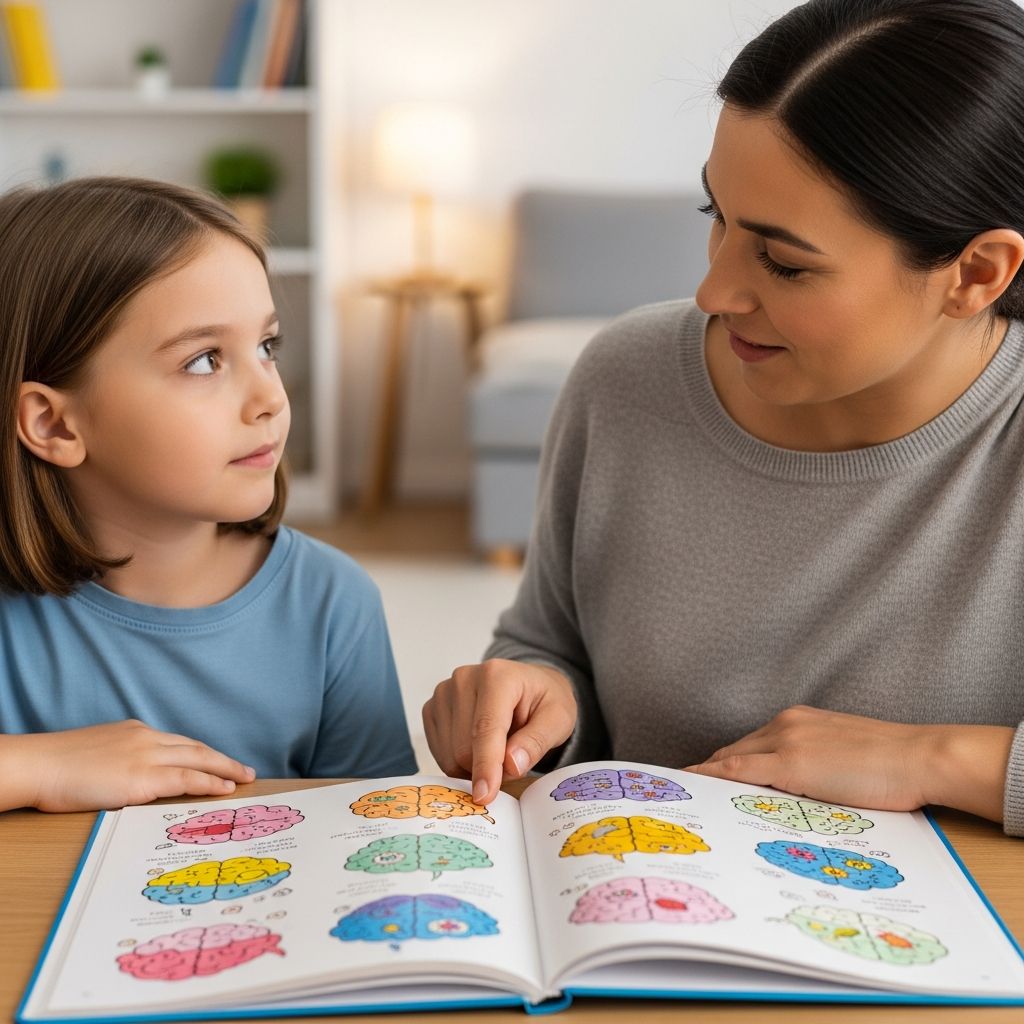
Open, empathetic communication bridges understanding gaps. Get to the child’s eye level, use calm tones, and actively listen: “It sounds like you’re upset because you wanted the toy first.” Validate feelings before guiding solutions.
Avoid yelling; instead, state expectations positively: “Walk inside to stay safe” rather than “Don’t run!” This clarity helps children comply without defensiveness. After challenges, reconnect: “That was tough; I love you anyway,” repairing bonds and modeling accountability.
- Express your feelings honestly: “I feel happy when we share.”
- Encourage emotional vocabulary: “Are you feeling frustrated?”
- Practice active listening without interrupting.
Modeling Behavior: Leading by Example
Children imitate adults, making role modeling powerful. Demonstrate respect, problem-solving, and emotional regulation daily. If you handle stress calmly, they learn to do the same.
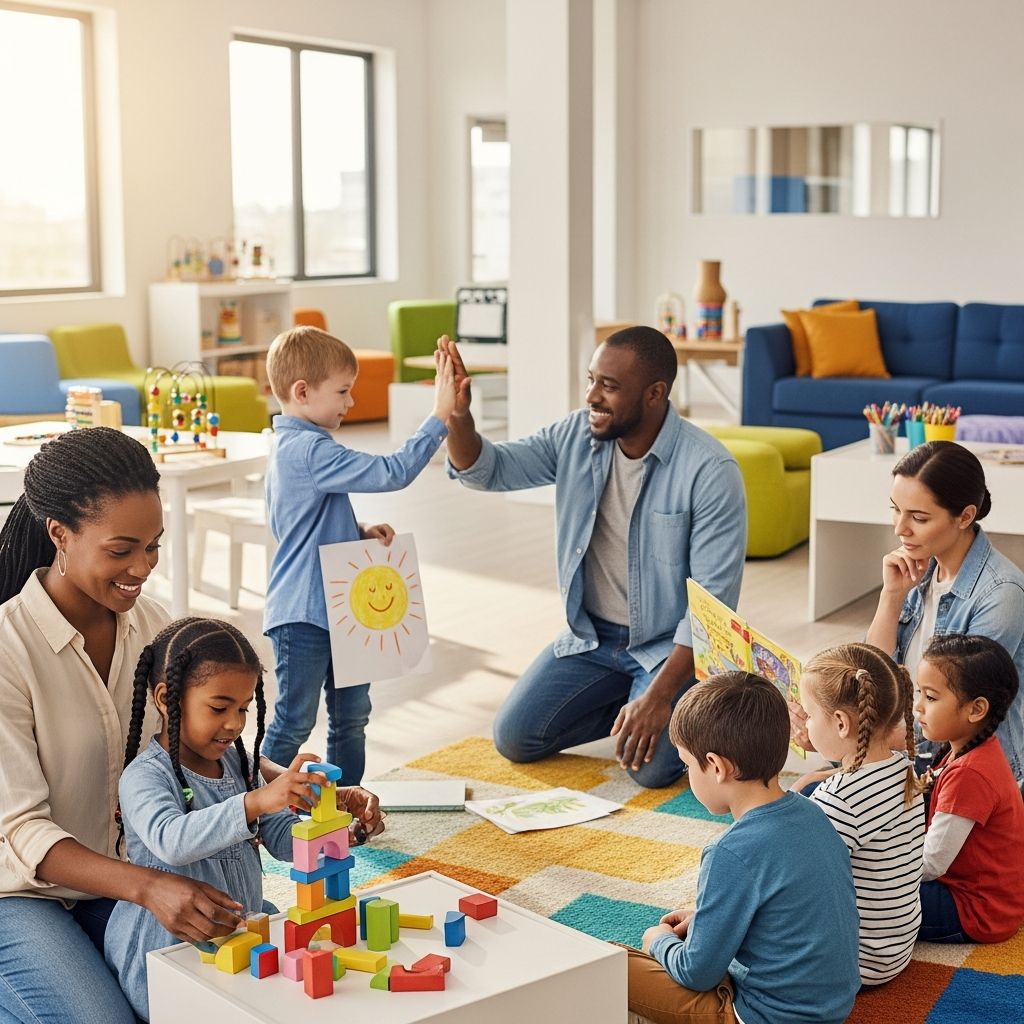
Incorporate family activities like shared chores or games to showcase cooperation. Praise efforts collectively: “We all worked as a team!” This builds a positive home culture where good behavior is the norm.
Teaching Problem-Solving and Emotional Regulation
Equip children with skills to navigate conflicts independently. Guide them to identify emotions, brainstorm solutions, and evaluate outcomes. For hitting to gain attention, teach alternatives like tapping a shoulder and saying “Play with me”.
Role-play scenarios during calm times. Praise attempts: “Great job using words instead!” This develops resilience and reduces reliance on adults for every issue.
Setting Clear Expectations and Boundaries
Clear rules, reviewed regularly, provide structure. Phrase positively: “Use gentle hands” over prohibitions. Involve children in creating rules for buy-in.
Consequences should be logical and pre-discussed, like losing a toy after misuse. Consistency is key—apply rules uniformly to build trust in fairness.
Fostering Quality Time and Positive Attention
Dedicated, distraction-free time strengthens bonds. Play, read, or cuddle daily, letting the child lead. Notice and narrate positives: “You’re stacking blocks so carefully!”.
This attention fulfills needs, decreasing misbehavior for notice. Limit screens to prioritize real connections.
Handling Challenging Behaviors Constructively
When misbehavior occurs, stay composed. Redirect positively, teach replacements, and follow with positives. Ignore minor issues when safe, attending only to good behavior.
For persistent issues, track triggers and adjust environments. Professional input from pediatricians can support development.
Frequently Asked Questions (FAQs)
What if positive reinforcement doesn’t work immediately?
Consistency is crucial; behaviors change gradually. Track progress and adjust rewards to maintain motivation.
How many choices should I offer a young child?
Limit to two or three to avoid overwhelm, increasing as they mature.
What’s the best way to handle tantrums?
Ensure safety, validate feelings, and wait out the storm calmly before discussing.
Can routines help with school transitions?
Yes, visual schedules and warnings ease adjustments, boosting confidence.
How do I balance discipline with positivity?
Maintain a 5:1 positive-to-correction ratio, using logical consequences tied to behavior.
Long-Term Benefits of Positive Strategies
Implementing these methods yields confident, empathetic children ready for life’s challenges. Longitudinal studies link early positive support to better academic and social success. Parents report stronger relationships and fewer conflicts, creating harmonious homes.
Adapt strategies to your child’s age and needs. Patience and persistence pay off, nurturing well-adjusted individuals.
References
- Supporting Childhood Behavior: Early Strategies for Success — Behavioral Health News. 2021. https://behavioralhealthnews.org/supporting-childhood-behavior-early-strategies-for-success/
- Practical Strategies for Nurturing Positive Child Behavior — Child Development Institute. 2024. https://childdevelopmentinfo.com/behavior/practical-strategies-for-nurturing-positive-child-behavior/
- Teaching Your Child Positive Behaviors — HeadStart.gov. 2023-10-01. https://headstart.gov/publication/teaching-your-child-positive-behaviors
- Encouraging positive child behaviour: tips — Raising Children Network (Australian Government-funded). 2024. https://raisingchildren.net.au/toddlers/behaviour/encouraging-good-behaviour/good-behaviour-tips
- Key Strategies for Nurturing Positive Child Behavior — Creative Beginnings CDC. 2023. https://www.creativebeginningscdc.com/key-strategies-for-nurturing-positive-child-behavior