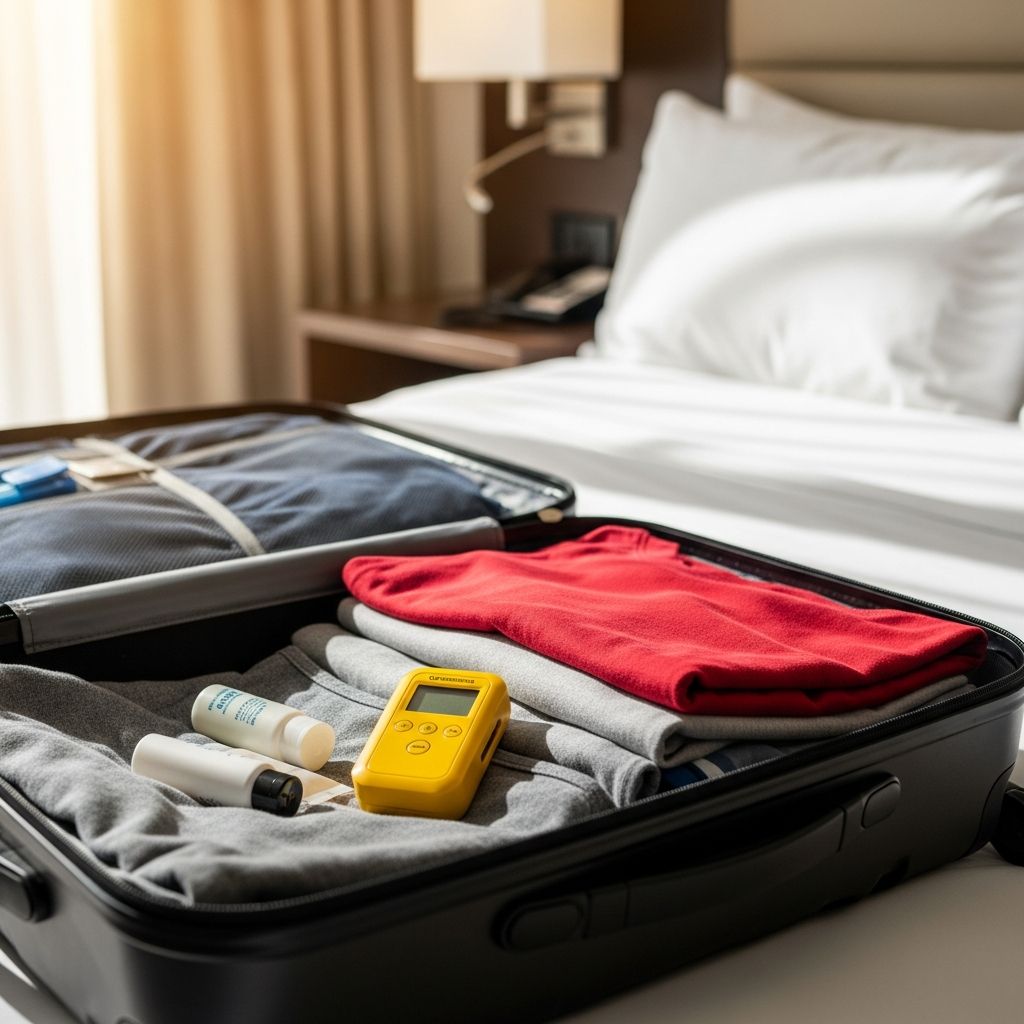
Carbon monoxide (CO) poisoning claims lives every year, even on vacations where families expect relaxation and fun. A portable CO detector offers reliable protection against this silent killer in unfamiliar accommodations like hotels, vacation rentals, RVs, or campsites.
Understanding Carbon Monoxide: The Invisible Vacation Threat
Carbon monoxide is a colorless, odorless gas produced by incomplete combustion in fuel-burning appliances such as gas stoves, heaters, fireplaces, and vehicle exhausts. In travel settings, poor maintenance or improper ventilation can lead to dangerous buildup, especially in enclosed spaces.
Unlike smoke, which has a visible presence, CO infiltrates silently. Vacationers often assume rentals or hotels meet safety standards, but detectors may be missing, outdated, or have dead batteries. The Consumer Product Safety Commission reports thousands of CO poisoning incidents annually, with travel-related cases rising due to inconsistent regulations across properties.
- Common Sources During Travel: Portable generators, gas grills near windows, faulty water heaters, or even idling cars in attached garages.
- High-Risk Scenarios: Winter ski lodges with wood fireplaces, summer RV camping with propane stoves, or boats with onboard engines.
- Why It Matters for Families: Children and elderly travelers are more vulnerable, showing symptoms like headaches or nausea that mimic travel fatigue.
Why Vacation Lodgings Fall Short on CO Protection
Many travelers overlook CO risks because they rely on host-provided safety measures. However, hotels and short-term rentals often lack the required number of detectors or fail to test them regularly. Portable units bridge this gap by giving you control over your safety.
In vacation homes or Airbnbs, owners might not prioritize annual inspections. Hotels may install detectors in hallways but not bedrooms. RVs and tents amplify risks when using camp stoves indoors. A personal detector ensures early warning, regardless of the property’s compliance.
| Accommodation Type | Common CO Risks | Detector Recommendation |
|---|---|---|
| Hotels | Old HVAC systems, pool heaters | Place near bed |
| Vacation Rentals | Unmaintained furnaces, fireplaces | Multiple units per floor |
| RVs/Camping | Propane appliances, generators | Low-level mounting |
| Boats | Engines, cabin heaters | Continuous monitoring |
Signs of CO Poisoning: Don’t Dismiss Vacation Malaise
Early detection is critical because symptoms mimic common travel issues: flu-like fatigue, dizziness, vomiting, or confusion. At low levels (50 ppm), exposure causes headaches after hours; at 100 ppm, serious effects emerge within an hour; 400 ppm can kill in minutes.
Families might attribute these to jet lag or food, delaying action. A detector’s alarm prompts immediate fresh air and medical help. The CDC notes over 400 annual U.S. deaths from CO, with non-fatal cases in the tens of thousands, underscoring the need for vigilance.
Choosing the Best Portable CO Detector for Trips
Select compact, battery-powered models meeting UL 2034 standards for accuracy. Look for digital displays showing real-time ppm levels, 85-decibel alarms, and 5-10 year lifespans.
- Battery Options: AA or rechargeable USB for long trips; remove batteries during packing to prevent drainage.
- Size and Weight: Under 1 lb, fits in carry-ons; FAA approves battery-operated alarms.
- Features: Test buttons, low-battery chirps, rugged designs for outdoor use.
- Top Picks: Models like Kidde Nighthawk (digital display) or First Alert tabletop for reliability.
Prioritize durability for camping: waterproof casings and shock resistance. Test upon arrival and place 5 feet above floor, away from drafts.
Essential Packing and Usage Tips for Travelers
Integrate your detector into vacation prep like sunscreen or passports. Pack in a protective case; arrive and test immediately.
- Pre-Trip Inspection: Verify batteries; note expiration dates.
- Arrival Routine: Ask hosts about fixed detectors; position yours bedside or near sleeping areas.
- Daily Checks: Test morning and night; watch for chirps indicating low power.
- Travel Hacks: Use for boats or glamping; avoid cooking tents with fuel devices.
For flying, confirm airline rules match FAA guidelines—no lithium batteries over certain sizes. Road trips? Monitor garages.
Real-World Dangers: CO Incidents on the Road
Tragedies strike unexpectedly: families poisoned in cabins from blocked chimneys, RVers from generator exhaust, or hotel guests from basement boilers. Experts like Kos Galatsis recommend bedside placement, as most exposures happen during sleep.
Portable detectors have saved lives by alerting before symptoms worsen. In one case, a camper adjusted a stove after an early alarm, preventing disaster.
Boosting Safety: Beyond Just CO Detectors
Combine with habits like opening windows, never using ovens for heat, and clearing snow from vents. Educate kids on alarms; have a family evacuation plan.
For extended stays, request maintenance records. In groups, assign one person as safety monitor.
Frequently Asked Questions About Travel CO Detectors
Is a portable CO detector allowed on airplanes?
Yes, battery-operated models comply with FAA rules if batteries are installed correctly and under size limits. Check airline policies.
How often should I test my travel detector?
Upon arrival, daily during use, and before packing for return. Replace batteries as needed.
Do vacation rentals legally require CO detectors?
Requirements vary by location; many U.S. states mandate them, but enforcement and maintenance lag. Don’t rely solely on hosts.
Can CO detectors work in humid or cold environments?
Rugged travel models yes; avoid direct exposure, but they handle typical camping/hotel conditions.
What if the alarm sounds—what’s the first step?
Evacuate to fresh air, call emergency services, and silence the device only after safety.
Armed with a portable CO detector, vacations become worry-free adventures. Prioritize this small device for big protection.
References
- Carbon Monoxide Travel Tips – Portable CO Detectors for Travel — First Alert. 2023. https://www.firstalert.com/blogs/safety-corner/carbon-monoxide-travel-tips
- Summer Travel Safety: The Power of Portable Carbon Monoxide Detectors — CO Experts. 2024. https://coexperts.com/blogs/news/summer-travel-safety-the-power-of-portable-carbon-monoxide-detectors-for-your-adventures
- Best Travel Carbon Monoxide Detector (2026 Update) — Forensics Detectors. 2026-01-01. https://www.forensicsdetectors.com/blogs/articles/travel-carbon-monoxide-detector
- Travel & Carbon Monoxide Safety — Kidde. 2024. https://kidde.com/safety-hub/seasonal-safety/travel-and-carbon-monoxide-safety