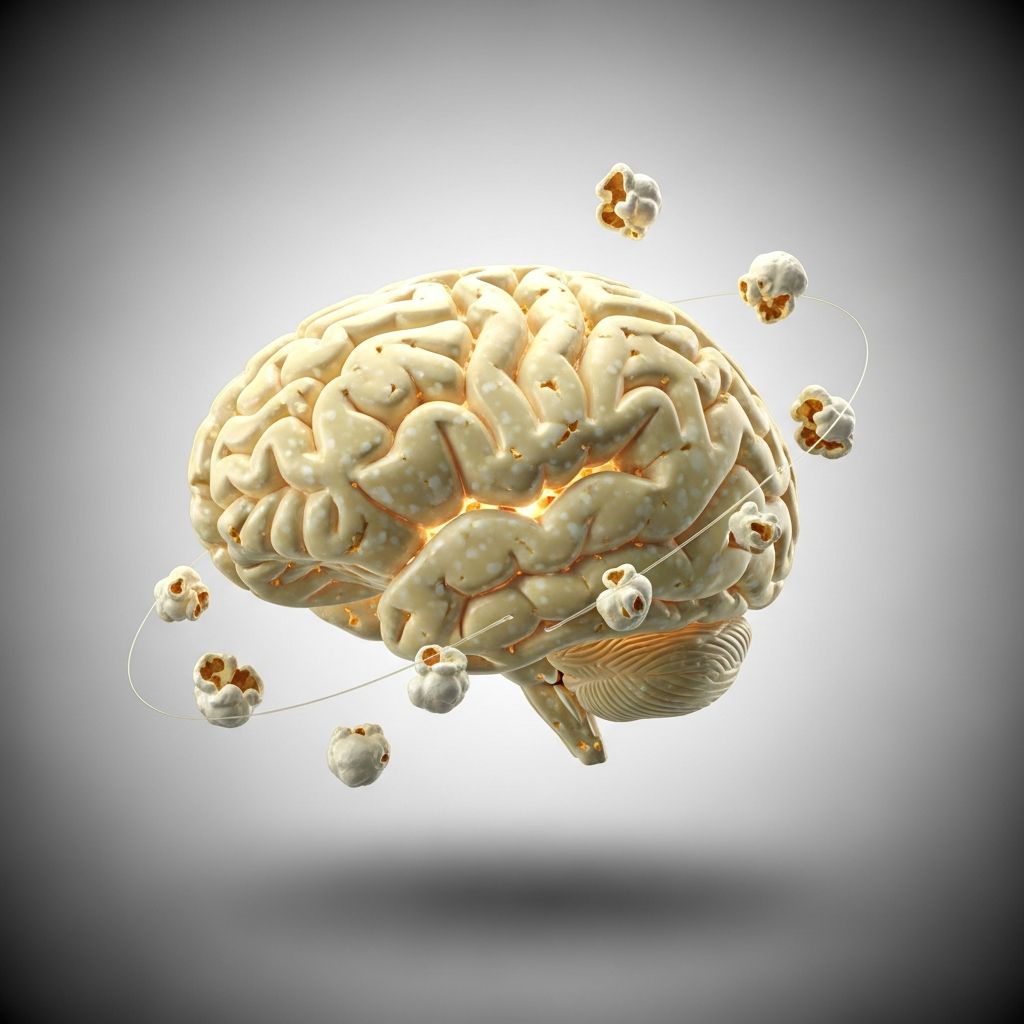
In today’s hyper-connected environment, maintaining steady concentration feels increasingly challenging. Popcorn brain captures this struggle—a mental state where thoughts scatter like kernels bursting in hot oil, driven by constant digital interruptions. This article delves into its origins, manifestations, and remedies, offering parents and individuals tools to counteract its grip.
Defining the Popcorn Brain Phenomenon
Popcorn brain refers to the rapid, erratic shifting of attention fueled by excessive exposure to digital media. Coined by University of Washington researcher David M. Levy, it describes how relentless multitasking across devices conditions the mind to crave quick hits of stimulation, rendering slower, real-world tasks unappealing. Unlike clinical conditions, this is a behavioral response to modern technology’s pace, where notifications and short-form content dominate daily life.
Adults check their phones over 200 times daily on average, a habit that fragments focus and heightens stress responses. For developing minds, the impact intensifies, as young brains adapt more readily to rapid inputs, potentially altering neural pathways for attention and impulse control.
How Digital Habits Fuel Mental Fragmentation
Social media platforms and apps deliver content in bite-sized bursts—videos lasting seconds, endless scrolls of images and updates. This design exploits the brain’s dopamine system, rewarding novelty with chemical surges that encourage more consumption. Over time, the mind expects perpetual excitement, making sustained efforts like reading or problem-solving feel laborious.
Key drivers include:
- Constant notifications disrupting thought flow.
- Short-form videos training impatience for depth.
- Multitasking across tabs and apps, preventing deep processing.
- Algorithmic feeds prioritizing engagement over substance.
Unlike traditional media, digital content’s interactivity amplifies overstimulation, leading to a cycle where offline activities pale in comparison.
Distinguishing Popcorn Brain from ADHD
Popcorn brain mimics attention-deficit/hyperactivity disorder (ADHD) symptoms but lacks its neurological basis. ADHD, recognized by the American Psychiatric Association, involves persistent inattention, hyperactivity, and impulsivity rooted in brain structure and function. Popcorn brain, conversely, emerges from environmental overload and recedes with reduced screen exposure.
| Aspect | Popcorn Brain | ADHD |
|---|---|---|
| Origin | Digital habits and overstimulation | Neurodevelopmental disorder |
| Duration | Temporary, reversible | Lifelong without management |
| Treatment | Behavioral changes, limits | Medication, therapy |
| Triggers | Screens, notifications | Genetic, environmental factors |
Consult professionals if symptoms persist beyond screen reduction, as co-occurrence is possible.
Recognizing Popcorn Brain in Children
Youth are particularly vulnerable due to evolving executive functions—skills for planning, focus, and self-control. Excessive short-form content rewires expectations, making schoolwork or family time torturous.
Common indicators include:
- Struggles with homework, abandoning tasks midway.
- Fidgeting or device-seeking during meals or conversations.
- Quick boredom with non-digital activities like games or stories.
- Emotional outbursts when screens are removed.
- Forgetfulness in following instructions or retaining details.
These behaviors, if screen-linked and not attributable to other issues, signal popcorn brain. Teens scrolling 50+ TikToks in minutes exemplify the speed mismatch with real-life rhythms.
Health Consequences of Chronic Digital Overload
Beyond attention lapses, popcorn brain exacts a toll on well-being. Mentally, it breeds anxiety, frustration, and exhaustion from perpetual task-switching. Physically, screen glare causes eye strain, headaches, and disrupted sleep cycles.
Long-term risks involve diminished learning capacity and emotional regulation, as constant stimulation hampers prefrontal cortex development crucial for decision-making. Parents report children exhibiting impulsivity, impatience, and disinterest in sustained pursuits, compounding academic and social challenges.
Practical Strategies to Combat Popcorn Brain
Reversing popcorn brain requires intentional boundaries, not elimination. Research supports gradual reduction in device reliance for sustainable gains.
Effective approaches:
- Establish tech-free zones: Bedrooms and meals without devices to foster calm.
- Set time limits: Use apps or parental controls for daily caps on social media.
- Promote mindfulness: Short daily practices like breathing exercises rebuild focus.
- Encourage alternatives: Outdoor play, reading, or hobbies providing steady engagement.
- Model behavior: Parents demonstrating focused habits influence children profoundly.
Habit formation takes about eight weeks; celebrate incremental progress to sustain motivation.
Building Family-Wide Digital Wellness
Address popcorn brain collectively for lasting impact. Family media plans outline shared rules, such as device curfews or co-viewing educational content. Integrate physical activity and nutrition to bolster brain resilience against overstimulation.
Track improvements via journals noting focus duration or mood post-screen breaks. Tools like Bark monitor usage without invading privacy, alerting to excessive patterns.
Role of Education and Awareness
Schools increasingly tackle this by incorporating digital literacy curricula, teaching sustained attention through project-based learning. Parents can advocate for balanced tech integration, ensuring devices enhance rather than erode cognition.
Awareness empowers action: understanding popcorn brain as a modifiable habit, not inevitability, motivates change.
Frequently Asked Questions
Can adults experience popcorn brain?
Yes, adults are highly susceptible due to work and social demands, but self-regulation skills aid recovery faster than in children.
How long does it take to reverse popcorn brain effects?
Typically 4-8 weeks of consistent boundaries, with noticeable focus gains in days.
Is popcorn brain permanent?
No, it’s environmentally induced and reversible through lifestyle adjustments, unlike ADHD.
What if symptoms persist after reducing screens?
Seek evaluation for underlying issues like ADHD or anxiety from a qualified professional.
Are there apps to help manage popcorn brain?
Yes, focus timers, screen trackers, and mindfulness apps support habit-building.
Popcorn brain highlights technology’s double edge: connective yet disruptive. By prioritizing mindful use, families can nurture resilient minds equipped for depth over distraction.
References
- Popcorn Brain: Signs & Tips — Newport Healthcare, Alexia Dellner, clinically reviewed by Don Grant, Ph.D. 2023. https://www.newporthealthcare.com/resources/press/popcorn-brain/
- Is Popcorn Brain the Reason You Can’t Focus? — Mental Health-ish (Substack). 2023. https://mentalhealthish.substack.com/p/you-might-have-popcorn-brain
- Popcorn Brain: How Social Media Is Rewiring Your Child’s Attention Span — Bark.us. 2023. https://www.bark.us/blog/popcorn-brain/