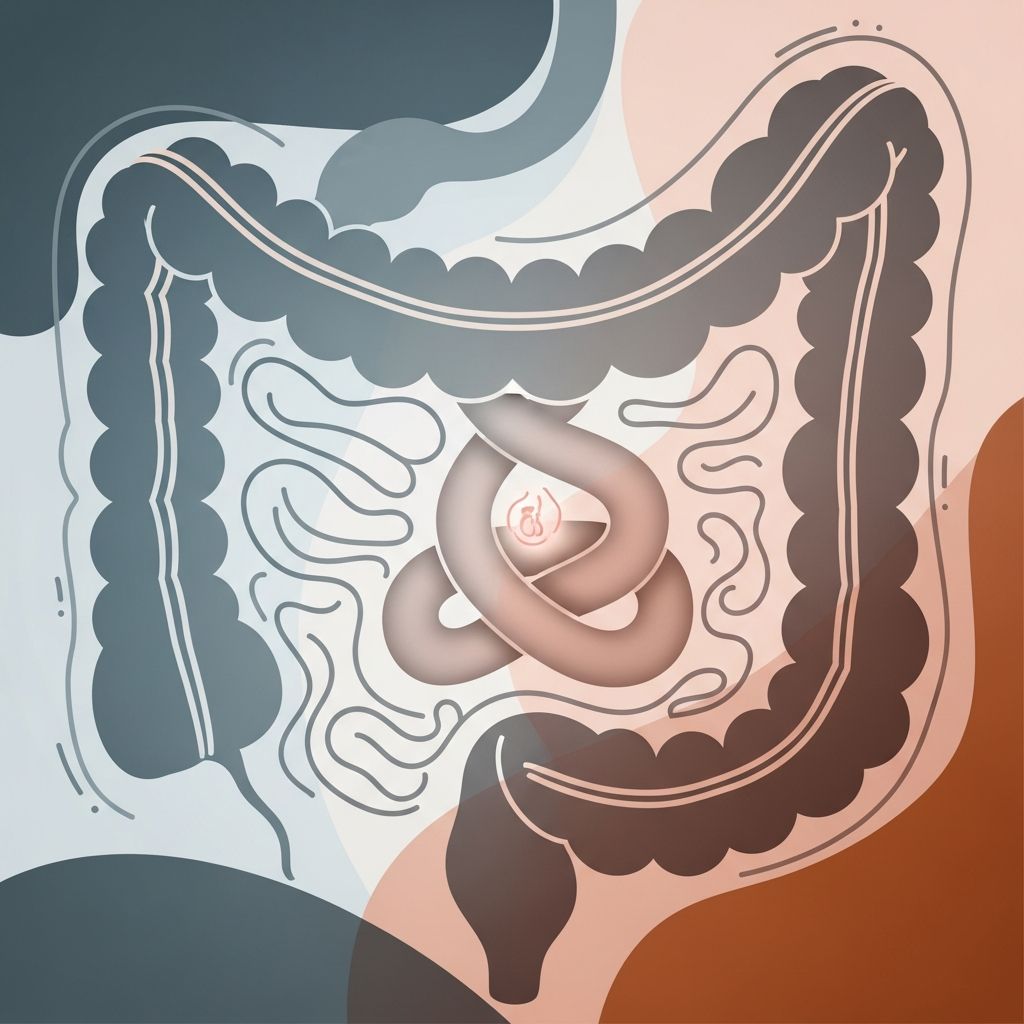
The Reality of Bodily Functions During Childbirth
Pregnancy and labor bring numerous physical changes and experiences that many expectant parents find both exciting and anxiety-inducing. Among the concerns that frequently arise is the possibility of experiencing a bowel movement during delivery. This natural bodily function, though rarely discussed openly, occurs regularly during the birthing process for many individuals. Understanding this phenomenon can help reduce unnecessary worry and allow parents to focus on what truly matters: welcoming their newborn into the world.
Healthcare providers recognize that the human body undergoes remarkable transformations during labor, and bodily functions often occur in ways that feel unpredictable or embarrassing. However, these experiences are not anomalies but rather expected components of the childbirth process. By examining the physiological mechanisms at work, expectant parents can gain perspective and peace of mind.
How Common Is This Experience?
One of the first questions that crosses the minds of pregnant individuals is: “How often does this actually happen?” The answer is reassuring: it occurs frequently enough that healthcare professionals consider it a normal part of labor. According to certified nurse midwives and obstetric specialists, approximately half or more of individuals who give birth vaginally experience some degree of bowel movement during labor. Despite this prevalence, comprehensive statistical research on the exact frequency remains limited, partly because medical professionals view this as a natural bodily function rather than a clinical concern requiring documentation.
The lack of formal statistical data doesn’t diminish the importance of understanding this occurrence. Instead, it reflects a broader medical perspective that recognizes bowel movements during labor as an ordinary physiological response, similar to other involuntary bodily functions that occur during intense physical exertion.
What’s particularly noteworthy is that when bowel movements do occur during labor, many individuals don’t even notice them happening. This is because numerous other fluids and substances are being released simultaneously, including amniotic fluid, blood, mucus, and the placenta, creating an environment where a bowel movement becomes just one component of a much larger biological process.
The Biological Mechanisms Behind Labor Bowel Movements
Understanding why bowel movements occur during labor requires examining several interconnected physiological processes. The human body operates with remarkable coordination, and during childbirth, multiple systems work together in ways that can trigger unexpected bodily responses.
Hormonal Influences
During labor, the body releases significant quantities of prostaglandins, which are hormone-like substances that play a crucial role in preparing the body for delivery. These prostaglandins serve multiple functions: they help ripen and soften the cervix, facilitate uterine contractions, and promote the overall progression of labor. However, prostaglandins also stimulate the muscles throughout the gastrointestinal tract, potentially triggering bowel movements or pre-labor diarrhea. This hormonal cascade represents the body’s intelligent preparation for childbirth, though it can have unexpected side effects.
Muscular Coordination and Positioning
A fundamental reason bowel movements occur during labor relates to the muscles involved in the birthing process. The same abdominal and core muscles that individuals use to push during a bowel movement are identical to those engaged during labor contractions and pushing efforts. This muscular overlap means that when a pregnant person bears down to help expel their baby, they’re simultaneously engaging the very muscles that would naturally push out feces.
Additionally, as the baby descends into the birth canal during late-stage labor, the infant’s head exerts direct pressure on the rectum and surrounding nerves. This pressure can trigger the sensation that a bowel movement is imminent, even if the rectum is empty. In some cases, this pressure is misinterpreted by the laboring individual as the need to have a bowel movement, when in reality, it’s primarily the baby’s head creating the sensation.
Anatomical Proximity
The anatomical closeness between the reproductive system and the gastrointestinal system plays a significant role in this phenomenon. The uterus and small intestine are not only positioned near each other but are also composed of similar types of smooth muscle. When the uterus contracts forcefully during labor, these neighboring structures can be stimulated, potentially triggering bowel movements. This anatomical reality demonstrates how interconnected bodily systems respond during intense physical processes.
Timing and Stages of Labor
Bowel movements during labor don’t occur randomly throughout the birthing process. Instead, they typically happen during specific phases. Most commonly, bowel movements occur during the late stages of labor, particularly during the transition phase and when active pushing begins. This timing correlates with increased pressure from the descending baby and the most intense pushing efforts from the laboring individual.
Early labor presents a different scenario. During this initial phase, if an individual experiences the urge to have a bowel movement and can do so comfortably without straining, it’s generally considered safe and potentially beneficial to respond to this urge. Emptying the bowels during early labor can prevent potential complications later, as a full colon can theoretically impede the baby’s descent through the birth canal. However, once active labor and transition phases begin, sensations of needing to have a bowel movement are more likely attributable to the baby’s pressure rather than actual fecal matter in the rectum.
Types of Birth and Bowel Movement Occurrence
It’s important to note that bowel movements during labor aren’t exclusive to vaginal deliveries. These movements can occur regardless of the birth method chosen:
- Vaginal delivery on hospital beds
- Water births in tubs or pools
- Births using birthing balls
- Alternative positions such as squatting or kneeling
- Even during the period leading up to cesarean sections (though less common)
This universality reinforces that bowel movements during labor represent a fundamental physiological response rather than an outcome specific to particular birthing circumstances.
Can Bowel Movements During Labor Be Prevented?
One question frequently asked by expectant parents is whether techniques exist to prevent bowel movements during labor. The straightforward answer is no—there are no reliable methods to completely prevent this natural occurrence. While some medical practices in earlier decades involved administering enemas or laxatives before labor, these interventions have been largely abandoned by modern healthcare providers. Research has shown that such interventions can cause significant side effects, including dehydration, pain, and general discomfort, without effectively preventing bowel movements during labor.
Rather than attempting to prevent an inevitable biological process, healthcare professionals now recommend that expectant parents accept this as a normal part of childbirth and focus their mental energy on labor management and baby delivery instead.
Potential Benefits of This Natural Process
While many individuals experience embarrassment or anxiety about the possibility of bowel movements during labor, emerging research suggests potential benefits to this natural occurrence. Immediately after birth, newborns experience rapid colonization by microorganisms—bacteria and other microbes that begin establishing the infant’s microbiome. Research indicates that colonization by bacteria from the parent’s vaginal and fecal matter may be preferable to colonization by environmental bacteria, which could potentially include more harmful pathogens. This suggests that bowel movements during labor might actually provide a health advantage to newborns by exposing them to beneficial bacteria from their parent.
Additionally, the presence of stool during delivery isn’t problematic for the baby or the birthing process. Modern sanitation practices ensure that any fecal matter is easily managed by healthcare providers, and it poses no medical risk to the infant.
Why Straining Should Be Avoided
A common mistake expectant parents make during labor is deliberately straining or attempting to have a bowel movement out of fear or embarrassment. This counterproductive behavior should be avoided for several important reasons:
- Unnecessary straining can contribute to hemorrhoid development
- Excessive straining during active labor or transition may cause cervical swelling
- Straining without a genuine need wastes energy that should be conserved for effective pushing
- Deliberately straining might actually prolong labor by diverting focus from productive contractions
Healthcare providers emphasize that laboring individuals should trust their bodies and respond naturally to actual bodily signals rather than attempting to preemptively manage this situation.
What Healthcare Providers Actually Think
It’s important for expectant parents to understand that healthcare providers who attend deliveries view bowel movements during labor not with judgment but with clinical normalcy. From a medical perspective, a bowel movement during labor can actually indicate that pushing efforts are effective and that labor is progressing appropriately. When individuals push in the correct manner and with proper force, bowel movements sometimes occur as a byproduct. This can actually serve as reassurance that efforts are directed correctly.
In fact, healthcare professionals often use the analogy of pushing as if having a bowel movement to help laboring individuals understand the mechanics of effective pushing. They’re not making a crude joke; they’re providing practical instruction about muscle engagement. This demonstrates that medical professionals recognize the relationship between these two physical processes and consider it valuable information for labor management.
Managing Anxiety About This Possibility
For many expectant parents, the concern about bowel movements during labor stems from social conditioning and embarrassment rather than any genuine medical concern. Several strategies can help manage this anxiety:
- Normalize the experience: Discuss the topic openly with healthcare providers, childbirth educators, and other parents who have given birth
- Understand the context: Remember that labor is a messy biological process with many fluids and substances being released
- Focus on the goal: Direct mental energy toward baby delivery and the incredible achievement of childbirth rather than potential embarrassment
- Trust your care team: Healthcare professionals handle this situation routinely and without judgment
- Consider privacy preferences: Discuss labor environment preferences with your care team in advance
Frequently Asked Questions
Q: Will I definitely poop during labor?
A: No, approximately half of individuals who give birth vaginally experience this, but it’s not universal. Additionally, if it does occur, you may not even notice it happening amidst all the other fluids and substances being released.
Q: Is there anything I can do to prevent it?
A: No reliable prevention methods exist, and attempting to force bowel movements to avoid the possibility can actually cause complications like hemorrhoids or cervical swelling.
Q: Will it harm my baby?
A: No, modern sanitation practices ensure that any fecal matter is immediately managed, and it poses no medical risk to your newborn.
Q: Is it a sign something is wrong?
A: Quite the opposite—bowel movements during labor can actually indicate that pushing efforts are effective and labor is progressing normally.
Q: Should I try to empty my bowels before labor begins?
A: If you’re in early labor and feel the urge, it’s generally safe and potentially beneficial to respond naturally. However, don’t strain or force it.
Moving Forward With Confidence
Understanding that bowel movements during labor are a completely normal physiological response can significantly reduce unnecessary anxiety during pregnancy. Rather than viewing this as an embarrassing potential occurrence, expectant parents can reframe it as evidence that their bodies are responding appropriately to the demands of childbirth. The biological mechanisms that trigger bowel movements during labor—hormonal changes, muscular coordination, anatomical proximity, and pressure from the descending baby—all demonstrate the remarkable complexity of human reproduction.
By educating themselves about this natural process, discussing it openly with healthcare providers, and releasing unnecessary shame or embarrassment, expectant parents can enter labor with greater peace of mind and confidence. Healthcare professionals are trained, experienced, and completely unbothered by this aspect of childbirth. The focus during labor should remain on the incredible accomplishment of bringing a new life into the world, not on managing social embarrassment about completely natural bodily functions.
References
- Pooping During Labor: Causes and More — The Bump. 2024-05-20. https://www.thebump.com/a/pooping-during-childbirth
- Do Women Poop When They Give Birth? — Healthline. 2024. https://www.healthline.com/health/pregnancy/do-women-poop-when-they-give-birth
- Pooping During Labor – Here’s What You Need To Know — Bodily. 2024. https://itsbodily.com/blogs/birth-recovery-postpartum/pooping-during-labor
- Pooping during Labor is Natural — Embrace Midwifery. 2024. https://www.embracemidwifery.care/blog/poop
- Do you poop when you give birth? Embarrassing questions about childbirth — HealthPartners Blog. 2024. https://www.healthpartners.com/blog/going-poop-labor-embarrassing-questions-childbirth/