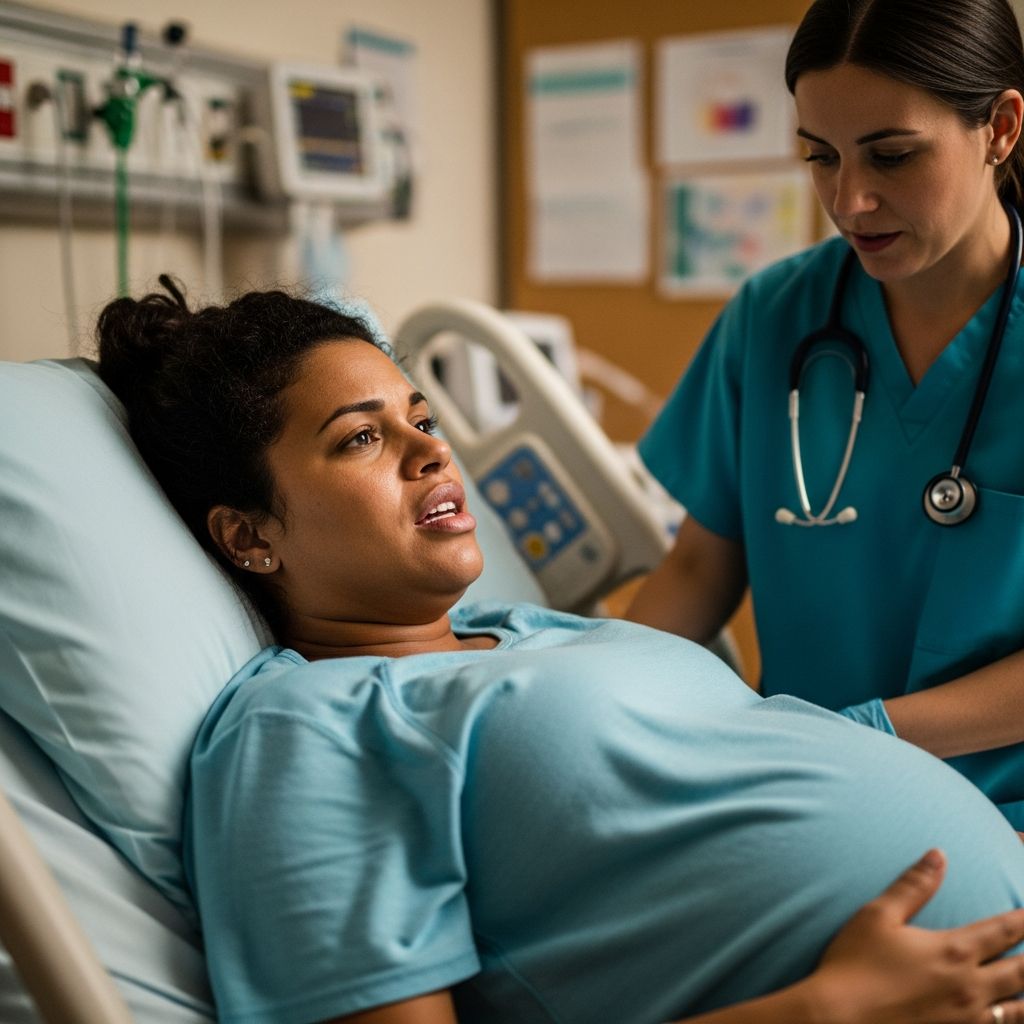
During the intense process of vaginal delivery, many birthing individuals experience involuntary bowel movements, a natural occurrence that often catches people by surprise. This phenomenon arises from the body’s physiological responses to labor contractions and pushing efforts, signaling effective progress toward birth.
Understanding the Physiology Behind It
The human body coordinates labor through powerful hormonal and muscular mechanisms. As contractions intensify, the release of prostaglandins—hormone-like substances—plays a key role. These compounds not only soften the cervix but also stimulate intestinal activity, prompting bowel evacuation.
Additionally, the descending baby applies direct pressure on the rectum, mimicking the sensation of needing to defecate. The pelvic floor muscles engaged in pushing the baby out are identical to those used for bowel movements, creating an overlap that makes this event likely during the second stage of labor.
Rectal pressure during active labor or transition often stems from the fetal head compressing nearby nerves and tissues, rather than stool alone. This pressure guides instinctive pushing, aligning bodily urges with delivery needs.
How Prevalent Is This During Delivery?
Exact statistics are scarce due to its normalization in clinical settings, but estimates suggest at least 50% of vaginal births involve some stool passage. Medical professionals view it as unremarkable, akin to other involuntary reflexes, with occurrences peaking as the baby crowns.
Without comprehensive studies, prevalence data relies on anecdotal expert consensus. Certified nurse-midwives and obstetricians report it as routine, especially sans pre-labor interventions like enemas, now deemed unnecessary.
Positive Signs of Progress
Far from a setback, a bowel movement during pushing indicates optimal muscle engagement. It confirms the birthing person is bearing down correctly on the pelvic floor, facilitating fetal descent.
- Effective Pushing Indicator: Using bowel-pushing muscles advances labor efficiently.
- Progress Marker: Signals the baby is moving downward, avoiding prolonged efforts.
- Barrier Prevention: Clears the rectum, removing potential obstructions to delivery.
Suppressing this urge can hinder progress, extending labor duration. Embracing it promotes smoother advancement.
Microbiome Advantages for Newborns
Vaginal births expose infants to maternal bacteria, including from fecal matter, seeding the gut microbiome. This initial colonization differs markedly from cesarean deliveries, potentially influencing long-term health.
Beneficial microbes from the birth canal and minimal stool contact support immune development, contrasting with environmental exposures in surgical births. While not the primary goal, this byproduct underscores nature’s design.
Will You Notice It Happening?
Most birthing people remain unaware due to overwhelming sensations. The urge to push blends with rectal pressure, obscuring distinction. Epidurals further numb awareness, minimizing perception.
Healthcare teams manage discreetly: drapes, towels, and wipes ensure immediate cleanup without comment, preserving dignity. Providers prioritize delivery, viewing it as inconsequential.
Preparation Strategies Before Labor
Modern protocols avoid routine enemas or laxatives, as they risk dehydration, cramping, and distress without reducing incidence. Instead, focus on gentle pre-labor habits:
| Approach | Benefits | Timing |
|---|---|---|
| Hydration and Fiber-Rich Diet | Promotes soft stools, eases early evacuation | Weeks Before Labor |
| Early Labor Bathroom Visits | Relieves initial urges without straining | Upon Feeling Need |
| Avoid Heavy Restriction | Prevents constipation impeding descent | Throughout Pregnancy |
Early labor diarrhea often precedes active phases naturally. Eat if hungry—limiting intake heightens risks without preventing events.
Managing Concerns and Mindset
Anxiety stems from privacy fears, but teams are adept and nonjudgmental. Reframe as a progress milestone, reducing tension that could slow labor.
- Discuss with Provider: Normalize expectations prenatally.
- Partner Support: Brief them on normalcy.
- Relaxation Techniques: Breathing eases involuntary responses.
Comparisons: Vaginal vs. Other Birth Methods
| Birth Type | Bowel Movement Likelihood | Key Factors |
|---|---|---|
| Vaginal | High (50%+) | Pushing mechanics, fetal pressure |
| Cesarean | Low/None | No pushing; surgical |
| With Epidural | High but Unnoticed | Numbness masks sensation |
Post-Delivery Considerations
After birth, meconium—newborn’s first stool—may appear if passed in utero under stress, but labor-related maternal stool poses no risk. Recovery focuses on hydration and fiber to restore regularity.
Frequently Asked Questions
Is pooping during labor a sign of problems?
No, it indicates correct pushing and progress. Fighting it may prolong labor.
Can I prevent it entirely?
No reliable methods exist; past enemas are outdated and unhelpful.
Does it harm the baby?
Not at all—may even benefit microbiome seeding.
What if I have an epidural?
You’re less likely to notice, with teams handling cleanup seamlessly.
Should I empty bowels before hospital?
Try if urge arises in early labor, but don’t strain in active phases.
Expert Guidance for Confident Birthing
Consult obstetricians, midwives, or doulas to personalize plans. Knowledge dispels myths, fostering empowerment. Childbirth’s messiness yields profound joy—embrace all aspects.
This guide draws from clinical insights, emphasizing normalcy. Prioritize prenatal education for reduced anxiety.
References
- Pooping During Labor: Causes and More – The Bump — The Bump. 2023. https://www.thebump.com/a/pooping-during-childbirth
- Q&A: Worried About Pooping During Labor? – Pregnancy Podcast — Pregnancy Podcast. 2023. https://pregnancypodcast.com/pooping/
- Pooping during Labor is Natural – Embrace Midwifery — Embrace Midwifery. 2023. https://www.embracemidwifery.care/blog/poop
- Pooping During Labor – Here’s What You Need To Know – Bodily — Bodily. 2023. https://itsbodily.com/blogs/birth-recovery-postpartum/pooping-during-labor
- Do you poop when you give birth? | HealthPartners Blog — HealthPartners. 2023. https://www.healthpartners.com/blog/going-poop-labor-embarrassing-questions-childbirth/
- Meconium aspiration syndrome: MedlinePlus Medical Encyclopedia — MedlinePlus (U.S. National Library of Medicine). 2024-01-17. https://medlineplus.gov/ency/article/001596.htm