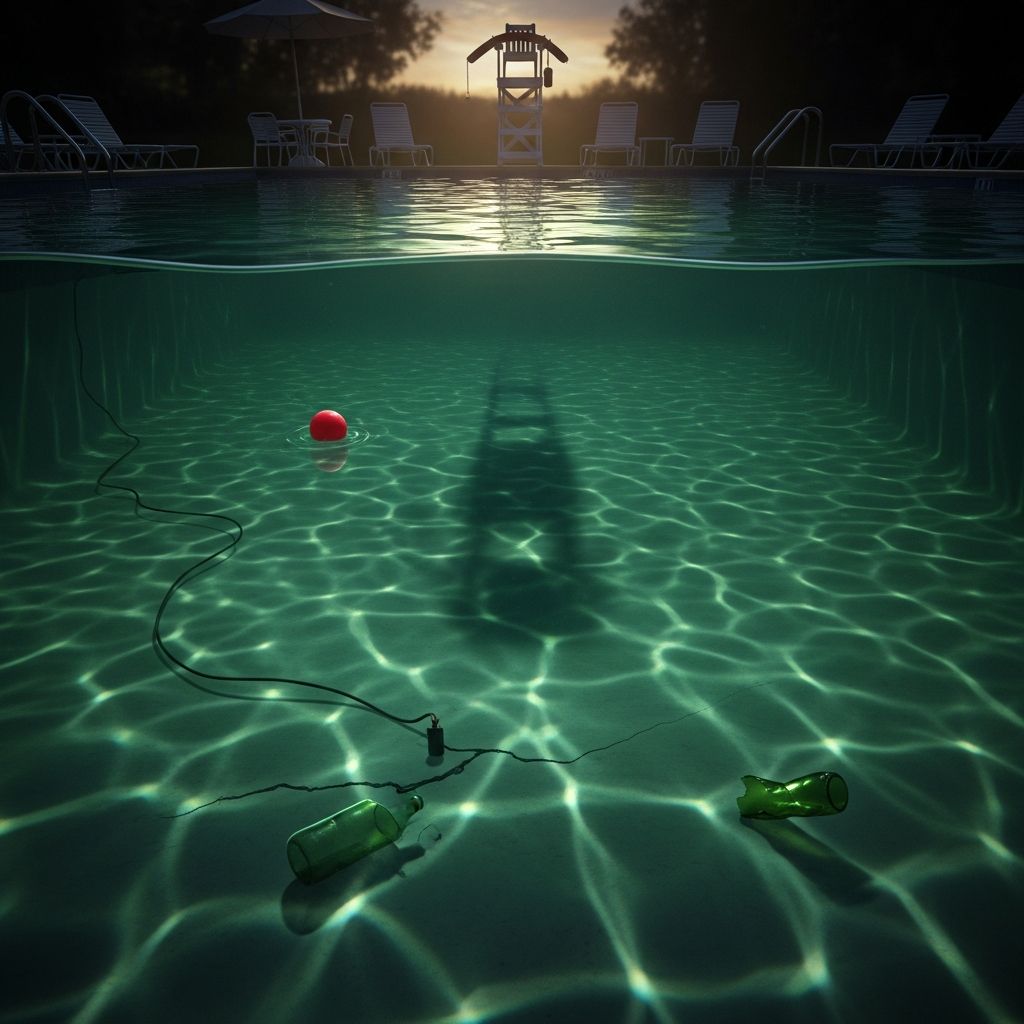
Swimming offers excellent exercise and relaxation, but pool water can conceal serious health threats. Pathogens from swimmers and chemical disinfectants create risks ranging from stomach bugs to chronic respiratory issues. This article examines these dangers, vulnerable groups, and proven prevention methods to ensure safer aquatic activities.
Common Pathogens Thriving in Pool Environments
Pool water appears pristine, yet it frequently harbors dangerous microorganisms introduced by swimmers through sweat, feces, urine, or poor hygiene. Even trace fecal matter can contaminate large volumes, spreading illness rapidly in crowded settings.
- Cryptosporidium: This chlorine-resistant parasite causes cryptosporidiosis, leading to watery diarrhea, stomach cramps, and dehydration lasting up to two weeks. Children and public pools see frequent outbreaks.
- E. coli and Salmonella: Fecal bacteria trigger severe gastroenteritis with bloody diarrhea and fever. They survive if chlorine levels drop.
- Norovirus and Adenoviruses: These viruses provoke vomiting, diarrhea, and respiratory symptoms. Swallowing just a few contaminated drops suffices for infection.
- Pseudomonas aeruginosa: Flourishes in warm, poorly sanitized water, causing ‘hot tub rash,’ ear infections, or swimmer’s itch.
- Legionella: Aerosolized in spas and hot tubs, it leads to Legionnaires’ disease, a severe pneumonia affecting the lungs.
Diarrheal diseases dominate, with swimmer illness rates hitting 3-8% in surveyed recreational waters. These pathogens enter via ingestion, skin contact, or inhalation, underscoring pools’ communal risk factor.
Chemical Disinfectants: Protection with a Price
Chlorine effectively combats many germs like rotavirus, Shigella, and hepatitis A, slashing disease transmission since its widespread adoption. However, it reacts with bodily organics—sweat, cosmetics, sunscreen—to form disinfection byproducts (DBPs) such as trihalomethanes and chloramines.
DBPs damage DNA, elevating cancer risks. Lab tests show they induce mutations in rats, while human epidemiology links prolonged exposure to bladder cancer. Indoor pools amplify airborne chloramines, irritating airways.
| Risk | Cause | Effects |
|---|---|---|
| Respiratory Issues | Chloramines in air | Asthma, hay fever, bronchiolitis |
| Cancer Potential | DBPs absorbed via skin/ingestion | Bladder cancer biomarkers |
| Dental Damage | Acidic water | Enamel erosion, sensitivity |
| Digestive Upset | Over-chlorination | Nausea, irritation |
Respiratory and Allergic Reactions from Pool Exposure
Children swimming in chlorinated pools, especially indoors before age two, face heightened asthma and allergy risks. Belgian studies link early exposure to eczema, dust mite sensitization, and airway inflammation. Teens logging more pool hours show elevated hay fever and asthma rates, absent in copper-silver sanitized pools.
Over-chlorination exacerbates this: volatile chemicals breathe into lungs or absorb through skin, worsening allergies. Frequent indoor swimmers suffer more tooth decay from pH imbalance eroding enamel. These findings highlight chlorination’s double-edged sword.
High-Risk Groups and Vulnerable Scenarios
Not everyone faces equal threats. Young children, seniors, and immunocompromised individuals succumb easiest due to weaker defenses. Kids swallow more water accidentally, amplifying ingestion risks.
Spas and hot tubs pose unique dangers: warmer temperatures foster Legionella and Pseudomonas growth, while jets aerosolize bacteria for inhalation. Public pools during outbreaks see rapid spread from one contaminated swimmer.
- Infants and toddlers: Prone to fecal accidents and higher ingestion.
- Pregnant individuals: Dehydration from diarrhea harms fetal health.
- Asthmatics: Sensitive to chloramine vapors.
- Incontinent bathers: Increase pathogen load unknowingly.
Proven Strategies to Minimize Pool Hazards
Maintaining proper sanitation remains paramount. Pools must sustain free chlorine at 1-3 ppm and pH 7.2-7.8 to kill most pathogens effectively. Filters remove particulates, but diligent shocking addresses breakthroughs.
Swimmer hygiene slashes introduction risks:
- Shower thoroughly before entering to rinse contaminants.
- Avoid pools for two weeks post-diarrhea or with open wounds.
- Never swallow water; supervise children closely.
- Use swim diapers for infants, changing promptly.
- Limit spa time to 15 minutes; cool water below 104°F.
Alternatives like UV, ozone, or copper-silver systems reduce DBPs and resist chlorine-tolerant parasites like Crypto. Operators should test water daily and post illness advisories.
Signs of Illness and When to Seek Care
Monitor for symptoms post-swim: persistent diarrhea, rash, ear pain, eye redness, or cough. Dehydration signs—dry mouth, dizziness—demand immediate fluids. Crypto illnesses last longest; consult doctors for antiparasitics if severe.
Report outbreaks to health departments; multiple cases trigger investigations. Most recover at home, but pneumonia or bloody stools warrant medical attention.
Frequently Asked Questions About Pool Safety
Can properly chlorinated pools still spread disease?
Yes, parasites like Cryptosporidium resist standard chlorine, and human error allows pathogen survival.
Are indoor pools riskier than outdoor ones?
Yes, trapped chloramine vapors heighten respiratory risks indoors.
Future Directions in Pool Sanitization
Advanced tech promises safer water: electrolytic chlorine generators minimize byproducts, while real-time sensors detect contaminants instantly. Research into phage therapy targets bacteria precisely without chemicals. Public education campaigns, like CDC’s Healthy Swimming, promote hygiene norms.
Parents can advocate for better-maintained facilities and teach kids safe habits. Balancing enjoyment with vigilance keeps pools healthful havens.
References
- Swimming pools and health risks: A parent’s evidence-based guide — Parenting Science. 2023. https://parentingscience.com/swimming-pools/
- What Diseases can you get from Swimming Pools and Spas? — Legionella Control. 2024. https://legionellacontrol.com/legionella/diseases-swimming-pools-spas/
- 4 Health Risks of Over-Chlorinated Pools + Safety Tips — Endless Pools. 2023. https://www.endlesspools.com/blog/post/4-health-risks-of-over-chlorinated-pools-and-7-safety-tips
- What’s Lurking in Swimming Pools? — University of Utah Health. 2023-05-01. https://healthcare.utah.edu/healthfeed/2023/05/whats-lurking-swimming-pools
- Swimming and Illness Frequently Asked Questions — LA County Public Health. 2024. http://www.publichealth.lacounty.gov/eh/faq/swimming-illness.htm
- Health and safety in recreational waters — PMC / NIH. 2014. https://pmc.ncbi.nlm.nih.gov/articles/PMC3949538/
- Preventing Swimming-related Illnesses — CDC. 2025. https://www.cdc.gov/healthy-swimming/prevention/index.html