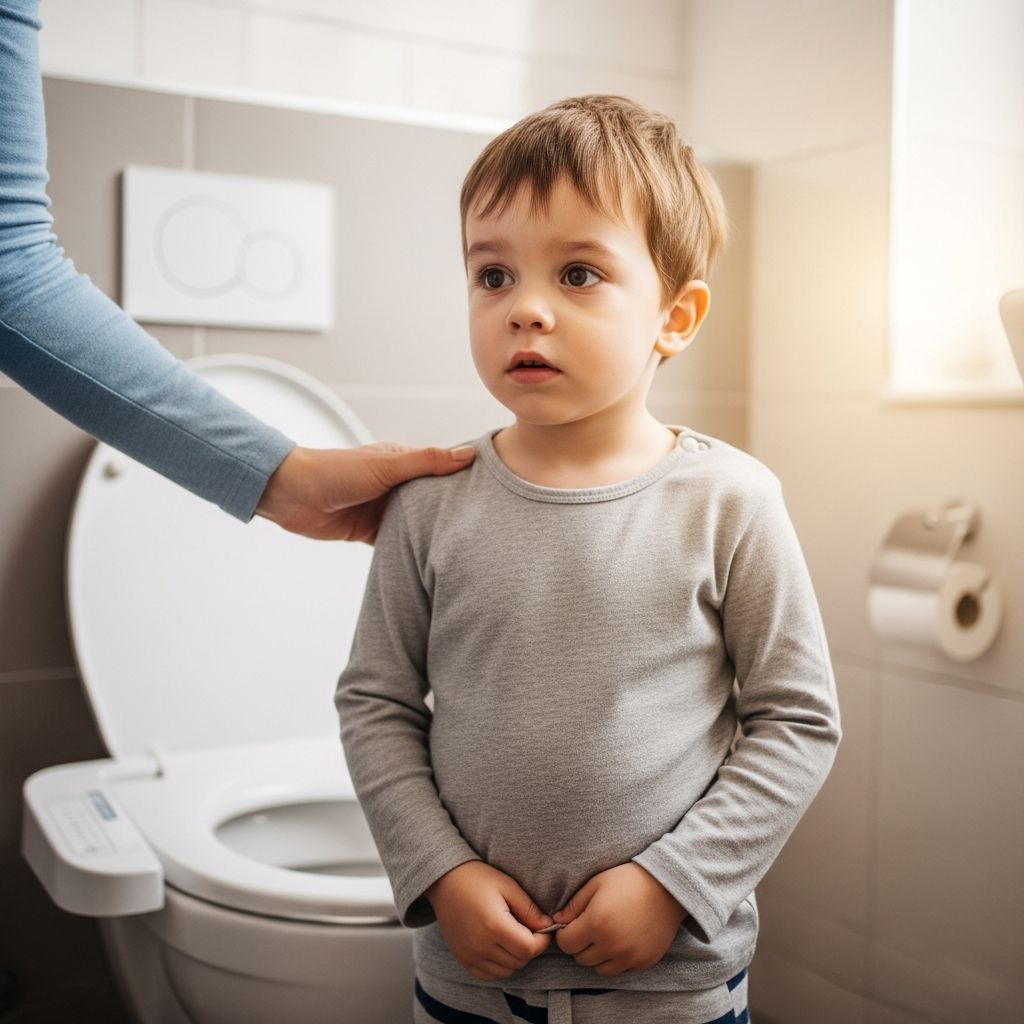
Children go to the bathroom a lot for many normal reasons, from drinking more fluids to learning toilet skills. Sometimes, however, a child passes an unusually large volume of urine again and again. This pattern is called polyuria, and in some cases it can be a sign of an underlying medical condition that needs prompt care.
This guide explains what polyuria is, how it differs from simply going to the toilet often, what might cause it, and when to contact your child’s doctor.
What Does “Polyuria” Actually Mean?
Polyuria refers to producing an abnormally large volume of urine in a day, not just urinating more frequently. In medical terms:
- Adults: more than about 3 liters of urine per day is typically considered polyuria.
- Children: doctors use a threshold based on body size; a common definition is more than 2 L per square meter of body surface area per day.
Because parents cannot easily measure exact volumes, the pattern often becomes obvious through everyday changes, such as constantly soaked diapers or much more frequent trips to the bathroom with large amounts of urine each time.
Polyuria vs. Urinary Frequency
It is important to separate two related but different ideas:
| Feature | Polyuria | Urinary Frequency (e.g., pollakiuria) |
|---|---|---|
| Main issue | Large total urine volume in a day | Many trips to urinate, often with small amounts |
| Typical cause | Body makes or excretes more urine (e.g., diabetes, kidney issues) | Bladder irritation, habits, constipation, anxiety, or benign patterns |
| Thirst | Often increased (polydipsia) | May be normal |
| Medical concern | More likely to signal a systemic illness | Often benign, but still may need evaluation |
Both situations can be frustrating for children and parents, but polyuria draws particular attention because it can be linked to conditions such as diabetes.
How Might Polyuria Show Up in a Child?
The signs of polyuria vary with a child’s age and the underlying cause, but common clues include:
- Very wet diapers that need changing far more often than before
- Large amounts of urine each time the child voids, not just dribbles
- New or worsening bedwetting after a child had been dry at night
- Frequent night-time urination (nocturia), waking to use the bathroom multiple times
- Constant thirst, often wanting water even during the night
- Signs of dehydration, such as dry mouth, fewer tears, or fatigue
- Poor weight gain or weight loss in babies and children
In infants and toddlers, parents may also see irritability, fever from dehydration, or poor growth if polyuria is long-standing.
Symptoms That Need Urgent Medical Care
Polyuria can be part of a serious illness. Call your child’s doctor or seek urgent care if, along with frequent and heavy urination, your child has:
- Rapid breathing, vomiting, or belly pain
- Extreme tiredness, confusion, or difficulty staying awake
- Fast heart rate or signs of severe dehydration (sunken eyes, cool hands or feet, no tears)
- Sudden weight loss over days or weeks
- Headache, vision changes, or seizures
These can be signs of diabetic ketoacidosis, severe dehydration, or other emergencies, and should be treated immediately.
Why Can Children Develop Polyuria?
Many conditions can lead to excessive urine production. Some are short-lived and easily treated, while others are chronic and need long-term management.
1. High Blood Sugar (Diabetes Mellitus)
Type 1 diabetes is one of the most important causes of polyuria in children. When blood sugar is very high, the kidneys spill excess glucose into the urine, drawing water with it and creating a solute diuresis (sugar-driven urine loss).
Typical features of new-onset type 1 diabetes include:
- Polyuria (large amounts of urine)
- Polydipsia (drinking much more than usual)
- Weight loss despite normal or increased appetite
- Tiredness, irritability, sometimes bedwetting in a previously dry child
If not recognized, children may develop diabetic ketoacidosis, a life-threatening complication that requires emergency treatment.
2. Problems With Antidiuretic Hormone (Diabetes Insipidus)
Diabetes insipidus (DI) is different from diabetes mellitus and does not involve sugar. Instead, it relates to the hormone that helps the kidneys concentrate urine, called arginine vasopressin (also known as antidiuretic hormone, ADH).
- Central DI: the brain (usually the pituitary or hypothalamus) does not produce enough ADH.
- Nephrogenic DI: the kidneys do not respond correctly to ADH.
In both types, the kidneys pass large volumes of very dilute urine, and children become extremely thirsty, often preferring cold water. Inherited forms often appear in the first years of life.
3. Primary Polydipsia (Excessive Drinking)
Sometimes, children drink large amounts of fluid for reasons unrelated to hormone or kidney disease, such as habit, dry mouth, or psychological factors. This can be described as primary polydipsia or psychogenic polydipsia.
Because they drink so much, they naturally produce more urine. Doctors must carefully distinguish this from DI because treatment strategies differ.
4. Kidney and Urinary Tract Problems
Some kidney conditions affect the ability to concentrate urine or damage kidney tubules, leading to polyuria.
- Chronic kidney disease or certain inherited kidney disorders
- Interstitial nephritis (inflammation of the kidney tissue)
- Recovering phase after acute kidney injury, when the kidneys briefly make large volumes of urine
Urinary tract infections usually cause frequent, uncomfortable urination with small volumes, but in some cases they may also contribute to changes in overall urine output.
5. Medications and Substances
Certain medicines cause the kidneys to excrete more water or salt. In children, this may include:
- Diuretics (water tablets) sometimes used for heart or kidney conditions
- Some treatments that affect calcium levels or kidney function
Always tell your child’s doctor about any medications, vitamins, or herbal supplements your child is taking if you notice big changes in urination.
6. Other Medical Conditions
Less commonly, polyuria can be linked with:
- Certain hormonal disorders (such as Cushing syndrome)
- Imbalances in blood calcium or potassium levels
- Rare brain tumors or conditions that affect the pituitary gland
- Sickle cell disease and some other blood disorders
These diagnoses often come with additional symptoms, so your child’s doctor will look at the whole picture rather than urine changes alone.
What Will the Doctor Ask and Check?
When you bring a child in for excessive urination, the doctor will begin with a detailed history and physical examination.
Questions You Might Be Asked
- How long has the increased urination been happening?
- Is it sudden or gradual?
- How often does your child urinate during the day and at night?
- Do they pass large amounts of urine each time, or just small dribbles?
- Has your child been extra thirsty?
- Have you noticed weight loss, fatigue, fever, or pain when urinating?
- Any headaches, vision changes, or behavior changes?
- What medications or over-the-counter products does your child take?
- Is there any family history of diabetes or kidney problems?
Physical Examination
The exam helps identify signs of dehydration, chronic illness, or specific conditions.
- Vital signs: heart rate, blood pressure, breathing pattern
- Hydration status: moistness of the mouth, skin turgor, tear production
- Growth: height and weight compared with previous measurements
- Abdomen: enlarged kidneys or bladder tenderness
- Eyes and nervous system: looking for changes related to brain or pituitary disorders
Tests Commonly Used to Evaluate Polyuria
Depending on the child’s symptoms and exam findings, the doctor may order a combination of tests to pinpoint the cause.
- Urinalysis: checks for sugar, ketones, infection, blood, and how concentrated the urine is.
- Blood glucose: screens for diabetes mellitus.
- Blood chemistry: looks at salts (electrolytes), kidney function, and sometimes calcium and osmolality.
- Urine volume tracking: in older children, measuring how much they urinate over 24 hours can confirm polyuria.
- Water deprivation and ADH response tests: specialized studies to differentiate diabetes insipidus from primary polydipsia.
- Imaging tests: ultrasound of the kidneys and bladder, or MRI of the brain and pituitary if a structural problem is suspected.
Many children with mild symptoms only need simple blood and urine tests initially. More advanced studies are used if the first results are concerning or unclear.
Treatment: Addressing the Underlying Cause
There is no single “polyuria medicine”. Management focuses on treating the condition that is making your child produce more urine.
Examples of Treatment Approaches
- Type 1 diabetes: insulin therapy, regular blood sugar monitoring, nutrition guidance, and education for the family.
- Central diabetes insipidus: replacement of the missing hormone with desmopressin (a synthetic form of ADH), along with careful fluid management.
- Nephrogenic DI: adjusting salt and fluid intake, and sometimes using medications that help reduce urine volume; treatment often involves a pediatric nephrologist.
- Primary polydipsia: behavior strategies, addressing psychological triggers, and monitoring sodium levels to avoid complications.
- Kidney or urinary tract conditions: treating infections, managing chronic kidney disease, or addressing structural problems identified on imaging.
Your child’s healthcare team will also pay close attention to hydration and electrolyte balance while treatment begins, especially in hospital settings.
What Parents Can Do at Home
Alongside medical care, parents play a key role in monitoring symptoms and supporting their child’s comfort.
Keep a Simple Symptom Diary
Before or after the visit, it can help to track:
- Approximate number of daytime and nighttime urinations
- Whether the amounts are small, moderate, or very large
- How often your child asks for drinks and what they prefer (water, juice, etc.)
- Any bedwetting or accidents
- Other symptoms, such as fever, pain, weight change, or mood changes
Support Hydration Safely
- Offer water regularly, especially in hot weather or during illness.
- Avoid very sugary drinks unless specifically advised by your doctor, as they can worsen dehydration in some conditions.
- If a doctor suspects DI or other salt-water balance issues, follow fluid advice carefully; never restrict or force fluids on your own in these cases.
Emotional Support
Children may feel embarrassed by wetting accidents or frequent bathroom trips. Reassure your child that:
- The problem is not their fault.
- Doctors and nurses see these issues often and are there to help.
- They can tell you whenever they feel thirsty or need the toilet, without being scolded.
Frequently Asked Questions About Polyuria in Children
How can I tell if my child is just drinking a lot or truly has polyuria?
It can be difficult at home to separate the two. Large volumes of urine plus constant thirst, especially with weight loss or nighttime waking to drink and urinate, are more concerning. Because serious conditions like diabetes can look similar to simple over-drinking, any persistent change should be checked by a healthcare professional.
Is bedwetting always a sign of polyuria?
No. Bedwetting on its own is common in young children and can result from developmental, emotional, or family factors. Polyuria is more likely when bedwetting is accompanied by very large nighttime volumes, new daytime thirst, frequent urination, or weight changes. A doctor can help distinguish simple enuresis from medical causes.
Can polyuria go away on its own?
Some causes, such as a short-term reaction to high fluid intake or recovery from an illness, may improve without specific treatment. However, other causes—like type 1 diabetes or diabetes insipidus—require ongoing medical care. Because the underlying cause is not obvious from symptoms alone, children with persistent polyuria should always be evaluated.
Should I limit how much my child drinks if they are urinating a lot?
Do not restrict fluids without medical guidance. In conditions such as diabetes mellitus or diabetes insipidus, children may need the extra fluids to avoid severe dehydration. Only a healthcare provider can safely advise on fluid limits or changes.
Which doctor should my child see?
Start with your child’s primary care provider or pediatrician. Depending on test results, they might refer you to a pediatric endocrinologist (for hormone and diabetes issues) or pediatric nephrologist (for kidney and urinary problems).
References
- Polyuria (Chapter 182) — American Academy of Pediatrics, Pediatric Care Online. 2017-01-01. https://publications.aap.org/pediatriccare/book/348/chapter/5774511/Polyuria-Chapter-182
- Polyuria: Causes, Symptoms, and Treatment — Patient.info / BMJ Group. 2023-05-10. https://patient.info/doctor/history-examination/polyuria
- Polyuria – Genitourinary Disorders — Merck Manual Professional Edition. 2023-09-01. https://www.merckmanuals.com/professional/genitourinary-disorders/symptoms-of-genitourinary-disorders/polyuria
- Polyuria Introduction — Pediatric Oncall. 2010-06-01. https://www.pediatriconcall.com/articles/pediatric-nephrology/polyuria/polyuria-introduction
- Excessive Urination Volume (Polyuria) — Healthline. 2022-08-23. https://www.healthline.com/health/urination-excessive-volume