Pollen allergies, often called hay fever or seasonal allergic rhinitis, impact a significant number of children, disrupting their daily activities, sleep, and overall well-being. Parents play a crucial role in recognizing early signs and implementing strategies to minimize discomfort during high-pollen periods.
Understanding the Nature of Pollen and Its Impact on Children
Pollen consists of fine powders released by plants like trees, grasses, and weeds to fertilize one another. When these tiny particles enter a child’s respiratory system, they can trigger an overactive immune response in sensitive individuals, mistaking harmless pollen for threats. This reaction releases histamines and other chemicals, leading to inflammation and classic allergy symptoms. Children are particularly vulnerable because their immune systems are still developing, and outdoor play exposes them to higher pollen concentrations.
Unlike colds, which are viral and resolve in 7-10 days, pollen allergies recur predictably with seasonal pollen peaks and persist as long as exposure continues. Prevalence is notable: 15-25% of children experience these allergies, often starting after age two and potentially continuing into adulthood.
Common Symptoms to Watch For in Your Child
Identifying pollen allergy symptoms early allows for timely intervention. Symptoms vary by pollen type and environmental factors like wind or temperature, which influence pollen counts. Here’s a breakdown of frequent indicators:
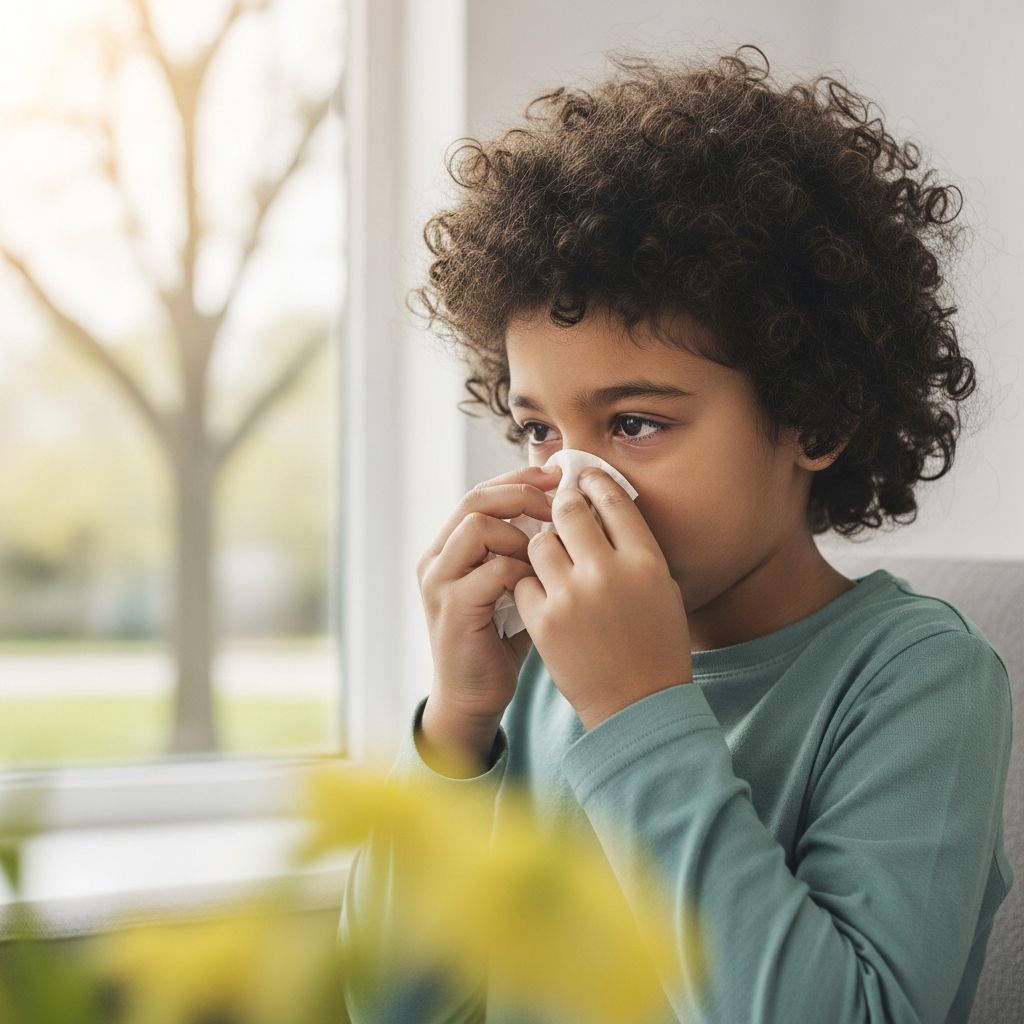
- Sneezing fits and clear runny nose: Frequent, explosive sneezing with thin, watery nasal discharge signals histamine release from pollen exposure.
- Nasal blockage: Swollen nasal passages cause stuffiness, making breathing difficult and leading to mouth-breathing.
- Itchy, watery eyes: Known as allergic conjunctivitis, this causes redness, tearing, and intense itching around the eyes.
- Coughing and throat scratchiness: Inhaled pollen irritates airways, prompting dry coughs or a tickly throat sensation.
- Fatigue and mood changes: Disrupted sleep from congestion results in daytime tiredness, irritability, and poor focus at school.
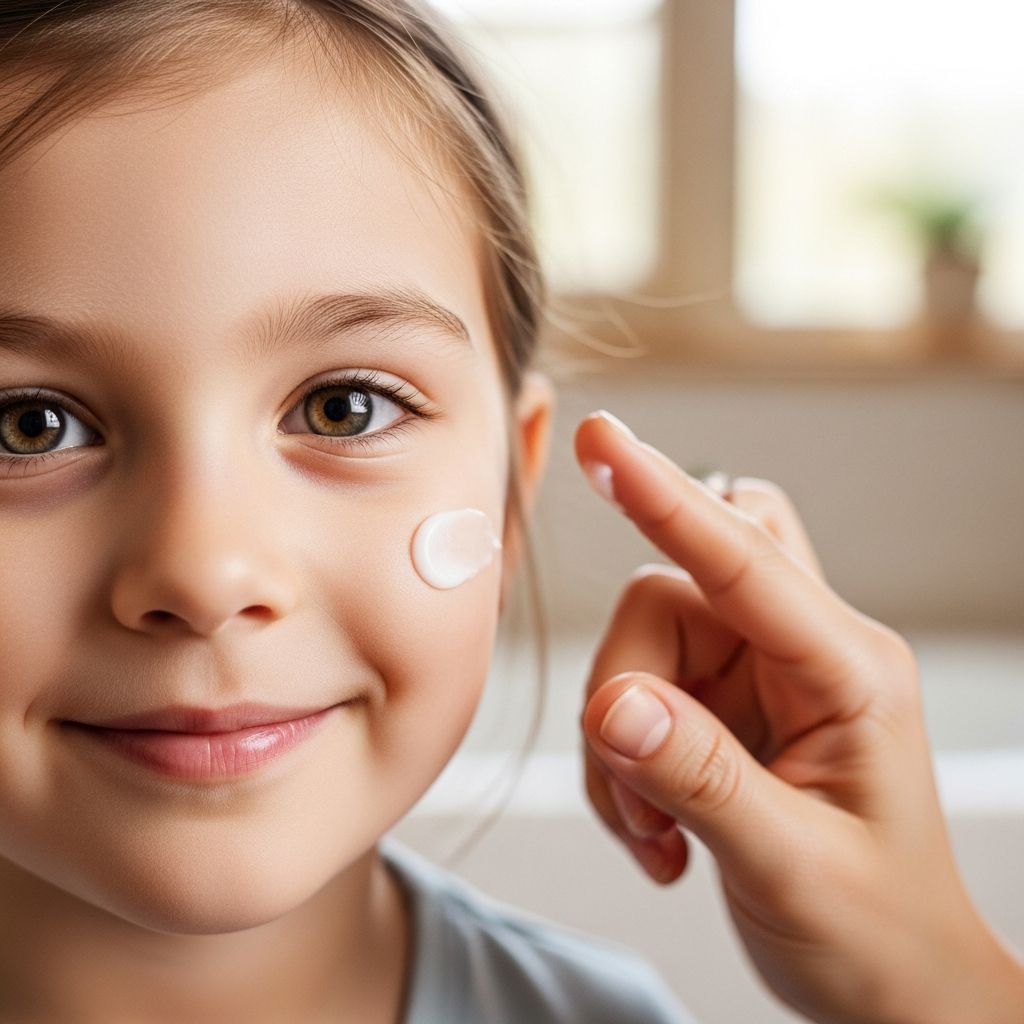
- Skin issues: Hives, rashes, or itchiness may appear upon direct pollen contact or systemic reaction.
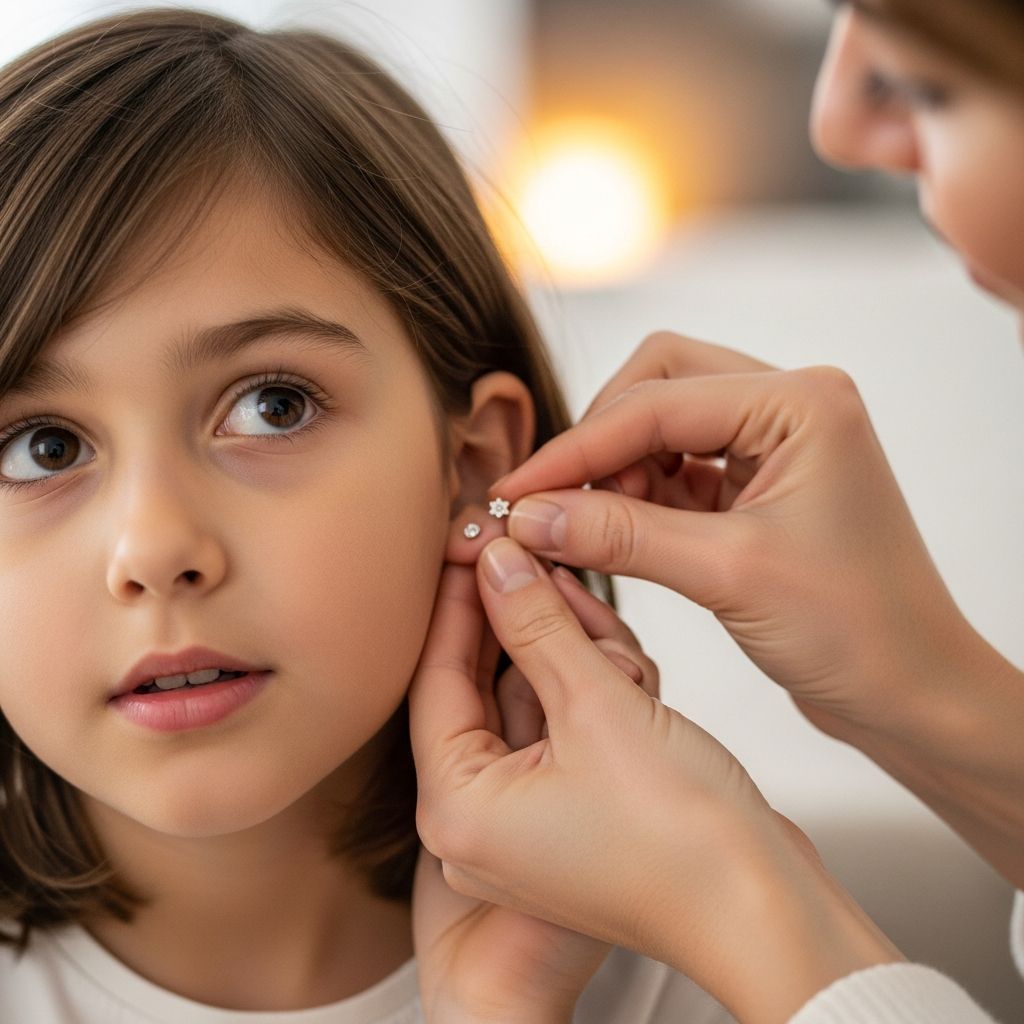
- Ear discomfort: Congestion affects Eustachian tubes, causing pressure, pain, or temporary hearing issues.
- Postnasal drip: Mucus drainage irritates the throat, exacerbating cough and sore throat.
Additional signs include dark circles under eyes (allergic shiners) and wheezing if allergies trigger asthma.
Seasonal Patterns: Timing Your Child’s Allergy Preparedness
Pollen seasons follow regional patterns, helping parents anticipate flare-ups. Tree pollen dominates spring (February-June in many areas), grass peaks in summer (May-August), and weeds like ragweed surge in fall (July-October). Year-round symptoms can occur in pollen-sensitive kids exposed to multiple types.
Monitor local pollen forecasts via apps or weather reports to plan outdoor activities on low-count days. Hot, dry, windy conditions elevate airborne pollen, worsening symptoms.
| Season | Common Pollen Sources | Peak Regions (Mid-Atlantic Example) |
|---|---|---|
| Spring | Trees (oak, birch, cedar) | Feb-Jun |
| Summer | Grasses (rye, timothy) | May-Aug |
| Fall | Weeds (ragweed, sagebrush) | Jul-Oct |
This table outlines typical cycles; consult local allergy trackers for precision.
Differentiating Allergies from Colds and Other Illnesses
Pollen allergies mimic colds but lack fever, body aches, or thick yellow/green mucus. Allergies onset suddenly with exposure, last weeks, and recur seasonally, whereas colds resolve quickly. If symptoms include high fever or persist beyond two weeks, consider infections or other causes like sinusitis.
- Allergies: Clear discharge, itchy eyes/throat, no fever, seasonal.
- Colds: Thicker mucus, mild fever, sore throat dominant, short duration.
Proven Strategies for Relief and Symptom Management
Managing pollen allergies involves avoidance, medications, and lifestyle adjustments. Start with non-drug measures:
- Keep windows closed during high pollen; use air purifiers with HEPA filters.
- Bathe and change clothes after outdoors to remove pollen.
- Wash bedding weekly in hot water; use allergen-proof covers.
Over-the-counter options include antihistamines (loratadine, cetirizine) for sneezing/itching, nasal corticosteroids (fluticasone) for congestion, and eye drops for conjunctivitis. Saline rinses clear nasal passages effectively.
For severe cases, doctors may prescribe immunotherapy (allergy shots or tablets) to build tolerance over time. Always consult a pediatrician before starting treatments, especially for young children.
Long-Term Effects and When to Consult a Specialist
Untreated allergies can lead to chronic issues: poor school performance from fatigue, frequent ear/sinus infections, asthma worsening, and behavioral challenges. Early intervention prevents complications.
Seek professional help if: symptoms disrupt sleep/daily life, OTC meds fail, breathing issues arise, or infections recur. Allergists perform skin or blood tests for precise diagnosis.
Frequently Asked Questions (FAQs)
Can pollen allergies develop suddenly in older children?
Yes, symptoms often emerge after age two, even in kids with no prior history, due to immune maturation.
Are there home remedies that really work?
Saline nasal irrigation, honey (local, unpasteurized for some), and steam inhalation provide relief alongside avoidance tactics.
Does diet influence pollen allergies?
Some kids benefit from avoiding cross-reactive foods (e.g., melons with ragweed), but evidence varies; consult an allergist.
How young can a child start allergy shots?
Typically after age 5, once diagnosed accurately.
Can allergies be outgrown?
Some children see improvement in teens, but many persist; monitoring is key.
Empowering Parents: Building a Pollen-Resilient Routine
Creating a family plan enhances resilience. Track symptoms with a journal alongside pollen counts to identify triggers. Educate siblings on empathy during flare-ups. Advocate at school for accommodations like indoor recess on high-pollen days.
Annual check-ups ensure updated management plans. With proactive steps, children thrive despite pollen challenges, enjoying active lives.
References
- Pollen allergies in children: recognizing the signs and symptoms — Dyson. 2023. https://www.dyson.com/discover/insights/allergy/pollen/pollen-allergies-in-children-recognizing-the-signs-and-symptoms
- Pollen Allergies — Asthma and Allergy Foundation of America (AAFA). 2024. https://aafa.org/allergies/types-of-allergies/pollen-allergy/
- Seasonal Allergies: Keeping Symptoms in Check — Children’s Hospital of Philadelphia (CHOP). 2023. https://www.chop.edu/news/health-tip/seasonal-allergies-keeping-symptoms-check
- Understanding Tree Pollen Allergies in Children: A Guide for Parents — Nicklaus Children’s Hospital. 2024. https://www.nicklauschildrens.org/news-events/video-center/understanding-tree-pollen-allergies-in-children-a-guide-for-parents
- Seasonal Allergies (Hay Fever) — Nemours KidsHealth. 2024. https://kidshealth.org/en/parents/seasonal-allergies.html
- Children and Allergies — American College of Allergy, Asthma & Immunology (ACAAI). 2024. https://acaai.org/allergies/allergies-101/who-gets-allergies/children/
- Hay fever – Symptoms and causes — Mayo Clinic. 2024-01-25. https://www.mayoclinic.org/diseases-conditions/hay-fever/symptoms-causes/syc-20373039