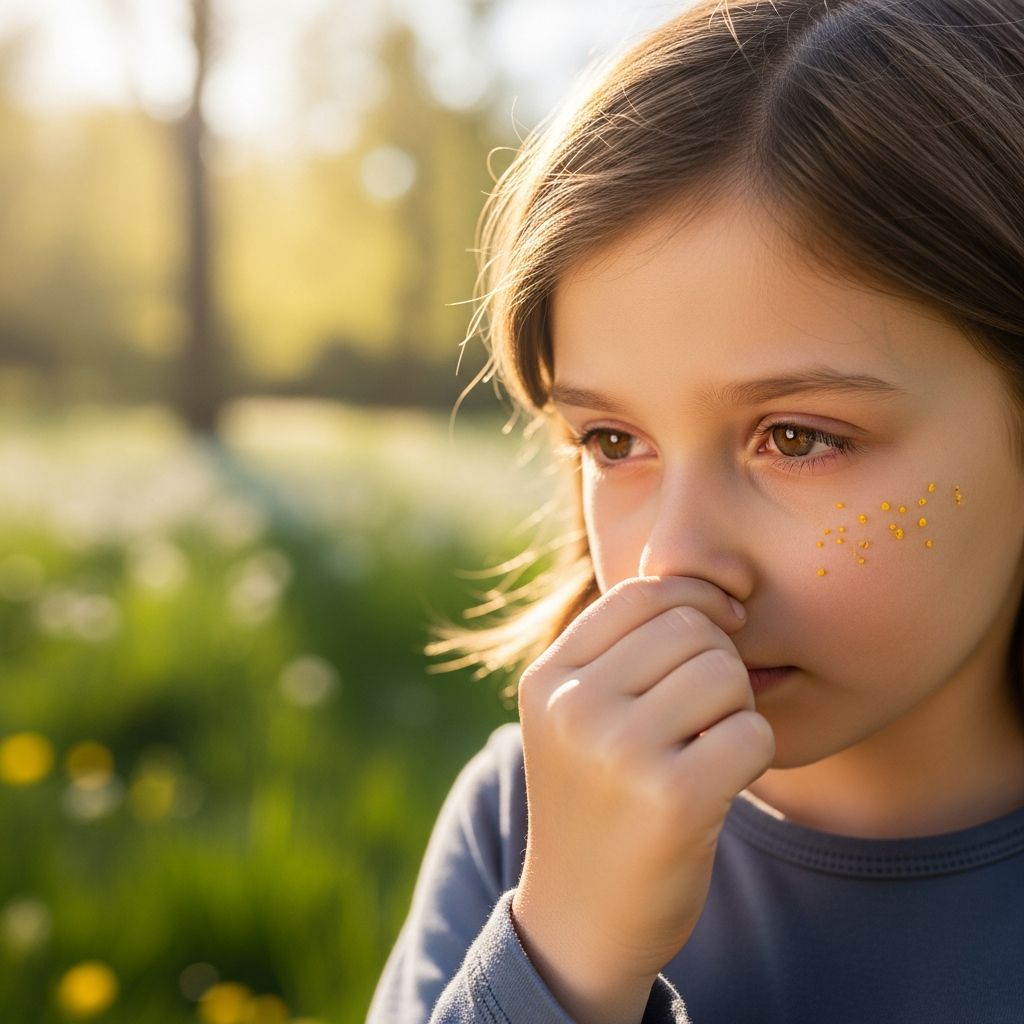
Pollen allergies affect millions of children worldwide, causing discomfort during specific seasons when plants release tiny grains into the air. These lightweight particles travel on wind currents, entering noses, eyes, and throats, where the immune system mistakes them for threats, releasing histamine and sparking inflammation. Parents often notice patterns of symptoms recurring yearly, distinguishing allergies from colds since they lack fever and persist longer.
Why Children Develop Pollen Sensitivities
The onset of pollen allergies typically occurs after age two, with most cases appearing by early adulthood. Genetic factors play a role; if parents have allergies, children are at higher risk. Environmental exposure builds sensitivity over time. Unlike adults, kids may not articulate discomfort, showing it through fussiness or poor sleep instead. Weather influences severity—warm, dry, windy days elevate pollen levels, worsening reactions.
Common Symptoms to Watch For
Recognizing early signs helps parents intervene promptly. Symptoms vary by pollen type but often overlap, peaking during high-count days.
- Sneezing fits: Frequent, uncontrollable bursts, especially mornings.
- Runny or stuffy nose: Clear discharge or blockage, leading to mouth breathing.
- Itchy, watery eyes: Redness, swelling, and rubbing, known as allergic conjunctivitis.
- Coughing and throat itch: Dry cough from postnasal drip or direct irritation.
- Fatigue and mood changes: Disrupted sleep causes daytime tiredness and irritability.
- Ear issues: Pressure or pain from Eustachian tube swelling, risking infections.
- Skin reactions: Hives or rashes from pollen contact.
These mimic colds but recur seasonally without viral spread. Dark under-eye circles, dubbed ‘allergic shiners,’ signal chronic congestion.
Seasonal Pollen Culprits Explained
Different plants release pollen at predictable times, dictating symptom timelines. Understanding these aids anticipation.
| Pollen Type | Peak Season | Common Regions | Key Symptoms |
|---|---|---|---|
| Tree | Feb-Jun | Mid-Atlantic, nationwide spring | Sneezing, eye itch, congestion |
| Grass | May-Aug | Late spring-summer, year-round warm areas | Runny nose, cough, asthma flare |
| Weed | Jul-Oct | Late summer-fall | Headaches, throat scratch, rash |
Tree pollen from oaks, birches, and maples dominates early year. Grasses like rye and timothy follow, overlapping in some climates. Weeds, including ragweed, peak later, extending misery into autumn. Cross-reactivity occurs; grass-sensitive kids may react to certain fruits.
Health Impacts Beyond Discomfort
Allergies disrupt more than daily life. Poor sleep impairs focus, grades suffer. Chronic congestion invites sinus or ear infections. Asthmatic children face worsened breathing, potentially severe attacks. Behavioral shifts mimic ADHD from constant distraction. Long-term, untreated allergies heighten asthma risk.
Home Strategies for Relief
Minimize exposure first. Check daily pollen forecasts via apps or weather sites; levels categorize low to extreme.
- Keep windows shut, use air conditioners with clean filters.
- Schedule outdoor play pre-dawn or post-rain when counts drop.
- Post-outdoors, shower and change clothes to remove pollen.
- Vacuum regularly with HEPA filters; wash bedding weekly in hot water.
- Promote nasal rinsing with saline sprays.
Humidifiers maintain moisture, easing dryness. Avoid drying laundry outside.
Over-the-Counter Remedies
For mild cases, medications help. Consult pediatricians first.
- Antihistamines: Loratadine or cetirizine reduce sneezing, itch; non-drowsy options suit school.
- Nasal corticosteroids: Fluticasone sprays combat congestion safely for kids over two.
- Eye drops: Antihistamine formulations soothe conjunctivitis.
- Decongestants: Short-term use only, avoiding with high blood pressure.
Combination products exist; read labels for age suitability.
When to Consult a Specialist
If symptoms persist despite home efforts, or include wheezing, facial pain, fever, see a doctor. Allergists perform skin or blood tests identifying triggers. Immunotherapy—shots or tablets—desensitizes over years for severe cases. Early intervention prevents complications.
Daily Pollen Count Monitoring
Track via local stations or AAAAI resources. High counts (>100 grains/m³) warrant indoor stays. Apps notify peaks, correlating with symptoms for pattern recognition.
Long-Term Allergy Management Plans
Develop family strategies: allergy diaries log symptoms, activities, weather. Annual check-ups adjust treatments. School plans ensure medication access, teacher awareness. Lifestyle integrates avoidance seamlessly.
Frequently Asked Questions
Can pollen allergies appear suddenly in older kids?
Yes, sensitivities can develop anytime post-infancy, often by age 20, triggered by increased exposure.
Do allergies cause fever?
No, unlike infections; fever suggests illness needing evaluation.
Is allergy testing safe for children?
Skin prick tests are quick, low-risk; blood tests alternative for sensitive skin.
Can diet help pollen allergies?
Some avoid cross-reactive foods like melons with ragweed, but evidence varies; consult experts.
How effective is immunotherapy?
Highly, reducing symptoms 80-90% long-term for many.
This guide empowers parents to handle pollen allergies proactively, improving kids’ well-being year-round.
References
- Pollen allergies in children: recognizing the signs and symptoms — Dyson. 2023. https://www.dyson.com/discover/insights/allergy/pollen/pollen-allergies-in-children-recognizing-the-signs-and-symptoms
- Breathe Easy: Helping Your Child Find Relief from Seasonal Allergies — Kidsville Pediatrics. 2023. https://www.kidsvillepeds.com/blog/1296467-breathe-easy-helping-your-child-find-relief-from-seasonal-allergies/
- Seasonal Allergies: Keeping Symptoms in Check — Children’s Hospital of Philadelphia (CHOP). 2024-04-01. https://www.chop.edu/news/health-tip/seasonal-allergies-keeping-symptoms-check
- Seasonal Allergies (Hay Fever) — Nemours KidsHealth. 2023. https://kidshealth.org/en/parents/seasonal-allergies.html
- Children and Allergies — American College of Allergy, Asthma & Immunology (ACAAI). 2024. https://acaai.org/allergies/allergies-101/who-gets-allergies/children/