Pollen allergies, a form of seasonal allergic rhinitis, challenge many families during peak pollen seasons, but their occurrence in babies under age two remains uncommon due to immature immune responses. Parents often worry when little ones show signs like persistent sneezing or watery eyes, prompting questions about whether it’s a harmless cold or something more persistent like pollen sensitivity. This guide delves into the nuances of pollen reactions in infants, offering parents tools for identification, daily management, and long-term strategies grounded in pediatric expertise.
Why Babies Rarely Face Pollen Challenges
The immune systems of babies develop gradually, making true pollen allergies infrequent before ages 3 to 6. Instead, what appears as allergy-like discomfort often stems from frequent respiratory infections, milk sensitivities, or enlarged adenoids. Tree pollen peaks in spring (February to June), grass in early summer (May to August), and weeds like ragweed in fall (July to October), aligning symptoms with seasonal patterns in older toddlers. For infants, these triggers provoke milder or misattributed reactions because their bodies haven’t yet formed specific IgE antibodies against pollen proteins.
Genetic predisposition plays a role; if family members suffer from allergies or asthma, a baby faces higher risk as they age. Environmental factors, such as urban pollution or high indoor humidity fostering mold alongside pollen, can exacerbate early sensitivities. Understanding this rarity helps parents avoid unnecessary worry while staying vigilant for evolving patterns.
Spotting the Hallmarks of Pollen Reactions in Infants
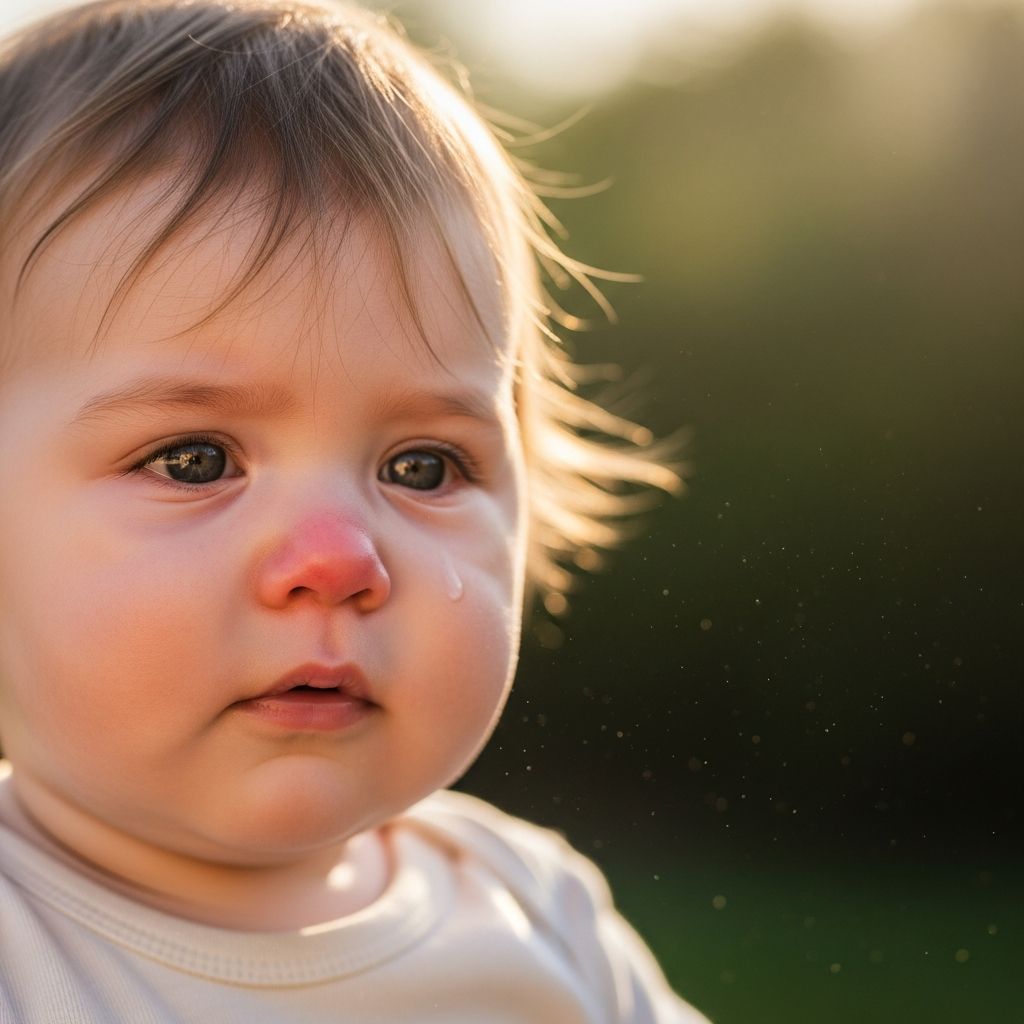
Recognizing pollen-related symptoms in babies requires attention to subtle, persistent cues distinct from transient illnesses. Common indicators include clear nasal discharge, frequent sneezing bouts, and irritated, watery eyes—signs that linger beyond a typical 7-10 day cold. Infants might rub their noses vigorously, exhibit mouth breathing, or develop dark under-eye circles, often called ‘allergic shiners’.
- Nasal issues: Stuffy or runny nose with thin, clear mucus, unlike the thick, colored discharge of infections.
- Eye discomfort: Red, puffy, itchy eyes leading to excessive tearing or rubbing.
- Respiratory signs: Dry cough from postnasal drip, sore throat, or mild wheezing without fever.
- Skin responses: Occasional hives, eczema flares, or generalized itchiness on the face.
- Behavioral shifts: Irritability, fatigue, or sleep disturbances from congestion.
These symptoms intensify outdoors during high pollen counts, easing indoors or after rain, providing a diagnostic clue. Track patterns in a symptom diary, noting timing, location, and triggers to share with healthcare providers.
Differentiating Allergies from Common Infant Ailments
Confusion arises because baby colds mimic pollen reactions, but key differences aid distinction. Colds bring gradual onset, fever, thicker mucus, and resolution within two weeks; allergies onset suddenly, persist seasonally without fever, and feature prominent itching.
| Feature | Pollen Allergy | Common Cold |
|---|---|---|
| Onset | Sudden, seasonal | Gradual |
| Fever | Absent | Often present |
| Mucus | Clear, watery | Thick, yellow/green |
| Itching | Eyes, nose, throat | Rare |
| Duration | Weeks to months | 7-10 days |
| Contagious | No | Yes |
Other mimics include food allergies (e.g., cow’s milk causing bloody stools or rashes) or teething (drooling without nasal symptoms). Persistent issues warrant professional evaluation, including physical exams or history reviews.
Proven Strategies for Easing Infant Discomfort
Managing potential pollen sensitivities in babies prioritizes non-drug approaches, as over-the-counter antihistamines are rarely approved for under-twos. Saline nasal drops or sprays loosen mucus, while bulb syringes gently clear passages—use before feeds and bedtime for better sleep. Humidifiers maintain indoor moisture to soothe airways, but clean them daily to prevent mold.
Bathe babies post-outdoor play to rinse pollen from skin and hair, and wash bedding weekly in hot water. Breastfeeding may offer protective antibodies, reducing early allergy risks. For severe cases, pediatricians might prescribe nasal corticosteroids or allergy testing after age 2, but only under supervision.
Minimizing Pollen Exposure for Little Ones
Prevention hinges on limiting contact with airborne pollen. Keep windows closed during high-count days, relying on air purifiers with HEPA filters to capture particles. Avoid morning outings when pollen peaks, and steer clear of grassy or weedy areas.
- Daily routines: Wipe play areas, vacuum with HEPA bags, and use allergen-proof mattress covers.
- Clothing care: Change outfits after outside time; tumble dry on high heat to kill mites.
- Pet management: Bathe pets weekly if they venture outdoors.
- Monitoring: Check local pollen forecasts via apps or weather sites.
These habits not only curb pollen but also mitigate indoor allergens like dust mites, fostering a healthier home.
When to Consult a Pediatric Specialist
Seek immediate care if symptoms disrupt breathing, cause wheezing, or persist beyond two weeks. Recurrent ear infections, chronic cough, or growth issues signal need for allergist referral. Testing via skin pricks or blood draws typically starts at age 3-6, guiding immunotherapy if confirmed. Early intervention prevents complications like asthma or sinusitis.
Long-Term Outlook for Allergic Infants
Many children outgrow early sensitivities, but monitoring aids proactive care. Immunotherapy builds tolerance over years, while lifestyle adjustments sustain comfort. Educating on cross-reactivity (e.g., pollen with certain fruits) empowers informed choices. With consistent management, babies thrive through allergy seasons.
Frequently Asked Questions About Pollen Allergies in Babies
Can newborns truly have pollen allergies?
Extremely rare; immune maturity typically develops later, with symptoms often misidentified as colds or other issues.
How do I know if it’s allergies or a cold?
Allergies lack fever, feature clear mucus and itching, and recur seasonally without contagion.
Are home remedies safe for infants under 1?
Yes, saline rinses and humidifiers are gentle; avoid medications without pediatric approval.
Does breastfeeding prevent pollen allergies?
It may reduce risk via antibodies, but genetics and environment also influence.
What if symptoms worsen at night?
Postnasal drip accumulates; elevate head slightly and use saline before bed.
References
- Seasonal Allergies in Children: Symptoms, Treatment, and Prevention — Copakids. 2023. https://copakids.com/child-healthcare-news/seasonal-allergies-in-children-symptoms-treatment-and-prevention/
- Seasonal allergies in infants: When they occur, symptoms, treatment — Medical News Today. 2023-05-12. https://www.medicalnewstoday.com/articles/can-infants-have-seasonal-allergies
- Seasonal Allergies: Keeping Symptoms in Check — Children’s Hospital of Philadelphia (CHOP). 2024. https://www.chop.edu/news/health-tip/seasonal-allergies-keeping-symptoms-check
- Allergies in infants: Understanding food allergies and seasonal — Summer Health. 2024. https://www.summerhealth.com/blog/allergies-in-infants-food-and-seasonal-allergies
- Children and Allergies | Symptoms & Treatment — American College of Allergy, Asthma & Immunology (ACAAI). 2024. https://acaai.org/allergies/allergies-101/who-gets-allergies/children/
- What Should You Do if Your Baby Has Spring Allergies? — Pediatric Partners. 2023. https://www.pedpartners.com/pediatrics-blog/what-to-do-if-your-baby-has-spring-allergies/
- Seasonal Allergies (Hay Fever) — Nemours KidsHealth. 2024. https://kidshealth.org/en/parents/seasonal-allergies.html
- Do Babies Get Seasonal Allergies? — AFC Urgent Care TN. 2023. https://www.afcurgentcaretn.com/do-babies-get-seasonal-allergies/