Polio, or poliomyelitis, is a contagious viral infection that mainly targets the nervous system and can, in rare cases, cause lifelong paralysis. Today, widespread vaccination means that most children will never encounter the disease, but understanding polio remains important for every parent.
Understanding Polio in Simple Terms
Polio is caused by the poliovirus, a microscopic germ that prefers to live in the throat and intestines. From there, it can spread to the nervous system and interfere with the nerves that help muscles move. Many infected children never feel sick at all, while a very small number develop serious complications.
The disease is most common in young children, especially those who are not vaccinated or who live in areas with poor sanitation and limited access to clean water. Thanks to vaccines, polio is now rare in many parts of the world, but isolated outbreaks still occur, particularly where vaccination rates are low.
How the Poliovirus Spreads
Polio is extremely contagious, and understanding how it spreads helps parents protect their children. The virus mainly moves from person to person through contact with stool (the contents of the bowel) and, less commonly, through droplets from the nose and mouth.
- Fecal–oral spread: A child gets infected by touching contaminated hands, toys, or surfaces and then putting fingers in the mouth.
- Contaminated food or water: In places where sewage and drinking water systems are not well separated, the virus can enter the water or food supply.
- Respiratory droplets: Talking, sneezing, or coughing can release droplets that carry the virus, especially in crowded settings.
Children can shed the virus in their stool for several weeks, even if they feel fine. This silent spread is one reason that good hygiene and high vaccination rates are so important.
What Happens Inside the Body
After entering the body, the poliovirus first multiplies in the throat and digestive tract. During this early phase, symptoms may be mild or absent, so parents often do not suspect polio.
In a small percentage of children, the virus eventually enters the bloodstream and can attack nerve cells in the spinal cord and brain stem. These damaged nerves can no longer properly activate muscles, sometimes causing weakness or paralysis in the arms, legs, or muscles used for breathing and swallowing.
Stages and Types of Polio Illness
Not every polio infection looks the same. Doctors often describe different forms of the disease based on symptoms and the parts of the nervous system that are affected.
| Form of illness | Key features | Typical outcome |
|---|---|---|
| Mild (non-specific) infection | Fever, tiredness, sore throat, headache, upset stomach, body aches, or no symptoms at all. | Full recovery; child may never be recognized as having polio. |
| Non-paralytic polio | Flu-like symptoms plus stiff neck or back, sensitivity to light, and more intense muscle pain. | Symptoms typically improve; no permanent paralysis, though recovery may take longer. |
| Paralytic polio | Sudden or worsening muscle weakness, reduced reflexes, and difficulty moving limbs or breathing. | Weakness or paralysis can be permanent; intensive support and rehabilitation are needed. |
Early Warning Signs Parents Should Watch For
Most children with polio either have no symptoms or only mild ones that resemble a common viral infection, which makes early recognition challenging. However, certain patterns should prompt parents to seek medical advice quickly.
- Fever, sore throat, headache, or vomiting that appears during a local polio outbreak or after travel to an area where polio is still circulating.
- Stiff neck, back, or limbs that makes it painful for a child to bend or straighten.
- Unusual muscle pain, especially in the legs, that seems more severe than typical growing pains.
- New weakness in an arm or leg, or a child suddenly refusing to walk, crawl, or stand.
- Changes in breathing (fast, shallow, or labored) or difficulty swallowing.
Urgent medical care is needed if a child shows any signs of trouble breathing, severe headache with stiff neck, or rapid onset of muscle weakness.
How Polio Is Diagnosed
Doctors consider polio if a child has symptoms that match the disease and may have been exposed to the virus through travel, an outbreak, or lack of vaccination. A careful medical history and physical examination help distinguish polio from other infections and neurological conditions.
To confirm the diagnosis or rule out polio, health professionals may:
- Collect stool or throat swabs to test for the poliovirus in a laboratory.
- Order blood tests to look for antibodies, which show that the immune system has reacted to the virus.
- Recommend a lumbar puncture (spinal tap) if there are signs of nervous system involvement, to examine the fluid around the brain and spinal cord.
- Use imaging or nerve studies in some cases to assess the extent of damage.
Because polio is a disease of public health concern, positive tests are usually shared with local health authorities so that they can investigate contacts and protect the community.
Treatment: What Care Involves
There is currently no medicine that kills the poliovirus once a child is infected. Treatment focuses on relieving symptoms, supporting vital functions like breathing and swallowing, and protecting the body while it heals.
- Supportive care at home or in hospital: Rest, fluids, and medications for pain or fever help children feel more comfortable.
- Respiratory support: Some children with paralytic polio need machines that assist with breathing for days, weeks, or longer.
- Protection of weak limbs: Splints, gentle positioning, and careful handling reduce deformities and prevent further injury.
- Physical and occupational therapy: Specialists guide exercises to conserve strength, preserve joint movement, and help children relearn daily activities.
- Nutritional support: Children who have trouble swallowing may need special diets or alternative feeding methods.
Recovery can take weeks or months, especially after paralytic disease. Some children regain much of their strength, while others are left with permanent weakness that requires long-term therapy and assistive devices.
Possible Long-Term Effects
Most children with mild or symptom-free infection do not experience lasting problems. However, paralytic polio can cause permanent changes that affect daily life, school, and play.
- Persistent weakness or paralysis in one or more limbs.
- Unequal leg length or joint deformities from muscle imbalance or poor alignment.
- Chronic pain, fatigue, or difficulty with certain movements.
- Breathing problems if chest muscles were damaged.
Some adults who had polio in childhood develop new muscle weakness and fatigue decades later, a condition known as post-polio syndrome. Children who recover from paralytic polio benefit from regular follow-up with specialists to monitor growth and function.
Polio Vaccines: Your Child’s Best Protection
Vaccination is the main reason polio has nearly disappeared from many countries. The polio vaccine teaches the immune system to recognize and fight the poliovirus before it can cause harm. Because the virus is so contagious, high vaccination coverage is crucial.
Different polio vaccines are used around the world, including injectable inactivated vaccine and, in some settings, oral drops made from weakened virus. Your child’s regular immunization schedule specifies when each dose should be given, often starting in infancy and including booster shots in early childhood.
- Keep track of your child’s vaccine record and ensure each dose is received on time.
- Ask your pediatrician which type of polio vaccine is used locally and how many doses are needed.
- Before international travel, especially to regions where polio still circulates, confirm that all polio vaccines are up to date.
Are Polio Vaccines Safe?
Polio vaccines have been used for many decades and have a strong safety record. Serious reactions are rare, and the benefits of vaccination in preventing paralysis and death far exceed the risks.
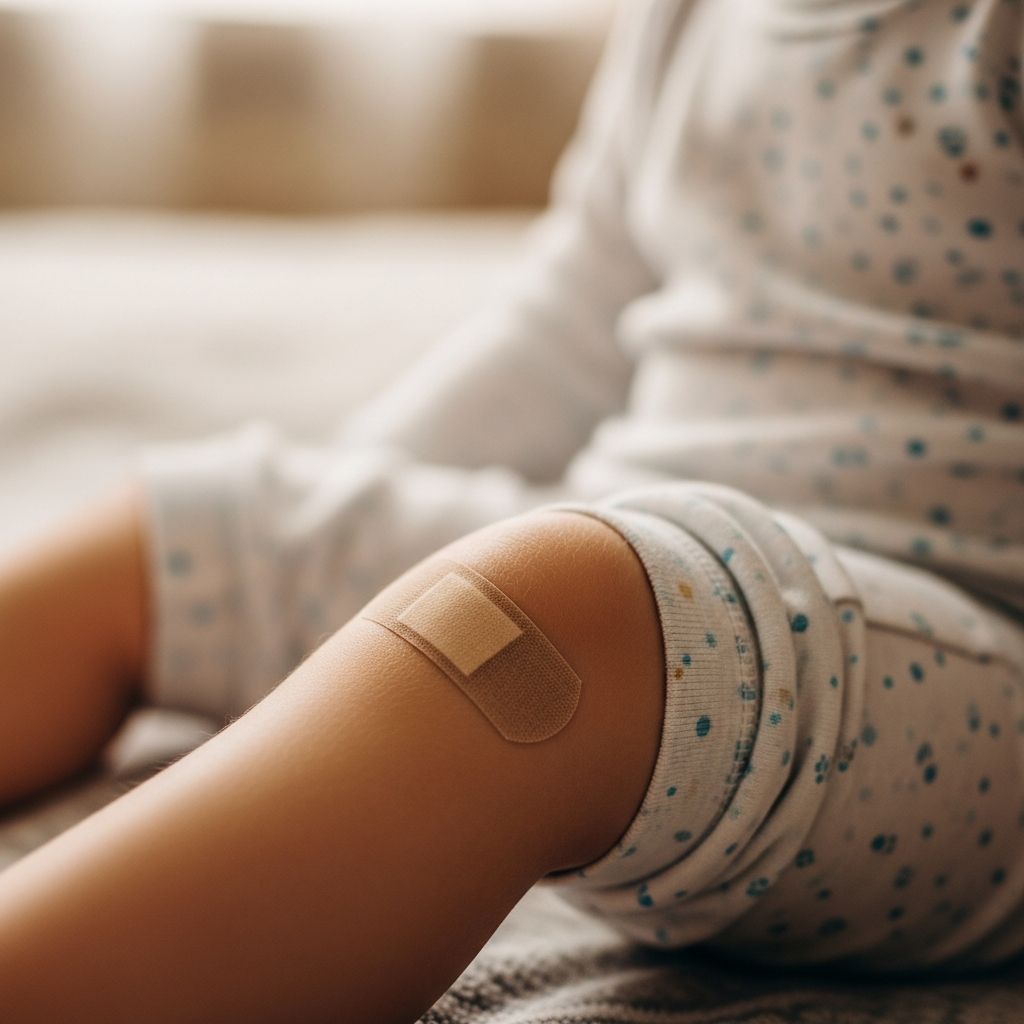
Some children may experience mild side effects, such as soreness where the shot was given, low fever, or fussiness for a short time. Very rarely, allergic reactions can occur; parents should seek emergency care immediately if a child develops difficulty breathing, widespread hives, or swelling of the face or throat after any vaccine.
Everyday Prevention Beyond Vaccination
Even with vaccination, families should practice good hygiene and safe food and water habits, especially when traveling or living in areas with lower sanitation standards. These simple steps also reduce the spread of many other infectious diseases.
- Teach children to wash hands with soap and water after using the toilet, before eating, and after playing outside.
- Use clean, treated water for drinking, tooth brushing, and preparing infant formula.
- Cook food thoroughly and avoid uncooked items from questionable sources.
- Clean and disinfect surfaces and toys, especially in daycare or preschool settings.
- Keep sick children at home to reduce spread to classmates and teachers.
Polio and School, Sports, and Daily Life
Children who have recovered from polio or who live with some degree of weakness can often attend school and participate in many activities with appropriate supports. Individualized plans help make learning and play safe and inclusive.
- At school: Teachers may adjust seating, allow extra time to move between classrooms, and provide assistive technology if needed.
- In sports: Low-impact activities such as swimming or adapted physical education can build strength without overstressing weak muscles.
- At home: Grab bars, ramps, and lightweight assistive devices can make daily tasks easier and safer.
Parents, healthcare providers, and educators should work as a team, focusing on the child’s abilities rather than limitations.
When to Call the Doctor Immediately
Pediatric advice should be sought whenever a parent is worried about unusual symptoms, but certain signs are urgent. Quick medical attention can be lifesaving and may prevent additional problems.
- Sudden muscle weakness, especially on one side of the body.
- Severe headache with neck stiffness, vomiting, or confusion.
- Difficulty breathing, shallow breaths, or bluish lips or fingertips.
- Trouble swallowing, drooling, or choking on food or liquids.
- Any severe allergic reaction after vaccination, such as wheezing or facial swelling.
Frequently Asked Questions About Polio
Can my child get polio even if vaccinated?
No vaccine is 100 percent effective, but recommended polio vaccines provide very high protection when all doses are given on schedule. In countries with strong immunization programs, it is extremely uncommon for a fully vaccinated child to develop polio.
Is polio still a problem worldwide?
Global vaccination campaigns have dramatically reduced the number of polio cases, and the disease has been eliminated from many regions. However, the virus continues to circulate in some countries and occasionally causes outbreaks where vaccination coverage drops, which is why ongoing immunization remains essential.
What is the difference between wild and vaccine-derived polio?
“Wild” poliovirus refers to the original naturally circulating strains that once caused large epidemics. In contrast, “vaccine-derived” strains can emerge rarely in under-immunized communities when weakened virus from certain oral vaccines continues to circulate and changes over time; both forms can cause illness, but strong vaccination coverage prevents them from spreading widely.
Can polio be cured?
There is no medicine that completely removes the poliovirus from the body once infection has occurred. Most children recover on their own, but those who develop paralysis rely on supportive care, rehabilitation, and assistive devices to maximize independence and quality of life.
How can I support a child living with polio-related disability?
Emotional support, encouragement, and realistic expectations go a long way. Working closely with therapists, teachers, and healthcare providers can help create a personalized plan that addresses mobility, learning, self-care, and social participation, allowing the child to reach full potential.
Polio may be rare in many communities, but as long as the virus exists anywhere, vaccination and awareness matter everywhere. By staying informed, keeping immunizations up to date, and practicing everyday hygiene, parents can play a powerful role in protecting their children and supporting the global effort to keep polio from returning.