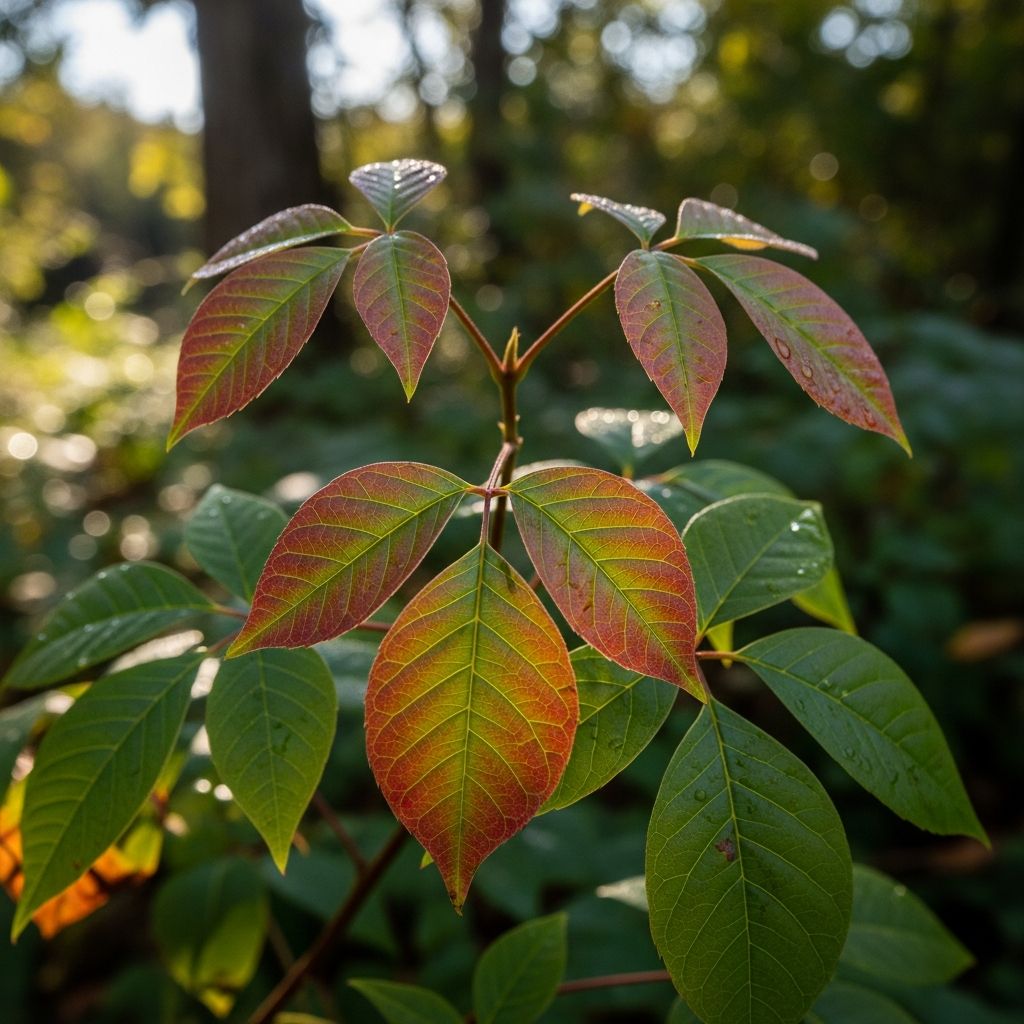
Spending time outside is great for physical and mental health, but it also increases the chance of crossing paths with poison ivy and its close relatives, poison oak and poison sumac. These plants carry an oily allergen that can trigger a red, intensely itchy rash on exposed skin. Understanding how the rash happens, how to care for it, and how to steer clear of these plants makes outdoor adventures much safer and more comfortable.
What Makes Poison Ivy a Problem?
Poison ivy is not dangerous because of thorns or sharp leaves; the real threat is a clear, sticky oil called urushiol that coats its leaves, stems, and roots. Even a tiny amount of this oil can cause an allergic reaction in most people, especially teens and adults who have been exposed before. Once urushiol touches the skin, it can bind quickly, so early washing matters a lot.
Urushiol clings to almost anything it touches, including clothing, shoes, pets, tools, and sports or camping gear. That means you can get a rash even if you do not directly brush against the plant, as long as the oil is transferred from a contaminated surface to your skin. The rash is an immune reaction to the oil, not an infection, which is why it is not spread by touching the rash itself.
How Urushiol Triggers a Rash
Urushiol is a plant-based oil that many people’s immune systems recognize as a threat. After contact, the oil seeps into the outer layer of skin and attaches to skin proteins, which the body then flags as foreign. Over the next hours to days, immune cells rush to the area, causing redness, swelling, and the classic itchy rash.
This process is called a delayed allergic reaction, because it usually does not appear instantly. The first time someone touches poison ivy, the reaction may be mild or even go unnoticed, but later exposures often trigger stronger responses. The more sensitive a person becomes, the quicker and more severe the rash can appear after contact.
Common Signs and Symptoms
The appearance and timing of a poison ivy rash can vary from person to person, but certain features are very typical. Knowing what to look for helps you act quickly and avoid scratching that can damage the skin.
- Red, itchy patches that may start within 12–48 hours after exposure in people who are already sensitive.
- Small bumps or raised streaks where the plant brushed the skin, often in lines or patterns that match contact areas.
- Fluid-filled blisters that may ooze and then crust over as they heal.
- Swelling in the affected area, especially on the face, eyelids, or hands.
- Burning or tight feeling in the skin, especially before the rash visibly appears.
Different parts of the body can react at slightly different speeds. Areas that got more oil or have thinner skin, such as the face, may show the rash first, leading some people to think it is spreading over time. In reality, the pattern is usually determined by where and how much urushiol landed on the skin.
Myths vs. Facts About the Rash
| Belief | Reality |
|---|---|
| The fluid in the blisters can spread the rash. | The blister fluid is not contagious; it does not contain urushiol. Any new rash areas are from missed or delayed reactions, not from the blisters themselves. |
| You can only get poison ivy from direct contact with the plant. | Urushiol can stick to clothing, tools, pet fur, and gear, and contact with these surfaces can cause a rash later. |
| People who never reacted before are immune forever. | Sensitivity can change over time; someone who did not react in the past can suddenly develop a strong allergy after repeated exposures. |
| Once the rash appears, washing is useless. | Washing still helps remove any remaining oil on the skin or under nails and can reduce further spread to untouched areas. |
Recognizing Poison Ivy, Oak, and Sumac
Being able to identify poisonous plants is one of the best protections. While exact appearance can change with seasons, there are patterns that help you spot risk quickly. Remember that all parts of the plant can carry urushiol, even when the leaves are gone.
- Poison ivy: Typically has clusters of three leaflets on a single stem; the middle leaflet usually has a longer stalk. Leaves may be shiny or dull, smooth or slightly toothed, and the plant can grow as a vine or small shrub.
- Poison oak: Leaves often resemble oak leaves, also grouped in threes, sometimes with a wavy or lobed shape. It may grow as a low shrub or climbing plant.
- Poison sumac: Usually found in wet or swampy areas, with long stems holding many paired leaflets and one at the tip. It tends to grow as a tall shrub or small tree.
In autumn, leaves can turn red or yellow, and the plants may develop whitish or grayish berries that birds can eat without harm. Even in winter, bare stems and roots can still cause a reaction if they contain dried urushiol, so it is not safe to handle unknown vines or branches with bare hands.
First Steps After Possible Exposure
Quick action after you think you have touched poison ivy can greatly reduce the chance of a bad rash. Do not panic, but do move promptly to remove the oil from your skin and anything it might have touched. Acting within the first hour is ideal, but cleaning later is still worthwhile.
- Rinse exposed skin with lukewarm running water. Avoid very hot water, which can open pores more, and do not scrub harshly, which might push the oil in deeper.
- Wash with mild soap or a specialized cleanser. Foam or lather carefully over the area for at least 20–30 seconds, then rinse thoroughly.
- Remove and wash clothing. Take off shirts, socks, pants, and jackets that might have brushed against plants. Wash them separately in hot water with detergent.
- Clean gear and shoes. Wipe down sports equipment, phones, leashes, backpacks, and shoe surfaces with soap and water or appropriate cleaners.
- Rinse hands and under fingernails again. Oil trapped under nails can spread to your face or other body parts when you scratch.
If a pet ran through brush that might contain poison ivy, use gloves to bathe them with pet-safe shampoo. This helps protect you and others from picking up urushiol from their fur later on.
Home Care for Mild Rash
Most poison ivy reactions can be handled at home with self-care, especially if the rash is limited and not on the face, genitals, or very large areas. The main goals are to manage itching, protect the skin, and prevent infection from scratching. Relief often takes patience because the rash can last one to three weeks.
- Cool compresses: Apply clean, cool, damp cloths to the rash for 15–20 minutes several times a day to calm itching and swelling.
- Soothing baths: Short baths with baking soda or colloidal oatmeal products can ease irritation and make skin feel less tight.
- Topical anti-itch products: Over-the-counter lotions or creams that contain ingredients like calamine, zinc, or mild hydrocortisone can help reduce redness and itch when used as directed.
- Oral allergy medicines: Non-prescription antihistamines can be useful, especially at night, if itching interferes with sleep. Always follow package directions and be aware of drowsiness.
- Skin protection: Light, breathable clothing and loose sleeves or bandages can discourage scratching and shield irritated skin from friction.
Avoid using harsh chemicals like bleach, strong alcohol, or undiluted vinegar on the rash. These substances can damage the skin barrier, increase burning, and slow down healing. Never pop blisters on purpose; the thin skin over a blister acts like a natural bandage that protects the area underneath.
When to See a Doctor
Sometimes a poison ivy rash goes beyond nuisance level and becomes a medical issue. Large, swollen, or very painful areas need professional evaluation to prevent complications. Do not wait if you see signs that the reaction is more serious than a standard itchy rash.
- Call a doctor or urgent care if the rash covers a large portion of your body, involves the face, eyes, mouth, or genitals, or continues to worsen after several days of home care.
- Seek emergency help right away if there is trouble breathing, tightness in the throat, swelling of the tongue or lips, or if you inhaled smoke from burning plants and feel chest discomfort.
- Watch for infection, such as increasing pain, warmth, pus, spreading redness, or fever, which can develop after heavy scratching.
Health care providers may prescribe stronger steroid creams, oral steroid tablets, or other medicines if the reaction is intense or located in sensitive areas. If you have asthma, severe allergies, or past serious reactions, talk with your doctor about what to do if you get another bad case.
Preventing Future Encounters
Prevention is easier than dealing with a full-blown rash. Combining plant awareness with smart clothing and hygiene habits can significantly lower your risk. These strategies are especially helpful if you hike, camp, garden, or play sports outdoors often.
- Learn the look of local poisonous plants in your region during different seasons; photos and guides specific to your area can be very helpful.
- Wear protective clothing such as long sleeves, long pants, socks, and closed shoes when walking through tall grass, woods, or overgrown fields.
- Use barrier creams labeled specifically for poison plant protection, applying them to exposed skin before heading outside and reapplying as directed.
- Stick to clear paths when hiking or running and avoid brushing against unknown shrubs and vines along trails.
- Carefully remove plants around your home using gloves, eye protection, and tools, and never burn poison ivy or related plants because urushiol can travel in smoke.
If someone in your household is highly sensitive, consider creating a “clean zone” ruleset: shoes off at the door, outdoor clothing washed promptly, and sports gear stored where it can be wiped down. These small habits can drastically reduce accidental exposure to lingering urushiol.
Healthy Skin Habits After a Rash
Once the rash starts to clear, the skin may remain dry, flaky, or sensitive for a while. Gentle care helps restore the skin barrier and reduces leftover itching. Rushing into heavy exfoliation or strong scented products can irritate healing areas.
- Switch temporarily to fragrance-free cleansers and moisturizers that are labeled for sensitive skin.
- Avoid tight clothing or gear straps rubbing the area until it feels fully back to normal.
- Use sun protection on healed areas, as new skin may discolor more easily with sun exposure.
If you notice scars, persistent dark or light spots, or a rash that keeps returning to the same place, mention it to a health professional. Sometimes another skin condition or a different allergy can masquerade as repeated poison ivy outbreaks.
Quick Reference Table: Poison Ivy Basics
| Topic | Key Points |
|---|---|
| Main irritant | Urushiol oil, found in leaves, stems, and roots of poison ivy, oak, and sumac. |
| Typical symptoms | Redness, itching, streaky rash, swelling, and fluid-filled blisters. |
| Is it contagious? | The rash itself is not contagious, but urushiol on skin, clothing, or objects can spread. |
| Home care | Gentle washing, cool compresses, soothing baths, anti-itch creams, and avoiding scratching. |
| Emergency signs | Trouble breathing, facial or throat swelling, signs of infection, or a rash covering large areas. |
FAQs About Poison Ivy
How long does a poison ivy rash usually last?
For many people, a mild poison ivy rash peaks in the first week and then improves gradually, fading completely in about one to three weeks. Extremely sensitive individuals or those with very heavy exposure may take longer to heal and might need medical treatment to shorten the reaction.
Can I go to school or work with a poison ivy rash?
Yes, in most cases you can, because the rash itself does not spread from person to person the way a contagious infection does. As long as any clothing, bedding, or items that might be contaminated with urushiol are cleaned properly, being around others is generally safe.
Is it safe to pop poison ivy blisters?
It is best not to pop them on purpose. The blister covering shields raw skin beneath, and breaking it too early increases the risk of infection and makes the area more painful. If a blister opens accidentally, keep it clean, avoid picking at it, and cover it lightly if needed to protect from dirt and friction.
Do I need allergy testing if I keep getting poison ivy?
Most people do not require formal testing because the cause is usually obvious from outdoor activities and the classic rash pattern. However, if you are unsure that the rash is from poison ivy, or if it is extremely severe or frequent, a dermatologist or allergy specialist can help rule out other skin conditions and give personalized prevention tips.
Can lotions or creams prevent poison ivy reactions?
Special barrier lotions made for protection against poison plants can reduce the amount of urushiol that penetrates the skin when used correctly. They work best as part of a larger strategy that includes protective clothing, learning to identify the plants, and washing exposed areas soon after outdoor activities.
Key Takeaways for Staying Itch-Free
- Learn what poison ivy, poison oak, and poison sumac look like in your area and avoid direct contact whenever possible.
- Wash exposed skin, clothing, and gear promptly after outdoor activities to remove urushiol before it can trigger a strong reaction.
- Use home remedies such as cool compresses, soothing baths, and appropriate over-the-counter products to manage mild rashes.
- Watch for warning signs like facial swelling, breathing problems, or infection, and seek professional help quickly if they appear.
- Protect healing skin with gentle care and sun protection, and talk to a health professional if rashes are severe or keep coming back.
With awareness, early action, and smart prevention habits, poison ivy does not have to ruin hikes, games, or camping trips. Understanding how this plant works gives you the power to enjoy the outdoors confidently while keeping your skin healthy and itch-free.