Poison ivy remains one of the most common causes of uncomfortable skin reactions in children, especially during outdoor play and exploration. Understanding how to recognize this plant, minimize exposure risks, and address symptoms promptly can prevent weeks of distress. This guide equips parents with practical strategies drawn from trusted medical insights to handle poison ivy encounters safely and effectively.
Recognizing the Culprit: What Poison Ivy Looks Like
Poison ivy grows as a vine or shrub in wooded areas, along trails, and even in backyards across much of North America. Its hallmark is the three-leaf cluster, often remembered by the rhyme “leaves of three, let it be.” The leaflets are typically pointed, glossy, and vary in color from green in summer to red or orange in fall. Stems and roots also contain the irritating oil called urushiol, which triggers the allergic response.
Young plants may appear smaller and less distinct, while mature vines climb trees with hairy aerial roots. Poison oak mimics this with similar leaves but rounded edges, and poison sumac features compound leaves with 7-13 leaflets and white berries. Teaching kids to spot these early fosters caution during hikes or yard play.
- Look for clusters of three leaflets with jagged or smooth edges.
- Check for reddish tint on new growth or berries on sumac variants.
- Avoid any unfamiliar plants when barefoot or during roughhousing outdoors.
Why It Irritates: The Science Behind the Rash
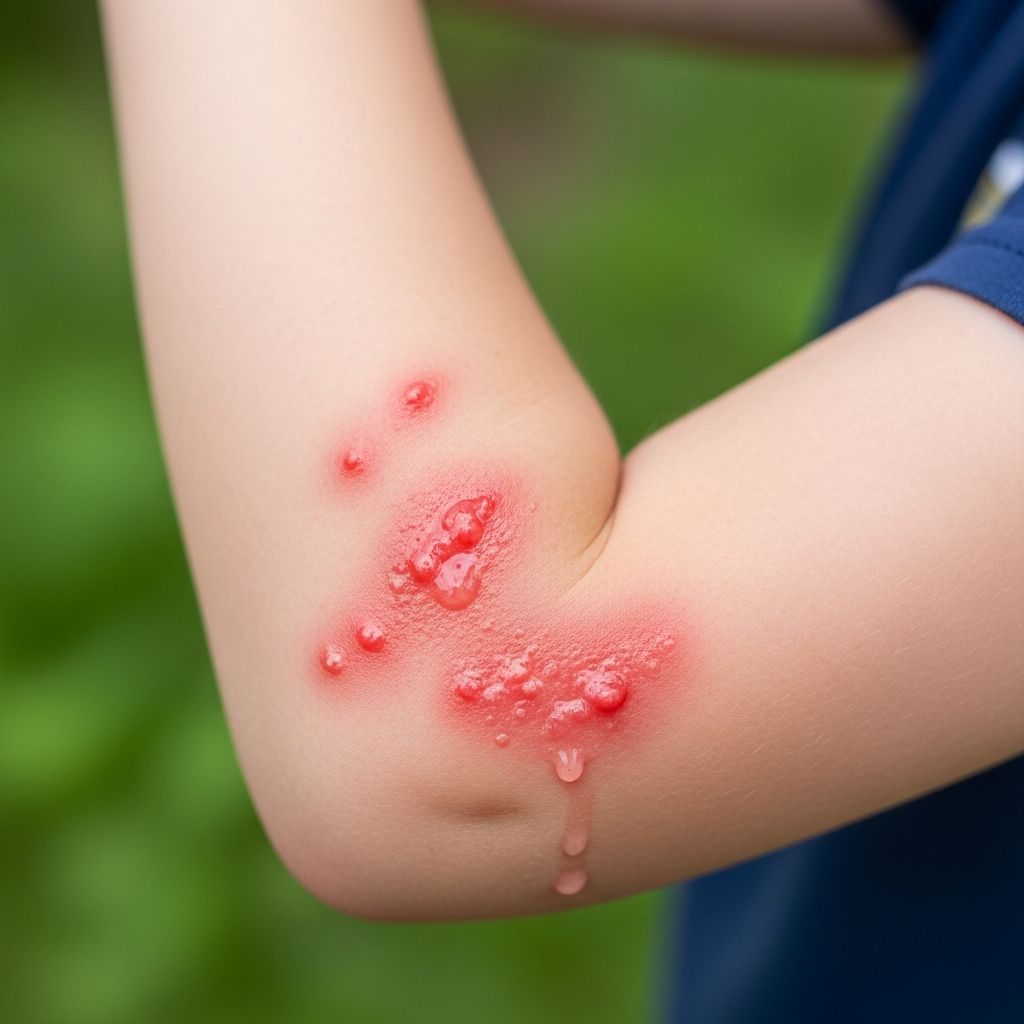
The rash develops from urushiol, a sticky oil that penetrates skin quickly and sensitizes the immune system. In about 85% of people, this leads to allergic contact dermatitis, appearing 12-48 hours post-exposure. Symptoms peak at 2-3 days and can linger 2-3 weeks without intervention.
Children may react more intensely due to thinner skin and frequent touching or rubbing. The oil spreads via contaminated hands, clothing, pets, or tools, not through airborne blisters—a common myth. Once sensitized, reactions worsen with repeated exposures.
Prevention Tactics: Keeping Kids Safe Outdoors
Proactive steps drastically reduce risks. Dress children in long sleeves, pants, socks, and closed shoes for high-risk areas like woods or gardens. Apply barrier creams containing bentoquatam before outings to block urushiol.
| Activity | Prevention Tip |
|---|---|
| Hiking/Trail Play | Wear protective clothing; teach “leaves of three” rule. |
| Backyard Gardening | Use gloves; apply ivy blocker lotion on exposed skin. |
| Pet Play in Woods | Wash pets immediately; avoid letting kids hug muddy animals. |
Maintain yards by removing plants with herbicides or gloved pulling—never burn, as smoke carries urushiol and can harm lungs. Supervise young explorers and post pictures of the plant for reference.
Immediate Response: What to Do After Exposure
If contact occurs, act fast: rinse skin with lukewarm soapy water within 10-30 minutes to remove urushiol. Wash clothes, shoes, toys, and pets in hot soapy water separately. Use rubbing alcohol on tools or nails to dissolve residue.
Avoid hot water, which opens pores and worsens absorption. Do not scrub harshly to prevent spreading oil. Quick decontamination limits rash severity significantly.
Home Treatments: Easing the Itch Without Harm
Most rashes resolve with over-the-counter remedies. Focus on cooling inflammation, drying blisters, and curbing itch to avoid infection from scratching.
- Cool Compresses: Apply cloth-wrapped ice packs or cold veggies for 15-20 minutes several times daily to numb and soothe.
- Calamine Lotion: Dab on to dry oozing blisters and relieve itch; reapply as needed.
- Hydrocortisone 1% Ointment: Use sparingly on red areas; ointments stick better than creams and sting less.
- Oatmeal Baths: Tie colloidal oatmeal in hosiery or use packets in lukewarm water for 20 minutes; pat dry gently.
- Oral Antihistamines: Benadryl (diphenhydramine) every 6 hours for itch; switch to cetirizine if drowsy. Consult pediatrician for dosing.
Steer clear of bleach, hydrogen peroxide, or rubbing alcohol on rashes—these irritate further. Trim nails short and cover hands with mittens at night to deter scratching.
When the Rash Escalates: Infection Warning Signs
Monitor closely: normal rashes feature linear streaks from plant contact, redness, swelling, and clear blisters. Seek care if rash covers large areas, nears eyes/mouth/genitals, or shows infection cues like yellow pus, fever over 100°F, expanding redness/heat, or tenderness.
Severe cases may need prescription oral steroids like prednisone for 1-2 weeks. Breathing issues or widespread swelling signal anaphylaxis—call 911.
Special Considerations for Children
Kids under 5 scratch instinctively, raising infection odds. Infants risk from parental clothing transfer. Teens in sports face higher exposure. Tailor advice: use fun songs for plant ID, sticker rewards for glove use, and kid-friendly lotions. Always patch-test new topicals.
For sensitive skin, prioritize fragrance-free products. Hydrate and rest to support healing. Most kids build tolerance myths are false—prevention remains key.
Long-Term Strategies: Making Outdoor Fun Rash-Free
Incorporate habits: weekly yard checks, post-hike showers, and plant ID apps (used cautiously). Educate schools/daycares on risks. Stock a rash kit with essentials. With these, summer adventures stay itch-free.
Empowering families reduces healthcare visits; mild cases self-resolve, but vigilance prevents misery.
Frequently Asked Questions (FAQs)
Can poison ivy spread from person to person?
No, it spreads only via urushiol oil on objects, not by rash fluid or touch.
How long does a poison ivy rash last in kids?
Typically 1-3 weeks with treatment; severe cases up to 4 weeks.
Is it safe to pop poison ivy blisters?
No, intact skin protects against infection; let them dry naturally.
What if my child inhales burning poison ivy smoke?
Seek emergency care—urushiol in smoke irritates lungs severely.
Are there plants that look like poison ivy but harmless?
Yes, like boxelder or Virginia creeper; learn distinctions for safety.
References
- 6 Ways to Prevent and Treat Poison Ivy — Carilion Clinic. 2023-06-15. https://www.carilionclinic.org/health-and-wellness/article/6-ways-prevent-and-treat-poison-ivy
- How to Identify, Avoid and Treat Poison Ivy — Children’s Hospital of Philadelphia (CHOP). 2024-05-20. https://www.chop.edu/news/health-tip/how-identify-avoid-and-treat-poison-ivy
- A Parent’s Guide to Poison Ivy: Prevention, Identification, and Treatment — Miller Children’s & Women’s Hospital. 2023-08-10. https://www.millerchildrens.memorialcare.org/blog/parents-guide-poison-ivy-prevention-identification-and-treatment
- Poison Ivy Rash: Symptoms and Treatment — Dermatology of Southeastern Ohio. 2024-02-14. https://www.dermatologyofsoutheasternohio.com/conditions/poison-ivy-rash
- Poison Ivy Rash, Poison Oak, Poison Sumac — Cleveland Clinic. 2025-01-10. https://my.clevelandclinic.org/health/diseases/10655-poison-plants-poison-ivy–poison-oak–poison-sumac
- Poison Ivy Prevention: How You Can Ditch the Itch this Summer — South Shore Health. 2024-07-05. https://www.southshorehealth.org/wellness/blog/poison-ivy-prevention-how-you-can-ditch-itch-summer
- Poison ivy rash – Symptoms and causes — Mayo Clinic. 2025-03-22. https://www.mayoclinic.org/diseases-conditions/poison-ivy/symptoms-causes/syc-20376485