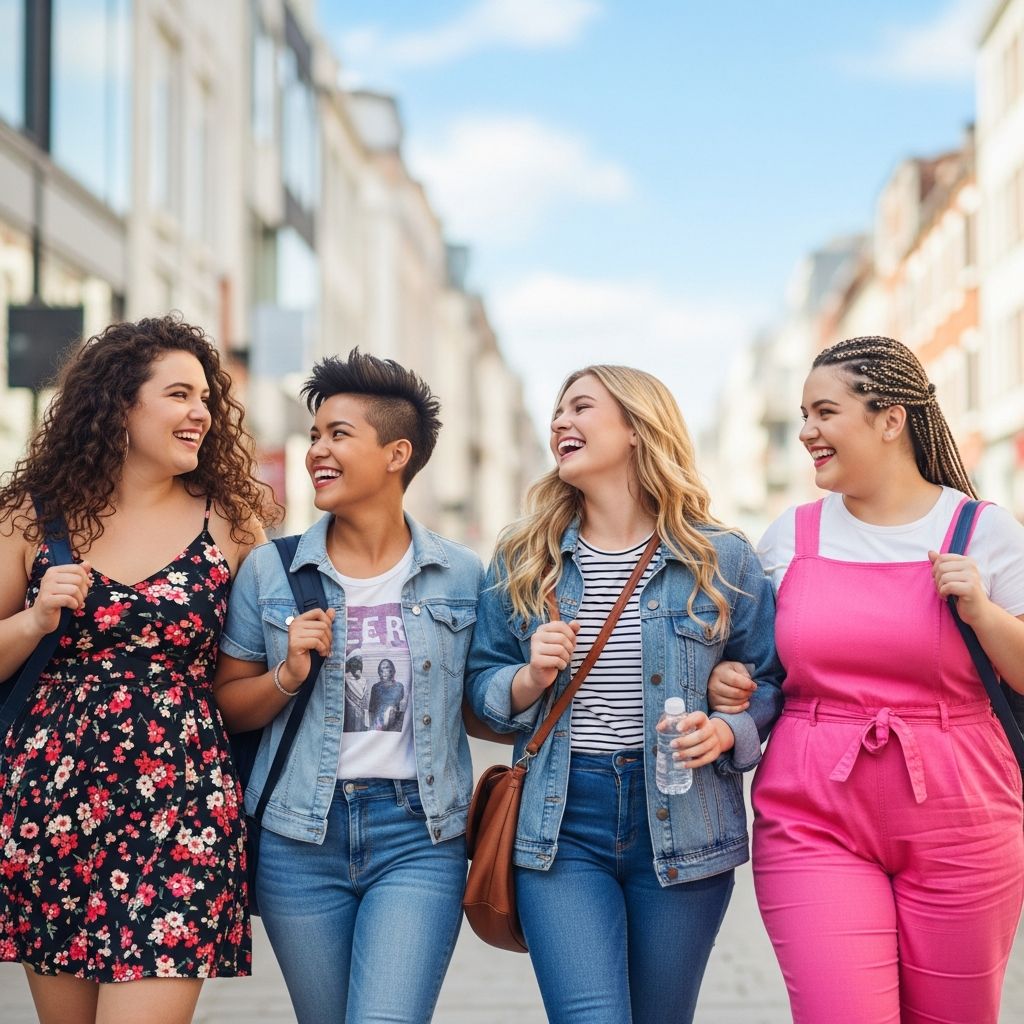
Menstruation is a normal, healthy part of life for many teens, including those in larger bodies. Your size does not make your period less valid or less important. This guide explains how periods work, what you might experience as a plus-size teen, and how to care for your body with respect and confidence.
1. Period Basics: What Is Really Going On?
A period is the time when the lining of the uterus (womb) sheds and leaves the body through the vagina as blood and tissue. It is one part of the monthly menstrual cycle, which prepares the body for a possible pregnancy.
| Part of the body | What it does in the cycle |
|---|---|
| Ovaries | Release eggs and make hormones like estrogen and progesterone. |
| Uterus | Builds a thick lining every month; that lining sheds during your period if pregnancy does not happen. |
| Cervix | Opens slightly to let period blood pass and makes cervical mucus. |
| Vagina | Where blood flows out and where you place tampons or menstrual cups if you choose to use them. |
Hormones tell these organs when to thicken the lining, when to release an egg (ovulation), and when to start the bleeding that you recognize as a period.
2. When Periods Usually Start and Why Size Can Matter
Most teens get their first period (called menarche) between about 10 and 15 years old; around 12 is often considered an average age. But “average” does not mean “normal for everyone.” Your timing is influenced by genetics, nutrition, stress, long-term health conditions, and body size.
Research shows:
- By age 15, about 98% of people who will menstruate have had their first period.
- Many teens get their first period about 2–3 years after breast development begins.
People in larger bodies sometimes start menstruating a bit earlier on average. That is often related to how body fat affects hormone levels, especially estrogen. This does not mean anything is “wrong” with you; it is simply one way bodies vary.
Signs Your First Period Might Be Coming
- Breasts starting to grow or continuing to develop.
- Hair appearing under the arms and around the genitals.
- Clear or whitish vaginal discharge in your underwear for several months.
- New body odor, acne, or growth spurts.
If you are 15 and have not had a period, or you have not gotten one within about 3 years after breast budding, health experts recommend checking in with a clinician to make sure everything is okay.
3. What Counts as a “Normal” Teen Period?
In the first couple of years after your period starts, cycles are often irregular. That means your period might come sooner some months and much later in others. Medical guidelines give a wide normal range for teens.
| Period feature | Typical range for teens |
|---|---|
| Cycle length (first day of one period to first day of the next) | Usually 21–45 days in the teen years. |
| Bleeding length | About 2–7 days. |
| Flow | Can be light, medium, or heavy, and may change from day to day and month to month. Using about 3–6 pads or tampons a day is common. |
| Regularity over time | Often irregular for 1–3 years after the first period, then tends to even out to roughly every 4–5 weeks. |
Plus-size teens can experience all of these patterns too. Weight alone does not decide whether your period is “normal,” but very high or very low body weight can affect cycles by changing hormone balance.
4. How Periods May Feel in Plus-Size Bodies
Some symptoms are common for most menstruating teens, regardless of size. Others can feel more intense in larger bodies because of how weight, posture, or existing health conditions interact with menstrual changes.
Physical Symptoms You Might Notice
- Cramping in the lower belly, back, or thighs.
- Bloating or feeling puffy, especially around the stomach area.
- Breast tenderness, sometimes more intense with a larger chest.
- Headaches or general aches.
- Fatigue or low energy.
- Digestive changes, like constipation or loose stools.
Some plus-size teens also live with conditions such as polycystic ovary syndrome (PCOS), insulin resistance, or higher blood pressure, which can affect periods by making them more irregular or heavier. If you have very long cycles, skipped periods, or extremely heavy bleeding, a medical check is important to rule out issues that can be treated.
Emotional and Mental Changes
Hormones shift through the menstrual cycle and can affect mood. It is common to feel:
- More sensitive or tearful.
- Easily irritated or frustrated.
- More anxious or down than usual.
These feelings before a period are called premenstrual syndrome (PMS). When symptoms are much more intense and seriously affect school, relationships, or daily life, a condition called premenstrual dysphoric disorder (PMDD) is possible and deserves professional help.
For plus-size teens, emotional stress can also come from body-shaming or fatphobia. It is important to know that nothing about your size makes you less worthy of respect, comfort, or good health care. You deserve to be treated kindly by others and by yourself.
5. Practical Period Care for Plus-Size Teens
You can manage your period more comfortably by planning ahead and choosing products and routines that work with your body, not against it.
Choosing Menstrual Products
The main options are similar for everyone:
- Pads that stick to the inside of your underwear.
- Tampons that go inside the vagina and absorb blood.
- Menstrual cups or discs that collect blood inside the vagina.
- Period underwear with absorbent layers sewn in.
Consider these tips if you are plus-size:
- Look for longer or wider pads for better coverage if your thighs touch or you feel leaks at the sides or back.
- Choose high-rise or full-coverage underwear to help keep pads in place.
- When using tampons or cups, try different positions (sitting on the toilet, one leg up, or lying back) to reach comfortably.
- If you use shapewear, be sure it does not press so tightly that pads shift or cause extra cramps.
Hygiene and Skin Care
Good menstrual hygiene helps everyone, and it is especially important wherever skin folds touch, because moisture can lead to irritation.
- Change pads or tampons every 4–8 hours or sooner if they are full.
- Rinse the genital area with warm water once a day; mild, unscented soap on the outside is usually enough.
- Avoid scented sprays, douches, or harsh soaps, which can irritate the vagina and vulva.
- Choose breathable cotton underwear and change it if it gets damp with sweat or blood.
- If you have chafing between your thighs or under your belly, talk to a trusted adult or clinician about gentle barrier creams or powders that are safe for that area.
6. Coping With Cramps and Discomfort
Cramps happen when the uterus tightens to help release its lining. For many teens, simple self-care can lower the pain:
- Use a heating pad or warm water bottle on your lower belly or back.
- Practice gentle movement like walking, stretching, or yoga to improve blood flow.
- Stay hydrated and try to limit very salty or heavily processed foods if they worsen bloating.
- Over-the-counter pain medicine with ibuprofen or naproxen can help some people, but only use them as directed and with a parent or guardian’s guidance.
If you are plus-size, it may be more comfortable to:
- Lie on your side with a pillow between your knees to ease back strain.
- Use extra pillows to support your belly and lower back when resting.
- Wear soft, stretchy clothing on heavy-cramp days.
Very severe cramps that do not improve with basic measures, especially if they keep you from going to school or activities, should be discussed with a health professional. Conditions like endometriosis or fibroids can cause intense pain and are treatable.
7. When Is a Period Not Typical? Warning Signs to Watch
Although periods vary a lot, certain patterns are not considered typical at any size and should be checked by a clinician.
- You are 15 or older and have never had a period.
- Your periods are still very irregular more than 2–3 years after they started (for example, no pattern and months between cycles).
- You bleed for more than 7 days almost every time.
- You have to change a pad or tampon more often than every 1–2 hours because it is soaked.
- You often bleed through your clothes or pass large clots (bigger than a quarter).
- You have severe cramps that do not improve with ibuprofen, naproxen, or a heating pad.
- You have long gaps (such as 3 months or more) without a period when you are not pregnant.
- You feel extremely sad, angry, or anxious around your period to the point that school, friendships, or hobbies are regularly affected.
In plus-size teens, skipped or very irregular periods can sometimes be linked to PCOS or other hormonal conditions that may also cause extra facial or body hair, acne, or weight changes. These are medical issues, not personal failures, and there are treatments that can help.
8. Body Image, Respect, and Reproductive Health
Because of social stigma around weight, plus-size teens may hear confusing or hurtful messages about their bodies and periods. It is important to separate facts from stereotypes.
- Your period is not dirty or shameful; it is a sign your reproductive system is working.
- Having a larger body does not mean you cannot be healthy, but it may change which health issues your clinician watches more closely.
- You deserve health care that is respectful, size-inclusive, and free from bullying or blaming.
- If a clinician dismisses your period concerns by blaming your weight without examining you or offering options, you can ask for a second opinion.
As you grow, you might also hear about birth control and the HPV vaccine. The HPV vaccine is recommended in preteens and teens to protect against certain cancers later in life. Many birth control methods are safe for plus-size people and can help with problems like heavy bleeding or painful cramps. These are personal and medical choices best made with trusted adults and health professionals.
9. Building a Personal Period Plan
Creating a small plan can make periods less stressful, especially if you are worried about leaks or comfort in public.
What to Keep in a Period Kit
- A couple of pads of the size and absorbency you prefer.
- A spare pair of underwear that fits you comfortably.
- Individually wrapped wipes or a small pack of tissues (unscented if possible).
- Any pain relief medicine approved by your parent or guardian.
- A small plastic or zip bag for storing stained underwear if you need to take it home.
You can keep one kit in your backpack or locker and one at home. Choose items that work with your clothing style and activities so you feel as secure as possible.
Frequently Asked Questions (FAQs)
Do plus-size teens have heavier periods than others?
Some larger-bodied teens may notice heavier or more frequent bleeding if they have certain hormonal conditions, but body size alone does not automatically cause heavy periods. Very heavy flow should always be checked by a clinician, no matter your size.
Is it safe for me to use tampons or menstrual cups if I am plus-size?
Yes. Tampons and menstrual cups are designed for the vagina, which is an internal canal and does not depend on outer body size. You may need to experiment with positions or sizes that feel easiest to insert and remove, but your weight by itself does not prevent you from using them.
My periods are irregular and I am worried my weight is the only reason. What should I do?
Irregular periods are very common in the first few years after they start because the hormonal system is still maturing. Extremely long gaps between periods, very heavy bleeding, or other symptoms like extra hair growth or severe acne should be checked by a health professional who can look for treatable causes such as PCOS, thyroid issues, or other conditions.
How do I talk to a doctor if I feel judged about my size?
You have the right to respectful care. You can write down your questions ahead of time, bring a trusted adult, and say clearly that you want help with your period, not just advice about weight. If you feel dismissed or shamed, it is okay to ask for another provider who is more supportive.
Can I get pregnant as soon as I start my period?
Yes. Once you have started menstruating, you can become pregnant if you have vaginal sex with someone who produces sperm, even if your periods are irregular. If you are sexually active or thinking about it, talk with a trusted adult or clinician about contraception and protection from infections.
References
- Menstruation in Girls and Adolescents: Using the Menstrual Cycle as a Vital Sign — American College of Obstetricians and Gynecologists (ACOG). 2015-12-01. https://www.acog.org/clinical/clinical-guidance/committee-opinion/articles/2015/12/menstruation-in-girls-and-adolescents-using-the-menstrual-cycle-as-a-vital-sign
- All About Periods (for Teens) — Nemours KidsHealth. 2023-05-01 (last updated). https://kidshealth.org/en/teens/menstruation.html
- Normal teen menstrual cycles: When to see a gynecologist — University of Chicago Medicine. 2025-09-10. https://www.uchicagomedicine.org/forefront/pediatrics-articles/2025/september/getting-your-period-normal-menstrual-cycle-teens-preteens
- A Parent’s Ultimate Guide to Periods — CHOC Children’s. 2022-03-15. https://health.choc.org/a-parents-ultimate-guide-to-periods/
- Healthy Habits: Menstrual Hygiene — U.S. Centers for Disease Control and Prevention (CDC). 2022-05-17. https://www.cdc.gov/hygiene/about/menstrual-hygiene.html
- Period Education Guide — Oregon Health & Science University (OHSU). 2024-05-01. https://www.ohsu.edu/sites/default/files/2024-05/Period%20Education%20Guide%20Full%20final.pdf