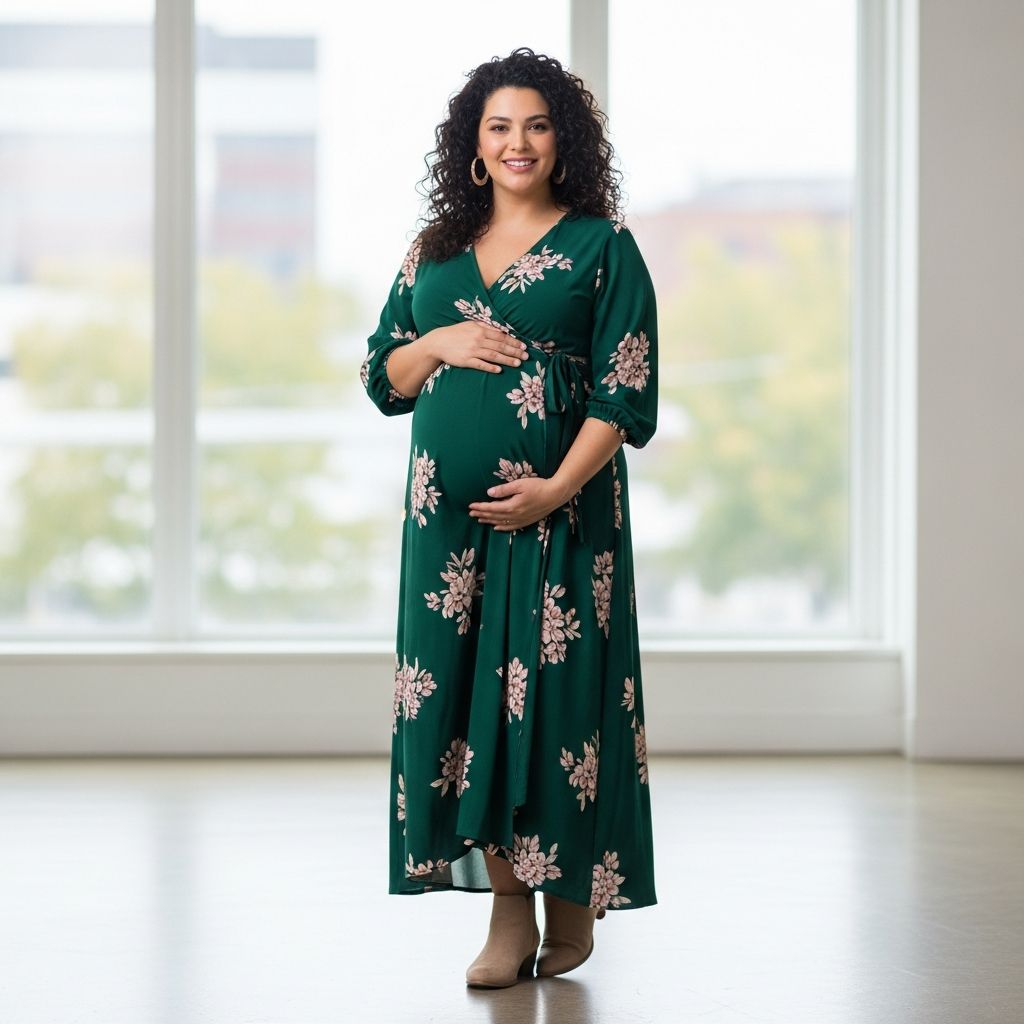
Pregnancy changes your body, your schedule, and your wardrobe, and if you wear plus sizes, those changes can feel even more complicated. The good news is that a thoughtful strategy, a few smart purchases, and a strong sense of your personal style can help you create a maternity wardrobe that fits well, feels good, and looks like you.
Understanding Your Changing Plus-Size Body
Every pregnancy looks different, but for many plus-size parents, body changes are more about redistribution than sudden size jumps. Your belly may take longer to “pop,” your bust might lead the way, and areas like hips, thighs, and arms can subtly grow before you even notice your bump. Planning for these shifts instead of reacting to them helps you avoid panic-buying clothes you will never wear again.
Think of your pregnancy body in phases: early months when your existing wardrobe almost works, middle months when you need clearly bump-friendly clothes, and late pregnancy when comfort and support become your top priority. Keeping these phases in mind lets you decide what to buy, what to adapt, and what to skip entirely.
Building a Flexible Maternity Capsule Wardrobe
A plus-size maternity capsule wardrobe is a small collection of mix-and-match pieces that can be dressed up or down. Instead of buying a full closet of maternity-specific items, focus on a core set of essentials you can re-style for work, weekends, and special occasions.
- Start with your lifestyle: Office job, active work, or mostly at home? Let your daily routine dictate what categories you prioritize.
- Choose a color palette: Stick to 3–4 base colors (like black, navy, charcoal, and olive) plus 1–2 accent colors to make mixing easy.
- Balance comfort and structure: Pair soft knits with one or two more tailored pieces so you feel put-together without feeling squeezed.
Essential Plus-Size Maternity Pieces
Not everything labeled “maternity” is worth buying, but some categories make a huge difference to your comfort. Focus your budget on pieces that directly support your changing belly and bust and that you can wear frequently.
Key Clothing Items
- Supportive leggings: Look for thick, opaque fabric that doesn’t become sheer when stretched, with either an over-belly panel or a high, soft waistband that sits under the bump.
- Stretchy dresses: Midi or knee-length dresses with some stretch work for casual days, the office, and events when styled with different shoes and accessories.
- Longline tops and tunics: Tops that cover your hips and butt provide comfort, confidence, and extra room as your belly grows.
- One pair of great jeans or jeggings: Choose a wash and silhouette that matches your usual style (skinny, straight, or bootcut) to feel like yourself.
- Layering cardigans or kimonos: Open-front layers are easier to fit over a growing belly and will still work postpartum.
Underwear and Support
- Wire-free or flexible-wire bras: Your band and cup size will change, so choose bras with multiple rows of hooks and stretchy cups.
- Maternity underwear or high-rise briefs: Soft, breathable fabrics with wide waistbands help avoid digging and rolling.
- Belly bands or extenders: These can extend the life of your pre-pregnancy pants while giving light support to your lower abdomen.
Flattering Silhouettes for Curvy Bumps
“Flattering” should always mean “makes you feel confident,” not “hides your body.” During pregnancy, that often means highlighting your bump instead of trying to disguise it, especially if you’re plus-size and used to dressing in loose layers.
- Empire waistlines: Seam and gathering just under the bust let fabric skim smoothly over your belly without clinging.
- Wrap and faux-wrap styles: Adjustable or stretchy wrap fronts accommodate a changing chest and create a defined waist above the bump.
- A-line and skater shapes: Slightly flared skirts and dresses balance your proportions and leave room for movement.
- Bodycon with structure: Thicker knits in body-hugging silhouettes can showcase your bump and create a sleek look when you’re ready to show it off.
Fabric Choices That Work Hard for You
The right fabric makes the difference between a dress you reach for weekly and one you never wear. When you are plus-size and pregnant, you want materials that stretch, breathe, and recover well after washing. Natural fibers blended with a bit of spandex or elastane often strike the best balance between comfort and structure.
| Fabric Type | Pros in Pregnancy | Potential Drawbacks |
|---|---|---|
| Cotton blends | Breathable, soft, easy to wash, gentle on sensitive skin. | Can shrink if dried on high heat; very thin versions may cling. |
| Modal / viscose knits | Silky feel, nice drape over curves, looks slightly dressy. | May show sweat more; can stretch out if not cared for properly. |
| Ponte knit | Thicker, structured stretch; ideal for pants, skirts, work dresses. | Less breathable in hot weather; can feel heavier. |
| Jersey with elastane | Plenty of stretch; comfortable for everyday wear and lounging. | Very clingy versions can highlight every line if too thin. |
| Woven rayon or crepe | Floaty, dressy look for special occasions, good movement. | Usually minimal stretch, so prioritize bump-friendly cuts. |
Adapting Your Existing Plus-Size Wardrobe
You do not need to replace your entire closet. Many plus-size pieces you already own can pull double duty during pregnancy, especially in the early and middle trimesters. The key is to rethink how you style them and add a few helpers to make them more bump-friendly.
- Open button-downs and blazers: Wear them unbuttoned over stretch tanks, dresses, or tees to create structure without needing to close them.
- Stretchy skirts and dresses: High-waist pencil skirts, maxi skirts, and knit dresses can be pulled above your bump and paired with cropped cardigans or knotted tees.
- Size up strategically: For non-maternity tops and dresses, going one size up and choosing cuts with extra length can take you surprisingly far into the third trimester.
- Use extenders and bands: Pants extenders, belly bands, and long camis can bridge the gap when your jeans won’t zip but you still love how they look.
Comfort-First Workwear and Occasion Outfits
If you work outside the home or have events on your calendar, planning a few elevated outfits will save you stress. You can absolutely look polished without sacrificing comfort or squeezing into restrictive tailoring that does not respect your changing body.
Office-Friendly Ideas
- Soft trousers with stretch waist: Pair them with a draped blouse and longline vest or cardigan for structure.
- Knit sheath or wrap dress: Add a blazer, low heels or flats, and simple accessories for a professional yet forgiving outfit.
- Monochrome outfits: Dressing in a single color from head to toe can create a sleek line and make you feel instantly put together.
Special Event Dressing
- Empire-waist maxi dress: A floor-length dress in a soft fabric can work for weddings, baby showers, or photoshoots.
- Statement accessories: Bold earrings, a clutch, or a bright shawl add personality and draw the eye upward.
- Comfortable shoes: Prioritize cushioned flats, block heels, or wedges that support your feet and ankles.
Seasonal Plus-Size Maternity Style Tips
Climate and season influence what you will actually reach for. Investing in season-appropriate maternity pieces ensures you stay comfortable from your first positive test through postpartum, whether you are dealing with summer heat or winter storms.
Warm-Weather Dressing
- Choose breathable fabrics like cotton or rayon and avoid heavy synthetics that trap heat.
- Opt for sleeveless or short-sleeve dresses, bike shorts under skirts, and sandals with good arch support.
- Look for light colors and loose-but-shaped silhouettes to stay cool without feeling shapeless.
Cold-Weather Dressing
- Layer with open-front cardigans, jackets, and coats that you can wear post-baby as well.
- Use thermal leggings or tights under dresses and long sweaters for added warmth.
- Consider one outerwear piece that zips over your bump or allows a maternity insert if you live in a very cold climate.
Shopping Smart as a Plus-Size Parent-to-Be
Shopping plus-size can be challenging even when you are not pregnant, and the options for maternity styles are often more limited. A strategic approach can help you find what you need without overspending or compromising on fit.
- Create a realistic budget: Decide how much you are comfortable spending over your entire pregnancy and prioritize high-impact items like jeans, leggings, and bras.
- Check size charts and reviews: Pay attention to garment measurements, not just size labels, and read reviews that mention body shape and stretch.
- Mix maternity and non-maternity: Combine a few true maternity basics with extended-size non-maternity brands that offer generous cuts.
- Explore secondhand options: Thrift stores, resale apps, and local pregnancy groups can be great sources for gently used plus-size maternity pieces.
Postpartum and Nursing-Friendly Planning
It is easy to focus solely on the months when your belly is growing, but planning ahead for postpartum will help you feel more prepared. Your body will not snap back overnight, and many plus-size parents appreciate clothes that remain forgiving and supportive long after the baby arrives.
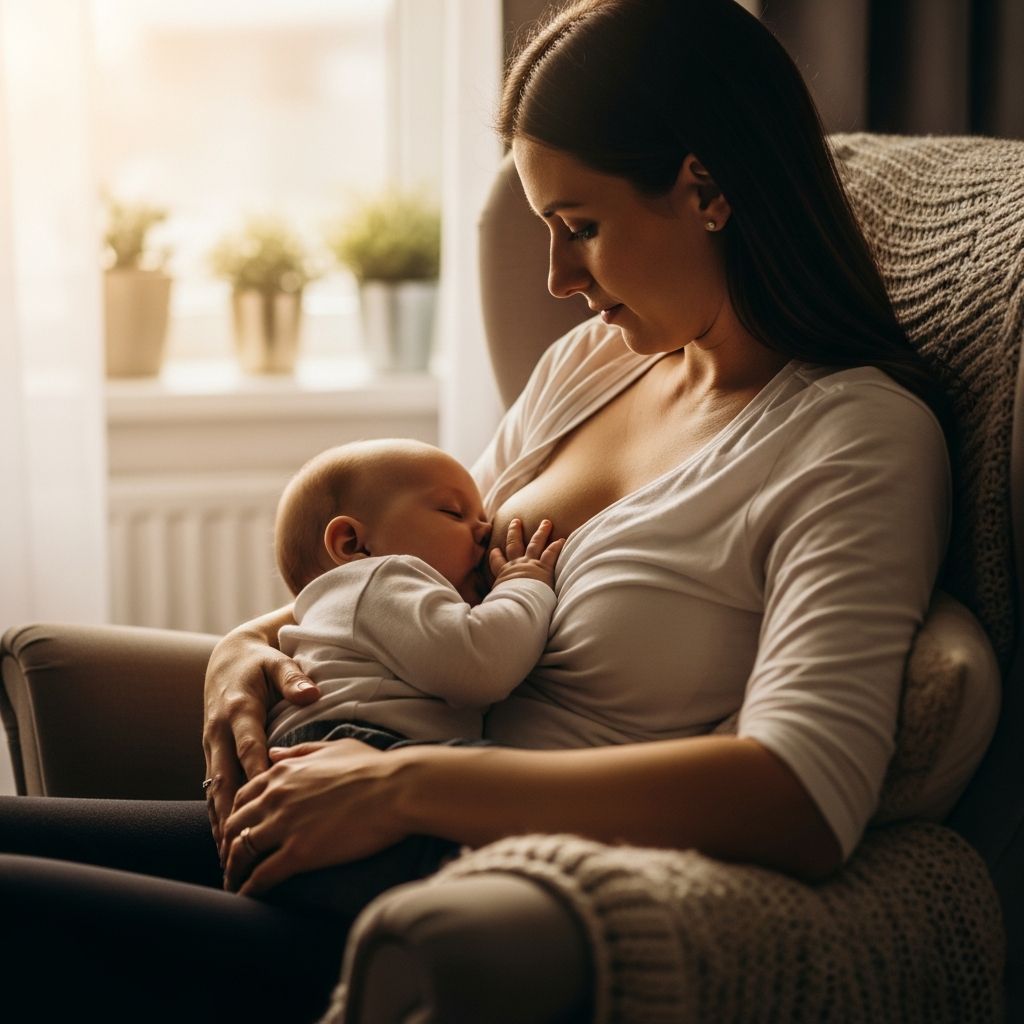
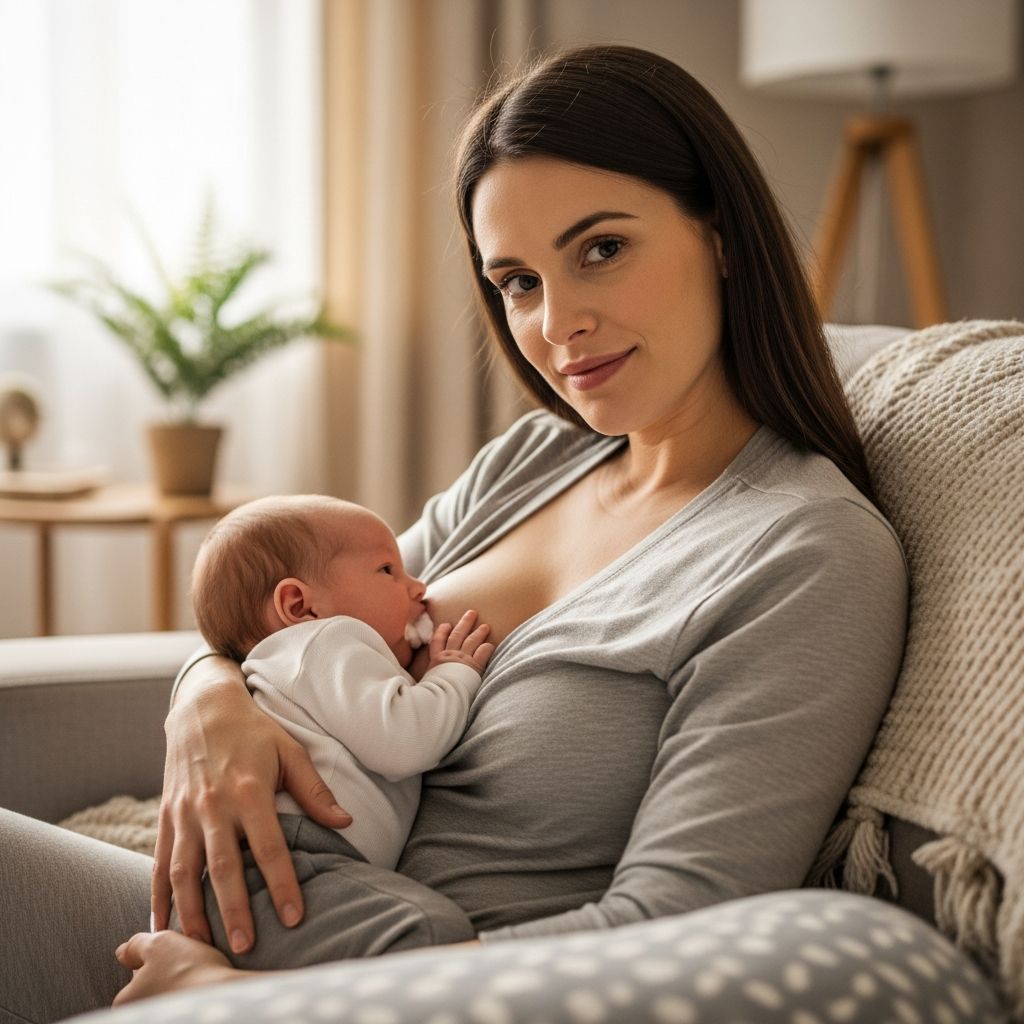
- Prioritize easy access if nursing: Wrap dresses, button-front tops, and stretchy scoop-neck tees can make feeding and pumping simpler.
- Keep soft waists and loose fits: High-rise leggings, joggers, and tunic tops will be your friends during recovery.
- Save a few pregnancy favorites: Some of your maternity pieces will transition seamlessly into your postpartum wardrobe, especially cardigans, oversized shirts, and stretchy dresses.
Body Image, Confidence, and Plus-Size Pregnancy
Pregnancy can stir up complicated feelings about your body, particularly if you already navigate a world that judges plus-size people harshly. Clothes cannot solve every insecurity, but they can help you feel cared for, respected, and aligned with your sense of self.
- Focus on how you feel, not the tag: Size labels are inconsistent even within the same brand. Comfort and mobility matter more than the number.
- Accept the need for change: Needing bigger sizes is not a failure; it is a normal part of supporting a growing baby.
- Give yourself permission to enjoy style: You deserve outfits that make you smile, not just “good enough” basics.
Frequently Asked Questions About Plus-Size Maternity Clothes
Do I really need maternity-specific clothes if I am plus-size?
Some people can get by with only a few maternity items, especially if they already own stretchy dresses and tops in larger sizes. However, maternity-specific jeans, leggings, and bras are often worth it because they are designed to support your bump and changing bust more comfortably than standard pieces sized up.
When should I start buying maternity clothes?
The best time to start depends on your body, but many plus-size parents begin shopping when their regular pants feel tight even with extenders or when tops no longer sit smoothly. Buying a few basics early can prevent discomfort and give you time to hunt for styles you truly like instead of panic-buying.
How can I tell if something will still fit later in pregnancy?
Look for stretch in the fabric, length that reaches at least mid-hip, and room across the belly, hips, and bust. If you can sit, stand, and reach overhead without tugging fabric or feeling seams dig in, there is a good chance the piece will carry you through more than one trimester.
Are fitted clothes okay, or should I stick to loose styles?
Fitted clothes are absolutely okay, as long as they are comfortable and breathable. Many plus-size parents find that more body-skimming styles actually highlight the bump in a way that feels joyful and intentional, while overly baggy pieces can feel shapeless and heavy.
How can I stay stylish on a small budget?
Choose a handful of versatile basics in neutral colors and then use accessories you already own—scarves, jewelry, bags, and shoes—to update each outfit. Thrifting, borrowing from friends, and shopping off-season or clearance sections can also give you more options without overwhelming your budget.
Plus-size pregnancy style does not have to be limiting. With thoughtful choices, a focus on comfort, and a willingness to experiment, you can build a maternity wardrobe that supports your body, reflects your personality, and grows with you from the first trimester to life with your new baby.