Play forms the cornerstone of infant development, enabling babies to explore their environment, build essential skills, and strengthen bonds with caregivers. From birth through the first year, targeted play activities promote physical strength, cognitive awareness, and emotional security, laying a strong foundation for lifelong learning.
Foundational Benefits of Play in Early Infancy
During the rapid growth phase of the first 12 months, play drives brain development by forging neural connections through sensory experiences and movement. The American Academy of Pediatrics emphasizes play as vital for cognitive, social, and emotional progress, with interactive sessions enhancing problem-solving and self-regulation from infancy.
Physically, play builds muscle tone and coordination. Gross motor activities strengthen core muscles and improve balance, while fine motor tasks refine hand-eye coordination essential for future tasks like self-feeding. Emotionally, responsive play fosters trust, helping babies manage stress and read social cues, as noted by early childhood experts.
Building Strong Bodies Through Movement-Based Play
Gross motor development hinges on opportunities for free movement. Activities that encourage rolling, crawling, and bouncing lay the groundwork for milestones like sitting and standing.
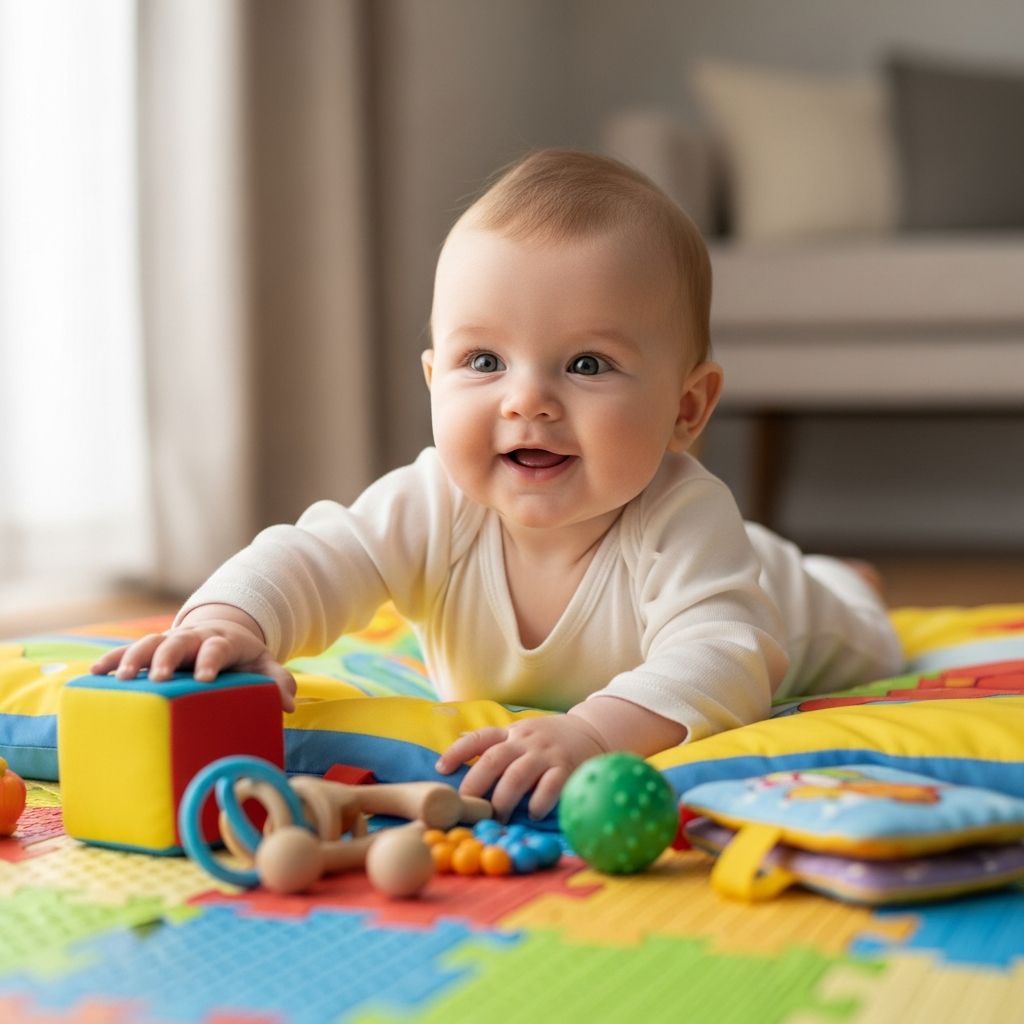
- Tummy Time Essentials: Start with short sessions on a firm, safe surface to build neck and shoulder strength. Place high-contrast toys nearby to motivate lifting the head.
- Bouncing and Rocking: Hold baby securely while gently bouncing on your lap or using a play mat to enhance balance and leg muscles.
- Crawling Encouragement: Create safe paths with pillows or rolled towels to promote scooting and full crawling.
Fine motor skills emerge through grasping and manipulating objects. Offer soft rings, fabric toys, or textured balls to practice pincer grasp and dexterity.
| Age Range | Gross Motor Focus | Fine Motor Focus |
|---|---|---|
| 0-3 Months | Head lifting during tummy time | Hand batting and reflexive grasping |
| 4-6 Months | Rolling and supported sitting | Reaching for and holding rattles |
| 7-12 Months | Crawling and pulling to stand | Stacking blocks and finger feeding |
These structured yet flexible activities align with CDC-recommended milestones, ensuring steady progress.
Sensory Exploration for Cognitive Sparks
Sensorimotor play, where babies learn via senses and motion, is crucial for early thinking skills. It develops body awareness, cause-and-effect understanding, and memory.
For newborns, black-and-white patterns captivate developing vision, while soft sounds from rattles introduce auditory processing. As babies grow, activities like shaking noisemakers teach action-reaction concepts.
- Visual Tracking: Move high-contrast cards slowly side-to-side to train eye muscles and focus.
- Texture Discovery: Supervised touch of safe fabrics, crinkly papers, or smooth spoons builds sensory integration.
- Sound Play: Gentle humming, songs, or bells encourage head turning toward noises.
By six months, introduce cause-and-effect toys with buttons or switches to stimulate logic and prediction skills, supporting cognitive leaps like object permanence.
Fostering Emotional Connections Via Play
Interactive play is key to emotional health, teaching babies that their actions elicit responses from trusted adults. Face-to-face games build secure attachments, reducing anxiety and promoting resilience.
Peekaboo variations, where you briefly hide your face or a toy, reassure babies of reliability—\”you’ll return.\” Mirror play lets them study expressions, aiding emotional recognition.
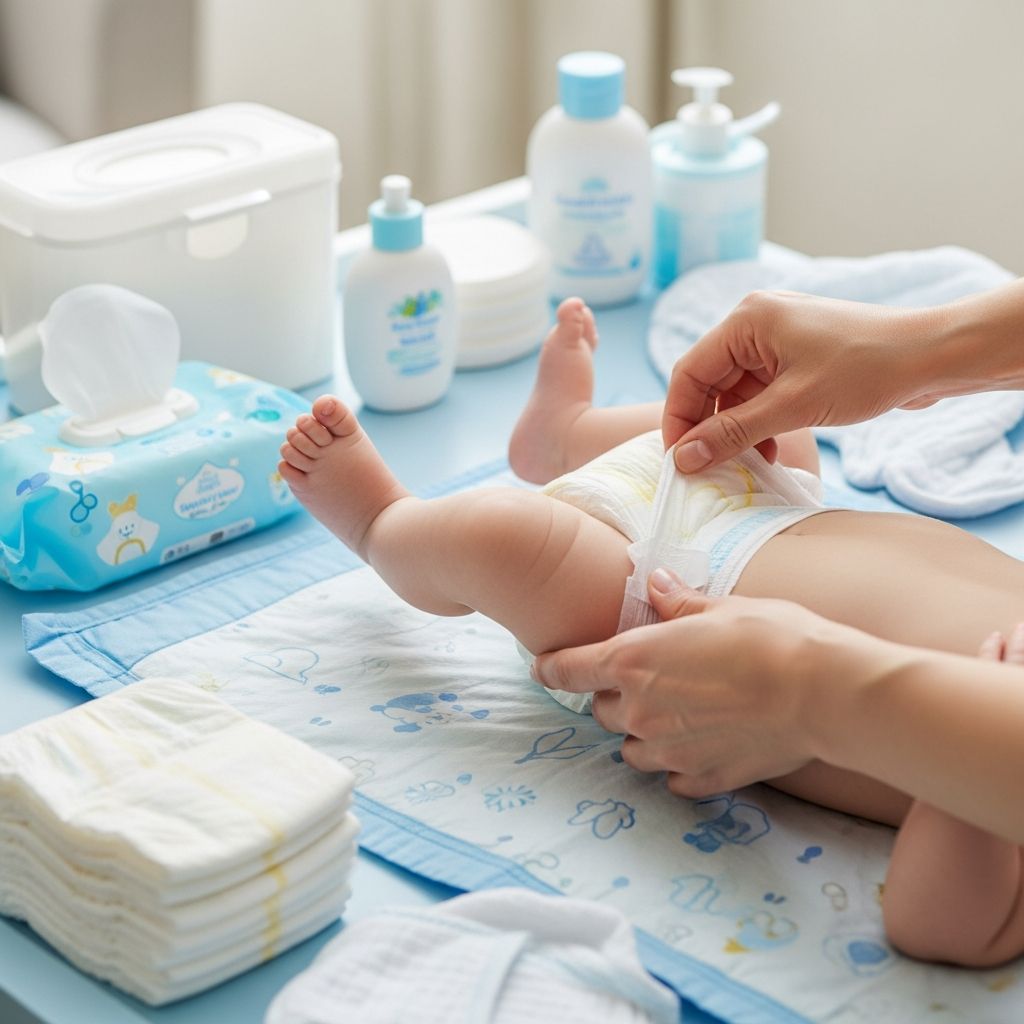
Daily routines amplify bonding: Sing during diaper changes, narrate feeding textures, or splash during baths. These moments expand vocabulary and sensory learning without extra effort.
Tailored Play by Developmental Stage
Newborn to 3 Months: Gentle Sensory Awakening
Focus on calming, close-contact play. Sing lullabies, hum rhythms, or sway gently to soothe while stimulating hearing and vestibular senses. Short tummy time with your face nearby makes it engaging.
4 to 6 Months: Discovery and Response
Babies now anticipate outcomes. Offer crinkle toys, soft buttons for sounds, or airplane holds (lifting legs while supported) to explore cause-effect and strength.
- Roll balls gently for tracking.
- Mimic facial expressions in mirrors.
- Encourage reaching across the body.
7 to 12 Months: Active Exploration
Mobility surges, so provide safe spaces for stacking soft blocks, rolling balls back-and-forth, or hide-and-seek with toys under blankets. Water play in trays hones pouring and scooping.
Follow baby’s lead: If they bang objects, join with rhythmic claps to model turn-taking, boosting social skills.
Creating Optimal Play Environments
Safety is paramount—clear floors of hazards, supervise closely, and limit container time like swings to under 30 minutes daily per NASPE guidelines. Rotate toys to maintain novelty, mixing physical, imaginative, and quiet options.
No expensive tools needed; household items like spoons, boxes, or scarves work wonders. Parental presence trumps gadgets, as responsive engagement drives deeper learning.
Play’s Dual Benefits for Parents and Babies
Engaging in play sharpens parental cue-reading, alleviates stress, and reinforces attachment. Joyful interactions regulate everyone’s emotions, creating positive cycles.
Balance unstructured free play with guided sessions to nurture independence and creativity.
Frequently Asked Questions
How much daily play does my baby need?
Aim for at least 30 minutes of active play, spread throughout the day, including tummy time from early weeks.
Can screen time replace hands-on play?
No—prioritize interactive, physical play over screens, as hands-on activities better support development.
What if my baby doesn’t like tummy time?
Start with 1-2 minutes, place toys or your face in view, and gradually increase as they build strength.
How do I know play is working?
Track milestones like rolling by 4-6 months or babbling responses; consult pediatricians if delays appear.
Is structured play better than free play?
Both matter—structured guides skills, free play sparks imagination; mix for comprehensive growth.
References
- How Infant Play Supports Physical and Emotional Development — Harbor.co. 2023. https://harbor.co/blogs/blog/the-benefits-of-play-essential-strategies-for-early-childhood-parenting
- The Role of Play in Child Development: Benefits and Tips — Alice Pediatric. 2023. https://www.alicepediatric.com/blog/1203078-the-role-of-play-in-child-development-benefits-and-tips
- Infant Activities: Play Ideas to Support Your Baby’s Development — NAPA Center. 2023. https://napacenter.org/infant-activities/
- Play ideas for baby cognitive development — Raising Children Network (Australian Govt-funded). 2024. https://raisingchildren.net.au/babies/play-learning/play-baby-development/thinking-play-babies
- Benefits of Play in Child Development: Why Babies Need Playtime — Vivvi. 2023. https://vivvi.com/blog/articles/benefits-of-play-babies
- Importance of Play in Early Childhood — HeadStart.gov (U.S. Dept. of Health & Human Services). 2023-10-12. https://headstart.gov/curriculum/article/importance-play-early-childhood