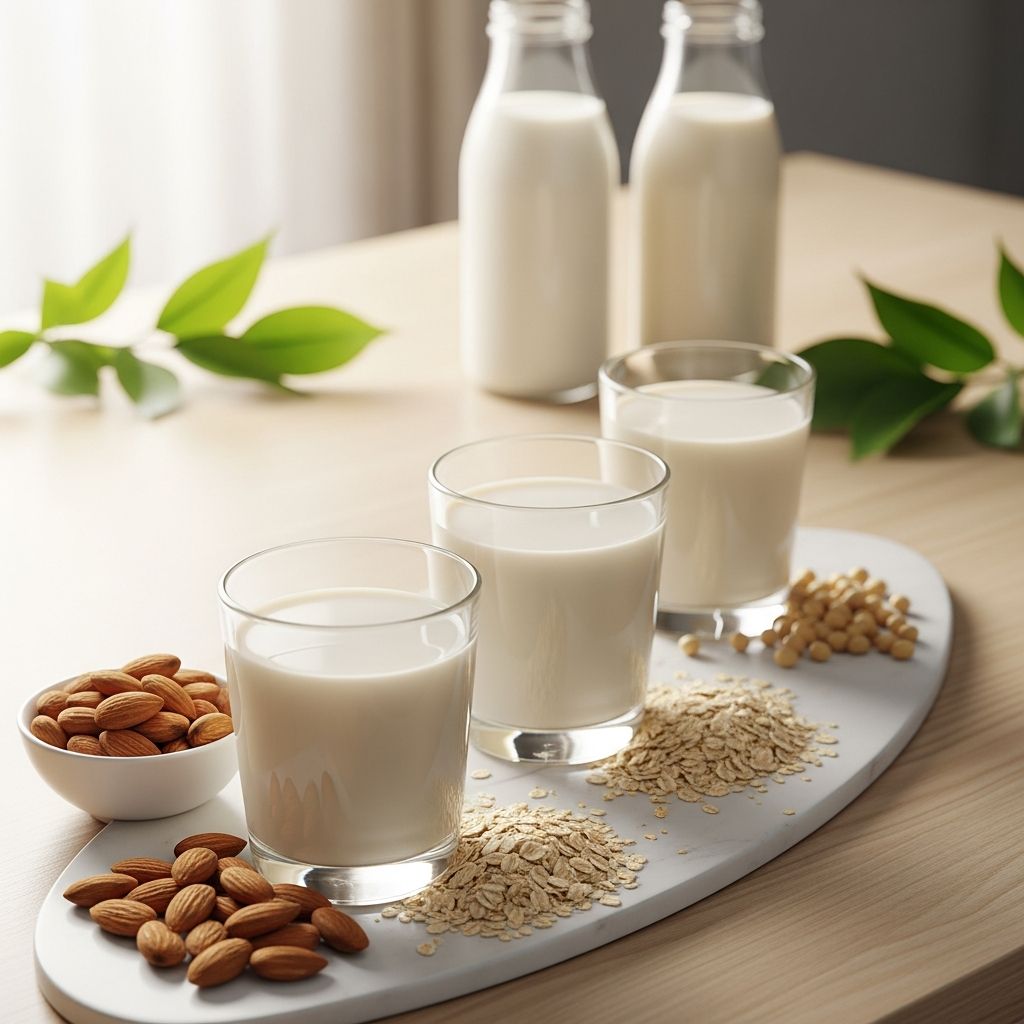
Plant-based milks have surged in popularity as versatile substitutes for traditional dairy milk, appealing to those seeking lactose-free options, ethical choices, or lower environmental footprints. These alternatives, derived from nuts, seeds, grains, and legumes, offer diverse flavors and nutritional profiles suitable for cereals, coffee, cooking, and more.
Why Choose Plant-Based Milks?
Individuals opt for plant-based milks due to lactose intolerance, dairy allergies, vegan lifestyles, or concerns over animal welfare and planetary health. Unlike cow’s milk, which contains natural lactose (about 12g per cup), many unsweetened plant milks have just 1g of carbs, helping reduce overall sugar intake. Environmentally, most plant-based options produce fewer greenhouse gases and use less water than dairy, though almond milk’s high water footprint is a notable exception.
Health-wise, plant-based milks often feature lower fat and calorie counts—up to 75% less fat than whole cow’s milk in varieties like almond or cashew. A plant-forward diet incorporating these milks supports cardiovascular health by swapping animal fats for plant-sourced ones. However, nutritional quality varies, so fortification with calcium, vitamin D, B12, and iodine is key for matching dairy’s benefits.
Popular Types of Plant-Based Milks
From creamy oat to nutty almond, each plant milk brings unique attributes. Here’s a breakdown of the most common varieties.
Soy Milk: The Nutritional Powerhouse
Soy milk, made from soaked and ground soybeans, mirrors cow’s milk closest in protein content at 3.3g per 100ml—nearly identical to dairy’s 3.4g—and provides all nine essential amino acids. It’s naturally rich in isoflavones, which may support heart health. Fortified versions add calcium, vitamin D, and B12, making soy the only plant milk included in the U.S. Dietary Guidelines’ dairy group. Its neutral taste works well in smoothies, baking, and savory dishes, though some avoid it due to phytoestrogen concerns, which research shows are safe in moderation.
Almond Milk: Light and Antioxidant-Rich
Almond milk, the most popular plant-based option, is low in calories and protein but packs vitamin E and antioxidants that may protect against heart disease and oxidative stress. Homemade versions can boost calcium by using more almonds. It’s ideal for those watching calories, with many brands offering unsweetened options under 40 calories per cup. However, its water-intensive production raises sustainability questions.
Oat Milk: Creamy and Versatile
Oat milk, blended from oats and water, delivers a naturally sweet, creamy texture perfect for lattes and cereals. It provides beta-glucans for cholesterol management but is higher in carbs (around 16g per cup in some concentrates). Fortified oat milks support bone health with added nutrients, though those with gluten sensitivity should choose certified gluten-free varieties.
Hemp Milk: Omega-3 Boost
Crafted from hemp seeds, this milk offers 5g protein per cup, healthy fats, and up to 50% of daily ALA omega-3s for brain and heart function. Its nutty flavor suits smoothies and savory recipes, and it’s lower in calories than dairy. Fortification enhances its nutrient profile, making it a solid choice for omega-focused diets.
Other Emerging Options
- Coconut Milk: High in saturated fats but low in carbs and protein; best diluted and fortified for everyday use.
- Cashew Milk: Creamy with healthy fats, though low in protein.
- Pea Milk: Protein-packed (often boosted to 8g per cup) and sustainable.
- Potato Milk: Fiber-rich, allergen-free, with a neutral taste.
Nutrition Comparison Table
Nutritional content varies by brand and fortification. Below is an approximate per-cup comparison for unsweetened varieties.
| Type | Calories | Fat (g) | Carbs (g) | Protein (g) |
|---|---|---|---|---|
| 2% Cow’s Milk | 124 | 5 | 12 | 8 |
| Soy | 80-100 | 4 | 4 | 7-8 |
| Almond | 30-40 | 2.5 | 1 | 1 |
| Oat | 120 | 5 | 16 | 2-3 |
| Hemp | 70-100 | 5-9 | 1 | 3-5 |
| Coconut | 45 | 4 | 1 | 0 |
Note: Values are averages; check labels for specifics. Many plant milks lag in protein, zinc, and potassium unless fortified.
Health Benefits and Considerations
Plant-based milks support weight management with fewer calories and fats. They avoid dairy’s potential links to inflammation or hormones, offering a cleaner profile for gut health. For children and athletes, high-protein options like soy or pea are preferable. Drawbacks include added sugars in flavored varieties and lower bioavailability of some nutrients. Dietitians recommend fortified, unsweetened types as part of a balanced diet.
Pregnant individuals or families should prioritize iodine and B12 fortification, as plant milks can fill dairy gaps effectively when chosen wisely.
Environmental and Ethical Advantages
Plant milks generally lower greenhouse gas emissions and land use compared to dairy. Soy and oat have small footprints, while almond’s water use (about 74 gallons per glass) prompts moderation. Choosing local or sustainable brands reduces impact, aligning with ethical concerns over factory farming.
Tips for Selecting and Using Plant-Based Milks
- Opt for unsweetened to control sugar.
- Check for fortification with calcium (300mg+ per cup), vitamin D, and B12.
- Match to needs: soy for protein, almond for low-cal, oat for creaminess.
- DIY at home for purity: blend nuts/seeds with water, strain, and fortify.
- Use in recipes: great for pancakes, soups, or vegan cheese sauces.
Frequently Asked Questions
Is plant-based milk good for kids?
Yes, fortified varieties provide essential nutrients for growth, but pair with diverse foods for complete protein.
Which plant milk has the most protein?
Soy and pea milks top the list at 7-8g per cup, closest to dairy.
Are plant milks better for the environment?
Most yes, with lower emissions, but almond’s water use is higher.
Can I use plant milk in cooking?
Absolutely—oat and soy hold up best in heat for sauces and baking.
Do plant milks cause allergies?
Nut-based ones may; opt for soy, oat, or potato for allergen-free options.
Recipes to Try
Golden Turmeric Latte: Heat 1 cup oat milk with 1 tsp turmeric, pinch of ginger, and black pepper. Sweeten lightly.
Protein Smoothie: Blend soy milk, banana, spinach, and pea protein.
Incorporate plant milks seamlessly for healthier, sustainable habits.
References
- Complete Guide to Plant Based Milk: Types, Benefits & Uses — JOI. 2023. https://addjoi.com/blogs/news/complete-guide-to-plant-based-milk
- Should you switch to plant-based milk? — UCLA Health. 2023-05-15. https://www.uclahealth.org/news/article/should-you-switch-to-plant-based-milk
- Vegan Milk: Types, Benefits, and Brands — Vegan Dukan. 2023. https://vegandukan.com/blogs/all/vegan-milk-types-benefits-and-brands
- Dairy and Plant-Based Milks: Implications for Nutrition and Planetary Health — PMC (Peer-reviewed). 2023-09-12. https://pmc.ncbi.nlm.nih.gov/articles/PMC10504201/
- A guide to plant-based milks / alternative milks — Plant Based Health Professionals UK. 2023. https://plantbasedhealthprofessionals.com/a-guide-to-plant-based-milks-alternative-milks
- Plant-based milks — Dietitians Australia. 2024-01-10. https://dietitiansaustralia.org.au/health-advice/plant-based-milks
- Switching to Plant Milk? Here’s What You Should Know — Tufts University. 2024-10-21. https://now.tufts.edu/2024/10/21/switching-plant-milk-heres-what-you-should-know
- Milk and Plant-Based Milk Alternatives: Know the Nutrient Difference — U.S. FDA (.gov). 2023-06-01. https://www.fda.gov/consumers/consumer-updates/milk-and-plant-based-milk-alternatives-know-nutrient-difference