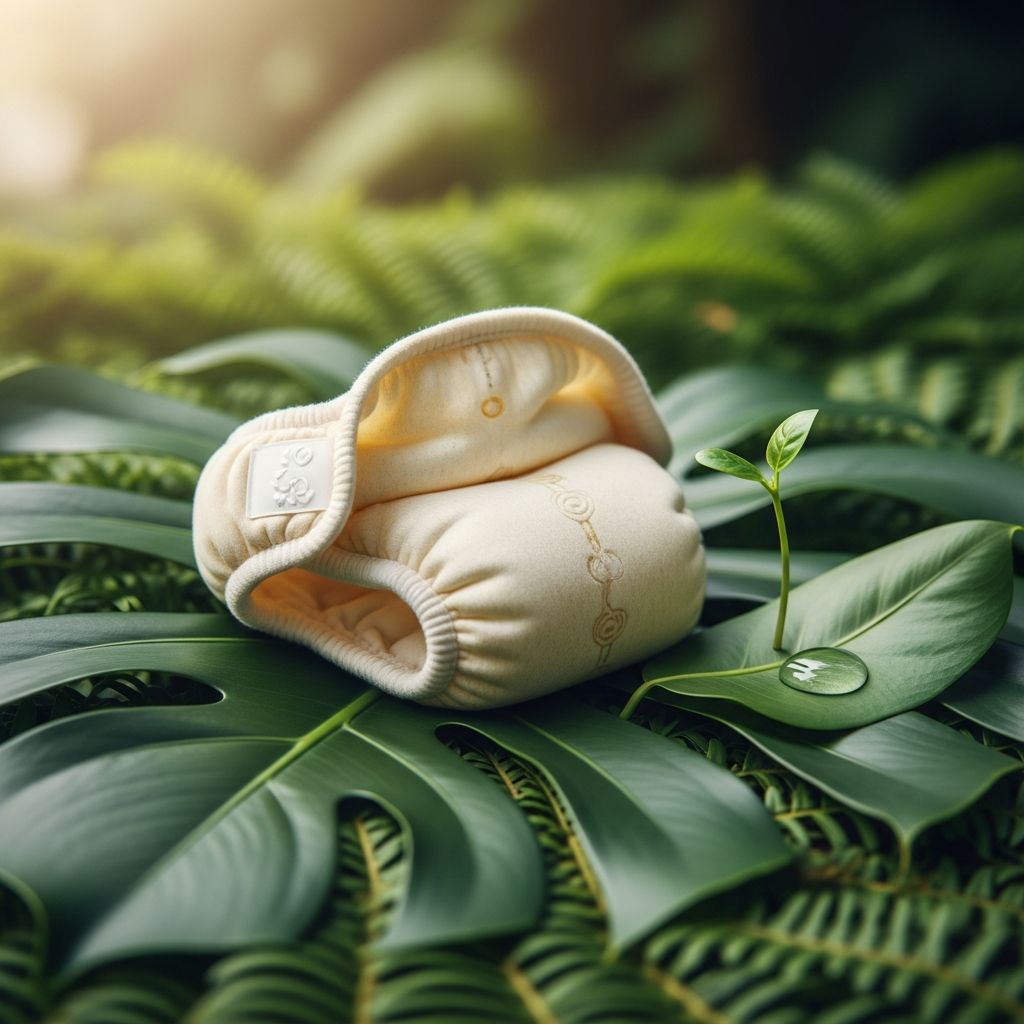
Parents today are juggling two huge priorities at once: keeping their baby comfortable and protecting the planet they will grow up in. Plant-based and eco-conscious diapers promise to do both, offering a softer experience for delicate skin and a smaller footprint on the environment compared to conventional disposables.
This guide walks through what plant-based diapers are, why they are different, and how to decide if they are the right option for your family.
From Cloth Squares to High-Tech Plant Fibers
Modern diapers are the result of decades of innovation. Understanding this evolution helps explain why many parents are now looking for something more sustainable.
- Traditional cloth diapers: Simple cotton squares fastened with pins and covered with wool or plastic pants.
- Conventional disposables: Introduced in the mid-20th century, they use plastic back sheets, synthetic liners, superabsorbent polymers, fragrances, and dyes for convenience and dryness.
- Eco-conscious options: Cloth systems with reusable covers, hybrid systems with disposable inserts, and more recently, high-performing plant-based disposable diapers.
Growing awareness of landfill waste, microplastics, and chemical exposure in baby products has pushed manufacturers to experiment with renewable, plant-derived materials and cleaner production processes.
What Makes a Diaper “Plant-Based”?
There is no single legal definition of a plant-based diaper, but most brands share some common features.
| Component | Conventional Materials | Typical Plant-Based Alternative |
|---|---|---|
| Top sheet (inner layer touching skin) | Petroleum-based polypropylene/polyethylene | Fibers derived from bamboo, corn, or certified wood pulp |
| Absorbent core | Wood pulp + synthetic superabsorbent polymers | Higher share of sustainably sourced pulp, sometimes combined with bio-based polymers |
| Back sheet (outer layer) | Non-biodegradable plastics | Films partly based on plant starches or compostable bioplastics |
| Extras | Fragrances, dyes, chlorine bleaching, lotions | Fragrance-free, chlorine-free, and minimal additives |
These substitutions aim to reduce fossil-fuel use, improve skin comfort, and increase how much of the diaper can break down under the right conditions.
Why Parents Are Moving Toward Plant-Based Diapers
Most caregivers who switch to plant-based diapers are motivated by a combination of three main concerns: baby health, environmental impact, and personal values.
1. Comfort and Skin Health
Newborn skin is thinner and more permeable than adult skin, which can make it more reactive to fragrances, dyes, and some processing chemicals used in conventional diapers.
- Fewer potential irritants: Many plant-based diapers are marketed as free from chlorine bleaching, added fragrances, and certain dyes, all of which can help reduce irritation for sensitive babies.
- Breathable fibers: Materials like bamboo and plant-derived nonwovens can enhance airflow, helping to keep the diaper area drier and possibly lowering the risk of diaper rash when combined with frequent changes and good hygiene.
- Soft feel: Modern plant-based fabrics can be very soft against the skin, improving comfort for babies prone to chafing.
While no diaper completely eliminates the possibility of rashes, choosing low-additive, breathable materials alongside frequent diaper changes is a practical strategy for many families.
2. Reducing Diaper Waste
Conventional disposable diapers are a significant part of household trash and can persist in landfills for centuries. Life-cycle estimates show that a single child can use thousands of disposable diapers before potty training, contributing substantially to community waste streams.
- Renewable inputs: Plant-based diapers rely more on renewable materials such as bamboo, sugarcane, or sustainably managed wood pulp rather than fossil-derived plastics.
- Potentially faster breakdown: Where municipal or industrial composting systems accept certified products, some components of plant-based diapers may degrade more quickly than conventional diapers, reducing long-term landfill load.
- Lower resource use in some cases: Life-cycle assessments of reusable textiles suggest that shifting away from fully disposable systems can reduce raw material use and overall solid waste, especially when diapers or covers are reused for multiple children.
It is important to note that claims like “biodegradable” or “compostable” usually apply only under controlled conditions, not in a typical household trash bag headed to landfill.
3. Aligning Diapering with Family Values
For many parents, choosing plant-based diapers is part of a broader effort to live in line with environmental or health-conscious values.
- Supporting companies that prioritize renewable inputs and transparent ingredient lists.
- Teaching older siblings about waste and sustainability through visible everyday choices.
- Experimenting with a mix of options—such as cloth at home and plant-based disposables on the go—to balance ideals with real life.
Plant-Based vs. Cloth vs. Conventional: Key Comparisons
No single diapering system is perfect. Each comes with trade-offs in cost, convenience, and environmental impact.
| Option | Main Advantages | Main Drawbacks |
|---|---|---|
| Conventional disposable | Very convenient; widely available; consistent performance | High landfill waste; mostly fossil-based materials; may contain fragrances and other additives |
| Plant-based disposable | More renewable materials; often fewer additives; good performance; less guilt about each change | Still largely single-use; can be more expensive; not always fully compostable in real-world systems |
| Cloth diapering systems | Substantially less solid waste; reusable for multiple children; potential long-term cost savings | Requires water/energy for washing; higher upfront cost; more planning and laundry logistics |
Research from government agencies and independent analyses indicates that reusable systems can dramatically reduce solid waste and raw material use when laundered efficiently and reused extensively. However, access to laundry, energy sources, and local waste management practices all influence which option is genuinely best in a given household.
How to Read Eco Claims on Diaper Packaging
Eco-themed language and images are everywhere in the baby aisle, making it challenging to separate meaningful information from marketing. Here are some practical filters to apply when evaluating plant-based diapers.
Look for Clear Material Breakdowns
- Check what percentage of the diaper is made from renewable materials (like bamboo or certified pulp) versus conventional plastics.
- Prefer products that disclose the composition of the top sheet, back sheet, and absorbent core.
- Seek mention of responsible forestry certifications for pulp where applicable.
Check for Additive Transparency
- Look for terms such as fragrance-free, lotion-free, and chlorine-free processing when trying to minimize potential irritants.
- Be cautious with vague phrases like “natural” or “hypoallergenic” if they are not backed by clear ingredient lists or standards.
Understand “Biodegradable” and “Compostable” Carefully
- Biodegradability typically refers to breakdown under specific conditions (such as industrial composting), not an open landfill.
- Check whether your local waste system actually accepts such products; many do not, which means used diapers still end up in general trash.
- Remember that even plant-based diapers must be disposed of safely; human waste management rules still apply.
Using Plant-Based Diapers Day-to-Day
Switching to plant-based diapers does not require an all-or-nothing commitment. Many families ease into it and adapt over time.
Start Small and Observe
- Begin with plant-based diapers during daytime when you can easily monitor fit and absorbency.
- Notice whether your baby’s skin seems calmer, drier, or less irritated with the new materials.
- Gradually test them overnight once you are confident about their performance.
Combine Systems to Fit Your Lifestyle
- Use cloth diapers at home where laundry access is easy, and plant-based disposables when traveling.
- Choose plant-based options for newborn stages (when changes are frequent and skin is extra delicate) and adjust later if needed.
- If cost is a concern, mix conventional and plant-based diapers strategically—for example, plant-based during daytime or when rashes are flaring.
Disposal Tips
- Always discard solid waste in the toilet where regulations and plumbing allow; this reduces pathogens in household trash.
- Follow local guidance on whether any portion of the diaper can enter green waste or compost streams; in many regions, used diapers must go to landfill-bound bins regardless of composition.
- Avoid flushing liners unless the product is specifically designed for it and your plumbing system can handle it.
Budgeting for Eco-Conscious Diapering
Plant-based diapers can cost more per change than mainstream brands. However, families often find ways to manage costs while still reducing their environmental impact.
- Use fewer extras: Switching to reusable cloth wipes and plain water or simple solutions can offset part of the higher diaper cost.
- Buy strategically: Watch for bulk discounts or subscription savings without over-purchasing sizes your baby will outgrow.
- Mix approaches: Even replacing one or two conventional diapers per day with plant-based or cloth alternatives reduces overall waste and chemical exposure over time.
Life-cycle analyses suggest that the biggest long-term cost savings come from reusing cloth diapers over multiple children, yet some families find plant-based disposables a more realistic everyday compromise.
Frequently Asked Questions (FAQs)
Are plant-based diapers completely biodegradable?
Not usually. Many plant-based diapers include both renewable fibers and synthetic components, such as elastics and superabsorbent polymers, that do not fully break down. Some brands offer higher levels of compostability, but these generally require industrial facilities and specific conditions to degrade effectively.
Do plant-based diapers work as well as regular disposables?
Many modern plant-based diapers offer absorbency and leak protection comparable to conventional options, especially for daytime use. Performance can vary by brand and baby, so it may take a little trial and error to find the right fit and absorbency level.
Are plant-based diapers better for every baby’s skin?
Babies with sensitive skin often do well in diapers that avoid fragrances, lotions, and certain dyes, which many plant-based options exclude. However, individual reactions still occur, so parents should watch for redness, rash, or discomfort after switching and consult a pediatrician if symptoms persist.
Which is more eco-friendly: cloth diapers or plant-based disposables?
Studies indicate that reusable systems can significantly reduce solid waste and raw material use over the diapering period, especially when washed efficiently and reused for multiple children. However, local water and energy sources, laundry access, and personal capacity all influence the actual environmental impact. Plant-based disposables are often a lower-waste, lower-chemical alternative for families who cannot or do not wish to commit to full-time cloth.
How many plant-based diapers will my baby use?
Usage patterns are similar to conventional disposables. Newborns may need 8–12 changes per day, tapering to fewer as they grow. Over the first two to three years, this typically adds up to several thousand diapers, which is why even partial shifts to plant-based or reusable options can make a meaningful difference in total waste.
References
- The Environment Agency Report: Life Cycle Assessment of Disposable and Reusable Nappies in the UK — UK Environment Agency. 2008-05-01. https://assets.publishing.service.gov.uk/media/6038d7e8d3bf7f0ab6a2a0bd/LIT_1204_9a3e51.pdf
- The Evolution of Diaper Technology: How Plant-Based Materials Revolutionize Baby Care — Ecoma. 2023-04-10. https://ecoma.me/blogs/news/the-evolution-of-diaper-technology-how-plant-based-materials-revolutionize-baby-care
- What Is the Advantage of Eco Friendly Diaper? — Winner Medical Co., Ltd. 2023-06-15. https://www.winnernonwovens.com/what-is-the-advantage-of-eco-friendly-diaper/
- The Environmental Advantages of Cloth Diapers — Nest and Sprout. 2023-08-21. https://nestandsprout.ca/blogs/cloth-diapers/environmental-benefits
- Unmasking Bamboo Diapers: Myths vs. Reality — PureBorn. 2022-11-03. https://www.pureborn.com/blogs/news/bamboo-diapers-myths-vs-reality