The Rising Popularity of Placenta Consumption in Modern Postpartum Care
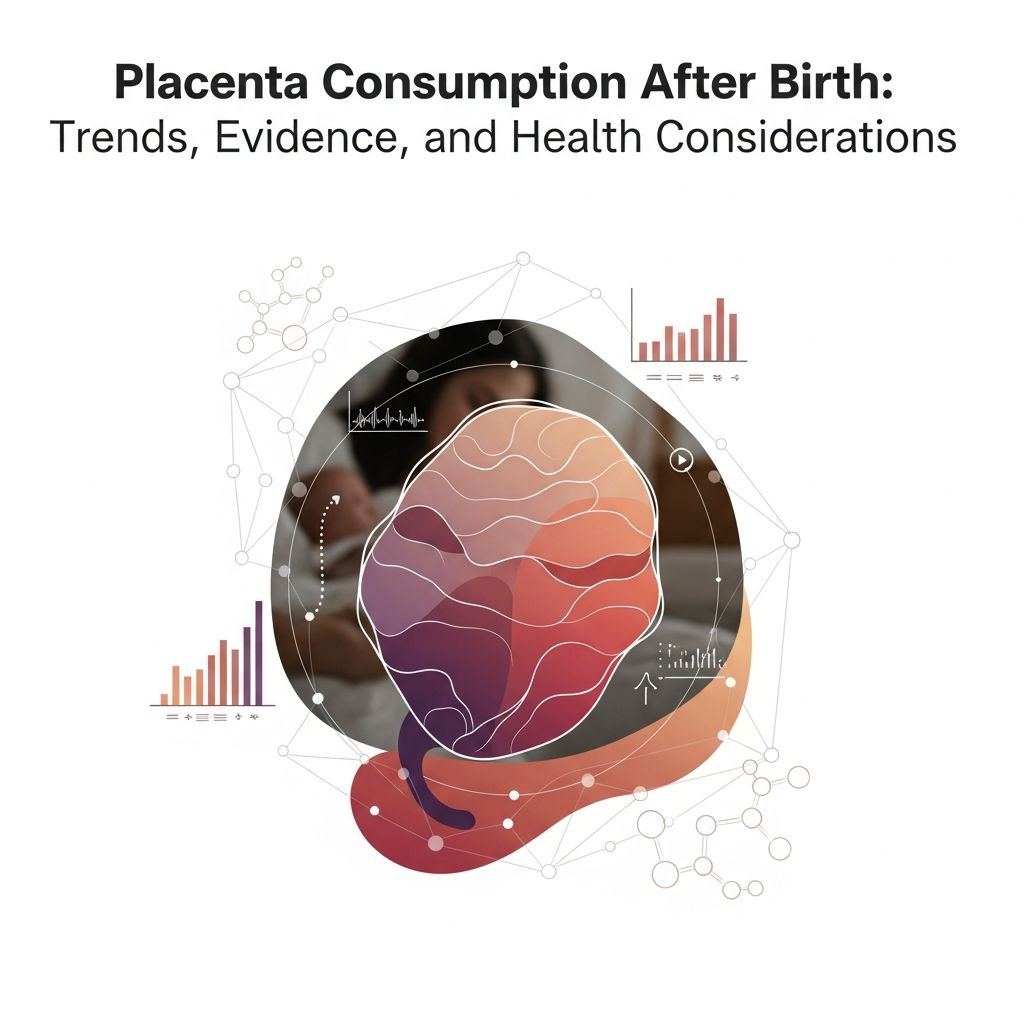
In recent years, consuming the placenta after birth has transitioned from a niche practice to a notable trend among new mothers, particularly in Western cultures. This shift toward placenta consumption reflects a broader movement toward alternative postpartum recovery methods and a desire to utilize every aspect of the birthing process. The practice involves transforming the placenta—an organ that develops during pregnancy and nourishes the fetus—into a consumable form, most commonly through encapsulation.
This phenomenon has gained considerable visibility through high-profile endorsements by celebrities and wellness influencers, making it increasingly mainstream in conversations about postpartum recovery. As more mothers explore this option, it becomes essential to understand what the practice entails, what scientific research reveals about its effectiveness, and what potential risks may accompany its adoption.
Understanding Placenta Encapsulation: The Process and Method
Placenta encapsulation is a specific process that transforms the nutrient-rich organ into pill form for maternal consumption. The procedure typically begins immediately after delivery, with trained practitioners collecting the freshly expelled placenta. The organ is then carefully cleaned and prepared for processing.
The encapsulation process involves several key steps:
- Dehydration of the placenta using controlled heat methods
- Grinding the dried tissue into a fine powder
- Filling vegetarian or gelatin capsules with the resulting powder
- Packaging the capsules with detailed instructions for maternal consumption
Beyond traditional capsule form, placentophagy—the broader term for placenta consumption—can encompass various preparation methods. Some mothers incorporate placenta powder into smoothies, while others opt for cooking and consuming the organ as meat. However, the encapsulation method remains the most popular approach due to its convenience and palatability.
The practice reflects an intentional choice to honor the placenta’s role in fetal development and birth, transforming an organ typically discarded after delivery into a product viewed as therapeutically valuable for postpartum recovery and maternal wellness.
Celebrity Influence and Mainstream Adoption
The visibility of placenta encapsulation has significantly increased through celebrity endorsements and public discussions by prominent figures. Notable entertainment personalities have openly shared their experiences with the practice, contributing to its normalization and increasing curiosity among expectant mothers.
These public figures have discussed the practice across various media platforms, from social media updates to podcast interviews, detailing their positive personal experiences and intentions behind the choice. The celebrity endorsement effect has been substantial, with many mothers viewing these testimonials as evidence of the practice’s value and safety.
This celebrity-driven visibility has transformed placenta encapsulation from a relatively unknown practice into a recognized option discussed in mainstream pregnancy and postpartum circles. The glamorization of the practice has contributed to its perception as a luxurious, health-conscious choice aligned with premium postpartum care.
Purported Benefits: What Advocates Claim
Proponents of placenta encapsulation promote various potential benefits associated with consuming placenta pills during the postpartum period. These claimed advantages primarily focus on recovery from pregnancy and childbirth.
The primary arguments supporting placenta consumption include:
- Hormonal rebalancing following dramatic hormonal shifts during pregnancy and birth
- Iron restoration to address potential postpartum anemia
- Enhanced emotional stability during the vulnerable postpartum adjustment period
- Prevention or reduction of postpartum depression symptoms
- Improved energy levels and general fatigue management
- Enhanced milk production for breastfeeding mothers
- Acceleration of uterine involution and faster physical recovery
Advocates argue that the placenta, having nourished the fetus throughout pregnancy, retains valuable nutrients and hormones beneficial for maternal recovery. The logic suggests that consuming these concentrated nutrients could accelerate healing and stabilize the significant physiological changes occurring after birth.
Scientific Evidence: What Research Actually Reveals
Despite widespread claims about placenta encapsulation’s benefits, the scientific evidence supporting these assertions remains remarkably limited. Comprehensive reviews of available research consistently demonstrate insufficient evidence to validate the practice’s effectiveness.
A significant review published in a peer-reviewed medical journal examining human placentophagy found no credible scientific evidence supporting clinical benefits from placenta consumption. The researchers noted that existing evidence relies entirely on anecdotal reports and self-reported experiences rather than rigorous clinical data.
The analysis revealed a critical finding: the nutrients and hormones present in the placenta do not remain in sufficient quantities after the encapsulation process to provide meaningful therapeutic value to postpartum mothers. This suggests that even if consuming placenta contained certain nutrients, the preparation methods substantially diminish their bioavailability.
A randomized, double-blind, placebo-controlled pilot study specifically examined placenta consumption’s effects on postpartum mood, mother-infant bonding, and fatigue levels. The research found no significant differences between mothers who consumed placenta pills and those who received placebo pills across these measures. This finding is particularly important because mood disturbances and fatigue represent primary claimed benefits of the practice.
Dr. Rebecca Dekker, founder of Evidence Based Birth, emphasizes the limitations of available evidence, noting that any perceived mood-boosting effects may simply reflect placebo effects rather than biological actions of placenta consumption. Without rigorous research demonstrating direct clinical benefits, claims about placenta encapsulation’s effectiveness remain unsupported by science.
Critical Safety Concerns and Health Risks
While evidence for benefits remains lacking, research has identified genuine health risks associated with placenta encapsulation that warrant serious consideration. The Centers for Disease Control and Prevention has issued specific warnings about the practice.
The primary safety concern involves infectious pathogen transmission. The encapsulation process does not reliably eliminate all harmful bacteria, viruses, or other infectious agents present in placental tissue. This creates potential for maternal infection and, more concerning, transmission to vulnerable newborns through breast milk or close contact.
A documented case illustrates this risk: a five-day-old infant was hospitalized with a serious bacterial infection (late-onset group B Streptococcus) contracted from the mother’s placenta capsules, despite the mother testing negative for the infection before delivery. Testing of the encapsulated placenta revealed positive results for the pathogen, confirming the capsules as the infection source.
Additional safety considerations include:
- Variable quality and safety standards across different placenta encapsulation services
- Potential contaminants from maternal blood, meconium, or vaginal flora on placental tissue
- Risk of contamination during collection, handling, or storage processes
- Lack of FDA oversight or standardized safety protocols for encapsulation practitioners
- Unknown interactions with maternal medications or conditions
- Potential allergic reactions to capsule materials or placental proteins
Postpartum Depression: Examining the Primary Health Claim
One of the most compelling claims regarding placenta encapsulation involves its potential to prevent or alleviate postpartum depression, a serious condition affecting many new mothers. However, this claim deserves particular scrutiny given postpartum depression’s significance to maternal health.
Scientific evidence does not support placenta consumption as an effective intervention for postpartum depression. Current research cannot establish any proven effect on mood disorders, and any perceived benefits remain unexplained by available evidence. Experts emphasize that without credible data supporting placenta encapsulation for mood conditions, relying on this practice as a preventive or therapeutic measure for postpartum depression could delay evidence-based interventions.
Mothers at risk for postpartum depression benefit far more from proven strategies including professional mental health support, adequate sleep, social connection, and, when appropriate, evidence-based medical treatment. While seeking alternative wellness approaches is understandable, substituting unproven methods for established depression treatment carries genuine risks to maternal mental health.
The Gap Between Perception and Evidence
A significant disconnect exists between the popularity and perceived benefits of placenta encapsulation and the scientific evidence regarding its actual effectiveness. This gap reflects broader patterns in health decision-making where personal testimonials and celebrity endorsements can shape beliefs independently of rigorous scientific validation.
The power of anecdotal evidence should not be underestimated. When prominent figures publicly attribute positive postpartum experiences to placenta consumption, these narratives become compelling for expectant mothers seeking pathways to optimal recovery. Personal stories provide emotional resonance that statistical studies cannot match, even when the studies demonstrate absence of specific effects.
Additionally, postpartum recovery inherently involves time. Many benefits that mothers attribute to placenta encapsulation—improved mood, increased energy, faster healing—naturally improve over weeks regardless of interventions. This temporal coincidence can create false impressions of causation, where the passage of time rather than placenta consumption drives the observed improvements.
Alternative Approaches to Honoring the Placenta
For mothers drawn to the symbolic significance of placenta-based postpartum practices, numerous alternatives exist that respect the organ’s role without consumption-related risks.
Meaningful alternatives include:
- Placenta printing using the organ’s vessels to create artistic prints
- Placenta burial ceremonies acknowledging its role in bringing new life
- Donation of placental tissue for medical research or therapeutic development
- Preservation of placental stem cells for potential future medical applications
- Creating placenta-derived family heirlooms or keepsakes
- Planting a tree with placental burial as a living memorial
These approaches allow mothers to honor the placenta’s significance while avoiding potential health risks. They provide meaningful rituals and lasting connections to the birthing experience without requiring consumption of encapsulated tissue.
Informed Decision-Making for Postpartum Wellness
For mothers considering placenta encapsulation, approaching the decision with full information about both limited evidence and identified risks represents responsible health decision-making. Medical professionals generally recommend evidence-based approaches to postpartum recovery rather than unproven interventions.
If mothers choose to pursue placenta encapsulation despite limited evidence, several precautions can minimize potential risks:
- Consult with healthcare providers before beginning placenta consumption
- Select practitioners with demonstrated training and quality control standards
- Ensure proper infection prevention protocols during collection and processing
- Monitor for any signs of infection in both mother and infant
- Inform pediatricians about placenta consumption for newborn monitoring purposes
- Avoid consumption if maternal infections are present or suspected
Ultimately, postpartum recovery benefits most from established interventions including adequate nutrition, sufficient sleep, physical activity as tolerated, emotional support, and professional medical care when complications arise. Combining these evidence-based approaches with symbolic practices honoring the birthing experience provides comprehensive postpartum support.
Frequently Asked Questions
Q: How many capsules does placenta encapsulation typically produce?
A: The number of capsules varies based on placenta size and moisture content. Most placentas yield between 100 and 200 capsules, with recommended dosing typically ranging from one to three capsules daily during the postpartum period.
Q: Is placenta encapsulation safe for all postpartum mothers?
A: No. Mothers with certain infections, blood-borne pathogens, or specific medical conditions should avoid placenta consumption. It carries increased risks for mothers with GBS infection or other potentially transmissible conditions, and carries documented risks for newborns.
Q: Does the encapsulation process eliminate all infectious pathogens?
A: No. Research and CDC guidance confirm that standard encapsulation methods do not reliably eradicate all infectious pathogens present in placental tissue, creating potential transmission risks.
Q: How long should mothers consume placenta capsules postpartum?
A: Practitioners typically recommend consumption for 4 to 6 weeks postpartum, though some mothers extend use longer. No scientific evidence supports specific duration recommendations.
Q: Can placenta encapsulation improve breastmilk production?
A: This claim remains unsupported by research evidence. No credible studies demonstrate that placenta consumption affects milk production or supply.
Q: What should mothers do if they experience adverse effects from placenta pills?
A: Mothers should immediately discontinue consumption and contact their healthcare provider. Any symptoms of infection, unusual mood changes, or physical reactions warrant prompt medical evaluation.
References
- Human placentophagy: a review — Farr A, Chervenak FA, McCullough LB, Baergen RN, Grünebaum A. American Journal of Obstetrics & Gynecology. 2018-04. https://doi.org/10.1016/j.ajog.2017.08.016
- Placentophagy’s effects on mood, bonding, and fatigue: A pilot trial, part 2 — Young SM, Gryder LK, Cross C, Zava D, Kimball DW, Benyshek DC. Effects of Human Maternal Placentophagy on Maternal Postpartum Iron Status: A Randomized, Double-Blind, Placebo-Controlled Pilot Study. 2016. https://pubmed.ncbi.nlm.nih.gov/
- CDC Guidance on Placenta Encapsulation and Infectious Disease Risk — Centers for Disease Control and Prevention. U.S. Department of Health and Human Services. 2024. https://www.cdc.gov/