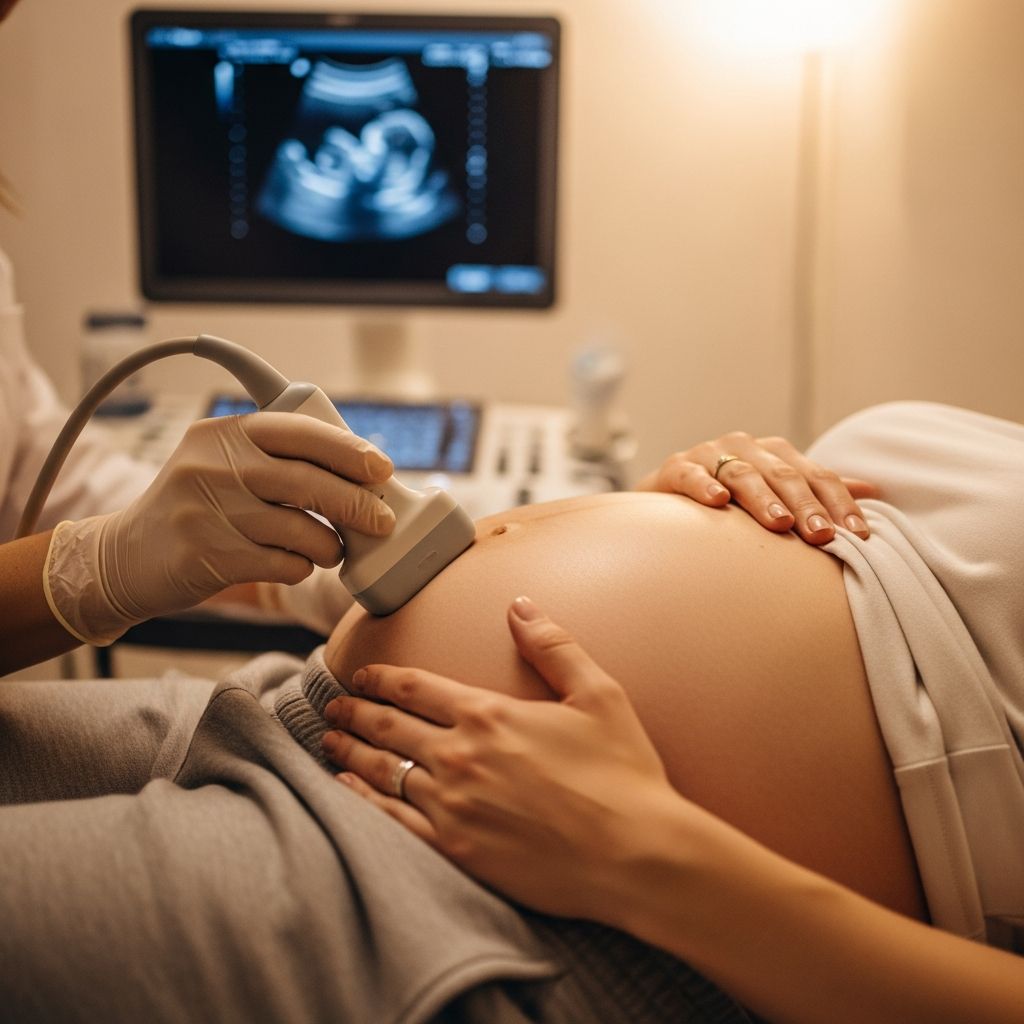
Placenta accreta represents a profound challenge in pregnancy, where the placenta embeds abnormally deep into the uterine wall, potentially leading to severe complications during delivery. This condition, though rare, demands swift medical intervention and emotional fortitude from affected families. Drawing from diverse personal experiences, this article delves into the realities of living with placenta accreta, from initial suspicions to postpartum recovery, offering hope and awareness to those who may face it.
Understanding the Spectrum of Placenta Accreta
The placenta, vital for nourishing the fetus, typically detaches cleanly after birth. In accreta cases, it adheres too firmly, risking massive hemorrhage. There are three main types: accreta, where attachment reaches the uterine muscle; increta, penetrating deeper into the muscle; and percreta, the most severe, invading through the uterus into nearby organs like the bladder.
Risk factors include prior cesarean sections, which create uterine scarring that the placenta may latch onto abnormally. Women with multiple C-sections face elevated odds, sometimes up to 4%. Other contributors are uterine surgeries, advanced maternal age, or placenta previa, where the placenta covers the cervix. Early detection via ultrasound around 20 weeks is crucial, often confirmed by MRI.
| Type | Description | Severity Level | Common Risks |
|---|---|---|---|
| Accreta | Attaches to uterine lining | Mild | Moderate bleeding |
| Increta | Invades uterine muscle | Moderate | Increased hemorrhage risk |
| Percreta | Penetrates through uterus | Severe | Organ involvement, high maternal mortality |
According to medical experts, maternal mortality can reach 7% in accreta cases, higher in advanced forms, underscoring the need for specialized care.
Moment of Discovery: When Ultrasounds Change Everything
For many, the journey begins at routine anatomy scans. Becca, a mother of five, learned at 20 weeks her placenta wasn’t just previa but accreta, tied to prior C-sections and VBACs. Similarly, Alisha’s 19-week ultrasound flagged concerns, confirmed as percreta at 30 weeks, affecting her bladder.
Maggie Sharma’s excitement for her second child soured at her 20-week scan, revealing accreta after initial placenta previa suspicions. These stories highlight a common thread: initial dismissal as routine issues escalating to high-risk alerts. Bed rest often follows, with warnings of sudden bleeding.
- Ultrasound at 18-24 weeks often first detects irregularities.
- MRI provides detailed invasion assessment.
- Immediate referral to maternal-fetal medicine specialists.
Navigating High-Risk Pregnancies: Preparation and Anxiety
Diagnosis brings a whirlwind of fear. Alisha endured bed rest from 19 weeks, haunted by hemorrhage risks. Olivia, admitted at 30 weeks, faced life-threatening hemorrhage fears for both herself and baby. Julie Merritt, diagnosed at 32 weeks post-C-section scarring, grappled with hysterectomy inevitability despite her NICU background.
Travel for care is common; one mother journeyed from New York to Houston for expertise. Emotional tolls include sleepless nights and family strain, yet support systems prove vital.
The Delivery: A Symphony of Specialized Teams
Births are meticulously planned, often cesarean at 34-36 weeks to preempt labor. Multidisciplinary teams—ob-gyns, oncologists, anesthesiologists, neonatologists—assemble. Alisha’s emergency C-section involved 20 specialists; her 3-pound-6-ounce daughter Annabelle went to NICU as surgeons removed uterus, tubes, and bladder portion amid hemorrhage requiring four blood units.
Bianca Chavarria credited University Health’s team for her and son’s survival, with blood support ready. Hysterectomy follows in most cases to control bleeding, ending fertility but saving lives.
Immediate Aftermath: NICU, Recovery, and Blood Transfusions
Premature babies like Annabelle face NICU battles. Mothers recover from major surgery, often ICU-bound. Becca delivered at 36 weeks via C-section, managing previa-accreta combo. Post-op, pain, hormonal shifts, and infertility grief emerge, compounded by newborn separation.
Blood transfusions are lifesavers; Alisha needed four units. Centers prepare reserves proactively.
Emotional and Familial Impact: Fathers, Siblings, and Healing
Partners shoulder burdens; one father’s story details supporting amid percreta crisis. Siblings adapt to changes. Rohelia Letscher leaned on family laughter for percreta delivery. Kate McMeekin, a nurse overwhelmed by info, shifted mindset via advice, fostering positivity.
UK mum celebrated small wins in recovery. Counseling aids processing trauma.
Advances in Care: Centers of Excellence and Research
Specialized centers like Texas Children’s, Memorial Hermann, and Baystate improve outcomes via protocols. Multidisciplinary approaches reduce mortality. Incidence rises with C-section rates, affecting 1 in 2,500 pregnancies. Research pushes conservative managements, though hysterectomy dominates.
Prevention Strategies and Future Pregnancies
Minimize C-sections when possible; vaginal births post-cesarean reduce risks. No clear prevention exists, but awareness prompts early scans. Post-hysterectomy, adoption or surrogacy options arise.
Frequently Asked Questions (FAQs)
What causes placenta accreta?
Primarily uterine scarring from prior C-sections or surgeries, leading to abnormal placental attachment.
How is placenta accreta diagnosed?
Through ultrasound at 20 weeks, confirmed by MRI if needed.
Is hysterectomy always required?
In most severe cases yes, to prevent fatal bleeding, though some conservative treatments are explored.
What are the survival rates?
With expert care, outcomes improve; maternal death risk is 7% but lower in specialized settings.
Can babies be healthy after accreta delivery?
Yes, though often premature, many thrive post-NICU, as in numerous survivor stories.
Empowerment Through Knowledge: Advice for At-Risk Mothers
Seek high-risk specialists early. Build support networks. Prepare emotionally for possibilities. Stories like Julie’s—laughing and crying through decisions—show resilience wins. Celebrate survival and new bonds.
These narratives underscore medical progress and human spirit. Placenta accreta tests limits but specialized care turns nightmares to triumphs.
References
- A Mother’s Worst Nightmare: Alisha’s Experience with Placenta Accreta — Stanford Blood Center. Accessed 2026. https://stanfordbloodcenter.org/a-mothers-worst-nightmare-alishas-experience-with-placenta-accreta/
- From New York to Houston: My Placenta Accreta Story — Texas Children’s Hospital. Accessed 2026. https://www.texaschildrens.org/content/wellness/from-new-york-houston-my-placenta-accreta-story
- Maggie’s Story: Seeking Out Highly Specialized Care for Placenta Accreta — Memorial Hermann. Accessed 2026. https://memorialhermann.org/patients-visitors/patient-stories/maggie-story
- Olivia’s Story — Birth Trauma Association. Accessed 2026. https://www.birthtraumaassociation.org/birth-stories/blog-post-title-one-l7kgj-9ybb8-77gat
- Placenta Accreta — HCA HealthONE. Accessed 2026. https://www.healthonecares.com/about-us/patient-stories/placenta-accreta
- Life-Saving Decision After Scary Placenta Accreta Diagnosis — Baystate Health. Accessed 2026. https://www.baystatehealth.org/patient-stories/womens-health/julie-merritt