Understanding Pityriasis Versicolor: A Common Fungal Skin Condition
Pityriasis versicolor, also known as tinea versicolor, is a prevalent fungal infection that affects the outer layer of the skin. This condition develops when a naturally occurring yeast-like fungus called Malassezia grows excessively on the skin’s surface. While it is a benign condition that poses no serious health risks, it can cause cosmetic concerns due to the distinctive appearance of affected skin areas. Understanding the nature of this fungal overgrowth helps parents and individuals recognize symptoms early and seek appropriate treatment.
The condition is particularly common in warm, humid climates and tends to develop more frequently during summer months when perspiration increases. The fungus disrupts the skin’s normal pigmentation process, resulting in patches that stand out noticeably against surrounding healthy skin. Unlike many other skin infections, pityriasis versicolor is not contagious and cannot spread from person to person through contact.
Recognizing the Visual Characteristics and Symptoms
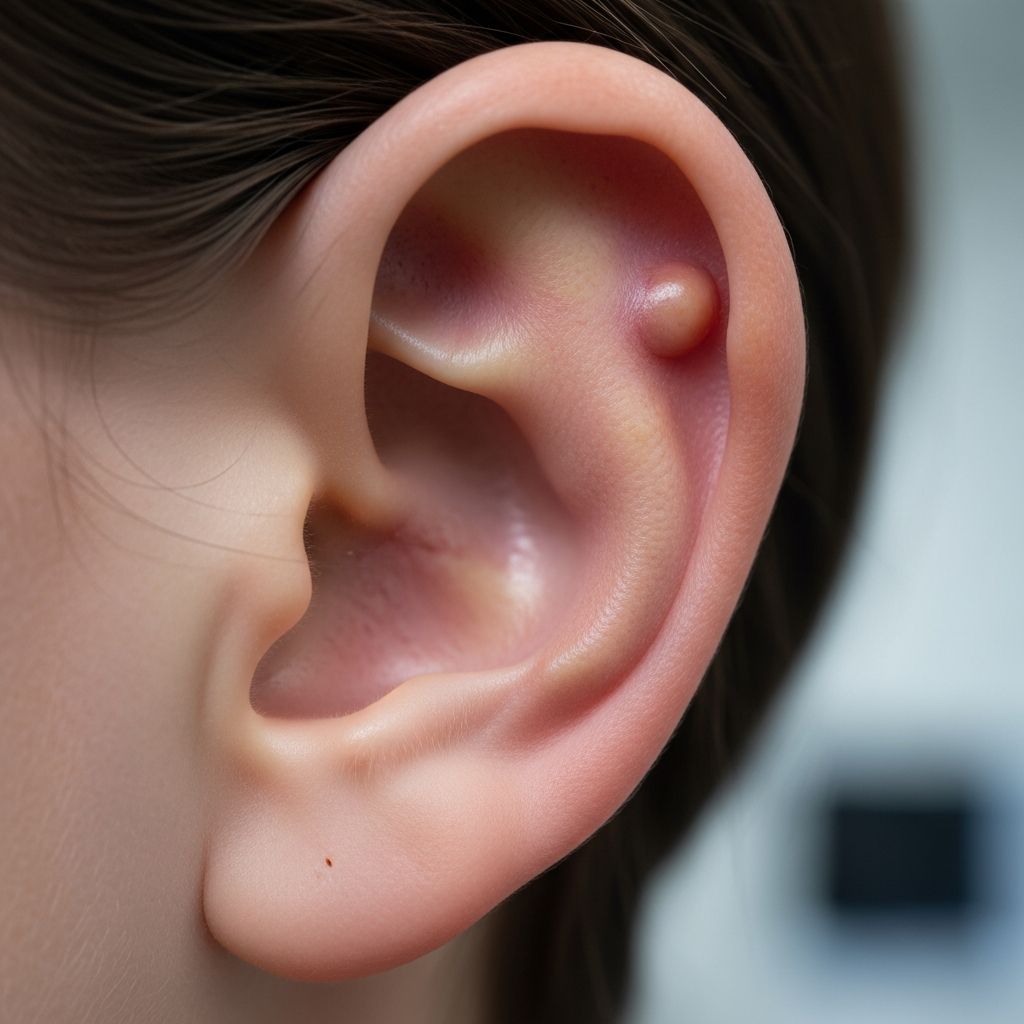
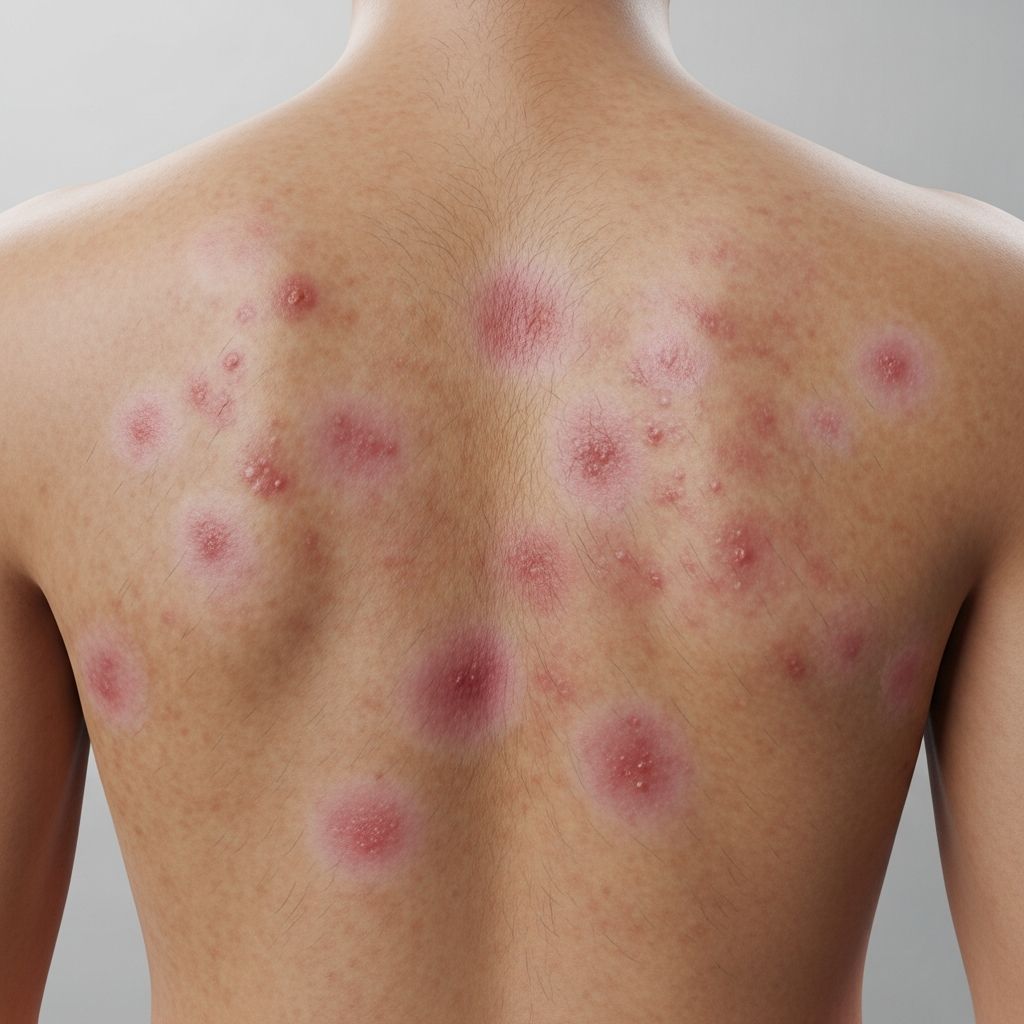
The appearance of pityriasis versicolor varies depending on an individual’s skin tone and the severity of the infection. The most distinctive feature is the development of discolored patches on the skin that differ significantly from the surrounding area. These patches can present in multiple color variations, making diagnosis based on appearance relatively straightforward for healthcare professionals.
Color and Appearance Variations
- White or pale patches, particularly common on darker skin tones
- Pink or salmon-colored patches on lighter skin
- Light brown or tan patches that blend with natural skin pigmentation
- Patches may appear slightly scaly or dry to the touch
- Patches often have well-defined borders separating them from healthy skin
Location Patterns
Pityriasis versicolor typically appears in specific areas of the body, with a strong preference for areas prone to moisture accumulation and heat retention. The condition most commonly develops on the neck, upper back, chest, and shoulders. Some individuals may experience patches on the upper arms, torso, or even the face, though these locations are less common. The fungus thrives in areas where skin remains warm and tends to retain moisture from perspiration.
Seasonal Visibility
An interesting characteristic of pityriasis versicolor is its increased visibility during summer months. While the infection itself does not worsen necessarily, the patches become more noticeable because the surrounding healthy skin darkens through sun exposure and tanning, while the affected areas do not. This contrast makes the condition more apparent during warm seasons, even though the underlying fungal infection persists year-round.
Associated Sensations
Most individuals with pityriasis versicolor experience minimal physical discomfort. However, some people report mild itching, especially during periods of heat or increased sweating. The condition rarely causes pain or significant discomfort, making it primarily a cosmetic concern rather than a painful dermatological issue. When itching does occur, it typically worsens with heat, humidity, or physical activity that promotes perspiration.
Understanding the Underlying Causes and Risk Factors
The development of pityriasis versicolor depends on multiple factors that create an environment favorable for Malassezia fungal overgrowth. While everyone naturally carries this fungus on their skin, only certain conditions trigger excessive multiplication and the resulting visible patches.
Environmental and Climate Factors
Heat and humidity represent primary triggers for pityriasis versicolor development. Tropical and subtropical climates show significantly higher prevalence rates of the condition. During hot weather, increased perspiration creates a moist environment on the skin’s surface that promotes fungal proliferation. Individuals who exercise regularly or engage in activities that promote sweating face elevated risk, as do those living in naturally warm, humid regions.
Skin Type Considerations
Oily skin provides an ideal environment for Malassezia fungus to thrive. The fungus feeds on sebum (natural skin oils), and individuals with naturally oily skin types experience higher infection rates. This explains why the condition often develops during puberty and early adulthood when sebaceous gland activity peaks.
Immune System Status
A weakened or compromised immune system increases susceptibility to pityriasis versicolor. Individuals with HIV/AIDS, those receiving immunosuppressive medications, or people undergoing cancer treatment face elevated risk. Additionally, prolonged corticosteroid use can suppress immune function sufficiently to permit fungal overgrowth.
Hormonal Influences
Hormonal changes during puberty and certain stages of reproductive life can increase risk through effects on sebum production and immune regulation. Young adults and middle-aged individuals show higher prevalence rates than children or elderly populations, suggesting age-related hormonal factors play a role in disease susceptibility.
Diagnostic Approaches and Confirmation Methods
Healthcare providers typically diagnose pityriasis versicolor based on clinical presentation and visual examination. The characteristic appearance of the patches usually provides sufficient evidence for diagnosis without additional testing. However, confirmatory tests may be performed when the appearance is atypical or when differentiation from other skin conditions is necessary.
A potassium hydroxide (KOH) preparation test can reveal the distinctive fungal elements under microscopic examination. This test involves scraping affected skin, treating it with potassium hydroxide solution, and examining the specimen under a microscope. The characteristic “spaghetti and meatballs” appearance—short, stubby fungal hyphae intermixed with round spore clusters—confirms the diagnosis when observed.
In many cases, visual examination alone suffices for diagnosis, particularly when the patches display typical characteristics and appear in expected locations. This expedites treatment initiation without requiring laboratory confirmation.
Treatment Strategies and Medication Options
Pityriasis versicolor responds well to antifungal therapy, with multiple treatment approaches available depending on the extent of infection, recurrence patterns, and individual tolerance.
Topical Antifungal Treatments
Topical antifungal medications represent the first-line treatment approach for pityriasis versicolor. These products offer several advantages including superior safety profiles, minimal side effects, fewer drug interactions, and lower costs compared to oral medications. Most patients achieve excellent treatment response using topical therapies alone.
- Antifungal Shampoos: Ketoconazole and other medicated shampoos effectively treat pityriasis versicolor when applied to affected skin areas. Application involves massaging the shampoo onto affected skin and allowing it to remain for several minutes before thorough rinsing. Daily use for 2-4 weeks typically yields positive results, with cure rates reaching 70-80% within this timeframe.
- Antifungal Creams and Lotions: Topical creams provide an alternative or supplementary treatment option. Products containing miconazole or clotrimazole are available without prescription and show effectiveness when applied twice daily for 7-10 days. Butenafine and bifonazole represent additional options with demonstrated efficacy.
- Concentrations and Duration: Higher concentrations of active ingredients and longer treatment duration increase cure rates. Studies demonstrate that cure rates improve significantly when treatment extends beyond two weeks.
Oral Antifungal Medications
Oral antifungal agents are reserved for specific situations including extensive disease covering large body areas, frequent recurrences, or cases resistant to topical therapy. Common oral medications include itraconazole and fluconazole, which offer advantages including increased patient compliance, shorter treatment duration, and reduced recurrence rates. However, oral medications carry greater risks of adverse effects and potential drug interactions, making them secondary choices when topical treatments suffice.
Emerging Treatment Technologies
Limited research suggests that laser and photodynamic therapies may benefit certain patients. These approaches include 308-nanometer excimer laser treatment, narrow-band ultraviolet-B phototherapy, and specialized photodynamic therapy using 5-aminolevulinic acid. However, additional large-scale studies are needed to establish their efficacy and appropriate patient selection criteria.
Managing Treatment Duration and Recovery Expectations
Understanding realistic timelines for treatment response and skin color restoration helps manage patient expectations and improve treatment adherence.
Timeline for Visible Improvement
Treatment duration typically ranges from several days to four weeks, depending on medication choice and infection severity. Most patients experience mycological cure (fungal eradication) relatively quickly, though visible clinical improvement may lag behind microbiological resolution. Patience is essential as the skin’s normal pigmentation gradually returns through natural processes.
Color Restoration Process
A critical point for patient education involves understanding that skin color restoration occurs gradually after fungal eradication. Complete return to normal pigmentation may require several weeks to several months following successful treatment. The skin must gradually reestablish normal melanin production and pigment distribution in previously affected areas. This delayed pigmentation recovery can be frustrating for patients expecting immediate cosmetic improvement after treatment completion.
Preventing Recurrence and Long-Term Management
Pityriasis versicolor frequently recurs after successful treatment, with some individuals experiencing multiple episodes throughout their lives. Implementing preventive strategies can reduce recurrence risk and frequency.
Maintenance Therapy Approaches
For individuals experiencing frequent recurrences, periodic maintenance therapy using antifungal shampoos can prevent reinfection. Monthly application of medicated shampoo or even less frequent use demonstrates effectiveness in reducing recurrence rates. Some patients benefit from using antifungal shampoo every few weeks, essentially maintaining fungal suppression rather than waiting for clinically evident reinfection.
Lifestyle Modifications
- Minimize excessive heat exposure and situations promoting prolonged perspiration
- Maintain good skin hygiene with regular bathing and thorough drying, particularly after exercise or heat exposure
- Wear moisture-wicking clothing during warm weather or exercise
- Avoid heavy occlusive moisturizers that trap moisture on the skin surface
- Maintain lower indoor temperatures and humidity levels when possible
- Manage underlying oily skin conditions through appropriate cleansing routines
Environmental Considerations
Individuals living in warm, humid climates or those planning travel to such regions should maintain preventive antifungal measures during high-risk periods. Starting preventive treatment before extended stays in tropical climates may reduce recurrence risk.
Treatment Effectiveness and Success Rates
| Treatment Type | Clinical Cure Rate | Treatment Duration | Primary Advantage |
|---|---|---|---|
| Ketoconazole Shampoo | 60-70% | 4 weeks | Cost-effective, accessible |
| Topical Azoles (various) | 80-90% | 1-2 weeks | Good safety profile |
| Oral Itraconazole | 85-95% | 1-2 weeks | Rapid systemic action |
| Maintenance Therapy | Variable | Monthly ongoing | Recurrence prevention |
Special Considerations for Pediatric Patients
While pityriasis versicolor can develop in children, it occurs more frequently in adolescents and young adults due to increased sebaceous gland activity during puberty. When diagnosed in children, treatment approaches remain similar to adult protocols, though healthcare providers may exercise greater caution with medication selection. Parents should ensure proper application of topical medications and monitor for any adverse reactions, though serious side effects are uncommon with antifungal treatments approved for pediatric use.
When to Seek Professional Medical Evaluation
While many cases of pityriasis versicolor can be managed with over-the-counter treatments, medical consultation becomes necessary under certain circumstances. Healthcare professionals should evaluate cases where skin patches do not improve after initial self-treatment, when the fungal infection returns repeatedly, when patches cover extensive body areas, or when the appearance of affected skin creates significant cosmetic concerns. Additionally, individuals with immune system compromises or those taking medications affecting immune function should seek professional guidance rather than relying solely on self-treatment.
Frequently Asked Questions About Pityriasis Versicolor
Is pityriasis versicolor contagious or transmitted between people?
No, pityriasis versicolor is not contagious. The fungus responsible for the condition naturally occurs on everyone’s skin, so direct contact with an infected person cannot transmit the disease. Infection develops when an individual’s unique combination of factors promotes excessive fungal overgrowth.
Can pityriasis versicolor cause serious health complications?
Pityriasis versicolor is a benign skin condition that does not cause serious health consequences. It is primarily a cosmetic concern rather than a medically dangerous infection. However, the persistent nature of the condition and frequent recurrences can impact psychological well-being and self-confidence in some individuals.
How long does it take for normal skin color to return after treatment?
Skin color restoration varies significantly among individuals but typically requires several weeks to several months following successful fungal treatment. The duration depends on the extent of previous discoloration and individual healing rates. Complete normalization of pigmentation should not be expected immediately after treatment completion.
Can pityriasis versicolor be permanently cured?
While treatment can eliminate the active fungal infection, permanent cure is not guaranteed due to the fungus’s natural presence on human skin. Many individuals experience recurrence, particularly in warm, humid conditions. Long-term maintenance therapy or lifestyle modifications can significantly reduce recurrence frequency and severity.
Are there natural or home remedies effective for treating pityriasis versicolor?
While some alternative therapies are used in various cultures, medical evidence strongly supports antifungal medications as the most effective treatment approach. Home remedies lack scientific validation for treating pityriasis versicolor, and individuals should consult healthcare providers before attempting self-treatment with unproven remedies, particularly if symptoms persist.
Summary and Key Takeaways
Pityriasis versicolor represents a common, benign fungal skin condition characterized by discolored patches resulting from Malassezia fungal overgrowth. While not contagious or medically dangerous, the cosmetic impact can affect self-confidence. Multiple effective treatment options exist, with topical antifungal medications serving as first-line therapy due to their safety, efficacy, and accessibility. Success requires understanding that skin color restoration takes time and that recurrence is common. Preventive strategies and maintenance therapy can reduce recurrence frequency for susceptible individuals. Professional medical consultation ensures appropriate diagnosis and personalized treatment planning, particularly for extensive infections or frequent recurrences.
References
- Pityriasis versicolor — NHS. 2024. https://www.nhs.uk/conditions/pityriasis-versicolor/
- Tinea versicolor: an updated review — PubMed Central/National Institutes of Health. 2022. https://pmc.ncbi.nlm.nih.gov/articles/PMC9677953/
- Tinea Versicolor (Pityriasis Versicolor) — UMass Memorial Health. 2024. https://www.ummhealth.org/health-library/tinea-versicolor-pityriasis-versicolor
- Tinea versicolor – Symptoms & causes — Mayo Clinic. 2024. https://www.mayoclinic.org/diseases-conditions/tinea-versicolor/symptoms-causes/syc-20378385