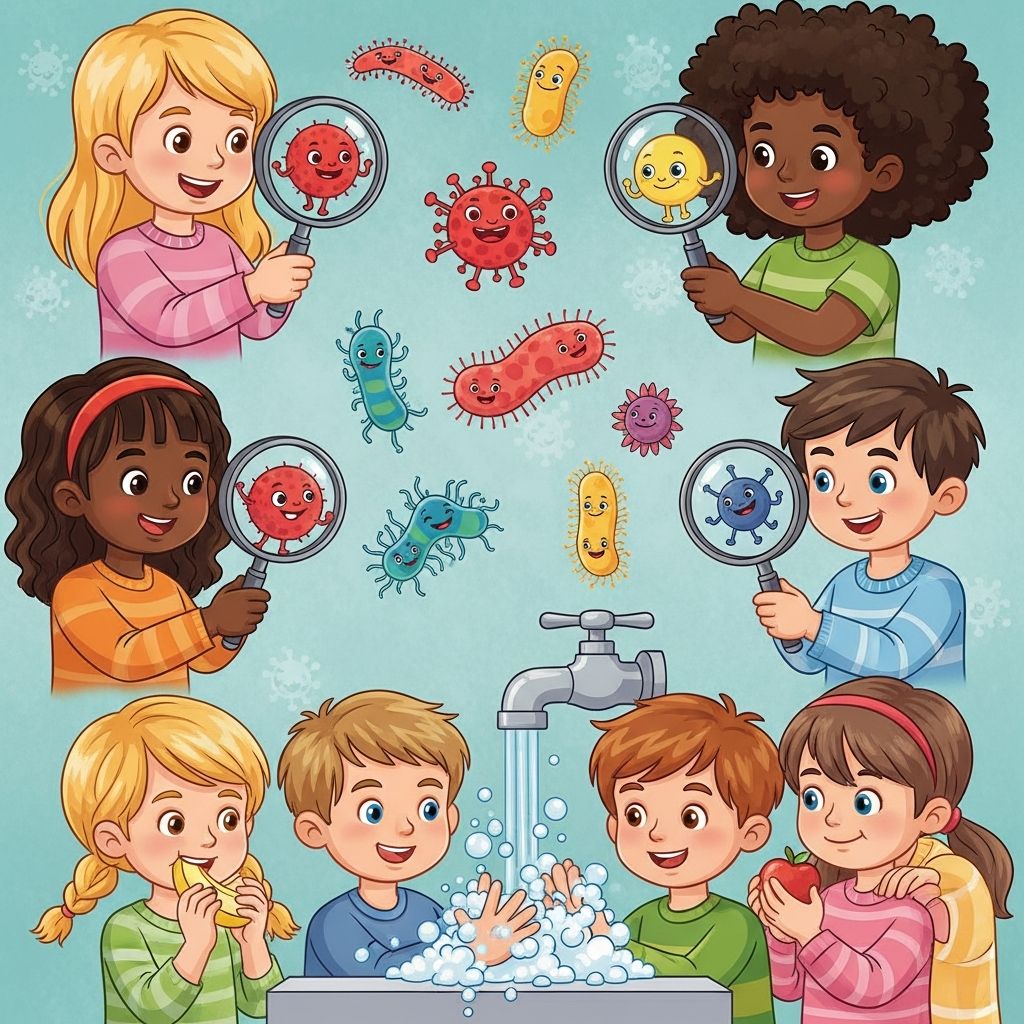
Pinworms are one of the most common intestinal infections in children, and although they sound alarming, they are usually easy to treat and rarely dangerous. Understanding how pinworms live, spread, and respond to treatment helps parents manage the situation calmly and protect the whole family.
What Exactly Are Pinworms?
Pinworms, also known as threadworms, are tiny white worms that live in the lower intestine and rectum. They are human parasites, meaning they need a person’s body to complete their life cycle, but they do not invade deeper tissues or organs.
The adult worms are very small and look like short pieces of white thread. The females come out to lay eggs around the anus, usually at night, which is what causes the intense itching many children experience.
How Pinworms Spread in Everyday Life
Pinworms spread through swallowing their microscopic eggs, which are too small to see with the naked eye. These eggs can easily move from a child’s hands to their mouth and from surfaces to other family members.
Because children often play closely with one another and may forget to wash their hands, pinworms commonly spread in households, schools, and childcare settings. Good hygiene greatly reduces the chance of both infection and reinfection.
Common Ways Children Get Pinworms
- Touching itchy skin near the anus and then putting fingers in the mouth.
- Sharing toys, bedding, or towels that have pinworm eggs on them.
- Eating food or snacks with unwashed hands.
- Touching doorknobs, bathroom surfaces, or desks that carry eggs, then touching the face.
Recognizing Symptoms: When to Be Suspicious
Some children with pinworms have no symptoms at all, while others have very clear complaints. Symptoms are often worse at night, when female worms lay eggs around the anus.
Typical Signs in Children
- Intense itching around the anus, especially at night or in the early morning.
- Trouble falling asleep or staying asleep due to discomfort.
- Restlessness, irritability, or increased crankiness without another clear cause.
- Scratches or redness around the anus from frequent itching.
Less Common But Possible Symptoms
- Mild stomach pain or vague tummy discomfort.
- Occasional nausea or decreased appetite.
- In girls, itching or irritation around the vaginal area.
- Rarely, bedwetting or more frequent nighttime urination if the area is irritated.
How Parents Can Check for Pinworms
Because pinworms are small but visible, they can sometimes be seen without special equipment. However, they are easiest to spot at specific times and with the right technique.
If you are unsure, always discuss your concerns with a healthcare provider instead of trying to diagnose solely at home.
Simple Observation at Home
- Look around the anus about 2–3 hours after your child falls asleep, when worms are more likely to be active.
- Use a small flashlight to check gently without waking your child too much.
- Adult worms look like thin, white threads, often moving slowly.
- Sometimes, worms may be seen on toilet paper, in the toilet bowl, or on underwear in the morning.
The Tape Test (Often Advised by Doctors)
The “tape test” is a simple way to collect eggs that may be on the skin around the anus. A healthcare provider may instruct you on exactly how to do this and when to bring the sample in for testing.
- Usually done first thing in the morning before your child bathes or uses the toilet.
- A piece of clear tape is pressed gently against the skin around the anus.
- The tape is then placed sticky-side down on a slide or clean surface to be examined in a lab.
Is a Pinworm Infection Dangerous?
For most children, pinworms are more of a nuisance than a serious health threat. The biggest problems are itching, sleep disruption, and the stress it can cause for both the child and family.
Complications are rare but can include skin infections from scratching, weight loss if appetite is poor, or irritation of the genital or urinary area, especially in girls. Persistent symptoms, significant discomfort, or any unusual changes should be discussed with a doctor.
Treatment Options: What to Expect
Pinworm infections usually respond quickly to medicine that kills the worms living in the intestine. These medicines are often given as a chewable tablet or liquid, depending on the child’s age and your doctor’s recommendation.
Most treatments are taken in two doses: one to kill existing worms and another dose a couple of weeks later to kill any worms that hatch from remaining eggs. Your healthcare provider will give specific instructions.
Key Points About Medication
- Always follow your provider’s dosing instructions carefully.
- In many cases, everyone who lives in the home is treated at the same time, even if they have no symptoms.
- Medication kills worms but does not remove eggs from the environment, so cleaning and hygiene are essential.
- Report any side effects, allergies, or unusual symptoms to your provider.
Hygiene and Cleaning: Breaking the Cycle
Because eggs are easily spread, treatment only works well when combined with thorough hygiene measures. These steps reduce the number of eggs on the skin, under nails, on bedding, and around the home.
Most families need to focus on handwashing, laundry, and cleaning frequently touched surfaces during and shortly after treatment.
Daily Habits to Reduce Spread
- Encourage frequent handwashing with soap and water, especially after using the bathroom and before eating.
- Keep fingernails trimmed short to reduce places for eggs to collect.
- Discourage nail-biting, thumb-sucking, and putting fingers or objects in the mouth.
- Have your child shower in the morning to wash off eggs laid overnight.
Household Cleaning Tips
- Change underwear, pajamas, and towels daily during treatment.
- Wash bedding and clothing in hot water and dry on high heat when possible.
- Vacuum carpets, rugs, and upholstered furniture regularly to remove eggs.
- Wipe down commonly touched surfaces like toilet handles, light switches, and doorknobs with standard household cleaners.
- Avoid shaking bedding and clothing, which may send eggs into the air.
Pinworms in Children: Quick Reference Table
| Topic | Key Points for Parents |
|---|---|
| What they are | Tiny white worms that live in the lower intestine and come out at night to lay eggs around the anus. |
| Main symptom | Itchy bottom, especially at night, often leading to scratching and disturbed sleep. |
| How they spread | By swallowing eggs picked up from contaminated hands, surfaces, toys, bedding, or food. |
| Diagnosis | Visual identification of worms or a tape test ordered by a healthcare provider. |
| Treatment | Prescription or over-the-counter medicine plus strict hygiene for the whole household. |
| Prevention | Good handwashing, trimmed nails, clean bedding, and discouraging nail-biting or thumb-sucking. |
Preventing Reinfection and Future Outbreaks
Reinfection is very common if eggs remain in the environment or children continue habits like scratching and nail-biting. Consistency over several weeks is the best way to break the cycle.
Even after symptoms fade, it can be helpful to maintain stronger hygiene routines for a while, particularly in households with multiple young children.
Practical Prevention Strategies
- Teach children to wash hands thoroughly for at least 20 seconds with soap and water.
- Practice wiping from front to back after using the toilet to reduce irritation and spread.
- Use freshly washed underwear and pajamas every day.
- Consider assigning each child their own towel and washcloth.
- Keep toys clean, especially those younger children frequently put in their mouths.
When to Call a Doctor
Many pinworm infections can be handled with guidance from a primary care provider or pediatrician, especially when symptoms are clear and mild. However, certain situations deserve prompt medical attention.
Seek Medical Advice If
- Your child has persistent or severe anal or vaginal itching.
- There is bleeding, pus, or signs of skin infection near the anus.
- Your child has ongoing stomach pain, weight loss, or concerning changes in behavior or sleep.
- Home treatment does not seem to help, or symptoms keep returning quickly.
- You are pregnant, breastfeeding, or your child has other medical conditions and you are unsure about medicines.
Helping Your Child Cope Emotionally
Children may feel embarrassed or worried when they learn they have “worms.” How adults talk about the infection can shape how stressful the experience becomes for them.
A calm, matter-of-fact approach reassures children that this is a common problem, not a sign that they are “dirty” or did something wrong.
Supportive Ways to Talk About It
- Explain that many kids get pinworms and that medicine will help get rid of them.
- Avoid shaming language about cleanliness; instead, frame hygiene steps as part of keeping the whole family healthy.
- Involve older children in handwashing and cleaning as a way to give them a sense of control.
SEO-Optimized FAQs About Pinworms in Children
1. What causes pinworms in a child?
Pinworms are caused by swallowing pinworm eggs that come from an infected person’s stool. Eggs can land on hands, surfaces, toys, or bedding and then reach a child’s mouth when they touch their face or eat without washing their hands.
2. How can I tell if my child has pinworms?
The most common clue is intense itching around the anus, especially at night. You may also see tiny white worms that look like short threads on the skin near the anus, in underwear, or on toilet paper.
3. Are pinworms dangerous?
Pinworms are usually not dangerous but can cause major discomfort and sleep problems. Rarely, scratching can lead to skin infections or irritation in nearby areas, which may need medical treatment.
4. How are pinworms treated in children?
Pinworms are usually treated with medicine that kills the worms, often given in one dose and repeated a couple of weeks later. Many doctors recommend treating all family members at the same time and combining medication with careful hygiene to prevent reinfection.
5. Can my child go to school with pinworms?
Policies vary, but most children can attend school once treatment has started and basic hygiene steps are in place. Informing the school nurse or staff may help them watch for similar symptoms in other children and support infection control.
6. How long do pinworms live?
Adult pinworms usually live only a few weeks, but eggs can survive on surfaces for several days. Without treatment and cleaning, repeated swallowing of eggs can keep the infection going.
7. Do pets spread pinworms?
Common household pets like dogs and cats do not spread human pinworms. The infection passes from person to person, not from pets.
8. How can I stop pinworms from coming back?
Completing all recommended doses of medicine and maintaining good hygiene for several weeks are key. Focus on handwashing, clean bedding and clothing, trimmed nails, and discouraging nail-biting or thumb-sucking.
With patience, proper treatment, and simple household measures, most families can clear pinworms and reduce the chance of them returning. If symptoms persist or you have concerns, always seek guidance from a qualified healthcare professional.