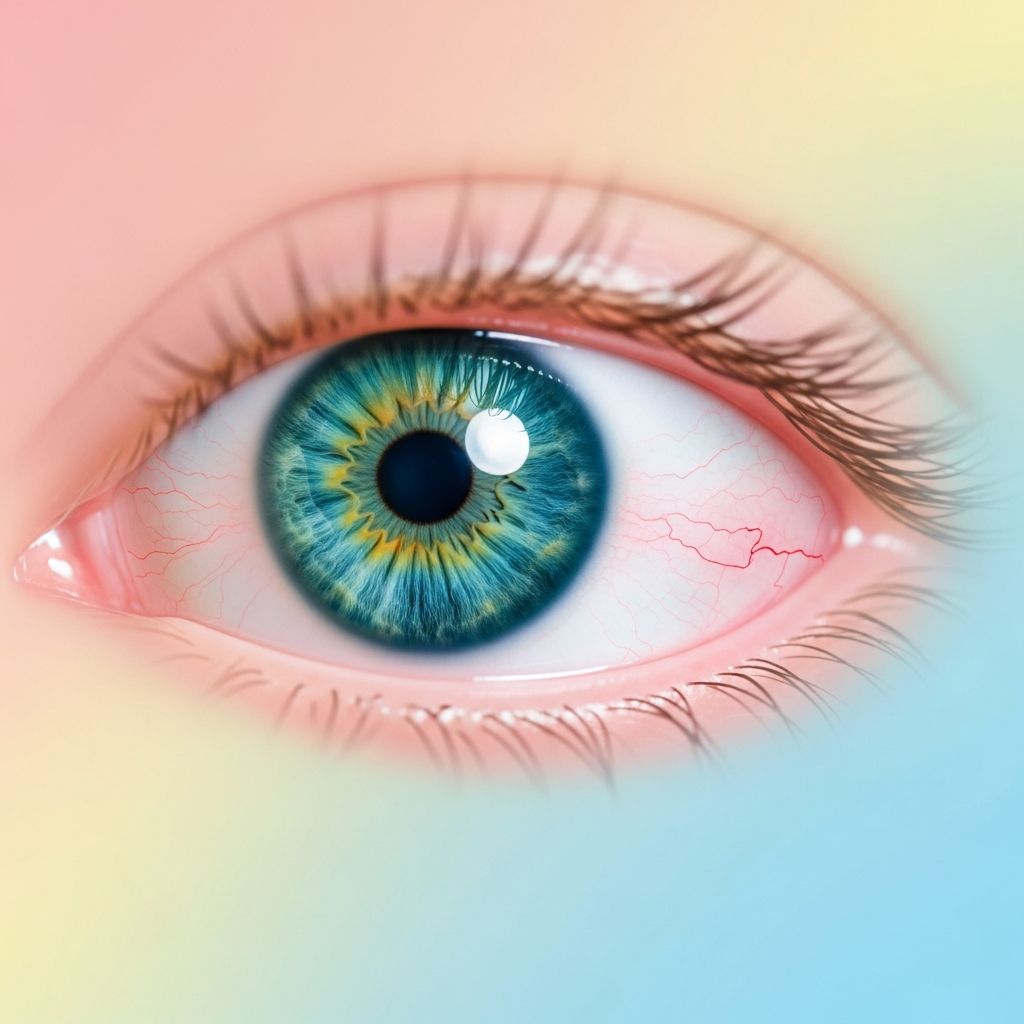
Conjunctivitis, often called pink eye, is a common eye problem that can make your eyes red, irritated, and goopy, but it is usually easy to treat and rarely threatens vision when handled properly.
What Exactly Is Pink Eye?
Pink eye happens when the thin, clear layer that covers the white part of your eye and the inside of your eyelids becomes irritated or infected. This layer is called the conjunctiva, and when it swells or gets inflamed, the tiny blood vessels inside it stand out, making the eye look pink or red.
Even though pink eye can feel uncomfortable and look dramatic, most cases are mild and clear up with the right care, good hygiene, and sometimes medication from a healthcare provider.
Different Types of Conjunctivitis
Not all pink eye is the same. Understanding the type helps you know what to expect and how to respond.
1. Viral Pink Eye
Viral conjunctivitis is caused by viruses, often the same ones that cause colds, sore throats, or other upper respiratory infections. It is very contagious and can spread quickly in homes, schools, and sports teams.
- Often starts in one eye and then spreads to the other.
- Usually comes with watery discharge rather than thick pus.
- May be accompanied by cold symptoms like a runny nose or cough.
2. Bacterial Pink Eye
Bacterial conjunctivitis is caused by bacteria that infect the conjunctiva. It can also spread easily through direct contact or by sharing items that touch the eyes.
- Often produces a thicker, yellow or greenish discharge.
- Eyelids may stick together, especially when you wake up.
- Sometimes affects one eye more than the other but can involve both.
3. Allergic Pink Eye
Allergic conjunctivitis is not an infection; it happens when your eyes react to something you are allergic to, such as pollen, dust, pet dander, or mold. This type is annoying but not contagious.
- Both eyes are usually affected at the same time.
- Intense itching is a major symptom, often with tearing and swelling.
- May show up during certain seasons or when you are around a specific trigger, like a pet.
4. Irritant-Related Pink Eye
Sometimes the conjunctiva becomes inflamed because it was exposed to something irritating rather than an infection or allergy. Common culprits include chlorine from pools, air pollution, smoke, or harsh chemicals.
- Symptoms usually start soon after exposure to the irritant.
- Redness and tearing are common, but discharge is often minimal.
- Once the irritant is washed away or avoided, the eye usually improves quickly.
Common Symptoms You Might Notice
Even though each type of conjunctivitis has its own details, most share a few classic signs. Paying attention to your symptoms can help you and your healthcare provider figure out what is going on.
- Red or pink color in the white part of one or both eyes.
- Feeling like there is sand, grit, or something stuck in the eye.
- Itching, burning, or general irritation.
- Watery tears, mucus, or thicker discharge.
- Crusts on the eyelashes, especially when waking up.
- Swollen eyelids or mild puffiness around the eyes.
- Light sensitivity or slightly blurry vision that clears when you blink.
If pain is severe, vision stays blurry, or you have trouble looking at light, that is a signal to seek medical help quickly rather than assuming it is just simple pink eye.
At-a-Glance: Types and Features
The table below compares the main types of conjunctivitis so you can see the differences more clearly.
| Type | Main Cause | Typical Discharge | Contagious? | Common Triggers |
|---|---|---|---|---|
| Viral | Cold or other viral infection | Watery, clear or slightly mucous-like | Yes, easily spread by contact | Contact with infected person, contaminated hands or objects |
| Bacterial | Bacteria on the eye surface | Thick, yellow or green discharge | Yes, especially with shared towels or makeup | Touching eyes with unwashed hands, sharing cosmetics or lenses |
| Allergic | Immune reaction to allergens | Watery, sometimes stringy | No, not an infection | Pollen, pet dander, dust mites, molds |
| Irritant-related | Chemicals or physical irritants | Watery, usually mild | No, not infectious | Chlorine, smoke, fumes, foreign objects |
How Pink Eye Spreads
Viral and bacterial conjunctivitis can spread quickly in any environment where people are close together and share objects. The germs that cause pink eye often travel on fingers, doorknobs, makeup applicators, sports equipment, or any surface that touches tears or eye discharge.
Touching your eye and then touching someone else, or using the same towel, pillowcase, or eye makeup, is one of the most common ways the infection moves from person to person.
High-Risk Situations
- Sharing towels, washcloths, pillowcases, or eye masks.
- Using someone else’s mascara, eyeliner, or eye shadow.
- Not washing hands after blowing your nose or sneezing.
- Wearing contact lenses longer than recommended or not cleaning them properly.
- Touching gym or sports equipment and then rubbing your eyes.
Diagnosis: How a Doctor Figures It Out
Most of the time, a healthcare provider can diagnose pink eye by asking questions and looking closely at your eyes with a light. They will want to know how quickly your symptoms started, whether you have a cold or allergies, and what the discharge looks like.
In typical cases, no special lab tests are needed. If the infection is severe, lasts a long time, or does not respond to treatment, a doctor may sometimes take a sample of the discharge to check which germs are involved.
Treatment Options: What Helps and What Doesn’t
Treatment depends on the cause of conjunctivitis. Trying to guess and use leftover drops at home is not a good idea, because the wrong treatment might not help and could even irritate your eyes more.
Viral Conjunctivitis Care
There is usually no medicine that completely “kills” the common viruses that cause pink eye, so the main goal is to make your eyes more comfortable while your body clears the infection.
- Use clean, cool or warm compresses on closed eyes to ease burning or itchiness.
- Artificial tears (lubricating eye drops) can reduce dryness and irritation.
- Avoid wearing contact lenses until your symptoms are completely gone.
- Follow any specific instructions from your healthcare provider, especially if a more serious virus is suspected.
Bacterial Conjunctivitis Treatment
Bacterial pink eye is often treated with antibiotic eye drops or ointments prescribed by a doctor. These medicines help your immune system clear the bacteria more quickly and lower the risk of spreading it to others.
- Use the drops or ointment exactly as directed, even if your eyes feel better early.
- Do not touch the tip of the bottle to your eye or eyelashes.
- Wash your hands before and after putting in the medicine.
- Stop using contact lenses and throw away any lenses or eye makeup used right before or during the infection.
Allergic Conjunctivitis Relief
For allergy-related pink eye, the main strategy is calming down the allergic reaction and avoiding the triggers that set it off. Medications for allergies can help your eyes and other symptoms like sneezing or a runny nose.
- Over-the-counter allergy eye drops or oral antihistamines may reduce itching and redness.
- Cold compresses can soothe puffy, irritated eyes.
- Try to limit exposure to known triggers such as pets or outdoor pollen when levels are high.
- Always check with a healthcare provider before combining different allergy medicines.
Managing Irritant-Related Pink Eye
When the eye is irritated by smoke, chlorine, or chemicals, the priority is to remove the irritant as safely and quickly as possible. Once the eye is no longer exposed, the redness and tearing usually settle down.
- If a chemical splash occurs, follow emergency instructions on the product label and rinse the eye with clean water for the recommended time.
- Avoid rubbing the eye, which can worsen irritation or scratch the surface.
- See a healthcare provider promptly if pain or redness is intense or if vision changes.
Home Care and Comfort Tips
While professional treatment is important in many situations, there are simple steps you can take at home to feel better and recover more smoothly.
- Use a clean, damp cloth to gently wipe away crusts from the eyelids and lashes.
- Assign a separate washcloth and towel for the person with pink eye and wash them in hot water.
- Avoid eye makeup until the infection is gone, and replace old products afterward.
- Take breaks from screens if your eyes feel dry or strained.
- Do not wear contact lenses until your provider says it is safe again.
Prevention: How to Avoid Getting or Spreading Pink Eye
Because pink eye can spread so easily, prevention is just as important as treatment. A few simple habits can protect you and the people around you.
- Wash your hands often with soap and water, especially after touching your face.
- Keep your fingers away from your eyes unless you are applying medicine or rinsing them.
- Do not share makeup, contact lenses, eye drops, or anything that touches your eyes.
- Clean phone screens, game controllers, and frequently touched surfaces regularly.
- If you have contagious pink eye, stay home from school or activities as advised by your healthcare provider.
For people who wear contact lenses, following cleaning instructions closely and replacing lenses and cases on schedule is one of the best ways to reduce the risk of eye infections, including some forms of conjunctivitis.
When to Seek Medical Help Fast
Most cases of pink eye are mild and get better within a week or two, but there are warning signs that mean you should not wait to see a professional. It is safer to get checked than to ignore symptoms that could signal a more serious problem.
- Severe eye pain or strong sensitivity to light.
- Sudden or significant changes in vision.
- Intense redness only in one eye, especially if you wear contact lenses.
- Swelling around the eye that worsens or is accompanied by fever.
- Symptoms that do not improve after a few days of proper treatment.
Babies, people with weakened immune systems, and those who recently had eye surgery should be seen urgently if they show signs of conjunctivitis, even if the symptoms look mild at first.
Frequently Asked Questions About Pink Eye
Can I go to school if I have pink eye?
It depends on the cause and how severe your symptoms are. If your eyes are very red, producing discharge, and a doctor suspects viral or bacterial conjunctivitis, staying home helps protect classmates and staff from getting sick.
How long does pink eye usually last?
Mild viral pink eye often improves within several days, while bacterial cases may clear faster once antibiotic drops are started. Allergic and irritant-related conjunctivitis tend to get better quickly after the trigger is removed or allergy treatment begins.
Is pink eye dangerous for my vision?
Most pink eye does not cause permanent vision damage when treated appropriately. Problems are more likely if symptoms are ignored, if there is a more serious infection, or if the cornea (the clear front surface of the eye) becomes involved.
Can pink eye come back?
Yes, conjunctivitis can return, especially if the underlying cause is still present, such as ongoing allergies or poor contact lens hygiene. Improving habits like handwashing and not sharing eye products lowers the chance of repeated infections.
Are home remedies safe for pink eye?
Cool or warm compresses and artificial tears are generally safe when used correctly and kept clean. Putting unapproved substances, like herbal mixtures or household liquids, in your eyes is risky and should be avoided unless a healthcare provider specifically recommends a product.
Key Takeaways for Teens
Pink eye is common, especially in crowded places like schools and sports teams, but it is usually manageable and short-lived. Recognizing the symptoms early, avoiding sharing personal items, and getting medical advice when needed can protect both your eyes and the people around you.
Building everyday habits such as not touching your eyes, washing your hands regularly, and caring for contact lenses correctly will not only help prevent conjunctivitis but also support overall eye health for years to come.