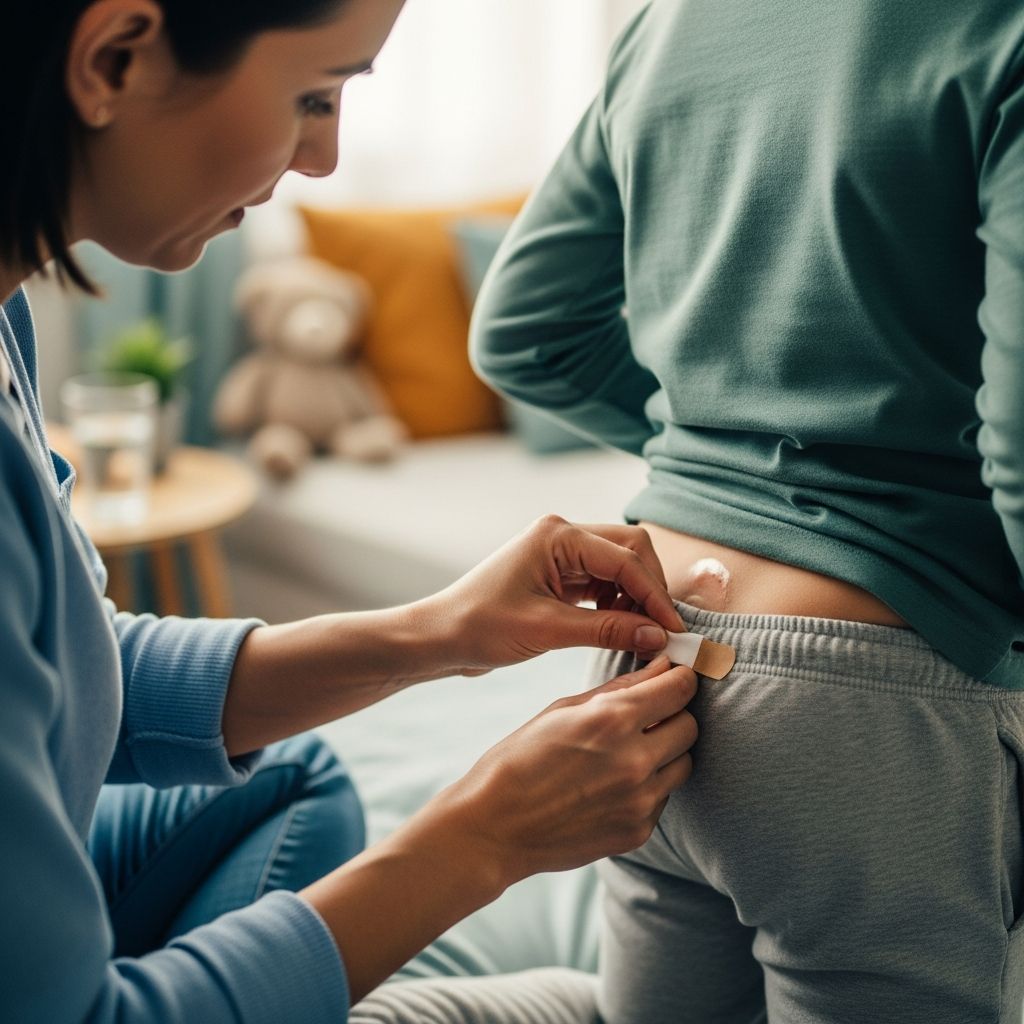
Pilonidal cysts are small pockets that form in the skin near the top of the buttocks crease, and they can become painful or infected, especially in teenagers and young adults who sit for long periods. Although they can look alarming and cause real discomfort, they are treatable, and most children do very well with the right combination of medical care, hygiene, and follow-up.
Understanding Pilonidal Cysts
A pilonidal cyst is a sac under the skin, usually just above the buttocks, that often contains hair, skin debris, and sometimes fluid or pus. Doctors group pilonidal cysts under the broader term “pilonidal disease,” which may include a simple dimple, a cyst, a draining sinus (tiny tunnel under the skin), or an abscess filled with infection.
- Most cases appear in older children, teens, and young adults, especially during or after puberty.
- The condition is not contagious and does not spread from child to child, but it can recur in the same person if the area stays irritated or hairy.
Why Pilonidal Cysts Develop
There is no single proven cause of pilonidal cysts, but several factors are believed to work together. The crease between the buttocks naturally traps hair, sweat, and friction, which can drive loose hairs into the skin and start an inflammatory reaction that forms a cyst.
- Hair and friction: Coarse or thicker body hair can break off and be pushed into the skin by rubbing from clothing, sports, or prolonged sitting.
- Body structure: A deep buttock cleft or tight gluteal fold holds moisture and hair more easily, raising the chance that hairs burrow into the skin.
- Pressure from sitting: Hours of sitting in class, gaming, or traveling puts repeated pressure on the tailbone area, which can irritate hair follicles.
- Growth and hormones: Changes in hair growth and oil production during puberty may increase the risk.
Common Risk Factors in Kids and Teens
Not every child with these features will develop a pilonidal cyst, but awareness helps parents spot early signs and encourage prevention habits.
- Family members with pilonidal cysts or pilonidal surgery in the past.
- Thick or coarse hair on the lower back or near the buttock crease.
- Frequent long car trips, desk work, or gaming sessions without breaks.
- Tight clothing or athletic gear that rubs against the tailbone area.
- Excess weight, which can increase skin folds and moisture.
Signs and Symptoms Parents May Notice
Some pilonidal cysts cause almost no symptoms at first and may look like a small dimple or pit at the top of the buttock crease. Problems usually appear when the area becomes inflamed or infected.
- Pain or tenderness near the top of the buttocks, especially when sitting or bending.
- Redness, warmth, or noticeable swelling in a small area at the tailbone.
- A small lump or bump that may feel firm or squishy.
- Drainage of clear fluid, blood, or pus from a pinpoint opening in the skin.
- Staining of underwear from ongoing drainage or spotting.
- Foul odor from discharge if infection is present.
- Fever, fatigue, or feeling unwell if an abscess is forming.
When a Pilonidal Cyst Becomes an Emergency
Sometimes the cyst fills with pus and turns into an abscess, which is a pocket of infection under the skin. This can be very painful and usually does not improve with home care alone.
- Severe pain that makes it hard for your child to sit or walk.
- Sudden increase in swelling, redness, or warmth over the area.
- Spreading redness around the buttock crease or up the lower back.
- Fever or chills along with a painful lump.
If any of these occur, contact your child’s doctor or urgent care promptly, as an abscess may need to be drained.
How Doctors Diagnose Pilonidal Cysts
In most children and adolescents, diagnosis is made through a careful history and a physical examination. The doctor will look at the tailbone area, check for pits, swelling, or drainage, and gently feel for tenderness.
- Imaging tests such as ultrasound are rarely needed, but may be used if the problem is deep, recurrent, or unclear.
- The doctor may ask about sitting habits, sports, family history, and prior skin infections to guide treatment and prevention.
Overview of Treatment Options
Treatment depends on how severe the cyst is, whether infection is present, and if your child has had previous episodes. The main goals are to reduce pain, clear infection, remove trapped hair and debris, and lower the risk of future flare-ups.
| Situation | Typical Approach | Who Manages It |
|---|---|---|
| Small, not infected | Hygiene, hair removal, monitoring, comfort care | Pediatrician, family doctor |
| Mild infection without abscess | Antibiotics, warm compresses, limited pressure on area | Pediatrician, primary care |
| Abscess (painful, pus-filled lump) | Incision and drainage procedure, possible antibiotics | Surgeon or trained clinician |
| Recurrent or complex disease | Planned surgery, ongoing hair removal, long-term follow-up | Pediatric or colorectal surgeon |
Home Measures for Mild Cases
When a pilonidal cyst is small and not severely infected, doctors often begin with conservative care. These steps can also support healing after a procedure and help prevent new problems.
- Encourage your child to shower daily and gently wash the buttock crease with mild soap and water.
- Pat the area completely dry and avoid leaving moisture trapped in the crease.
- Have your child wear loose, breathable underwear and clothing to reduce friction.
- Plan short breaks from sitting every 30–60 minutes to ease pressure on the tailbone.
- Use warm (not hot) compresses several times a day to ease mild discomfort if recommended by the doctor.
Role of Antibiotics
If the skin around the cyst shows signs of infection, such as redness, warmth, or drainage, a doctor may prescribe antibiotics. These medicines help control the surrounding skin infection but usually do not remove the cyst itself.
- It is important for your child to take the full prescribed course, even if symptoms improve quickly.
- If pain, swelling, or fever worsen while on antibiotics, follow up with the doctor right away, as an abscess may be forming.
Incision and Drainage of an Abscess
When a pilonidal cyst turns into a painful abscess, the most effective treatment is usually a minor procedure called incision and drainage. This can often be done in an outpatient clinic or day-surgery setting.
- The area is numbed with local anesthetic so your child stays comfortable.
- The clinician makes a small opening in the abscess to release pus and remove hair or debris.
- Sometimes gauze is placed in the cavity to absorb drainage while it heals from the inside out.
- Pain usually improves quickly once the pressure is relieved, though the site may be sore for a few days.
Surgical Options for Recurrent Pilonidal Disease
Some children and teens develop repeated flare-ups, sinus tracts (small tunnels), or multiple pits in the area. In those cases, a surgeon may recommend a more formal operation to remove diseased tissue and reshape the area for easier healing.
- Excision of the cyst and sinus tracts: The surgeon removes the cyst and any tunnels under the skin, sometimes leaving the wound to heal gradually or closing it with stitches.
- Off-midline or flap procedures: These techniques shift the scar away from the deepest part of the buttock crease and may help reduce moisture, pressure, and future hair trapping.
- Day-surgery setting: Many children go home the same day with clear instructions on wound care, activity limits, and follow-up visits.
Hair Removal and Ongoing Prevention
Because stray hairs play a major role in pilonidal disease, controlling hair in the affected region often makes a big difference in preventing recurrences. This may be recommended whether or not your child has had surgery.
- Use safe hair removal methods as advised by the doctor, such as trimming or depilatory creams suitable for sensitive skin.
- Avoid aggressive shaving that can create tiny cuts and irritation, unless a clinician specifically instructs otherwise.
- In some cases, laser hair removal may be suggested for older teens once the area has healed, to reduce long-term hair growth.
Helping Your Child Manage Pain and Discomfort
Even when treatment is straightforward, sitting on a tender tailbone can be very uncomfortable for a child or teenager. Thoughtful pain management and practical adjustments can make healing smoother.
- Use over-the-counter pain relievers as recommended by the doctor, following age-appropriate dosing instructions.
- Offer a soft cushion or donut pillow to sit on during schoolwork, car rides, or meals.
- Encourage your child to change positions often—standing, side-lying, or lying on the stomach can relieve pressure.
- Work with teachers or coaches if your child needs gentle accommodations while healing.
What to Expect During Recovery
Recovery time depends on the severity of the cyst, whether there was an abscess, and the type of procedure performed. Some children feel better within a week, while larger wounds may take several weeks or more to fully heal.
- Daily wound care, including gentle cleansing and dressing changes, may be needed as directed by the care team.
- Limit high-impact sports, rough play, and prolonged sitting until cleared by the doctor.
- Follow-up visits help ensure the area is healing well and catch any early sign of recurrence.
Practical Tips for Parents
Parents play a key role in encouraging healthy habits and supporting emotional wellbeing while a child is dealing with a pilonidal cyst. Many kids feel embarrassed talking about a problem in such a private area.
- Reassure your child that this is a common medical issue, not something to be ashamed of.
- Respect privacy while still helping with wound checks and dressing changes when needed.
- Ask your child’s doctor how to explain the condition in age-appropriate language so your child understands what is happening.
- Involve older teens in their own care planning to build confidence and independence.
Preventive Habits for Long-Term Health
Even after successful treatment, pilonidal cysts can occasionally come back. Building simple routines into daily life helps lower that risk and supports overall skin health.
- Encourage daily showers and complete drying of the lower back and buttock crease.
- Promote comfortable, breathable clothing and undergarments that do not dig into the tailbone.
- Suggest movement breaks during homework, gaming, or online activities to reduce constant pressure on the area.
- Maintain a healthy body weight and regular physical activity, which may reduce skin folds and improve circulation.
- Discuss ongoing hair management with the healthcare team, especially if your child has coarse hair or a history of repeated cysts.
Frequently Asked Questions (FAQs)
Is a pilonidal cyst dangerous?
Most pilonidal cysts are not dangerous, but they can become quite painful and may get infected if ignored. Complications are less likely when a doctor evaluates the area early and provides appropriate treatment.
Can a pilonidal cyst heal on its own?
Occasionally, a small cyst may drain on its own and symptoms may improve, but the underlying problem can remain and flare again. Because of the risk of infection and recurrence, a medical evaluation is recommended even if the lump seems to shrink.
Will my child always have this problem?
Some children experience only one episode, while others have repeated issues over time. Consistent hygiene, hair control, and follow-up care reduce the chance of chronic problems, and surgery can help in stubborn or complex cases.
Is surgery always necessary?
No, surgery is not required for every pilonidal cyst. Many mild cases respond to good hygiene, hair removal, and treatment of occasional infections, while more advanced or recurrent disease may benefit from a planned surgical approach.
Can my child go to school with a pilonidal cyst?
Most children can attend school, though they may need accommodations such as extra standing breaks or a special cushion for sitting. After a procedure, your child’s doctor will give guidance on when it is safe to return to school and physical activities.
How do I talk to my teenager about this?
Use calm, factual language and emphasize that pilonidal disease is a medical condition related to anatomy and hair, not hygiene failure or anything to be embarrassed about. Offer to include your teen in conversations with the doctor so they can ask questions and understand the plan for care.
Key Takeaways for Families
- Pilonidal cysts are common around the tailbone in older children and teens and often relate to hair, friction, and pressure from sitting.
- Watch for pain, swelling, drainage, or foul odor in the buttock crease and seek medical advice promptly.
- Treatment can range from hygiene and antibiotics to drainage or surgery, depending on severity and recurrence.
- Good hygiene, hair control, movement breaks, and follow-up care help reduce the risk of future flare-ups.
- With support and clear information, most kids recover well and return to their normal activities.