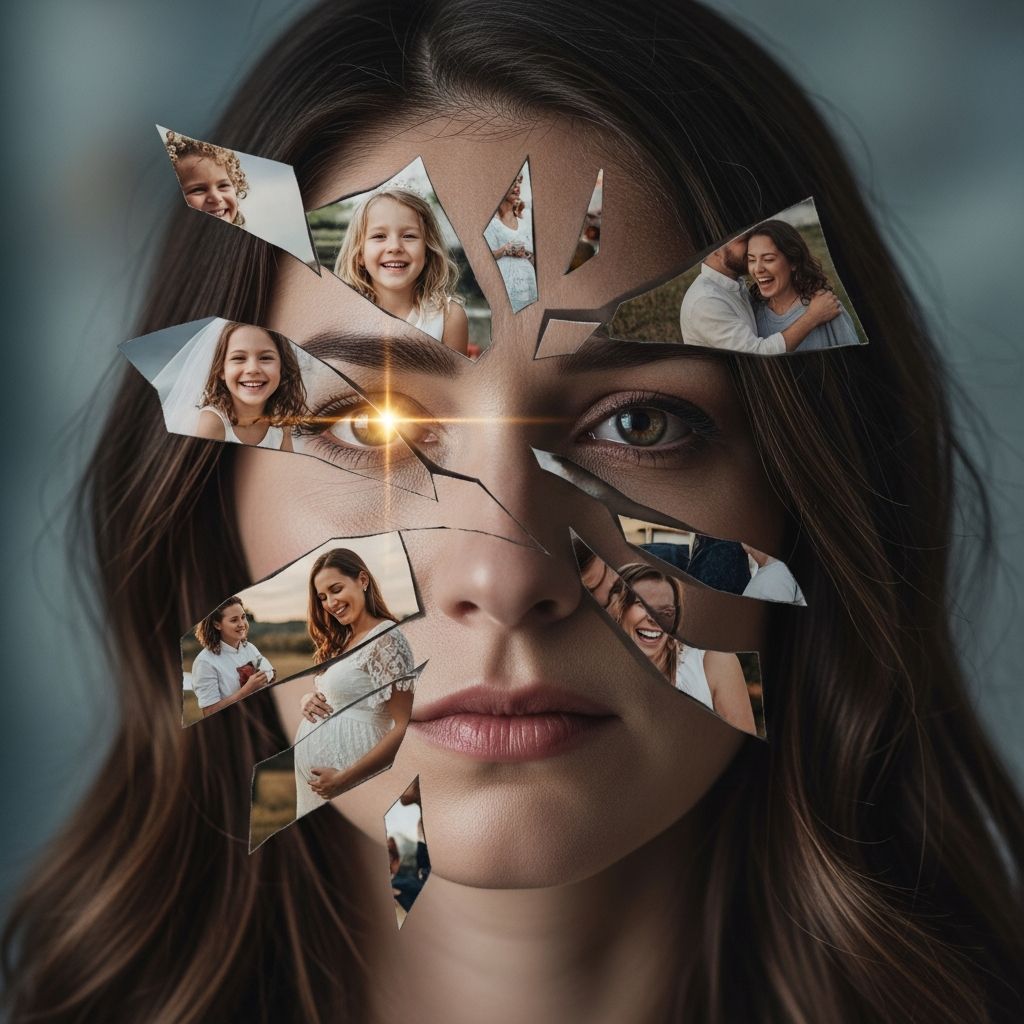
Netflix’s Pieces of a Woman delivers a visceral exploration of human fragility, centering on a couple’s world-shattering loss during a home birth. This 2020 drama, directed by Kornél Mundruczó, captures the unfiltered chaos of grief, blending intimate family conflicts with broader questions of accountability and recovery. Through its unflinching narrative, the film invites viewers to confront the pieces of life that trauma scatters.
The Devastating Opening: A Birth Gone Wrong
The story launches with an intense, real-time home birth sequence that sets the tone for the entire film. Martha, portrayed with raw intensity by Vanessa Kirby, and her partner Sean, played by Shia LaBeouf, anticipate joy but encounter horror when their newborn daughter does not survive. This 23-minute unbroken shot immerses audiences in the physical and emotional torment, highlighting the risks of home births and the midwife’s role amid crisis.
Statistics from health authorities underscore the rarity yet gravity of such events. According to the Centers for Disease Control and Prevention (CDC), neonatal mortality rates during home births can exceed those in hospitals under certain conditions, though planned home births with skilled attendants carry lower risks overall. The film does not preach but mirrors real vulnerabilities, prompting reflection on birthing choices.
Navigating the Aftermath: Personal and Familial Turmoil
Following the tragedy, Martha embarks on a solitary path through mourning, marked by detachment and quiet rebellion against her surroundings. Her relationship with Sean frays under the weight of unspoken blame and diverging coping mechanisms. Sean’s outward expressions of pain clash with Martha’s internalized silence, exposing how grief reshapes intimacy.
Martha’s mother, Elizabeth, embodied by Ellen Burstyn, injects further strain with her domineering presence. Elizabeth pushes for legal action against the midwife, Eve, played by Molly Parker, turning personal loss into a public courtroom battle. This dynamic illustrates intergenerational clashes, where one generation’s quest for justice collides with another’s need for private healing.
- Key relational fractures: Sean and Martha’s romance dissolves amid addiction hints and emotional distance.
- Maternal interference: Elizabeth’s insistence on prosecution amplifies Martha’s isolation.
- Professional fallout: The midwife faces vilification, raising ethical questions in maternal care.
Symbolism Woven into Everyday Life
Director Mundruczó employs subtle yet potent symbols to deepen the narrative. A decaying apple, wilting flowers, and a structurally compromised bridge recur, representing fragmentation and the struggle to rebuild. These elements avoid overt explanation, allowing viewers to interpret personal resonances. Critics note the bridge scene as a pivotal metaphor for precarious emotional states, though some argue it borders on excess.
Visual motifs extend to the home environment: cluttered spaces and untouched baby items evoke stasis. Cinematography by Benjamin Loeb captures Boston’s gritty urban backdrop, contrasting the couple’s inner voids with external normalcy.
Performances That Anchor the Emotion
| Actor | Role | Notable Aspect |
|---|---|---|
| Vanessa Kirby | Martha | Oscar-nominated for her nuanced portrayal of muted devastation and quiet strength. |
| Shia LaBeouf | Sean | Brings volatile authenticity, drawing from personal controversies to fuel raw intensity. |
| Ellen Burstyn | Elizabeth | Commands scenes with fierce maternal protectiveness, earning acclaim for depth. |
| Molly Parker | Eve (Midwife) | Conveys professional guilt and resilience amid scrutiny. |
Vanessa Kirby’s performance stands out, earning a Best Actress nomination at the 2021 Oscars. Her ability to externalize internal collapse through subtle gestures has been lauded across reviews. LaBeouf’s involvement sparked discussion, given his off-screen issues, yet his on-screen vulnerability adds layers to Sean.
Core Themes: Forgiveness Amidst Irreparable Loss
At its essence, the film grapples with forgiveness—not as a tidy resolution but as a jagged process. It challenges the impulse to assign blame in tragedies beyond control, echoing broader societal tensions around accountability. In an era of public shaming, the narrative advocates for empathy over retribution.
Grief’s nonlinear path is depicted authentically: denial, anger, bargaining, depression, acceptance unfold unevenly across a year. Psychological research supports this portrayal; studies from the American Psychological Association describe grief as individualized, often prolonging beyond traditional timelines.
Broader Implications for Birthing and Maternal Health
Pieces of a Woman sparks dialogue on home births. While empowering for some, data from the World Health Organization indicates that complications arise in about 10-15% of low-risk pregnancies, emphasizing the need for qualified support. The film neither endorses nor condemns but humanizes the stakes.
It also addresses postpartum mental health. The National Institute of Mental Health reports that parental bereavement heightens risks for prolonged depression, aligning with Martha’s arc. Viewers, especially parents, report the film aiding their processing of similar losses.
Cultural Impact and Viewer Reactions
Since its January 2021 Netflix release, the film has resonated widely, topping streaming charts and fueling online discussions. Social media buzzed with personal stories of miscarriage and stillbirth, validating its emotional authenticity. Critics praise its technical prowess—a single-take birth scene rivals cinematic landmarks—while some decry metaphorical overload.
Audience scores on platforms like Rotten Tomatoes hover around 75%, reflecting divided yet passionate responses. Its Toronto International Film Festival premiere garnered standing ovations, signaling awards potential realized in nominations.
Directorial Vision and Production Insights
Hungarian director Kornél Mundruczó, known for poetic realism, co-wrote the screenplay with Kata Wéber, drawing from personal experiences of loss. This authenticity infuses every frame. Producer Martin Scorsese’s involvement lent prestige, ensuring artistic freedom.
The score by Howard Shore amplifies tension, with minimalist strings underscoring isolation. Editing maintains momentum across timelines, intercutting past joys with present fractures.
Why This Film Matters for Modern Audiences
In a world quick to judge, Pieces of a Woman urges patience with imperfect healing. It humanizes the midwife’s dilemma, critiques litigious responses to grief, and celebrates small victories in reconstruction—like planting a tree symbolizing legacy.
For parents, it offers catharsis; for others, a window into unspoken pains. Streaming on Netflix, it remains accessible, encouraging group viewings for shared reflection.
Frequently Asked Questions
Is Pieces of a Woman based on a true story?
No, it’s a fictional narrative inspired by the filmmakers’ personal losses, crafted to explore universal themes of grief.
Does the film recommend home births?
It portrays risks realistically without advocacy, highlighting the importance of preparation and professional care.
What awards did Vanessa Kirby win for her role?
She received an Oscar nomination for Best Actress, among other accolades like Golden Globe nods.
Is the movie too depressing to watch?
It’s intensely emotional but offers hope through resilience, rewarding viewers seeking deep dramas.
How long is the opening birth scene?
Approximately 23 minutes, filmed in one continuous take for immersive impact.
Final Reflections on Healing and Humanity
Pieces of a Woman pieces together a mosaic of sorrow and strength, reminding us that while some parts remain irretrievably lost, new forms can emerge from the fragments. Its enduring power lies in evoking empathy across divides.
References
- CDC National Center for Health Statistics: Births – Final Data — Centers for Disease Control and Prevention. 2023-02-20. https://www.cdc.gov/nchs/data/vsrr/vsrr035.pdf
- WHO Recommendations on Antenatal Care — World Health Organization. 2024-01-15. https://www.who.int/publications/i/item/9789240045997
- Grief and Bereavement — American Psychological Association. 2022-07-10. https://www.apa.org/topics/grief
- Perinatal Mental Health — National Institute of Mental Health. 2025-03-05. https://www.nimh.nih.gov/health/topics/perinatal-depression
- Pieces of a Woman (2020) Review — MSB Reviews. 2021-01-08. https://msbreviews.com/movie-reviews/pieces-of-a-woman-spoiler-free-review
- Pieces of a Woman: Review and Commentary — Michael McCaffrey. 2021-01-10. https://mpmacting.com/blog/2021/1/10/pieces-of-a-woman-review-and-commentary
- PIECES OF A WOMAN. One Metaphor Too Far [REVIEW] — Film Folly. 2021-01-12. https://filmfolly.com/review/pieces-of-a-woman-one-metaphor-too-far-review