Understanding Infant Mouthing and Exploration
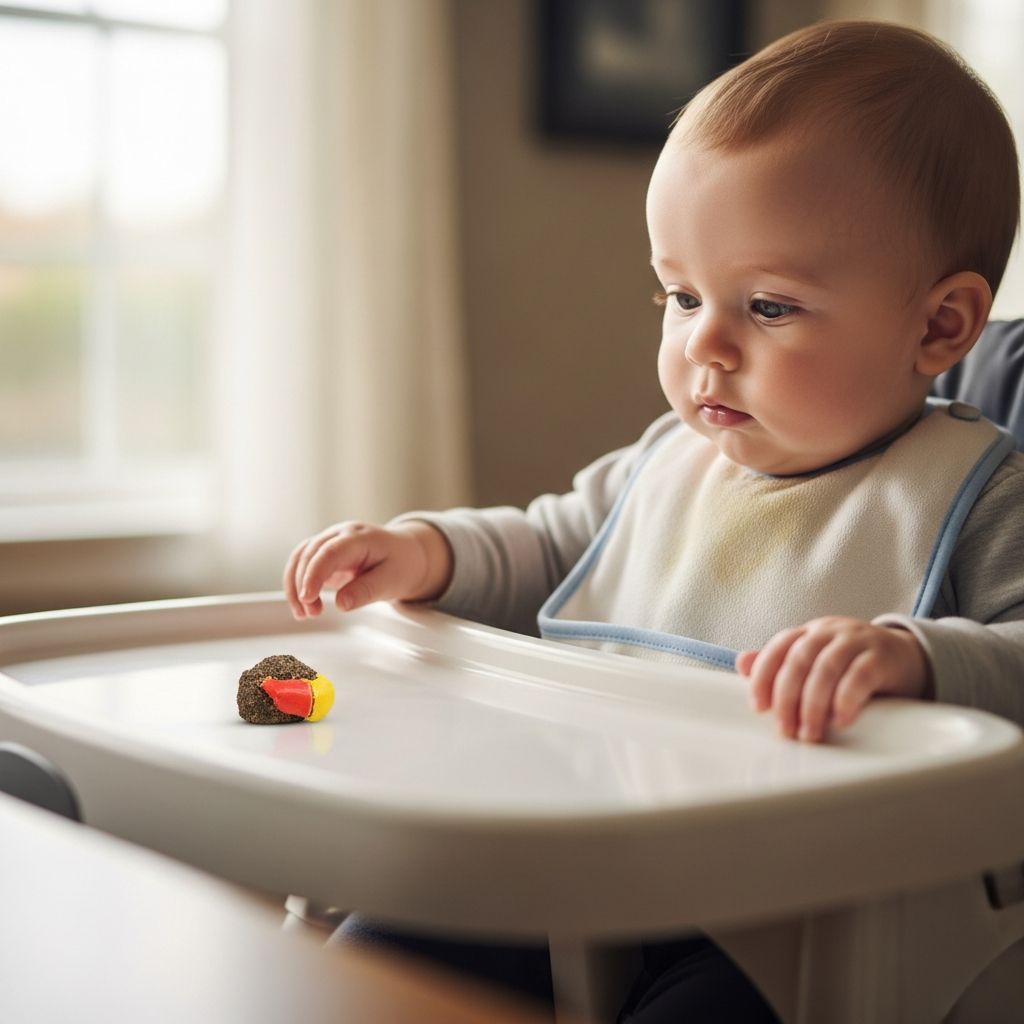
During the first 18 months of life, babies explore their world primarily through their mouths. This behavior, called mouthing, is a completely normal and expected part of infant development. Babies use their mouths to test textures, temperatures, and sensations of objects around them. Parents often observe their infants placing everything from toys and clothing to grass and small pebbles into their mouths. This exploratory phase is not only typical but essential for sensory development and learning about their environment.
However, the line between normal exploration and a potential eating disorder becomes more distinct after 18 months of age. While younger infants naturally investigate objects orally, older children who persistently seek out and consume non-food items may be exhibiting signs of a condition known as pica. Understanding this distinction is crucial for parents and caregivers to determine when typical behavior requires professional evaluation.
What Is Pica and How Does It Differ From Normal Behavior?
Pica is a medical and behavioral condition characterized by a persistent, compulsive urge to consume items that contain no nutritional value. Unlike the occasional mouthing of objects by toddlers, pica involves a deliberate and repeated pattern of seeking and eating non-food substances. This condition typically becomes a diagnostic consideration in children older than two years of age, as younger children’s mouthing behaviors are developmentally appropriate.
The substances consumed in pica cases vary widely and may include:
- Feces and urine
- Dirt and soil
- Clay and mud
- Paper and cardboard
- Fabric and textiles
- Hair
- Cornstarch and laundry detergent
- Paint chips and metal objects
- Rocks, pebbles, and wood chips
A critical distinction between normal infant behavior and pica is the consistency and intention behind the behavior. Children with pica actively search their environment for specific items to consume, often returning repeatedly to the same non-food substance. They may be drawn exclusively to one type of item, such as dirt or clay, and show little variation in their cravings. This compulsive pattern sets pica apart from the random object exploration typical of younger children.
Identifying the Underlying Causes of Pica
The precise etiology of pica remains not entirely understood; however, research has identified multiple contributing factors that significantly increase the likelihood of this condition developing.
Nutritional Deficiencies
One of the most commonly identified associations with pica involves deficiencies in essential minerals and nutrients. Low levels of iron and zinc are particularly linked to pica behaviors, as children experiencing these deficiencies may unconsciously crave non-food items in an attempt to fulfill their body’s unmet nutritional needs. Iron-deficiency anemia represents a particularly strong risk factor, with some individuals experiencing intense cravings for specific substances that intensify as their deficiency worsens.
Malnutrition and food insecurity also correlate with increased pica behaviors. When children lack adequate access to nutritious foods or experience chronic hunger, non-food items may temporarily provide a sensation of fullness or satisfy oral sensations in the absence of proper nutrition.
Developmental and Cognitive Factors
Children with developmental disorders, intellectual disabilities, and autism spectrum disorder experience significantly higher rates of pica compared to the general population. These conditions may affect how children perceive sensory information, process decision-making about what constitutes food, and regulate behavioral impulses. The sensory appeal of certain non-food items—their texture, taste, or the physical sensation of chewing—may hold particular attraction for children with altered sensory processing.
Mental Health and Psychological Stress
Pica frequently occurs in children experiencing psychological distress, including those exposed to stress, abuse, or neglect. The condition has also been documented in children with obsessive-compulsive disorder, schizophrenia, and other mental health conditions. In these cases, eating non-food items may serve as a coping mechanism or self-soothing behavior that temporarily reduces anxiety or emotional discomfort.
Sensory Seeking Behaviors
Some children engage in pica primarily to obtain specific sensory input. The texture, oral sensation, or even the taste of certain substances may be inherently reinforcing to their nervous system. This is particularly common in children with autism or sensory processing differences, who may find the sensory experience of consuming non-food items deeply pleasurable or regulating.
Health Consequences and Medical Risks
While pica itself is a diagnosable condition requiring professional attention, the substances consumed pose serious health risks that make appropriate management essential. The severity of health consequences depends on the specific items being ingested and the frequency and duration of consumption.
Gastrointestinal and Digestive Complications
Consumption of non-food items can cause obstructions, blockages, and internal injuries throughout the digestive system. Hair consumption, for example, can accumulate and cause blockages or even tears in the digestive tract. Metal objects may cause perforations of the bowels, requiring emergency surgical intervention. Certain substances bind to food, preventing proper absorption of nutrients and leading to secondary malnutrition despite adequate food intake.
Infectious Disease and Parasitic Infections
Ingestion of feces, soil, and contaminated materials exposes children to parasitic infections, bacterial pathogens, and viral illnesses. These infections can cause severe gastrointestinal symptoms, systemic illness, and long-term health complications if untreated.
Toxic Exposure
Paint chips and old painted objects may contain lead, exposing children to lead poisoning, which causes developmental delays, cognitive impairment, and behavioral problems. Laundry detergent, soap, and other chemical products can cause poisoning and chemical burns to the mouth and digestive tract.
Nutritional Complications
Beyond the primary condition triggering pica, the ingestion of non-nutritive substances worsens nutritional status by preventing proper food absorption and potentially displacing nutritious food intake.
Medical Evaluation and Diagnostic Process
When parents suspect pica, a comprehensive evaluation by a pediatrician or specialized healthcare provider is essential. The diagnostic process involves several components designed to confirm pica and identify underlying contributing factors.
Behavioral Assessment
Healthcare providers ask detailed questions about the child’s eating patterns, including how long non-food item consumption has persisted, which substances the child seeks, how frequently the behavior occurs, and whether other caregivers have observed the behavior. They assess whether the behavior is developmentally appropriate or represents a significant departure from the child’s typical functioning.
Environmental and Social Evaluation
Assessment includes examination of the child’s living environment, access to food, socioeconomic circumstances, exposure to stress or trauma, and cultural factors that might influence eating behaviors. Healthcare providers also explore family psychiatric history and any underlying mental health conditions the child may have.
Nutritional and Medical Testing
Blood work and laboratory studies assess nutritional status, including screening for iron and zinc deficiency, anemia, and other metabolic abnormalities. Physical examination may reveal signs of malnutrition, developmental delay, or other medical conditions requiring treatment.
Evidence-Based Treatment Approaches
Most children eventually outgrow pica naturally as they develop and learn to differentiate between food and non-food items; however, professional intervention accelerates improvement and prevents serious health complications during the condition’s active phase.
Behavioral Intervention Strategies
Applied behavioral analysis (ABA) techniques represent the most evidence-supported approach for treating pica. These interventions include:
- Differential reinforcement: Rewarding the child when they engage in appropriate eating behaviors or other activities, actively replacing pica behaviors with safer alternatives
- Aversive therapy: Teaching the child to refrain from consuming non-food items through minor, harmless consequences while simultaneously reinforcing healthy eating choices
- Behavioral replacement: Providing safe alternatives such as chewing gum, specially designed chewies, or foods with similar textures to the craved substances
- Environmental modification: Removing access to preferred pica items, securing cabinets, maintaining clean floors, and reducing the availability of triggering substances
Sensory and Environmental Enrichment
Understanding the child’s sensory preferences guides the creation of a “pica-box” containing safe items that satisfy the same sensory needs as problematic substances. This box might include foods of varied tastes and textures, chewy aids, and other oral sensory toys. Additionally, a structured “Sensory Diet”—a program of purposeful sensory activities—can provide the input the child seeks while reducing stress and pica engagement.
Nutritional Intervention
When nutritional deficiencies are identified, treatment includes dietary modifications emphasizing whole foods, lean proteins, and foods rich in iron and zinc. Supplementation may be necessary if dietary changes alone cannot correct deficiencies. Addressing hunger and food insecurity becomes a priority in cases where poverty or neglect contributes to pica.
Mental Health and Therapeutic Support
Children with underlying mental health conditions or emotional trauma benefit from evidence-based therapies that address stress, anxiety, or trauma while teaching alternative coping strategies. Therapy helps children develop healthier ways to self-regulate and manage difficult emotions without relying on pica behaviors.
Practical Strategies for Parents and Caregivers
While professional intervention addresses the underlying causes and provides specialized treatment, parents implement daily strategies that reduce opportunities for pica and support treatment goals:
- Maintain a clean, safe environment by vacuuming daily, removing visible non-food items, and securing storage areas containing potential pica objects
- Provide constant supervision, particularly during high-risk times when the child typically engages in pica behaviors
- Offer frequent, nutritious meals and snacks to address hunger and ensure adequate nutrition
- Teach the child to identify dangerous and non-edible items through explicit instruction and practice
- Establish routines that keep the child engaged in alternative activities during downtime
- Avoid punishment or shaming, recognizing pica as a medical condition rather than willful misbehavior
- Maintain open communication with teachers, babysitters, and other caregivers who can report observations and reinforce treatment strategies
When to Seek Immediate Medical Attention
Parents should contact emergency services or poison control immediately if their child exhibits:
- Severe abdominal pain or bloating
- Persistent vomiting or vomiting blood
- Blood in stool
- Signs of choking or difficulty swallowing
- Consumption of toxic substances such as lead paint, chemicals, or medications
- Signs of infection such as fever or severe diarrhea following consumption of contaminated materials
Frequently Asked Questions
Is it normal for babies to put dirt and other objects in their mouths?
Yes, mouthing non-food objects is completely normal in infants and toddlers under 18 months as they explore their environment. However, persistent seeking and consumption of non-food items in older children warrants evaluation for pica.
Can pica be cured completely?
Most children naturally outgrow pica over time as they develop and mature. Treatment with behavioral therapy, environmental modifications, and addressing underlying causes accelerates improvement and prevents health complications.
Should I punish my child for eating non-food items?
No. Pica is a medical condition, not willful misbehavior or disobedience. Punishment is ineffective and counterproductive. Instead, seek professional evaluation and implement evidence-based behavioral strategies with empathy and support.
Are there specific risk groups for pica?
Pica is more common in children with developmental disabilities, autism spectrum disorder, mental health conditions, nutritional deficiencies, and those experiencing stress, poverty, or neglect.
What should I do if my child swallows something dangerous?
Contact poison control, your pediatrician, or emergency services immediately, especially if the child has ingested toxic substances, sharp objects, or large amounts of inedible material. Seek immediate care if the child shows signs of choking, severe pain, or injury.
Can nutritional supplements help treat pica?
If pica is associated with nutritional deficiencies like iron or zinc deficiency, supplementation combined with dietary improvements and behavioral treatment can reduce cravings. Blood work helps identify specific deficiencies requiring treatment.
References
- Pica Disorder: Eating Non-Food Items — Pediatrix & Obstetrix. 2024. https://www.pediatrix.com/about/for-media/blog/pica-disorder-eating-non-food-items
- Craving Nonfood Substances? It May Be Pica — The Soho Center. 2024. https://www.thesohocenter.com/post/craving-nonfood-substances-it-may-be-pica
- Pica (Eating Non-Edible Items) — NHS Children’s Health, Cambridgeshire and Peterborough. Last reviewed November 1, 2023. https://cambspborochildrenshealth.nhs.uk/services/cambridgeshire-community-paediatrics/pica-eating-non-edible-items/
- Suggestions for Pica Treatment — Seattle Children’s Hospital. 2024. https://www.seattlechildrens.org/clinics/autism-center/the-autism-blog/suggestions-for-pica-treatment/
- Understanding and Managing Pica — National Autistic Society. 2024. https://www.autism.org.uk/advice-and-guidance/professional-practice/managing-pica
- Pica: Causes and Treatment — Healthdirect Australia. Last reviewed 2024. https://www.healthdirect.gov.au/pica
- Pica: What It Is, Causes, Symptoms & Treatment — Cleveland Clinic. 2024. https://my.clevelandclinic.org/health/diseases/22944-pica